
Embarking on a journey across the United States, from the sun-drenched beaches of California to the vibrant shores of Florida, involves more than just packing your bags and booking flights. A crucial element often overlooked until the last minute is the significant time difference between these two major states. Understanding this disparity is not merely a matter of trivia; it’s a fundamental aspect of seamless travel planning, effective communication, and even personal well-being. Whether you’re flying for leisure, business, or relocating, grasping the time zone mechanics between the Pacific Coast and the Atlantic Seaboard is essential for a smooth and stress-free experience.
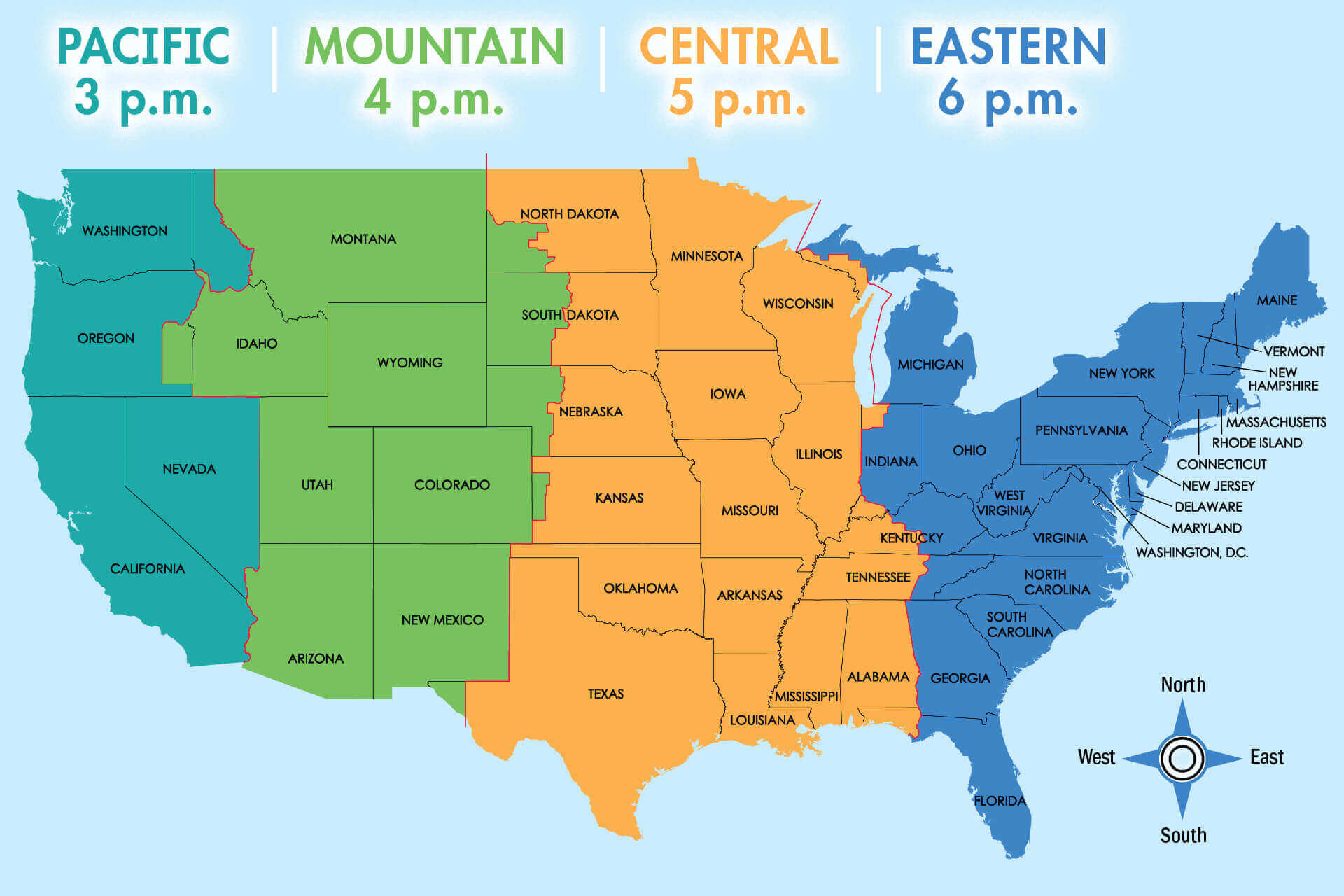
The United States spans multiple time zones, and the vast geographical distance separating California and Florida places them firmly in different temporal regions. This article will delve into the specifics of these time zones, explain how Daylight Saving Time impacts the equation, and most importantly, provide practical insights for travelers to navigate the time difference efficiently. From managing flight schedules and hotel check-ins to mitigating the effects of jet lag, we’ll equip you with the knowledge needed to ensure your journey is as punctual as it is pleasant.
Understanding the Time Zones: Pacific vs. Eastern
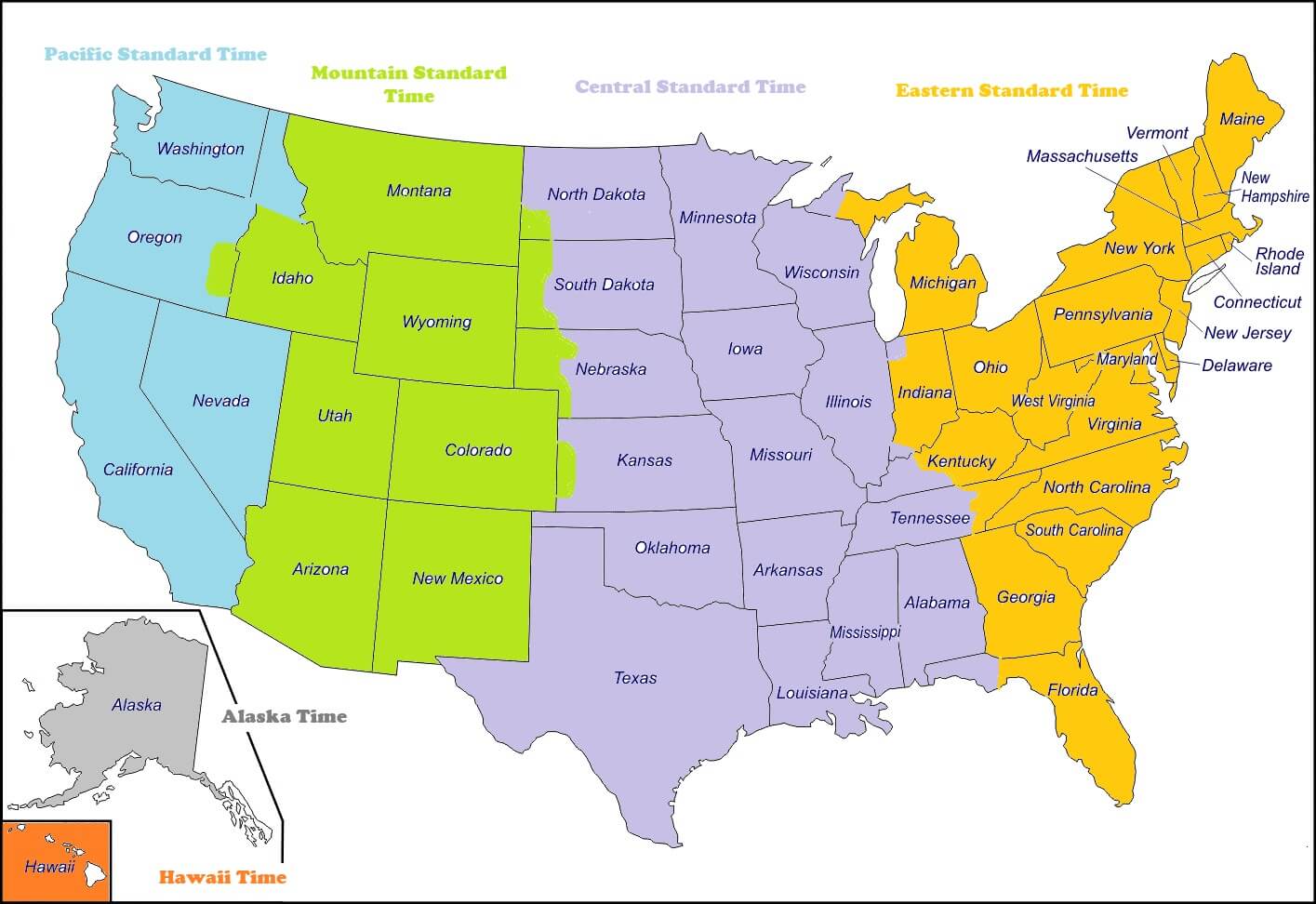
The continental United States is divided into four primary standard time zones, each representing a distinct longitudinal segment of the country. California and Florida, situated at opposing ends of the nation, fall into two of these prominent zones, leading to a consistent and notable time variance.
The Golden State: California’s Time Zone
California, often referred to as the Golden State, operates primarily within the Pacific Time Zone (PT). This time zone encompasses the entire West Coast of the contiguous United States, stretching from the Canadian border down to the Mexican border. Specifically, Pacific Time is observed by all of California, Washington, and Oregon, as well as a significant portion of Nevada and the northern panhandle of Idaho.
The Pacific Time Zone is behind Coordinated Universal Time (UTC) by eight hours during standard time (UTC-8) and seven hours during Daylight Saving Time (UTC-7). Major cities like Los Angeles, San Francisco, and San Diego all adhere to Pacific Time, meaning that when it’s noon in California, it’s still morning in regions further west of UTC and late afternoon/evening in Europe. For travelers, this means that activities and engagements in California are scheduled according to this later-in-the-day clock relative to the East Coast.
The Sunshine State: Florida’s Time Zone
Conversely, Florida, often known as the Sunshine State, largely falls within the Eastern Time Zone (ET). This time zone covers the entire East Coast of the United States and extends inland through several states. Most of Florida, including popular destinations such as Miami, Orlando, Jacksonville, and the state capital Tallahassee, observes Eastern Time. However, it’s worth noting a small exception: the westernmost part of the Florida Panhandle, specifically counties west of the Apalachicola River, including cities like Pensacola and Panama City, actually observes Central Time. For the purposes of a general comparison between California and the majority of Florida, we focus on the Eastern Time Zone.
The Eastern Time Zone is behind Coordinated Universal Time by five hours during standard time (UTC-5) and four hours during Daylight Saving Time (UTC-4). This means when it’s noon in Florida, it’s already late afternoon in London and early evening in Paris. The earlier clock in Florida compared to California sets the stage for the time difference that travelers must navigate.
Calculating the Difference
Given that California is in the Pacific Time Zone (UTC-8/UTC-7) and most of Florida is in the Eastern Time Zone (UTC-5/UTC-4), a straightforward calculation reveals the consistent difference:
Florida is 3 hours ahead of California.
This means if it’s 9:00 AM in Los Angeles, it’s 12:00 PM (noon) in Miami. This 3-hour gap remains constant throughout the year, primarily because both states observe Daylight Saving Time simultaneously.
Daylight Saving Time: A Minor Complication, Constant Difference
The observance of Daylight Saving Time (DST) often causes confusion regarding time differences between regions. However, for California and Florida, the effect on their time difference is surprisingly stable.
How Daylight Saving Time Affects the Time Difference
Both California and the majority of Florida observe Daylight Saving Time. This means that in the spring, typically the second Sunday in March, both states “spring forward” one hour. Then, in the fall, usually the first Sunday in November, they “fall back” one hour.
Because both states adjust their clocks by the same amount and at roughly the same time, the relative 3-hour difference between them remains constant. When California shifts from Pacific Standard Time (PST) to Pacific Daylight Time (PDT), Florida simultaneously shifts from Eastern Standard Time (EST) to Eastern Daylight Time (EDT). The UTC offsets change (e.g., California from UTC-8 to UTC-7, Florida from UTC-5 to UTC-4), but the difference of 3 hours (7-4=3 or 8-5=3) holds.
Key Dates to Remember
While the overall time difference remains stable, it’s still prudent for travelers to be aware of the exact dates for Daylight Saving Time changes. These dates can impact your sleep schedule and how quickly you adjust to the new time zone upon arrival.
- Spring Forward: Typically the second Sunday in March. Clocks move forward one hour at 2:00 AM local time.
- Fall Back: Typically the first Sunday in November. Clocks move back one hour at 2:00 AM local time.
Being mindful of these dates is particularly helpful if you are traveling immediately before, during, or after a DST transition, as it can briefly alter the absolute time of your travel schedule, even if the difference between states remains fixed. Always confirm local times for any critical appointments or connections during these transitional weeks.
Practical Implications for Travelers
The 3-hour time difference between California and Florida is substantial enough to warrant careful consideration when planning your trip. Ignoring it can lead to missed connections, scheduling conflicts, and unnecessary stress.
Managing Travel Itineraries
- Booking Flights: When searching for flights, pay close attention to the arrival and departure times listed, as they are always in local time. A flight departing Los Angeles at 8:00 AM PT and arriving in Miami at 5:00 PM ET might seem like a 9-hour flight, but factoring in the 3-hour time change, it’s actually only a 6-hour journey. Be especially careful with connecting flights; ensure sufficient layover time when crossing time zones, as a seemingly short layover might become dangerously tight after adjusting for time changes.
- Ground Transportation: If you’ve pre-booked airport transfers, rental car pickups, or ride-sharing services, confirm the pickup times in the local time of your destination. Miscalculating can leave you stranded or waiting unnecessarily.
- Checking In and Out: Hotel check-in and check-out times are strictly enforced in local time. Arriving in Florida from California at what feels like early afternoon (due to your body clock) might actually be late afternoon or evening in Florida, potentially pushing your check-in against the property’s cut-off. Similarly, if flying back west, ensure you’ve accounted for the earlier local time at your California destination.
- Tour and Activity Bookings: Theme park entry times, museum visits, restaurant reservations, and pre-booked tours will all operate on local time. Double-checking your booking confirmations against the local time upon arrival is a simple step that can prevent disappointment.
Business and Communication Considerations
For business travelers or those needing to stay connected with colleagues, clients, or family across the country, the time difference is paramount.
- Scheduling Meetings and Calls: When arranging conference calls or virtual meetings between participants in California and Florida, always specify the time zone (e.g., “10:00 AM PT / 1:00 PM ET”). This eliminates ambiguity and ensures everyone joins at the correct time. Popular scheduling tools often have built-in time zone converters, which are invaluable for this purpose.
- Impact on Remote Work: If you’re traveling for leisure but still need to attend to work remotely, be mindful of your working hours. Your “morning” in California might align with your Florida colleagues’ lunch break, and vice-versa. Adjust your schedule or communicate your availability clearly.
Personal Well-being: Combating Jet Lag
Traveling three hours across time zones, particularly eastbound from California to Florida, can induce noticeable jet lag. Your body’s internal clock (circadian rhythm) struggles to adjust to the new local time, leading to symptoms such as fatigue, insomnia, irritability, and digestive issues.
- Symptoms of Jet Lag: Expect to feel tired at unusual times, have difficulty sleeping through the night, or wake up very early in the morning in your new time zone. Headaches and general disorientation are also common.
- Tips for Adjusting:
- Gradual Adjustment: If possible, start adjusting your sleep schedule a few days before your trip by going to bed an hour earlier each night when traveling east, or an hour later when traveling west.
- Hydration: Drink plenty of water before, during, and after your flight to counteract dehydration, which can worsen jet lag symptoms. Avoid excessive alcohol and caffeine.
- Light Exposure: Upon arrival, expose yourself to natural light during the day to help reset your body clock. Avoid bright lights in the evening.
- Sleep Hygiene: Maintain good sleep habits. Try to sleep only at night in your new destination. Take short naps if absolutely necessary, but avoid long ones that could disrupt nighttime sleep.
- Eastbound Travel (California to Florida): This direction is generally harder to adjust to because you lose three hours. Try to get as much sleep as possible on the flight and head straight for bed at a reasonable hour upon arrival in Florida.
- Westbound Travel (Florida to California): This is often easier, as you gain three hours. Try to stay awake until a normal bedtime in California to ease into the later schedule.
Planning Your Trip: Making the Most of Your Time
A well-informed traveler is a happy traveler. Proactive planning concerning the time difference between California and Florida can significantly enhance your trip.
Strategic Scheduling for Activities
When you have a limited number of days in your destination, every hour counts. Understanding the time difference allows for more strategic scheduling.
- Booking Attractions: Whether it’s a theme park in Orlando or a vineyard tour in Napa Valley, knowing the local time ensures you arrive punctually for timed entries or guided experiences.
- Restaurant Reservations: Secure your dining experiences by making reservations in the correct local time. What might feel like an early dinner reservation for someone traveling from California to Florida (e.g., 6 PM ET feels like 3 PM PT) is perfectly normal.
- Maximizing Daylight Hours: Especially during the shorter days of winter, knowing how the sun rises and sets relative to your body clock can help you plan outdoor activities to make the most of available daylight.
Communication with Loved Ones
If you’re traveling away from family or friends, keeping track of time zones is crucial for maintaining contact without causing inconvenience. A spontaneous call from Florida at 9:00 PM ET might be well past bedtime for someone in California (6:00 PM PT), or vice versa. Establishing a mutually agreeable time for calls or video chats can prevent accidental disturbances.
Essential Travel Tools
In the digital age, managing time zones is easier than ever:
- World Clock Apps: Most smartphones come with a built-in world clock feature, allowing you to easily add California and Florida to your list for quick reference.
- Travel Planning Apps: Many comprehensive travel apps offer itinerary management with automatic time zone adjustments, reducing the mental load on travelers.
- Online Converters: A quick search for “time difference California and Florida” will yield numerous online tools that instantly display current times in both locations.
Conclusion
The question “What is the time difference between California and Florida?” elicits a straightforward answer: Florida is 3 hours ahead of California. However, the implications of this simple fact for travelers are multifaceted and significant. From the moment you begin planning your trip to the final farewell, being mindful of this time difference is key to a smooth, efficient, and enjoyable experience.
By understanding the distinct Pacific Time Zone and Eastern Time Zone, recognizing the consistent 3-hour gap even with Daylight Saving Time, and applying practical strategies for managing your itinerary and well-being, you can mitigate potential travel headaches. Embrace this knowledge, leverage available tools, and look forward to a journey that transcends geographical distance without missing a beat. Your adventure from the West Coast to the East Coast, or vice versa, will be all the more rewarding for it.
LifeOutOfTheBox is a participant in the Amazon Services LLC Associates Program, an affiliate advertising program designed to provide a means for sites to earn advertising fees by advertising and linking to Amazon.com. Amazon, the Amazon logo, AmazonSupply, and the AmazonSupply logo are trademarks of Amazon.com, Inc. or its affiliates. As an Amazon Associate we earn affiliate commissions from qualifying purchases.