
Traveling across the vast expanse of the United States often involves more than just booking flights and packing bags; it demands an understanding of the intricate web of time zones that govern daily life. For anyone planning a journey between the sun-drenched beaches of Florida and the iconic landscapes of California, deciphering the time difference is not merely a detail but a fundamental aspect of effective travel planning. This guide delves into the specifics of the time gap, its implications for travelers, and practical strategies to ensure a seamless experience when traversing thousands of miles and several time zones.
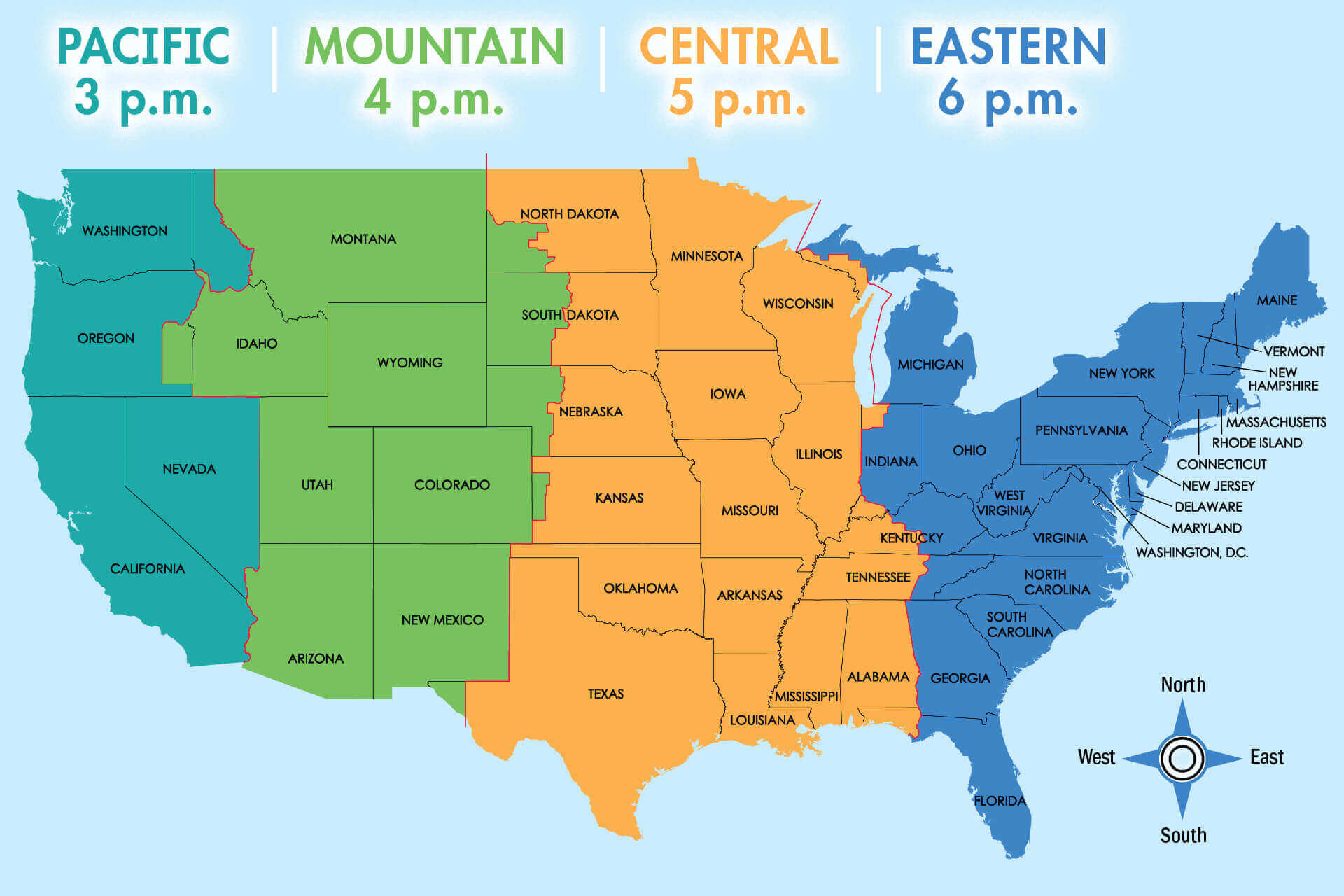
Unpacking the U.S. Time Zone Landscape
The concept of standardized time zones emerged from the practical necessity of coordinating railway schedules in the late 19th century. Before their establishment, localities often set their clocks based on local apparent solar time, leading to chaotic differences over short distances. Today, these zones are essential for national coordination, commerce, and, crucially, travel.
A Brief History of Time Zones
The adoption of standard time zones in the United States dates back to 1883, driven largely by the railroad industry’s need for a unified schedule. Prior to this, hundreds of local times created significant operational challenges. The four primary zones—Eastern, Central, Mountain, and Pacific—were initially implemented by the railroads, eventually gaining official recognition through federal law. This system ensures that all places within a given zone observe the same standard time, simplifying everything from transportation to communication and broadcasting.
The Four Contiguous U.S. Time Zones
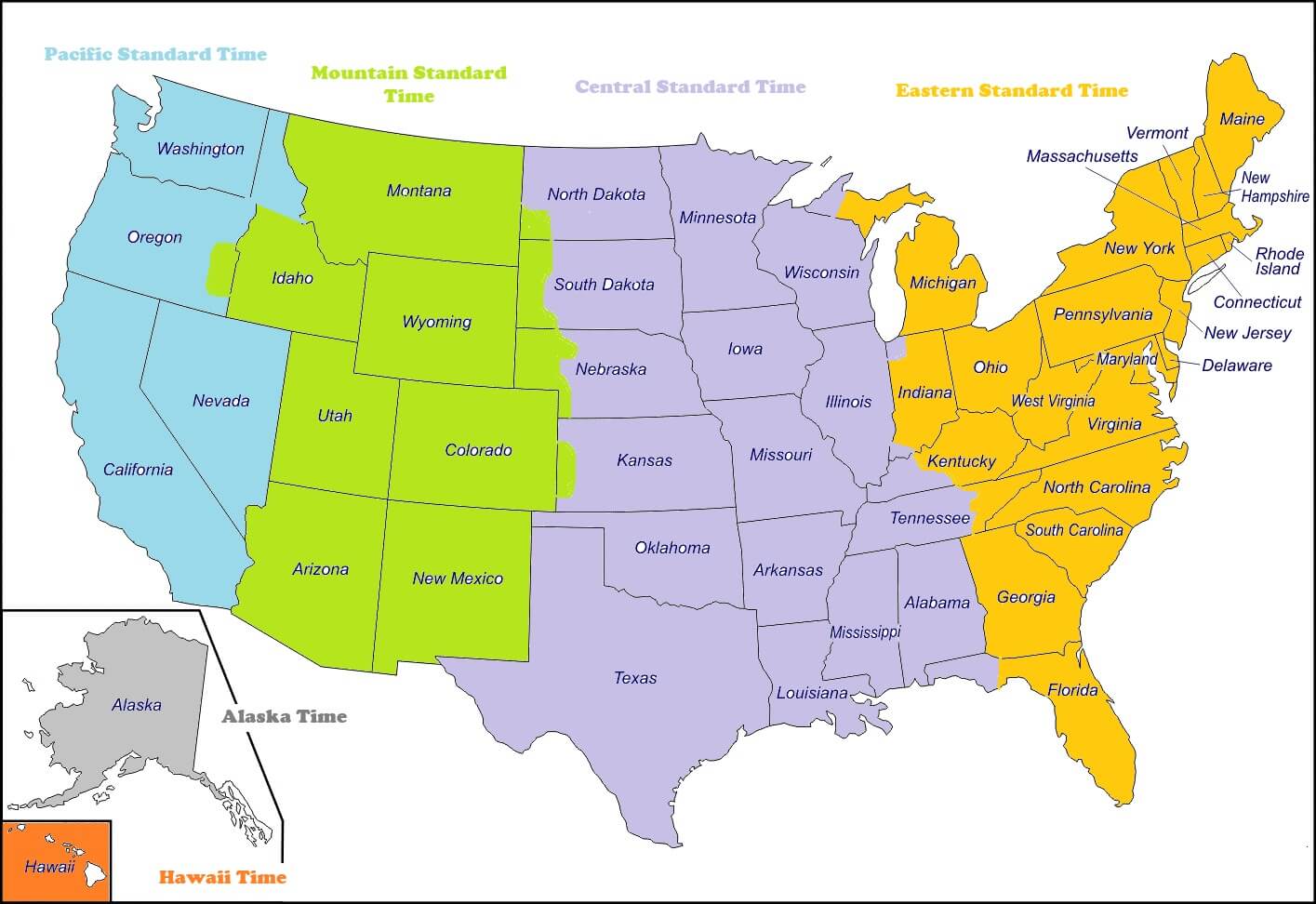
The contiguous United States is divided into four primary time zones:
- Eastern Time Zone (ET): This is the easternmost zone, encompassing states along the Atlantic coast, including the majority of Florida. It is five hours behind Coordinated Universal Time (UTC-5).
- Central Time Zone (CT): Situated west of the Eastern Time Zone, this zone covers states like Texas, Illinois, and portions of the Florida Panhandle. It is six hours behind Coordinated Universal Time (UTC-6).
- Mountain Time Zone (MT): Further west, the Mountain Time Zone covers states such as Colorado, Arizona (which largely observes standard time year-round), and Utah. It is seven hours behind Coordinated Universal Time (UTC-7).
- Pacific Time Zone (PT): The westernmost contiguous zone, this is where California resides. It is eight hours behind Coordinated Universal Time (UTC-8).
Beyond the contiguous states, Alaska observes the Alaska Time Zone, and Hawaii and the Aleutian Islands observe the Hawaii-Aleutian Time Zone.
Pinpointing the Florida-California Time Gap
The geographical expanse between the East Coast and the West Coast naturally translates into a significant time difference. For travelers journeying between Florida and California, this difference is a critical factor to understand.
Florida’s Dual Time Zones
While most of Florida operates on the Eastern Time Zone, it’s important to note the geographical nuance. Major cities like Miami, Orlando, Jacksonville, and Tallahassee all adhere to ET. However, a significant portion of the Florida Panhandle, west of the Apalachicola River, including cities like Pensacola and Destin, falls within the Central Time Zone. While this distinction is crucial for intrastate travel or specific regional plans, for most intercontinental travel discussions, Florida is generally referenced by its dominant Eastern Time Zone.
California’s Consistent Time Zone
In contrast to Florida’s dual system, California observes a single time zone across its entire state: the Pacific Time Zone (PT). This means that whether you’re in Los Angeles, San Francisco, or San Diego, the time is consistently PT.
The Core Difference: A Three-Hour Shift
When comparing the primary time zones of these two states, the difference is clear: the Pacific Time Zone is three hours behind the Eastern Time Zone.
- If it’s 10:00 AM Eastern Time in Miami, Florida, it will be 7:00 AM Pacific Time in Los Angeles, California.
- Conversely, if it’s 7:00 PM Pacific Time in San Francisco, California, it will be 10:00 PM Eastern Time in Orlando, Florida.
This consistent three-hour difference holds true throughout the year, as both states observe Daylight Saving Time. When clocks “spring forward” or “fall back,” they do so in unison, preserving the three-hour gap.
Travel Implications: Planning Your East-West Journey
Understanding the time difference is paramount for planning a smooth trip. It impacts everything from flight coordination to social engagements and personal well-being.
Flight Schedules and Arrival Times
When traveling from Florida to California, a direct flight might take approximately 5 to 6 hours. However, due to the three-hour time change, the elapsed time on the clock will appear significantly longer. For example, a flight departing Miami at 9:00 AM ET and landing 6 hours later would arrive at 3:00 PM ET. But in California local time, this translates to 12:00 PM PT. This “gain” of three hours on westward journeys can feel like a pleasant surprise for early arrivals.
Conversely, traveling from California to Florida presents the opposite effect. A flight departing Los Angeles at 9:00 AM PT and lasting 5 hours would land at 2:00 PM PT. However, in Florida local time, it would be 5:00 PM ET. This “loss” of three hours can make a seemingly short flight feel like it eats up an entire day, especially if you have evening plans upon arrival. Always confirm arrival and departure times in local time for each location on your itinerary.
Connecting Flights and Layover Management

For travelers with connecting flights, understanding time zones at each stop is crucial. A short layover might suddenly become uncomfortably tight if you miscalculate the time change at an intermediate airport, particularly if you cross into a new time zone. Ensure that all gate times, boarding times, and departure/arrival information are converted to the local time of the specific airport you are navigating.
Accommodation Check-ins and Check-outs
Hotel policies for check-in and check-out are strictly based on local time. Arriving three hours “earlier” than expected (due to westward travel) might mean waiting longer for your room to be ready, while a delayed flight on an eastward journey could cause you to miss your check-in window without prior notification. Always communicate your expected arrival time, converted to the destination’s local time, with your accommodation.
Mitigating the Effects of Jet Lag
The three-hour time difference between Florida and California is significant enough to induce jet lag, especially for sensitive individuals or those traveling frequently. Jet lag is a physiological condition resulting from alterations to the body’s circadian rhythm, or internal clock, caused by rapid long-distance transmeridian (east-west or west-east) travel.
Understanding Circadian Rhythms
Your body’s circadian rhythm regulates sleep-wake cycles, hormone release, body temperature, and other bodily functions. It’s primarily influenced by light exposure. When you cross time zones, your internal clock remains aligned with your departure point’s time, creating a mismatch with the new local time. This can lead to fatigue, irritability, difficulty sleeping, and digestive issues.
Strategies for Adjusting When Traveling Westward (Florida to California)
Traveling westward is generally considered easier to adjust to.
- Embrace the Day: Upon arrival in California, try to stay awake until the local evening. Expose yourself to natural light, especially in the morning, to help reset your internal clock.
- Adjust Sleep Gradually: If possible, try to go to bed an hour or two later in the days leading up to your departure.
- Stay Hydrated: Dehydration can exacerbate jet lag symptoms. Drink plenty of water before, during, and after your flight.
- Light Exercise: Gentle physical activity upon arrival can help invigorate your body.
Strategies for Adjusting When Traveling Eastward (California to Florida)
Traveling eastward is often more challenging as you “lose” hours, forcing your body to wake up earlier than its internal clock expects.
- Pre-Adjust Your Sleep: A few days before your trip, try to go to bed and wake up an hour or two earlier each day.
- Prioritize Sleep on the Plane: If it’s daytime at your departure but nighttime at your destination, try to sleep during the flight. Use eye masks and earplugs.
- Seek Morning Light: Upon arrival in Florida, get immediate exposure to morning sunlight to signal to your body that the new day has begun.
- Avoid Caffeine and Alcohol: While tempting, these can disrupt sleep patterns and worsen dehydration, hindering your adjustment.
Hydration and Nutrition
Regardless of travel direction, maintaining good hydration is crucial. Airplane cabins are notoriously dry, and dehydration can compound feelings of fatigue and disorientation. Opt for water and juices, and limit excessive caffeine and alcohol, which can interfere with sleep and further dehydrate you. Eating lighter, healthier meals can also help your digestive system adapt more smoothly.
Practical Travel Tips for a Seamless Time Transition
Beyond understanding the core time difference and managing jet lag, a few practical tips can make your journey between Florida and California as smooth as possible.
Before You Depart
- Adjust Your Watch: Set your watch to your destination’s time zone as soon as you board the plane or even the night before your flight. This mental shift can help you psychologically prepare for the change.
- Inform Contacts: If you have business meetings or are expected to call family, clearly communicate your travel plans and the time zone differences so they know when to expect contact.
- Plan Strategically: Schedule important meetings or activities for later in the day when traveling eastward, giving your body more time to wake up. When traveling westward, take advantage of your “early” arrival for evening plans.
During Your Journey
- Update Electronic Devices: Most smartphones and smartwatches automatically adjust to the local time zone, but double-check these settings. This is crucial for alarms and calendar reminders.
- Utilize In-Flight Entertainment: If you are having trouble sleeping, use movies or music to help pass the time and distract from potential discomfort.
Upon Arrival
- Embrace Local Time: As soon as you land, commit to the local time. Eat meals at appropriate local times, and try to maintain a normal sleep schedule, even if you feel tired at an unusual hour.
- Prioritize Light Exposure: Expose yourself to natural light during the day to help regulate your circadian rhythm. Avoid bright screens close to bedtime.
- Plan Activities Strategically: Don’t overschedule your first day. Allow for some downtime to adjust. A vigorous workout might feel good, but excessive exertion right after a long flight can be counterproductive.
Communication Considerations
Remember that a three-hour time difference means that when it’s midday on one coast, it’s late morning or mid-afternoon on the other. This is particularly important for business calls or staying in touch with family. If you’re in Florida and need to call someone in California during their business hours (9 AM – 5 PM PT), you would need to place that call between 12 PM and 8 PM ET. Conversely, if you’re in California trying to reach someone in Florida, their 9 AM to 5 PM ET window would translate to 6 AM to 2 PM PT for you.
Navigating the time difference between Florida and California is a manageable aspect of travel planning, not a deterrent. By understanding the three-hour shift, preparing for its effects, and implementing practical strategies, travelers can ensure a more comfortable, productive, and enjoyable journey across the United States. Whether you’re traveling for leisure or business, being time-savvy is key to a truly seamless experience.
LifeOutOfTheBox is a participant in the Amazon Services LLC Associates Program, an affiliate advertising program designed to provide a means for sites to earn advertising fees by advertising and linking to Amazon.com. Amazon, the Amazon logo, AmazonSupply, and the AmazonSupply logo are trademarks of Amazon.com, Inc. or its affiliates. As an Amazon Associate we earn affiliate commissions from qualifying purchases.