
The question “What Is The Time For Texas?” holds a dual meaning for prospective travelers and those curious about the Lone Star State. On one hand, it refers to the practical matter of time zones – a crucial detail for planning any trip to such a vast region. On the other, and perhaps more pertinently for tourism, it asks: “When is the optimal time to experience Texas?” This larger-than-life state offers a dazzling array of destinations, attractions, and experiences that shift with the seasons, from vibrant urban lifestyles to serene natural landmarks. Understanding the best time to visit Texas truly hinges on what kind of adventure you seek.
From the bustling streets of its major cities to the tranquil beauty of its national parks, Texas promises something for every type of traveler. Whether you’re interested in cultural festivals, outdoor escapades, culinary delights, or simply relaxing by the coast, timing your visit can significantly enhance your journey. This guide delves into the nuances of Texas time, both literal and metaphorical, to help you plan your perfect trip.
Decoding Texas’s Time Zones: A Quick Guide for Travelers
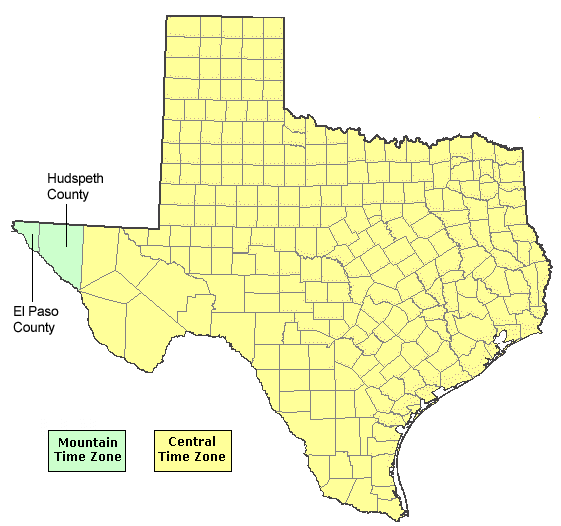
While the state is immense, the majority of Texas operates on a single time zone, simplifying planning for most visitors. However, a small portion of West Texas does differ, which is important to note if your travels take you to its furthest reaches.
Central Time Zone (CT)
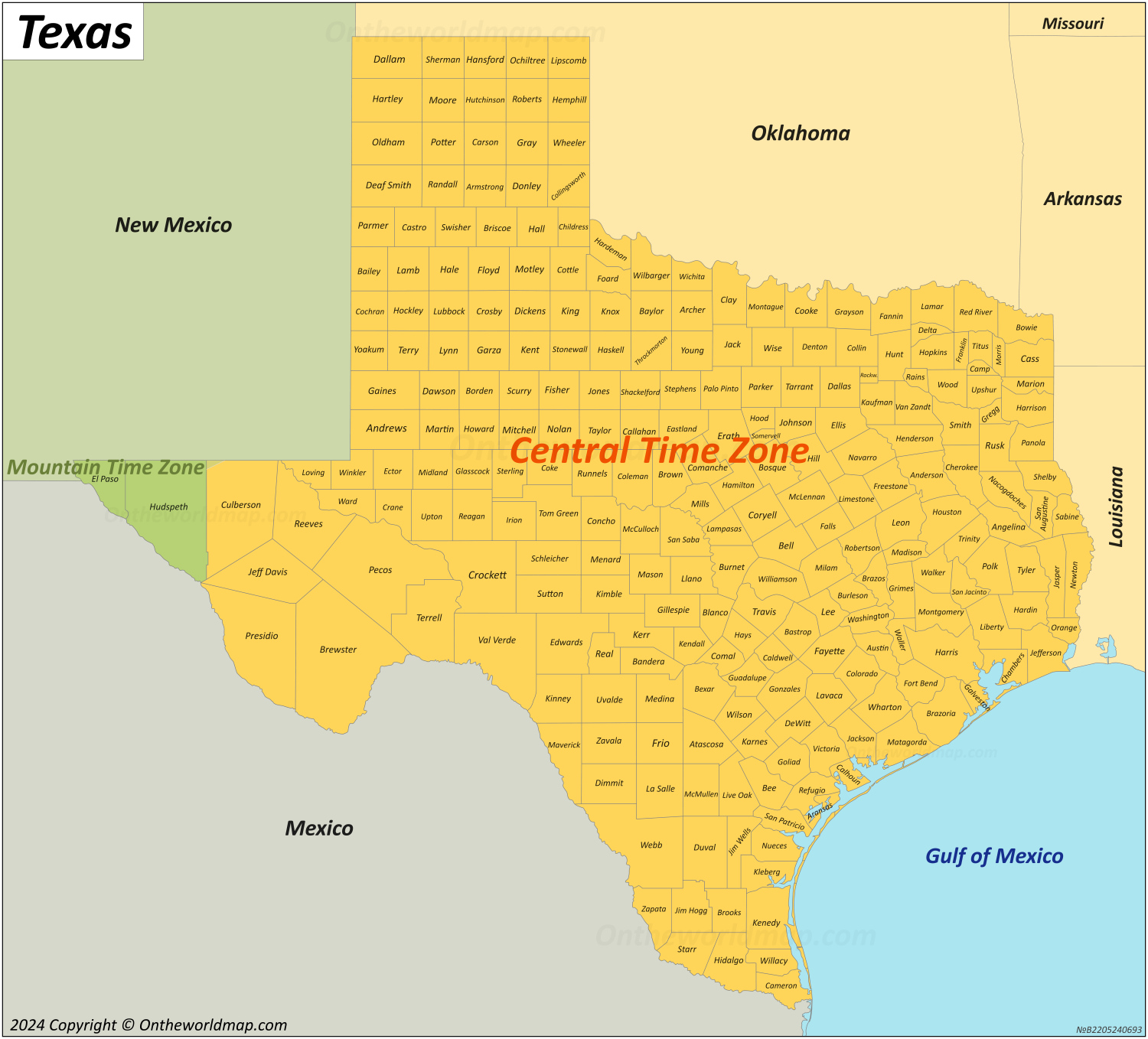
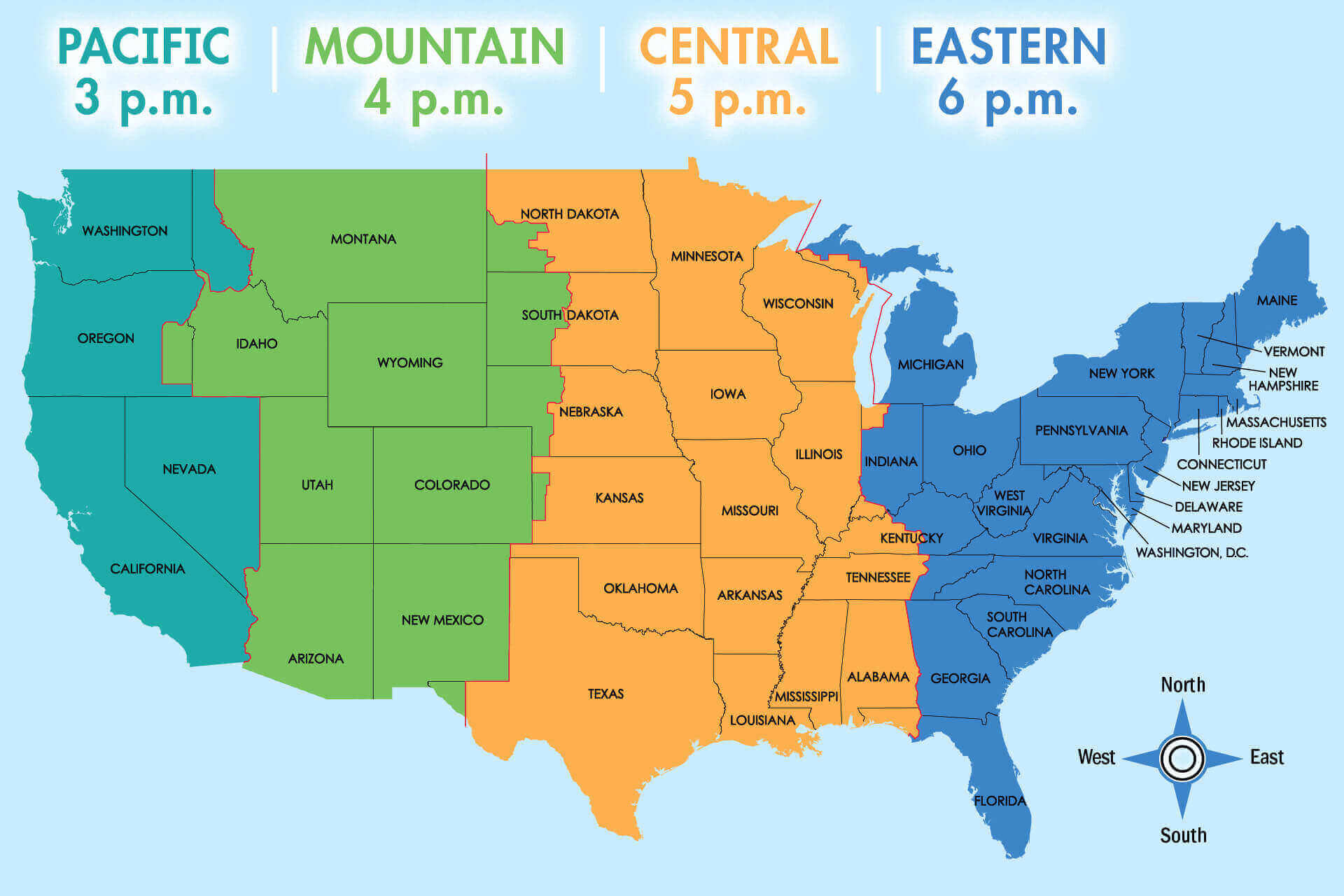
The vast majority of Texas falls within the Central Time Zone. This includes major metropolitan areas like Dallas, Houston, San Antonio, and Austin, as well as popular tourist regions like the Hill Country and the Gulf Coast. During Daylight Saving Time, this becomes Central Daylight Time (CDT), which is UTC-5. For the rest of the year, it is Central Standard Time (CST), UTC-6. When coordinating flights, hotel bookings, or meeting friends, you can generally assume Central Time for any destination east of the Davis Mountains.
Mountain Time Zone (MT)
A small, westernmost sliver of Texas, primarily El Paso County and parts of Hudspeth County, observes the Mountain Time Zone. This region includes the city of El Paso and the famous Guadalupe Mountains National Park. When planning a trip to these areas, remember that they will be one hour behind the rest of the state. During Daylight Saving Time, it’s Mountain Daylight Time (MDT), UTC-6, and the rest of the year, Mountain Standard Time (MST), UTC-7. Always double-check local times if you’re traveling across the state, especially if you have tightly scheduled connections or reservations.
The Optimal Seasons: When Texas Truly Shines
Beyond the literal clock, the “time for Texas” often refers to the best time of year to visit, considering climate, events, and the natural beauty on display. Texas’s sheer size means weather patterns can vary significantly from north to south and east to west, but generally, spring and fall are universally lauded as the most pleasant seasons for tourism.
Spring (March-May): Wildflowers, Pleasant Weather, and Vibrant Festivals
Spring in Texas is arguably the state’s most beloved season. The weather is typically mild and agreeable across most regions, with comfortable temperatures ideal for outdoor exploration. This is when the state explodes with color as the famous Bluebonnets and other wildflowers blanket the Hill Country and beyond, making for breathtaking scenic drives.
- Outdoor Activities: Perfect for hiking in state parks like Enchanted Rock State Natural Area or exploring the rolling vineyards around Fredericksburg.
- Cultural Events: Austin buzzes with the energy of SXSW, a renowned festival celebrating film, music, and interactive media. Houston hosts the massive Houston Livestock Show and Rodeo, a true taste of Texas culture. San Antonio’s Fiesta San Antonio offers parades, music, and food, transforming the city into a month-long party.
- Accommodation: Boutique hotels in Fredericksburg and charming B&Bs in the Hill Country are popular choices, as are upscale resorts in San Antonio and Austin. Book well in advance, especially around major events, as reviews often highlight peak season demand.
Summer (June-August): Beaches, Water Activities, and Indoor Escapes
Texas summers are hot, particularly in inland areas. However, this is prime time for coastal getaways and water-centric activities. The Gulf Coast cities like Galveston and South Padre Island become popular havens for beach lovers, offering relief from the heat.
- Outdoor Activities: Head to the beaches for swimming, fishing, and watersports. Inland, cooling off in spring-fed rivers like the Comal River or tubing on Lake Travis is a quintessential Texas experience. Big Bend National Park is stunning but can be extremely hot; early morning or late evening hikes are recommended, or focusing on high-altitude areas.
- Urban Exploration: Cities like Dallas and Houston offer world-class museums, art galleries, and air-conditioned attractions like The Sixth Floor Museum in Dallas or Space Center Houston. Theme parks such as Six Flags Over Texas are in full swing.
- Accommodation: Beachfront villas, family-friendly resorts, and hotels with impressive pools are highly sought after. Consider apartments or vacation rentals for long-term stays with larger groups.
Fall (September-November): Cooler Weather, Outdoor Adventures, and Football Season
As the heat subsides, fall ushers in another glorious period for Texas travel. The cooler, drier air makes it perfect for outdoor activities, and the state becomes obsessed with high school and college football games.
- Outdoor Activities: Ideal for hiking and camping across the state. The changing leaves at Lost Maples State Natural Area offer a surprising autumnal display for Texas. Big Bend National Park also becomes more accessible and enjoyable for extensive exploration.
- Cultural Events: The State Fair of Texas in Dallas is a grand, quintessential Texan event with rides, livestock, and iconic fried foods. Austin City Limits Music Festival draws crowds for a diverse lineup of musical acts.
- Accommodation: Rustic cabins and campsites are popular for nature-focused trips. Luxury hotels in cities like Dallas and Austin fill up quickly, especially on football weekends, so advance booking is essential for the best prices and availability.
Winter (December-February): Mild Climate in South, Holiday Events, and Desert Exploration
Winter in Texas is diverse. While northern parts can experience occasional freezes, the southern half enjoys remarkably mild temperatures, making it a popular escape from colder climates.
- Outdoor Activities: Perfect for exploring the desert landscapes of West Texas without the scorching heat. The Rio Grande Valley becomes a haven for birdwatching and golf.
- Cultural Events: Cities sparkle with holiday lights and festivities. The San Antonio Riverwalk is particularly enchanting with millions of lights draped over the cypress trees, accompanied by carolers and boat parades.
- Accommodation: Cozy B&Bs and boutique stays in historic districts offer warm retreats. Many “winter Texans” from colder states opt for long-term stays in RV parks and rented apartments in the Rio Grande Valley.
Texas Experiences: Tailoring Your Trip to the Time of Year
The “time for Texas” is also about aligning your personal interests with what the state offers throughout the year. Whether you’re an adventure seeker, a culture enthusiast, a foodie, or planning a family trip, Texas has a season that perfectly suits your style.
Adventure Seekers and Nature Lovers
- Spring/Fall: These seasons are unparalleled for hiking, mountain biking, rock climbing, and camping. The mild temperatures are ideal for exploring the rugged terrain of Big Bend National Park, the majestic cliffs of the Guadalupe Mountains, or the picturesque trails in the Hill Country. Kayaking and paddleboarding on calmer rivers are also excellent options.
- Summer: Embrace water sports. Head to the coast for surfing, parasailing, and deep-sea fishing. Inland lakes like Lake Travis and Lake Texoma become hubs for boating, wakeboarding, and swimming. Tubing down the Guadalupe River is a must-do summer ritual.
- Winter: West Texas offers cool-weather hiking and stargazing without the extreme temperatures. It’s also prime time for birdwatching in the southern Rio Grande Valley, a globally recognized birding hotspot.
Culture Enthusiasts and Urban Explorers
- Year-Round: Texas cities are always alive with history, art, and music. Dallas boasts impressive art districts and historical sites like The Sixth Floor Museum. Houston is home to world-class museums and a vibrant theater scene. San Antonio’s Alamo and Riverwalk offer deep dives into history and charming ambiance. Austin lives up to its “Live Music Capital of the World” moniker every night of the week.
- Spring/Fall: These seasons host the biggest festivals. SXSW in spring and Austin City Limits in fall draw international crowds, making Austin a buzzing cultural hotspot. San Antonio’s Fiesta San Antonio offers a unique glimpse into the city’s rich Hispanic heritage. The State Fair of Texas is an iconic fall event showcasing Texan agriculture, innovation, and entertainment.
Foodies and Culinary Adventurers
- Year-Round: No matter when you visit, Texas cuisine is a highlight. Indulge in legendary BBQ (from Central Texas to East Texas), authentic Tex-Mex (especially in San Antonio and El Paso), and sophisticated farm-to-table dining in cities like Austin and Houston.
- Spring: Crawfish boils become a popular social event, especially in East Texas and Houston. Enjoy fresh seasonal produce from numerous farmers markets.
- Fall: Sample seasonal beers at various brewery festivals and savor hearty comfort food perfect for cooler evenings. The State Fair of Texas is a mecca for innovative (and sometimes bizarre) fried foods.
Family Fun and Relaxation
- Summer: With schools out, summer is prime time for family trips. Head to the beaches of Galveston or South Padre Island for sandcastles and surf. Theme parks like Six Flags Over Texas and SeaWorld San Antonio offer thrilling rides and animal encounters. Water parks provide a refreshing escape from the heat.
- Spring/Fall: Enjoy pleasant weather for zoo visits (Houston Zoo, Dallas Zoo), botanical gardens, and outdoor play areas.
- Winter: The mild climate in southern Texas allows for continued outdoor enjoyment, especially for younger children, while holiday events in cities create magical memories. Many resorts offer special amenities and activities during school breaks.
Planning Your Texas Stay: Accommodation & Logistics
Regardless of when you decide it’s “the time for Texas,” thoughtful planning around accommodation and logistics will ensure a smooth and enjoyable trip.
Choosing the Right Stay
Texas offers an incredibly diverse range of accommodation options to fit every budget and style. From ultra-luxury resorts in downtown Dallas to charming B&Bs nestled in the Hill Country vineyards, you’ll find plenty of choices. Consider suites for extra space, especially for family trips, or villas and apartments for long-term stays or if you prefer self-catering. Comparison websites and reviews are invaluable tools for finding the perfect place.
Booking Tips for Every Season
- Peak Seasons (Spring, Fall during major events): Book your hotels, resorts, and even some popular restaurants well in advance (3-6 months) to secure your preferred choices and better prices. Events like SXSW and the State Fair of Texas can drive up demand and rates significantly.
- Shoulder Seasons (Early Fall, Late Spring): These times often offer a sweet spot with pleasant weather and slightly fewer crowds, potentially leading to better accommodation deals.
- Off-Season (Summer in some inland areas, Winter in the north): If you’re flexible with your plans, you can often find great deals on hotels and resorts during slower periods. Be sure to check what amenities are available during off-peak times.
Navigating the Vastness of Texas
Given the immense size of Texas, a car is almost essential for exploring beyond a single city. Renting a vehicle provides the flexibility to discover hidden gems and travel between diverse regions. For longer distances between major cities, domestic flights are a convenient option. Be mindful of travel times; driving from Dallas to Big Bend National Park can take an entire day, so plan your itinerary accordingly to avoid feeling rushed.
In conclusion, “What Is The Time For Texas?” isn’t a simple question with a single answer. It’s an invitation to consider the incredible diversity of the state and tailor your visit to your specific interests and preferences. Whether you seek the vibrant energy of spring festivals, the refreshing cool of summer beaches, the comfortable climate of fall adventures, or the mild charm of a southern Texas winter, there’s always an ideal time for your Texas adventure. By understanding its time zones and embracing its seasonal rhythms, you’ll unlock the very best the Lone Star State has to offer.
LifeOutOfTheBox is a participant in the Amazon Services LLC Associates Program, an affiliate advertising program designed to provide a means for sites to earn advertising fees by advertising and linking to Amazon.com. Amazon, the Amazon logo, AmazonSupply, and the AmazonSupply logo are trademarks of Amazon.com, Inc. or its affiliates. As an Amazon Associate we earn affiliate commissions from qualifying purchases.