
Maine, a state celebrated for its rugged coastline, vibrant autumn foliage, and delectable seafood, also holds a special allure for wildlife enthusiasts: the chance to witness the majestic moose in its natural habitat. These gentle giants, the largest members of the deer family, are a quintessential symbol of the wild Northwoods, and spotting one can be a truly unforgettable experience. If your travel itinerary includes the Pine Tree State, and a moose sighting is high on your priority list, this guide will equip you with the knowledge to maximize your chances.
The allure of seeing a moose in Maine extends beyond simply ticking a box on a wildlife checklist. It’s about connecting with the raw, untamed beauty of the landscape and experiencing a moment of profound awe. Imagine standing at the edge of a misty bog at dawn, the air crisp and cool, and catching the silent, powerful silhouette of a bull moose emerging from the trees. Or perhaps, during a scenic drive through a remote park, you glimpse a cow moose calmly grazing by the roadside, her calf close by. These encounters are not just about the animal; they are about the entire experience – the anticipation, the quiet observation, and the feeling of being a privileged witness to nature’s grandeur.
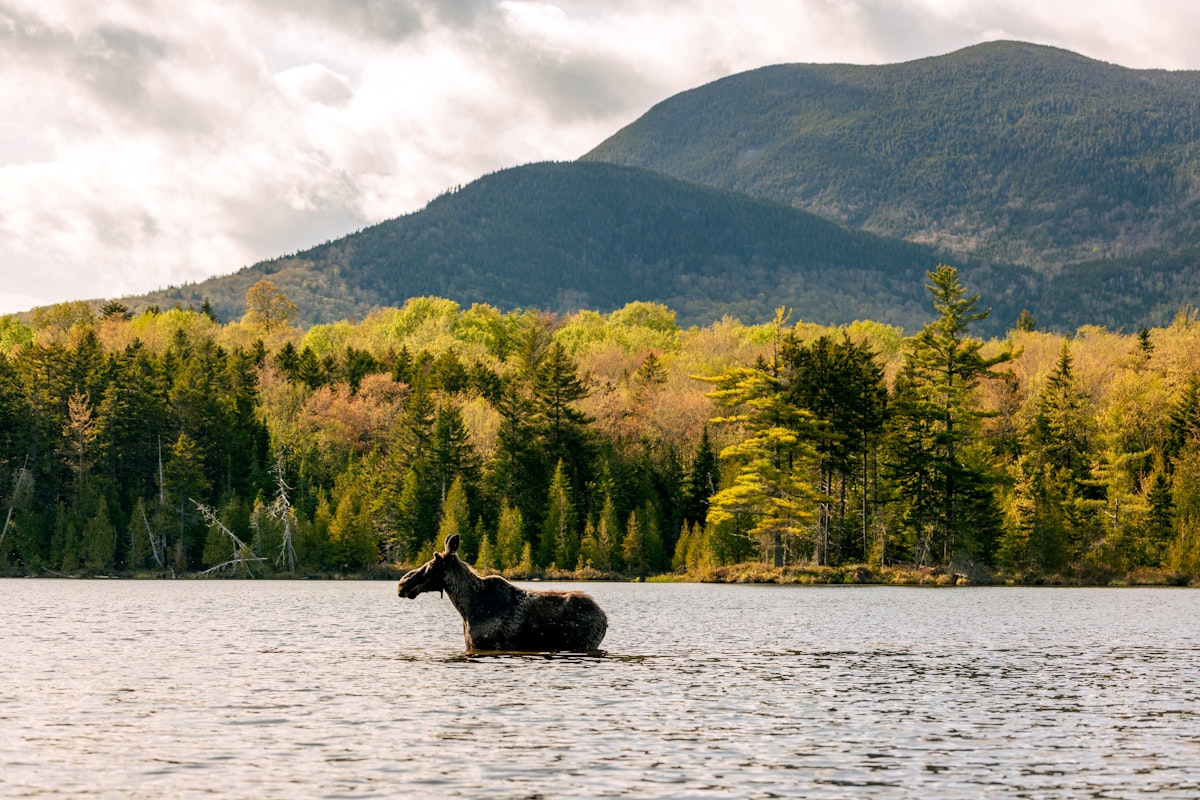
This guide delves into the best times and locations to seek out Maine’s moose population, offering practical tips for planning your expedition. Whether you’re a seasoned birder, a family on vacation, or a solo traveler seeking adventure, understanding moose behavior and their preferred habitats is key to a successful and respectful encounter. We’ll explore the prime regions known for moose sightings, discuss the optimal seasons for viewing, and provide advice on how to approach this endeavor responsibly, ensuring the well-being of both you and the magnificent creatures you hope to see.
The Prime Time and Places for a Maine Moose Encounter
For those dreaming of seeing a moose in Maine, timing and location are everything. While moose can be found throughout the state, certain areas and seasons offer a significantly higher probability of a sighting. Understanding their habits and preferences will dramatically improve your odds.
Optimal Seasons for Moose Viewing
The pursuit of a moose sighting is often influenced by the time of year. Each season presents unique opportunities and challenges.
Spring: A Time of Rebirth and New Beginnings
As the snow melts and the Maine landscape awakens, spring (late April through June) emerges as a prime viewing season. During this period, moose are particularly active and visible. Cow moose, having given birth to their calves in late May or early June, are often found in wetlands and bogs where fresh vegetation is abundant. These areas provide both food and a degree of protection from predators for the vulnerable young. Observing a cow moose with her calf is a particularly heartwarming sight, and their need for sustenance often draws them to accessible areas. Early mornings and late evenings are the best times to venture out, as moose tend to be most active during these cooler parts of the day, seeking out tender shoots and aquatic plants.
Summer: Grazing and Solitude
The summer months (July and August) continue to offer opportunities for moose sightings, though they may become a bit more elusive as the heat intensifies. Moose will often seek shade in dense forests during the peak of the day. However, they still need to graze, and the early morning and late evening hours remain your best bet. Look for them in marshy areas and along the edges of lakes and ponds, where they can find cooler temperatures and a buffet of aquatic vegetation. The long daylight hours of summer also mean more time for exploration, allowing for leisurely drives and hikes in search of these magnificent animals.
Autumn: The Rut and Increased Activity
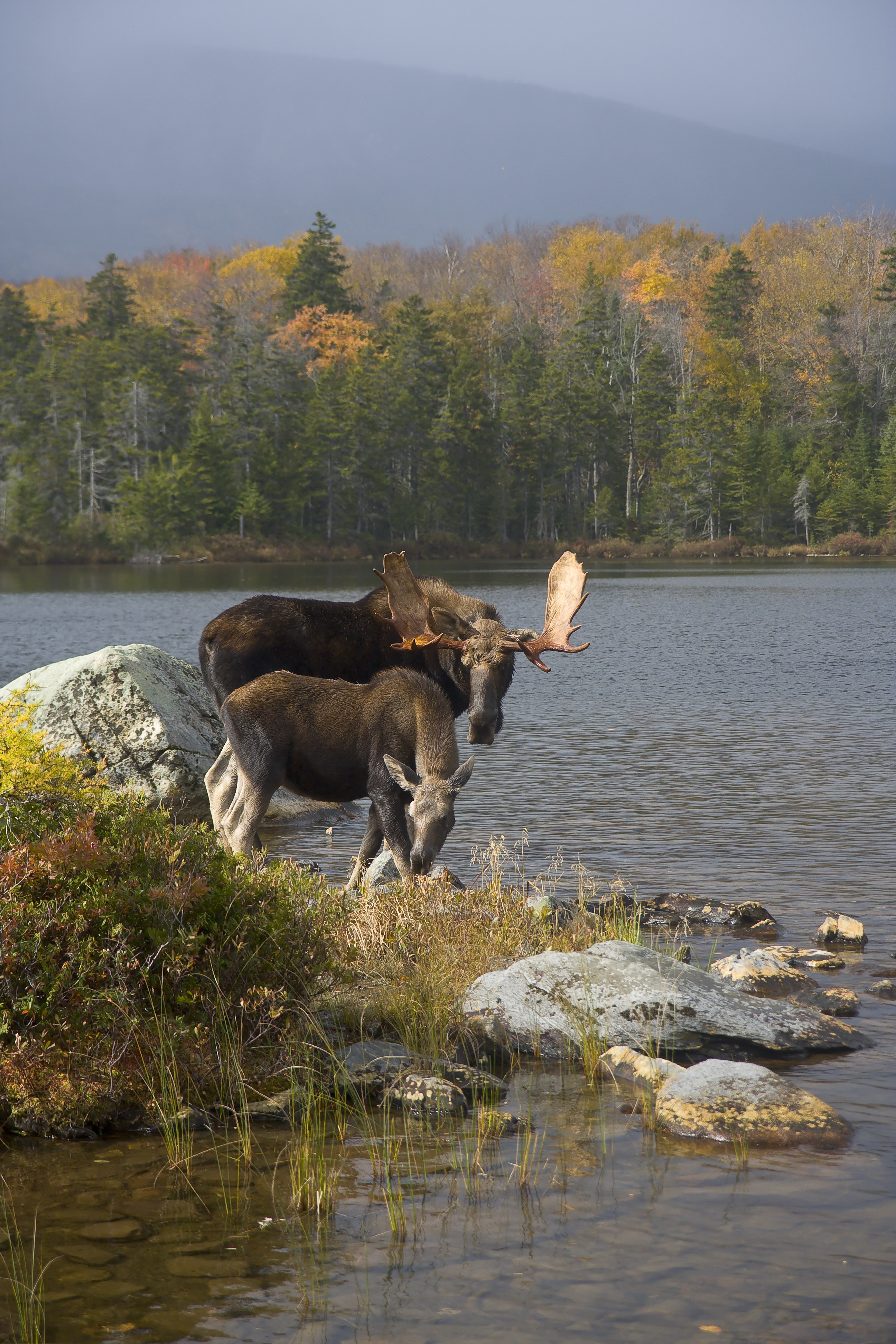
Autumn (September and October) brings a dramatic shift in moose behavior due to the mating season, known as the rut. During this time, bull moose become more agitated and vocal, actively seeking out cows. Their increased movement and territorial displays can lead to more frequent sightings, even during daylight hours. The vibrant fall foliage, a spectacle in itself, provides a stunning backdrop for any moose encounter. The crisp autumn air is also perfect for outdoor activities, making it an ideal time to explore Maine’s vast wilderness. Be aware, however, that during the rut, bull moose can be unpredictable, so maintaining a safe distance is paramount.
Key Regions for Moose Sightings
While moose are present across much of Maine, certain regions are renowned for their higher concentrations and accessibility. Focusing your efforts on these areas will greatly enhance your chances of a successful sighting.
Northern Maine: The Great North Woods
The vast expanse of Northern Maine, often referred to as the Great North Woods, is arguably the most rewarding region for moose viewing. This sparsely populated area is characterized by dense forests, extensive wetlands, bogs, and numerous lakes and rivers. It provides the ideal habitat for moose to thrive.
- Allagash Wilderness Waterway: This iconic canoe route offers unparalleled opportunities to spot moose along its banks, especially during the early morning and late evening hours when they come to feed on aquatic vegetation. The tranquil waters reflect the surrounding wilderness, making for breathtaking views and photographic opportunities.
- Baxter State Park: Home to Mount Katahdin, Maine’s highest peak, this park is a sanctuary for wildlife, including moose. While hiking trails offer chances for sightings, driving the park’s internal roads and keeping a keen eye on the edges of clearings and wetlands can be highly productive. Remember that Baxter State Park has specific regulations to protect its natural environment, so always adhere to park rules.
- Aroostook County: Known for its potato fields and vast forests, Aroostook County is another excellent location. Areas around Presque Isle and the Saint John River Valley offer good prospects, particularly near marshy areas and along logging roads.
Western Maine: The Rangeley Lakes Region
The Rangeley Lakes Region in western Maine is a picturesque area dotted with pristine lakes and rolling hills. This region provides a mix of forests and open meadows that attract moose.
- Rangeley Lake State Park: This park and the surrounding areas are known for moose activity. Driving along the scenic routes, especially in the early morning, can yield sightings. Keep an eye on the roadside clearings and water bodies.
- Umbagog National Wildlife Refuge: Straddling the border with New Hampshire, this refuge is a crucial habitat for moose and other wildlife. Its extensive wetlands and forests offer excellent viewing opportunities, often best explored by boat or kayak, providing a silent approach.
Central and Eastern Maine: Inland Forests and Wetlands
Even outside the most remote northern and western areas, pockets of prime moose habitat exist.
- Moosehead Lake Region: Moosehead Lake itself is Maine’s largest lake, and the surrounding wilderness is teeming with wildlife. The roads leading to and from the lake, particularly those that pass through dense forests and swampy areas, are excellent for moose spotting. Consider taking scenic drives around the lake, stopping at pull-offs to scan the landscape.
- The Bold Coast Scenic Drive (Downeast Maine): While more known for its dramatic coastline, the inland forests and wetlands accessible from this scenic route can also host moose. Look for them in less developed areas away from the immediate coast.
Maximizing Your Chances: Tips for a Successful Moose Sighting
Successfully spotting a moose requires patience, preparedness, and a respectful approach to wildlife. By understanding their habits and employing effective viewing strategies, you can significantly increase your chances of a memorable encounter.
Understanding Moose Behavior and Habitat
Moose are primarily crepuscular animals, meaning they are most active during the twilight hours of dawn and dusk. This is when they emerge from denser cover to feed in open meadows, bogs, and along the edges of lakes and rivers. Their diet consists mainly of twigs, bark, leaves, and aquatic vegetation. They are drawn to water sources, not only for hydration but also for the abundant and nutrient-rich plants that grow there. During warmer months, they often submerge themselves in water to escape insects and cool down.
Understanding their habitat preferences is crucial. Moose favor young forests with an abundance of browse, wetlands, and areas with access to water. They are often found near bogs, marshes, and the shores of lakes and ponds. Areas with clearings, old logging roads, and even roadside verges can also attract them, especially when new growth is present.
Effective Viewing Strategies
- Early Mornings and Late Evenings: As mentioned, these are the golden hours for moose spotting. Rise before dawn and head out to known moose habitats. Similarly, dedicate your late afternoon and early evening hours to observation.
- Scenic Drives and Pull-offs: Many of Maine’s most productive moose-viewing areas are accessible by car. Drive slowly along rural roads, particularly those that meander through forests and wetlands. Utilize pull-offs to scan the landscape with binoculars or a spotting scope. Roads in Northern Maine, such as those in the Allagash region or around Moosehead Lake, are particularly good for this.
- Hiking and Quiet Observation: For the more adventurous, hiking trails that lead to wetlands or remote lakes can offer excellent opportunities. The key is to move quietly and be patient. Find a vantage point and observe for an extended period. Always stay on marked trails and be aware of your surroundings.
- Using Binoculars and Spotting Scopes: These optical aids are indispensable. They allow you to scan large areas effectively and observe moose from a safe distance without disturbing them.
- Listen Carefully: Moose can be surprisingly vocal, especially during the rut. Listen for rustling in the undergrowth, breaking twigs, or the distinctive call of a bull moose.
- Look for Signs: Even if you don’t see a moose immediately, look for signs of their presence. Moose droppings are large and pellet-like. Tracks can be found in muddy areas. Rub marks on trees, where bulls have scraped their antlers, are also indicators.
Responsible Wildlife Viewing
Encountering a moose in the wild is a privilege, and it’s essential to behave in a way that ensures the safety and well-being of both the animal and yourself.
- Maintain a Safe Distance: Never approach a moose. They are wild animals and can be unpredictable, especially if they feel threatened or are protecting their young. A minimum distance of 25 yards (about 75 feet) is recommended. If the moose changes its behavior or shows signs of agitation, slowly back away.
- Never Feed Moose: Feeding wild animals can disrupt their natural diet, lead to dependency, and increase the risk of human-wildlife conflict. It can also make them more aggressive and less fearful of humans, which is dangerous for both parties.
- Keep Pets Controlled: If you are traveling with a pet, keep it on a leash at all times. A loose pet can provoke or be threatened by a moose.
- Be Quiet and Respectful: Avoid loud noises, sudden movements, or flashing bright lights. Observe from a distance and allow the moose to behave naturally.
- Do Not Litter: Pack out everything you pack in. Keeping Maine’s natural beauty pristine is crucial for its wildlife.
- Respect Private Property: Many excellent viewing areas may be on private land. Always respect “No Trespassing” signs and be mindful of where you are exploring.
- Consider Guided Tours: For those who prefer expert guidance, consider booking a guided moose-watching tour. Local guides are knowledgeable about the best locations and times, and they prioritize safe and ethical viewing practices. Many operators offer boat tours, van tours, or even specialized photography excursions.
Planning Your Moose-Centric Maine Adventure
Integrating a moose-watching expedition into your Maine travel plans requires a bit of strategic thinking. Beyond the prime viewing locations and times, consider how your accommodation and overall travel style can enhance this unique pursuit.
Accommodation Options for Wildlife Enthusiasts
Your choice of lodging can significantly impact your access to prime moose-viewing areas and your overall experience. Fortunately, Maine offers a diverse range of accommodations to suit various preferences and budgets.
- Lodges and Cabins in Wilderness Areas: For the most immersive experience, consider staying in lodges or renting cabins located within or near known moose habitats, such as the Great North Woods or the Rangeley Lakes Region. Many of these establishments are situated on or near lakes and rivers, offering immediate access to nature and often providing opportunities for wildlife viewing right from your doorstep. Options range from rustic, secluded cabins to more comfortable lodge-style accommodations. For example, searching for accommodations near Moosehead Lake or within the vicinity of Baxter State Park would be a good starting point.
- Hotels and Motels in Gateway Towns: Larger towns that serve as gateways to wilderness areas, like Presque Isle in Aroostook County, Rangeley in the Rangeley Lakes Region, or Greenville near Moosehead Lake, offer a wider array of hotel and motel options. These can provide a comfortable base with amenities and easy access to guided tours or rental vehicles for exploring the surrounding countryside.
- Camping and RV Parks: For a truly close-to-nature experience, camping or staying in an RV park provides unparalleled access to the wilderness. Many campgrounds are located within or adjacent to state parks and wildlife refuges, allowing for early morning and late evening excursions directly from your campsite.
When booking your accommodation, consider its proximity to wetlands, forests, and bodies of water, as these are the areas where moose are most likely to be found. Reading reviews can also provide insights into the likelihood of wildlife sightings in the vicinity.
Integrating Moose Watching into Your Maine Itinerary
A successful moose-watching trip is often about more than just driving and looking. It can be a focal point around which you build a broader Maine adventure.
- Combine with Hiking and Nature Trails: Many of Maine’s state parks and public lands offer hiking trails that wind through prime moose habitat. Combine a scenic hike with dedicated observation periods. Trails in Acadia National Park, while more coastal, can also sometimes offer sightings in their more inland sections, though the primary moose habitats are further north and west.
- Scenic Drives with Moose Stops: Plan your road trips around known moose-viewing corridors. The Allagash Wilderness Waterway area, the roads around Moosehead Lake, and routes through Aroostook County are excellent for this. Bring snacks and drinks so you can stop for extended periods at promising locations.
- Boat Tours and Kayaking: Exploring Maine’s waterways by boat or kayak offers a unique perspective and a silent approach to wildlife viewing. Many outfitters offer guided tours on lakes like Moosehead Lake or along rivers such as the Saint John River, where moose are frequently seen feeding along the banks.
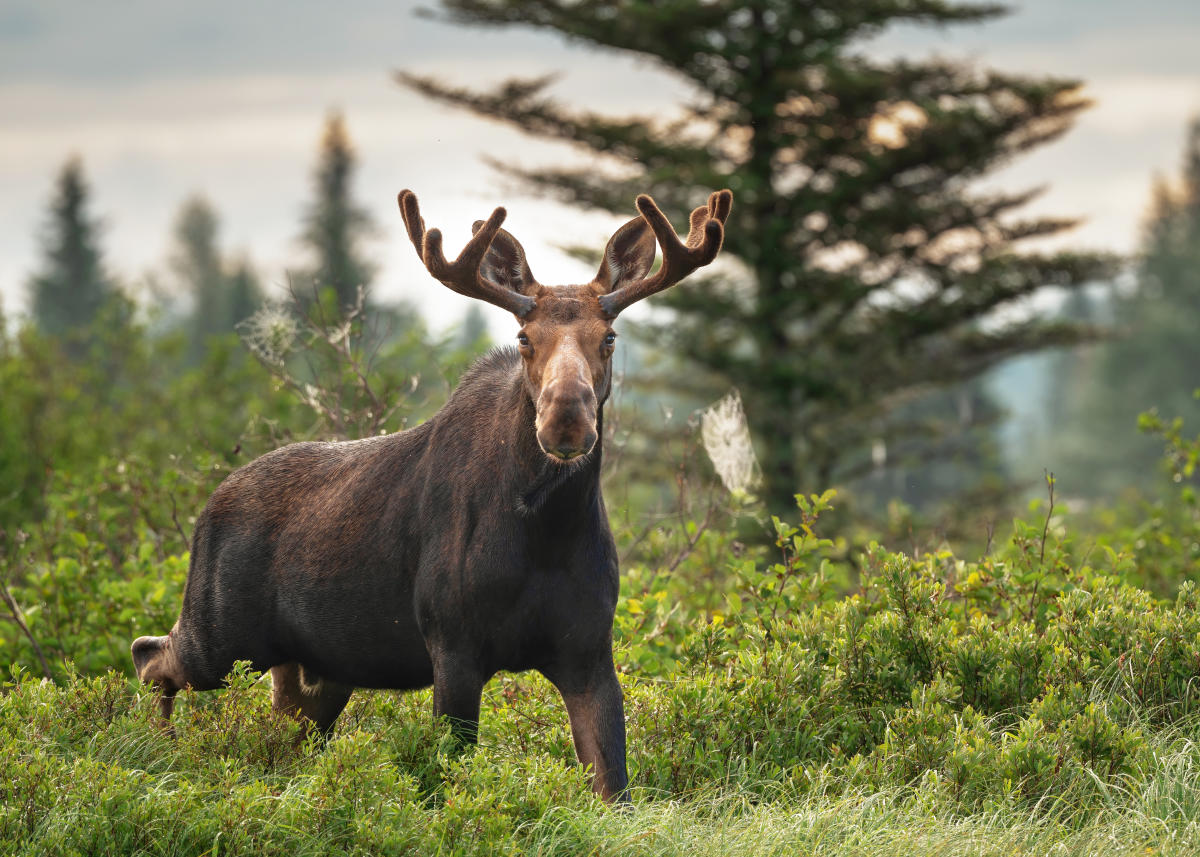
- Photography Expeditions: If you’re a keen photographer, dedicate specific time slots for moose photography. Early morning mist and the golden light of dusk are particularly magical for capturing these animals. Remember to use telephoto lenses and respect the animals’ space.
- Consider Local Tourism Offices and Visitor Centers: Maine’s local tourism offices and park visitor centers are excellent resources. They can often provide the most up-to-date information on recent moose sightings, recommended viewing spots, and current wildlife advisories.
By thoughtfully planning your accommodations and integrating moose watching into a broader exploration of Maine’s natural beauty, you can craft an unforgettable journey that celebrates the wild spirit of the Pine Tree State. The anticipation, the quiet patience, and the ultimate reward of witnessing a moose in its natural element are experiences that will stay with you long after you’ve departed Maine’s scenic shores.
LifeOutOfTheBox is a participant in the Amazon Services LLC Associates Program, an affiliate advertising program designed to provide a means for sites to earn advertising fees by advertising and linking to Amazon.com. Amazon, the Amazon logo, AmazonSupply, and the AmazonSupply logo are trademarks of Amazon.com, Inc. or its affiliates. As an Amazon Associate we earn affiliate commissions from qualifying purchases.