
For any traveler journeying to the scenic landscapes and vibrant cities of Colorado, understanding the local time is a foundational element of trip planning. From coordinating flights and booking accommodations to scheduling adventures in the mountains or exploring urban attractions, knowing the precise time and how it fluctuates with Daylight Saving Time is crucial for a seamless and enjoyable experience. Colorado, like most regions, adheres to a specific time zone, and being aware of its nuances can significantly enhance your visit.
Understanding Colorado’s Time Zone: Mountain Time
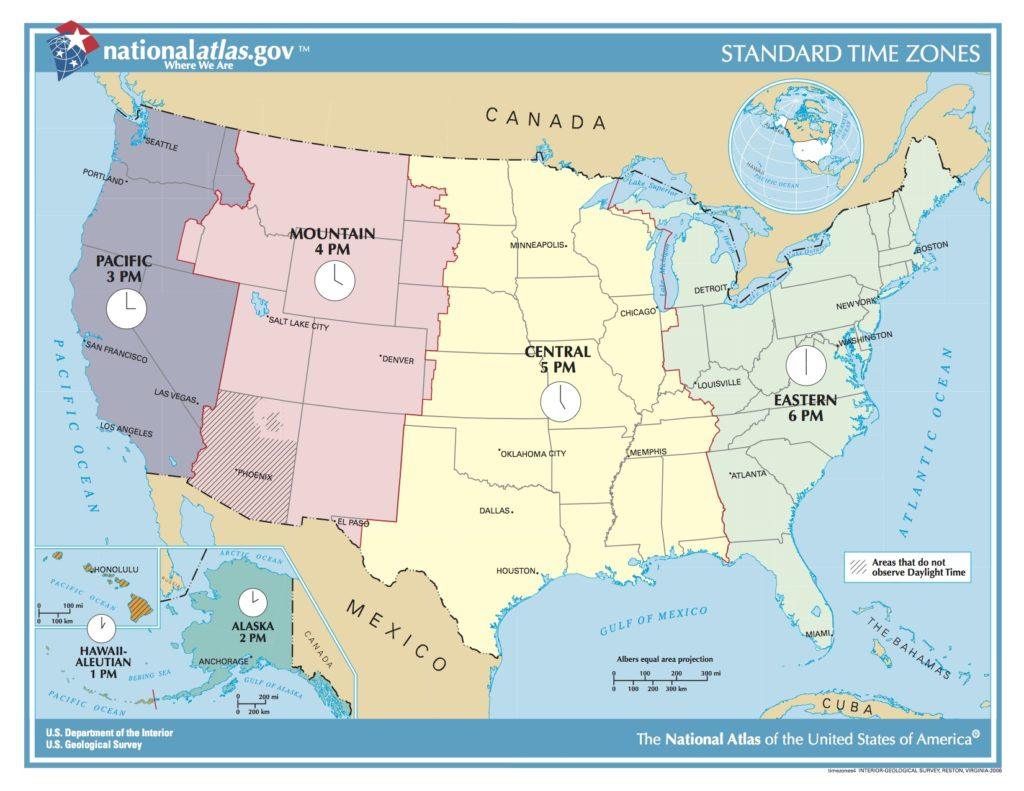
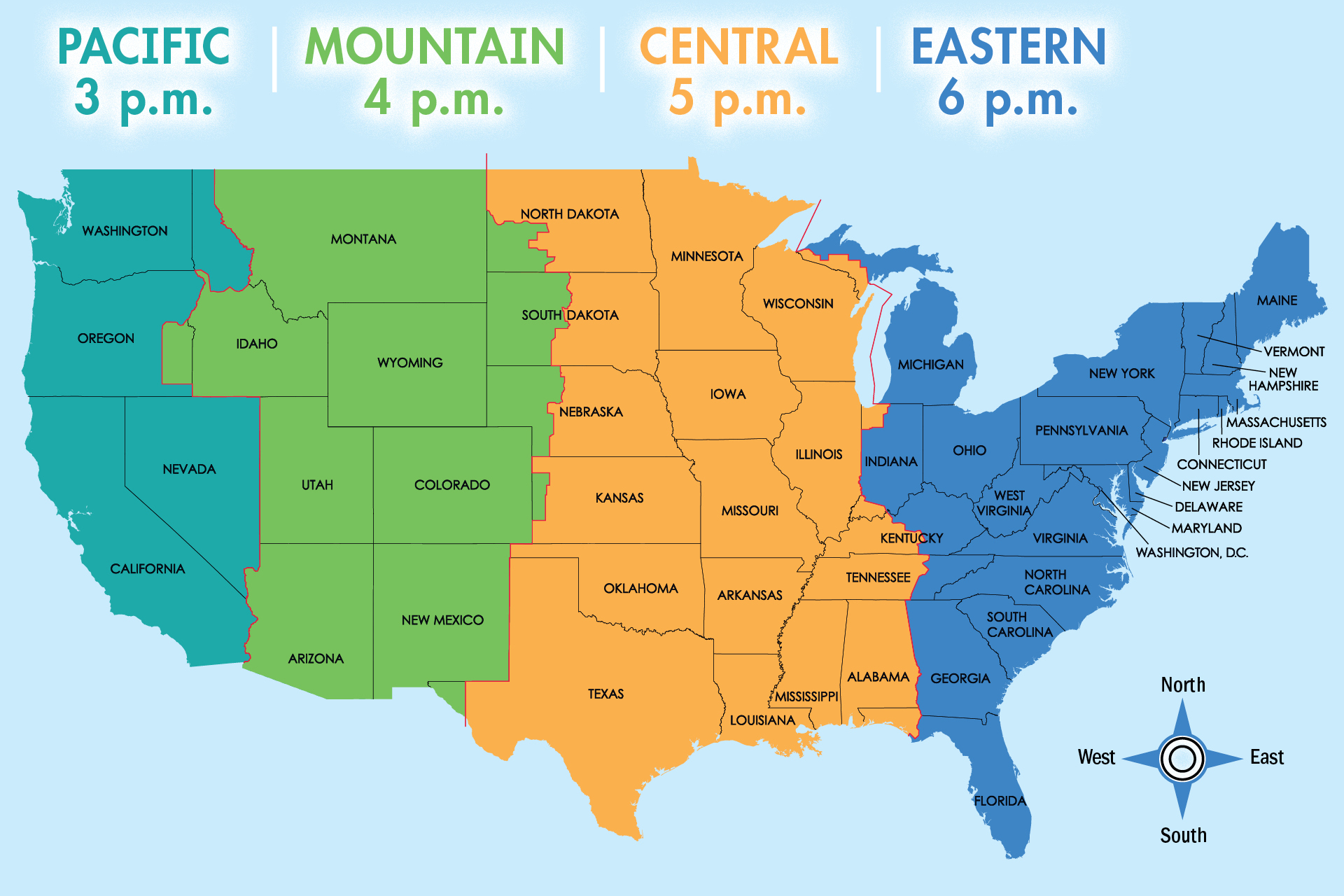
Colorado operates exclusively within the Mountain Time (MT) zone. This means that throughout the year, the entire state observes the same standard time, simplifying planning considerably for those traveling within its borders. Mountain Time is generally seven hours behind Coordinated Universal Time (UTC), expressed as UTC-7. This designation applies during standard time, typically from early November to mid-March.

When Daylight Saving Time is in effect, from mid-March to early November, Colorado shifts to Mountain Daylight Time (MDT). During this period, clocks are advanced by one hour, making the time six hours behind Coordinated Universal Time, or UTC-6. This adjustment means that evenings remain lighter for longer, perfectly aligning with the outdoor adventure ethos of Colorado, allowing for extended hikes, longer runs on ski slopes, and more time to enjoy sunset views over the Rocky Mountains.
Geographically, the Mountain Time zone covers a significant portion of the western United States and parts of Canada and Mexico. Within the United States, states such as Arizona (which largely does not observe Daylight Saving Time), New Mexico, Utah, Wyoming, Montana, and parts of Idaho also fall within this time zone. This broader context is particularly useful for travelers planning multi-state road trips, ensuring consistency in time across different legs of their journey.
Navigating Daylight Saving Time in Colorado
Daylight Saving Time is a regular occurrence in Colorado, and understanding its schedule is vital for travelers. The practice typically begins on the second Sunday in March when clocks “spring forward” one hour. They then “fall back” one hour on the first Sunday in November, returning to standard Mountain Time.
For travelers, these transitions warrant specific attention. If you are arriving in Colorado on or around the start of Daylight Saving Time in March, remember to adjust your clocks forward. This means you will “lose” an hour, which can impact sleep schedules and initial activity timings. Conversely, arriving in early November when clocks “fall back” means you gain an hour, potentially offering a slightly gentler adjustment period.
A common pitfall is forgetting to adjust personal devices or relying solely on manually set clocks. Most modern smartphones and connected devices automatically update their time based on network signals, but it’s always prudent to double-check upon arrival. Confirming the time on local digital displays, airport clocks, or hotel reception can prevent missed appointments or early arrivals to closed attractions. The extended daylight hours during MDT are a significant benefit for tourists, providing more natural light for outdoor activities well into the evening, whether you’re exploring Denver’s urban parks or hiking near Boulder.
Planning Your Colorado Itinerary: Time Zone Considerations
The impact of Colorado’s time zone extends to every aspect of your travel itinerary. Meticulous planning with time in mind can prevent logistical headaches and ensure a smooth, enjoyable trip.
Scheduling Flights and Travel
For travelers flying into Denver International Airport (DIA), understanding the time difference from your origin city is paramount. A flight from New York (on Eastern Time) will mean a two-hour time difference (three hours during Daylight Saving Time), while a flight from Los Angeles (on Pacific Time) will involve a one-hour difference. Always confirm your arrival and departure times in local Colorado time, especially when booking connecting flights or ground transportation. Factor in this time change when estimating travel duration and planning immediate activities upon arrival to avoid scheduling conflicts or feeling rushed.
Attraction Opening Hours
Many of Colorado’s premier attractions, from world-class ski resorts like Vail and Aspen to cultural institutions such as the Denver Art Museum and natural wonders like Rocky Mountain National Park, adhere strictly to local operating hours. These hours can vary seasonally, particularly for outdoor attractions, and will always be listed in Mountain Time or Mountain Daylight Time.
For example, if you plan an early morning hike in Rocky Mountain National Park, checking the park’s official website for sunrise times and entry requirements (like timed entry permits) is essential. Similarly, ski lifts at Breckenridge open promptly at a set time, and missing the initial hours could mean sacrificing valuable slope time. Always consult the specific attraction’s website or call ahead to verify hours of operation, especially on holidays or during off-peak seasons.
Dining and Nightlife
Meal times and evening entertainment in Colorado will naturally follow local schedules. Restaurants in bustling cities like Denver or Colorado Springs may close earlier than you’re accustomed to in larger metropolitan areas on the coasts. If arriving from an Eastern Time zone, your internal clock might prompt you for dinner at 5 PM Colorado time, when many establishments are just beginning their evening service. Conversely, coming from the Pacific Time zone, you might find yourself ready for dinner later than some kitchens are open. Researching restaurant hours and making reservations, particularly for popular spots, is always advisable.
Business and Communication
For business travelers or those needing to maintain communication with contacts in different time zones, knowing Colorado’s time is non-negotiable. Scheduling virtual meetings or phone calls requires careful consideration of time differences with Eastern Time (two-hour difference, three during DST), Central Time (one-hour difference, two during DST), and Pacific Time (one-hour difference). Utilize world clock functions on your phone or computer to easily convert times and avoid scheduling conflicts or waking colleagues prematurely.
Adjusting to the Time Difference: Tips for Travelers
Changing time zones can lead to jet lag, impacting your energy levels and enjoyment. Proactive strategies can help minimize these effects and ensure you quickly adapt to Colorado time.
Minimizing Jet Lag
- Gradual Adjustment: A few days before your trip, try to shift your sleep schedule by 30-60 minutes each day towards Colorado’s time zone.
- Hydration: Drink plenty of water before, during, and after your flight to combat dehydration, which can exacerbate jet lag symptoms.
- Sunlight Exposure: Upon arrival, expose yourself to natural light, especially in the morning. This helps reset your body’s circadian rhythm.
- Avoid Excessive Caffeine/Alcohol: While tempting, these can disrupt sleep patterns.
- Prioritize Sleep: Try to adhere to Colorado’s sleep schedule as quickly as possible. Take a short nap if necessary, but avoid long ones that could interfere with nighttime sleep.
Practical Tools
Modern technology offers numerous tools to help manage time differences. Your smartphone’s world clock feature is invaluable, allowing you to easily view the current time in your home city and Colorado simultaneously. Many travel apps also incorporate time zone converters. Before your trip, download a reliable weather app for Denver, Colorado Springs, or your specific destination, as these often display local time prominently.
Staying Connected
Inform family and friends about the time difference in Colorado so they know the best times to reach you. This prevents unwanted calls in the middle of the night or during your planned activities. Consider using messaging apps that allow for asynchronous communication, reducing the pressure to coordinate live calls across multiple time zones.
Regional Time Nuances within Colorado
One of the conveniences for travelers to Colorado is the uniformity of its time zone. Unlike some larger states or those bisected by time zone boundaries, the entire state of Colorado operates under Mountain Time (or Mountain Daylight Time during DST). This means whether you are skiing in Aspen, exploring Pikes Peak near Colorado Springs, hiking through Garden of the Gods, discovering ancient history at Mesa Verde National Park, or marveling at the Great Sand Dunes National Park and Preserve, you will not encounter any internal time changes within your journey across the state. This consistency greatly simplifies travel planning, ensuring that a schedule set for Denver will apply equally to the western slope or the high country, only requiring adjustment for the Daylight Saving Time shift if your visit spans that transition. This seamless timekeeping across Colorado allows travelers to focus more on the diverse experiences the state offers and less on intricate time zone calculations.
LifeOutOfTheBox is a participant in the Amazon Services LLC Associates Program, an affiliate advertising program designed to provide a means for sites to earn advertising fees by advertising and linking to Amazon.com. Amazon, the Amazon logo, AmazonSupply, and the AmazonSupply logo are trademarks of Amazon.com, Inc. or its affiliates. As an Amazon Associate we earn affiliate commissions from qualifying purchases.