
Planning a trip to the vibrant city of Las Vegas involves more than just booking flights and hotels; it demands a keen awareness of time. Often dubbed the “Entertainment Capital of the World,” Las Vegas operates on a unique rhythm, one that never truly sleeps. For travelers arriving from different corners of the globe or even across the United States, understanding the local time is not merely a matter of curiosity but a crucial component of seamless travel, effective planning, and maximizing every moment of their unforgettable experience. This comprehensive guide will not only clarify the current time in Las Vegas but delve into how this seemingly simple detail impacts every facet of your journey, from managing jet lag and coordinating activities to making the most of the city’s round-the-clock offerings.
Understanding Las Vegas Time: Pacific Daylight Time (PDT) / Pacific Standard Time (PST)
Las Vegas, Nevada, observes the Pacific Time Zone (PT). Like many regions in the United States and other countries, it adheres to Daylight Saving Time (DST), which means the official time designation shifts throughout the year.
From early March to early November, Las Vegas operates on Pacific Daylight Time (PDT). During this period, the time is UTC-7, meaning it is seven hours behind Coordinated Universal Time. When Daylight Saving Time ends, typically in early November, clocks are turned back one hour, and Las Vegas switches to Pacific Standard Time (PST), which is UTC-8. This transition is essential for travelers to note, as it can affect scheduled events, flights, and communications during these specific weeks.
Comparing the Pacific Time Zone to other major US time zones reveals significant differences:
- Three hours behind Eastern Time (ET): If it’s 3:00 PM in New York City or Miami, it’s 12:00 PM in Las Vegas.
- Two hours behind Central Time (CT): When it’s 2:00 PM in Chicago or Dallas, it’s 12:00 PM in Las Vegas.
- One hour behind Mountain Time (MT): If it’s 1:00 PM in Denver or Phoenix (though Arizona does not observe DST in most areas, adding another layer of complexity), it’s 12:00 PM in Las Vegas.
For international travelers, the difference is even more pronounced. For example, London is typically eight hours ahead of Las Vegas during PDT, while Tokyo is sixteen hours ahead. These vast time discrepancies underscore why understanding Las Vegas’s current time is paramount for smooth coordination, whether for connecting flights, business calls, or simply telling family back home when to expect an update.

Beyond the Clock: How Time Impacts Your Las Vegas Experience
The local time in Las Vegas is far more than just a number on a clock; it’s a dynamic factor that influences nearly every aspect of your visit, from initial planning to daily activities and overall well-being.
Travel Planning and Connectivity
The first encounter with Las Vegas time typically occurs during the travel phase. Flights are always scheduled in local time, meaning your arrival time in Las Vegas will be based on PDT or PST, regardless of your departure time zone. This requires careful attention when booking connecting flights or arranging ground transportation, especially if you’re crossing multiple time zones. Miscalculating this can lead to missed connections or unexpected waits at Harry Reid International Airport.
Furthermore, coordinating with individuals outside of Las Vegas becomes a strategic exercise. Business travelers must align meeting schedules with colleagues in different time zones, often necessitating early morning or late-night calls. For leisure travelers, keeping in touch with family and friends means being mindful of their local time to avoid inconvenient calls.
Perhaps the most significant impact on travelers is jet lag. Crossing multiple time zones can disrupt your circadian rhythm, leading to fatigue, irritability, difficulty sleeping, and digestive issues. Travelers arriving from the east coast of the United States or international destinations are particularly susceptible. To combat jet lag, experts recommend:
- Gradually adjusting your sleep schedule a few days before departure.
- Staying hydrated and avoiding excessive caffeine and alcohol during travel.
- Exposing yourself to natural light upon arrival in Las Vegas to help reset your internal clock.
- Trying to acclimate to the local meal times as quickly as possible.
- Prioritizing rest on your first day, even if it means a shorter initial exploration.
Booking shows, restaurant reservations, spa treatments, or tours also requires adherence to Las Vegas time. A show starting at 7:00 PM PDT might feel like 10:00 PM ET to an east-coast visitor, making early planning crucial to ensure you’re rested and ready to enjoy the evening’s entertainment.
Las Vegas Operating Hours and Events
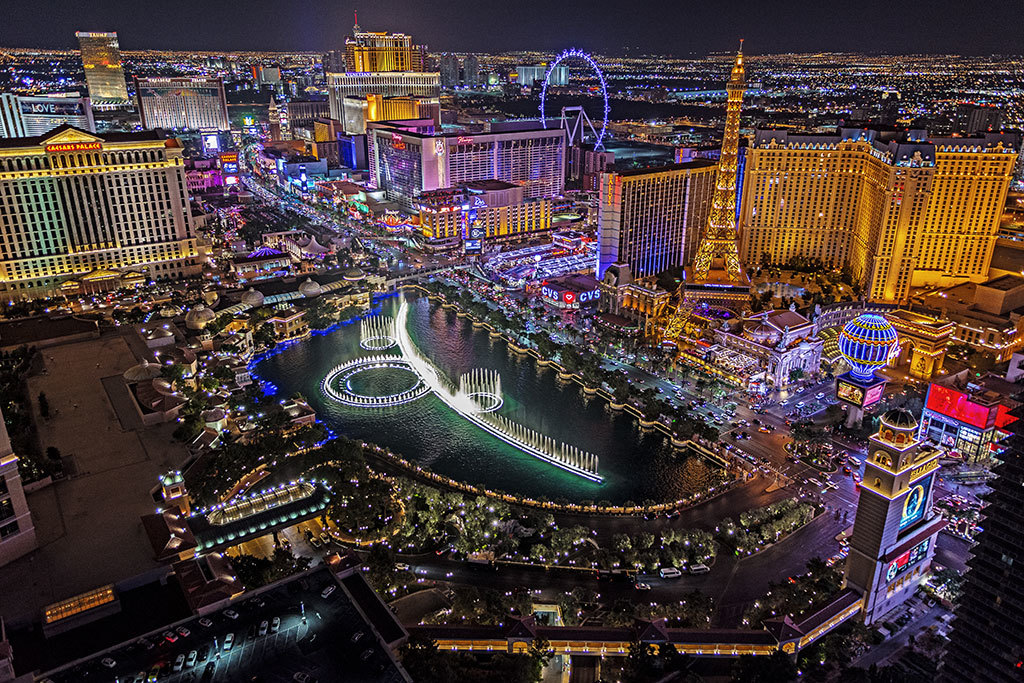
Las Vegas is famous for its 24/7 culture. Casinos never close, and many restaurants, especially within major resorts like Caesars Palace, The Venetian Resort Las Vegas, or MGM Grand, offer late-night or all-day dining options. This continuous operation allows for unparalleled flexibility, enabling visitors to gamble, dine, and be entertained at almost any hour.
However, not everything in Las Vegas runs around the clock. Specific attractions and experiences have set operating hours:
- Shows and Performances: The renowned Cirque du Soleil productions, magic acts, and musical residencies typically have evening showtimes, with some matinee options.
- Attractions: Landmarks like the High Roller observation wheel, the Eiffel Tower Viewing Deck at Paris Las Vegas, or The Mob Museum operate from morning until late evening, but generally not 24 hours.
- Pools and Spas: While resorts boast incredible pool complexes, these usually open in the morning and close in the early evening. Spa services are also typically available during standard business hours.
- Retail Stores: Shops along the Las Vegas Strip and in various resort promenades usually open mid-morning and close late at night, but they are not 24/7.

Understanding these specific operating times is vital for itinerary planning. You wouldn’t want to arrive at the Bellagio Fountains expecting a daytime show only to find the schedule is different for daylight hours versus evenings, or miss the hourly display at the Fremont Street Experience because you misjudged the time.
Special events, conventions, and concerts also follow strict schedules. Major events at venues like the Allegiant Stadium or the T-Mobile Arena adhere to local time, and arriving late could mean missing critical parts of the experience.
Maximizing Your Las Vegas Lifestyle
The constant hum of activity in Las Vegas offers a unique lifestyle that travelers can embrace, provided they manage their time effectively. The city encourages a balance between daytime explorations and vibrant nightlife.
Daytime activities often involve:
- Exploring the themed resorts like Luxor Hotel and Casino or Excalibur Hotel & Casino.
- Visiting natural landmarks such as Red Rock Canyon for hiking, or taking a day trip to the impressive Hoover Dam or even the majestic Grand Canyon. These excursions require early starts to make the most of the daylight hours and avoid the intense desert heat, especially in summer.
- Relaxing by a resort pool.
- Shopping at luxury boutiques or outlet malls.
As the sun sets, Las Vegas transforms into a glittering spectacle, and nightlife activities take center stage:
- World-class dining experiences.
- Award-winning shows and concerts.
- Nightclubs and bars that buzz until the early hours.
- Gambling in the sprawling casinos.
Managing your time well allows you to seamlessly transition between these distinct experiences. For instance, an afternoon at a pool club could lead directly into a pre-dinner cocktail, followed by a show, and then a late-night casino visit. For those on a budget travel plan, being strategic with time can mean taking advantage of happy hour deals or free attractions like the Bellagio Fountains show. For luxury travel enthusiasts, time optimization means fitting in exclusive experiences, from private cabanas to Michelin-starred dining, without feeling rushed.
Accommodation and Bookings: Timing is Everything
When it comes to your stay in Las Vegas, the local time zone directly impacts your accommodation experience. From check-in procedures to maximizing amenities, understanding the clock is paramount.
Standard check-in times at most Las Vegas hotels, whether it’s a sprawling resort like Resorts World Las Vegas or a boutique property, are typically in the afternoon, often between 3:00 PM and 4:00 PM PDT/PST. Check-out times are usually in the late morning, around 11:00 AM or 12:00 PM. If your flight arrives early in the morning, you might face a few hours before your room is ready. While hotels often offer luggage storage, this wait can be inconvenient, especially after a long journey and potential jet lag. Similarly, a late departure flight can leave you with hours to spare after checking out.
Many hotels offer early check-in or late check-out options, though these often come with an additional fee and are subject to availability. It’s always advisable to contact your hotel, such as The Palazzo at The Venetian Resort or Aria Resort & Casino, in advance to inquire about these possibilities if your travel schedule necessitates them. For guests who have booked longer stays, aligning these times with arrival and departure is critical to avoid unnecessary stress.
Booking flights and hotels also has a subtle timing component. While not directly related to Las Vegas time, research often suggests that booking flights on certain days of the week or at specific times (often Tuesday afternoons in the originating time zone) can yield better deals. Being aware of time zone differences can help you synchronize your booking efforts to potentially secure optimal prices for both flights and Las Vegas accommodation.
Furthermore, communication with your hotel regarding special requests, room service, or concierge services will always adhere to the local Las Vegas time. This ensures that your preferences are met promptly and efficiently, enhancing your overall stay, whether you’re seeking a specific amenity at Wynn Las Vegas or Encore at Wynn Las Vegas or making arrangements for a family trip at a family-friendly resort.
Time and Las Vegas Landmarks & Attractions
Las Vegas’s iconic landmarks and attractions each have their optimal visiting times, heavily influenced by crowds, lighting, and specific schedules. Strategic timing can significantly enhance your experience.
For popular spots like the Fremont Street Experience downtown, the famous light shows occur hourly after dark. Arriving just before sunset allows you to experience the transition from day to night and secure a good viewing spot without excessive waiting. Similarly, watching the Bellagio Fountains show is magical at night when the lights illuminate the dancing water, but it’s also beautiful during the day. Checking the specific schedule, which changes slightly between day and evening, is crucial.
Architectural marvels and viewing decks, such as the Eiffel Tower Viewing Deck at Paris Las Vegas or the High Roller, offer spectacular panoramic views. Visiting around sunset provides a breathtaking transition from daylight vistas to the glittering lights of the Las Vegas Strip. However, this is also peak time, so expect longer lines. For fewer crowds, consider a daytime visit or a late-night ascent.
For those venturing beyond the Strip, day trips to natural wonders require careful time management. A trip to Red Rock Canyon, just a short drive from Las Vegas, is best enjoyed in the cooler morning hours for hiking, especially during warmer seasons. A journey to the Hoover Dam or further afield to the Grand Canyon or Death Valley necessitates an early start to allow ample travel time, exploration, and return before dark. Bear in mind that some of these destinations might also have slightly different operating hours or even local time observations (e.g., Grand Canyon South Rim is in Arizona, which largely doesn’t observe DST).
Other cultural attractions like The Mob Museum or the Neon Museum are best visited during their designated operating hours. Booking tickets in advance for specific time slots can save valuable time and prevent disappointment, especially during peak tourist seasons. For a glimpse into Las Vegas’s history, a visit to Golden Gate Hotel & Casino downtown, one of the city’s oldest establishments, can be woven into a Fremont Street itinerary.
Practical Tips for Managing Time in the Entertainment Capital
Navigating the bustling energy of Las Vegas requires more than just a watch; it demands a strategic approach to time management to ensure a fulfilling and stress-free trip.
- Set All Devices to Local Time Immediately: Upon arrival at Harry Reid International Airport, or even before landing, switch all your phones, smartwatches, and other electronic devices to Pacific Time Zone. This simple step prevents confusion with appointments, wake-up calls, and coordinating with fellow travelers.
- Stay Hydrated and Prioritize Sleep: The dry desert climate combined with the excitement of Las Vegas can quickly lead to dehydration and exhaustion, especially when battling jet lag. Drink plenty of water, limit excessive alcohol consumption, and try to get a reasonable amount of sleep each night. Even in a city that never sleeps, your body needs rest to fully enjoy the experience.
- Use a Detailed Itinerary, But Be Flexible: While it’s great to have a plan for shows, dinners, and attractions, Las Vegas often throws delightful surprises your way. Build some buffer time into your schedule to accommodate spontaneous decisions, unexpected delays (like long queues or heavy traffic on the Las Vegas Strip), or simply to relax and recharge. Over-scheduling can lead to burnout.
- Leverage Hotel Apps and Concierge Services: Many major Las Vegas resorts, such as The Cosmopolitan of Las Vegas or Bellagio, offer dedicated mobile apps that provide real-time information on showtimes, restaurant availability, and even digital check-in/check-out. The concierge desk is also an invaluable resource for booking last-minute reservations, confirming opening hours, or getting insider tips on the best times to visit certain spots, ensuring your tourism experience is optimized.
- Consider Off-Peak Hours for Popular Attractions: If you’re keen to avoid crowds at the High Roller, Eiffel Tower Viewing Deck, or even a popular restaurant, try visiting during off-peak times. This might mean an earlier dinner or a mid-morning attraction visit, allowing for a more relaxed experience. Even destinations slightly outside the main tourist areas, such as Valley of Fire State Park, can be more enjoyable with smart timing.
- Account for Travel Time Between Locations: The Las Vegas Strip is longer than it appears, and navigating it can take time, whether by walking, taxi, ride-share, or the Las Vegas Monorail. Factor in travel time when moving between resorts or from the Strip to downtown to avoid missing reservations or show starts.
In conclusion, knowing the time in Las Vegas – currently Pacific Daylight Time (PDT) during the summer months, transitioning to Pacific Standard Time (PST) in the fall – is the foundation for a well-orchestrated trip. From managing jet lag and booking seamless accommodation to exploring iconic landmarks and immersing yourself in the unique lifestyle of the city, every moment is influenced by the clock. By understanding and strategically utilizing Las Vegas time, you can transform a good trip into an extraordinary travel adventure, ensuring you savor every second in this exhilarating destination.
LifeOutOfTheBox is a participant in the Amazon Services LLC Associates Program, an affiliate advertising program designed to provide a means for sites to earn advertising fees by advertising and linking to Amazon.com. Amazon, the Amazon logo, AmazonSupply, and the AmazonSupply logo are trademarks of Amazon.com, Inc. or its affiliates. As an Amazon Associate we earn affiliate commissions from qualifying purchases.