
When planning a trip to the vast and beautiful landscapes of South Dakota, understanding the local time is more crucial than one might initially think. This magnificent state, known as the “Mount Rushmore State,” offers an incredible array of attractions, from iconic historical monuments to breathtaking natural wonders and vibrant urban centers. However, its geographical span means that South Dakota actually observes two different time zones: the Central Time Zone (CT) and the Mountain Time Zone (MT). This unique characteristic can significantly impact everything from travel itineraries and accommodation bookings to dining plans and exploring famous landmarks. For any traveler, whether embarking on a luxury travel escape or a budget travel adventure, grasping the intricacies of South Dakota’s time zones is the first step toward a seamless and memorable experience.
The state’s diverse geography, stretching from the rolling prairies in the east to the majestic Black Hills in the west, necessitates this dual-time zone system. The majority of the state, including its largest city, Sioux Falls, operates on Central Time. This means it is typically one hour ahead of the Mountain Time Zone, which encompasses the western counties. For visitors, especially those traversing the state from east to west or vice-versa, being aware of these shifts is paramount to avoiding missed appointments, late check-ins, or misjudging travel times between attractions. Beyond the simple numerical difference, understanding how this impacts tourism, local culture, and daily life allows for a deeper appreciation and a more organized trip.
Understanding South Dakota’s Time Zones
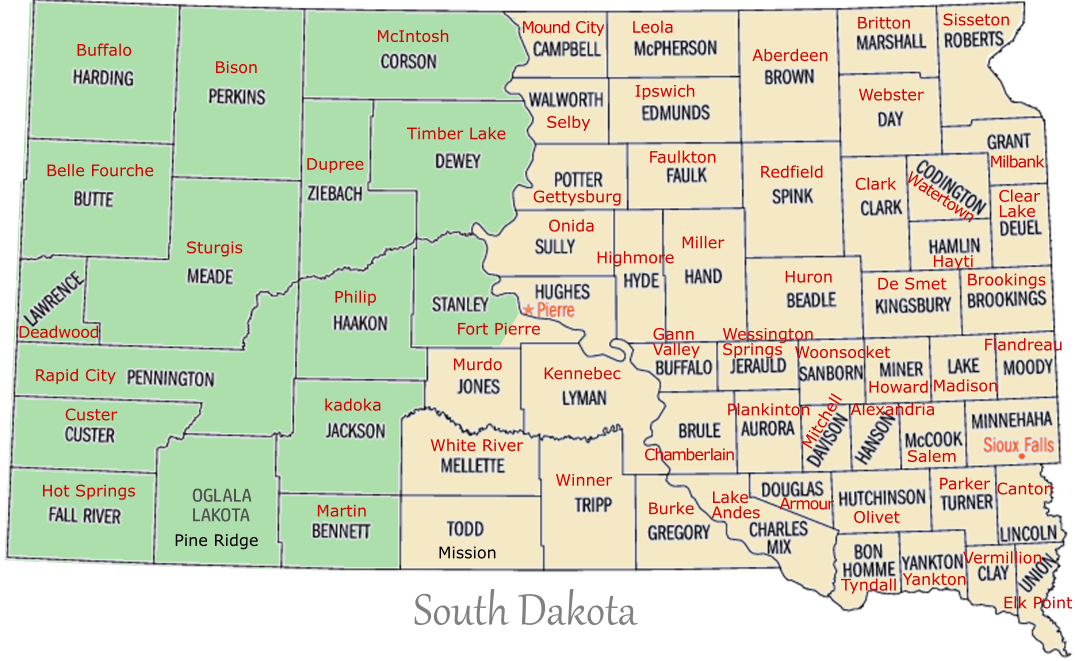
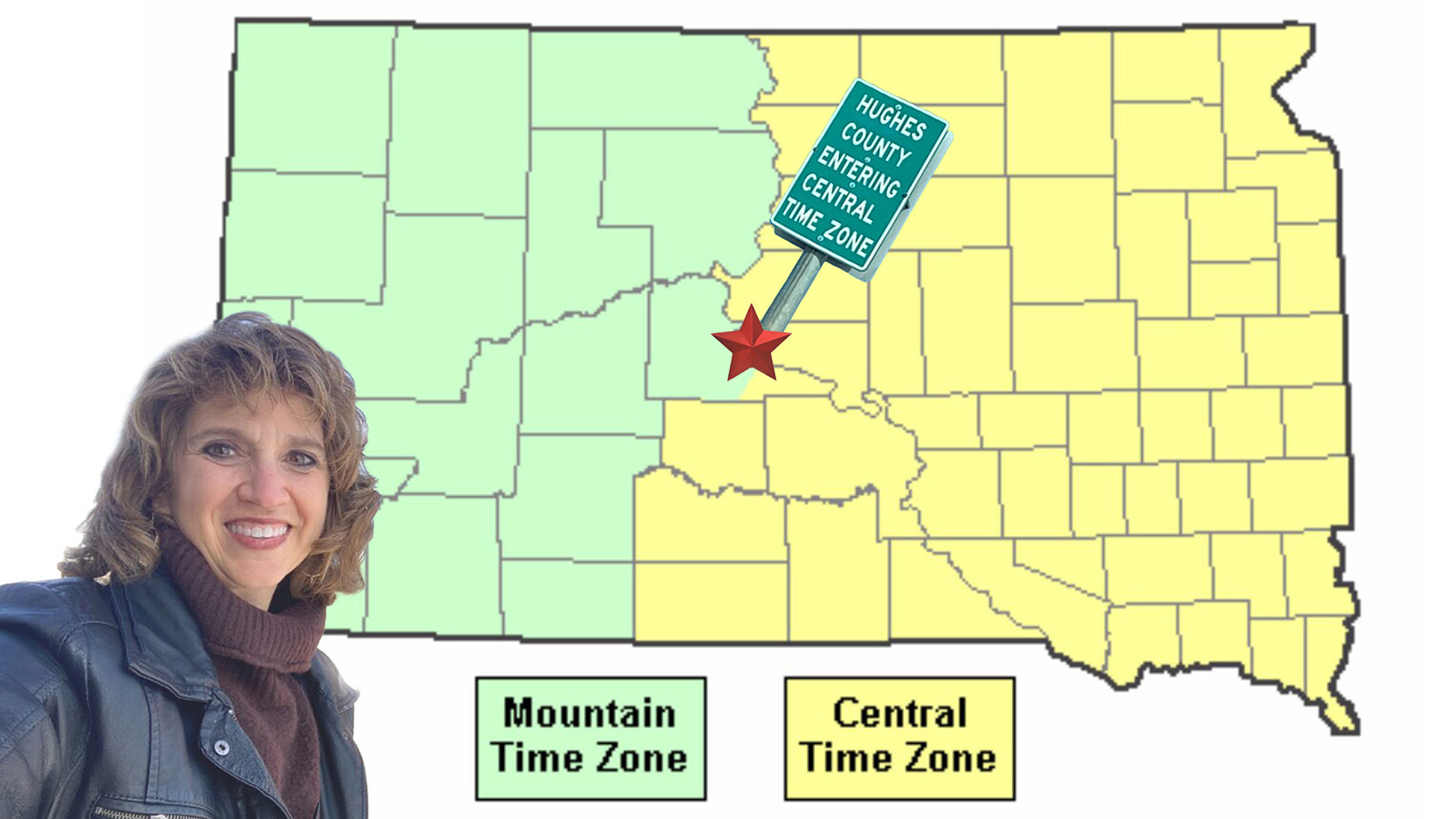
To truly answer the question, “What is the time in South Dakota?”, one must specify the location within the state. The dividing line between the Central Time Zone and the Mountain Time Zone generally runs along the Missouri River, though it does diverge in certain areas, particularly in the south-central part of the state.
Central Time Zone (CT): This zone covers the eastern two-thirds of South Dakota. Cities and counties operating under CT include:
- Sioux Falls
- Pierre (the state capital)
- Aberdeen
- Watertown
- Mitchell
- Huron
- Generally, all counties east of the Missouri River, and some counties immediately west of the river in the south-central part of the state (e.g., Gregory, Lyman, Tripp, Todd, Mellette, Jackson, Bennett).
Mountain Time Zone (MT): This zone encompasses the western third of South Dakota, primarily the Black Hills region. Key cities and areas in MT include:
- Rapid City
- Sturgis
- Deadwood
- Spearfish
- Custer
- Wall
- The counties of Fall River, Custer, Pennington, Meade, Lawrence, Butte, Harding, Perkins, Corson, Ziebach, Dewey, and parts of Stanley, Haakon, Jackson, and Bennett counties.
Both time zones observe Daylight Saving Time (DST), meaning clocks “spring forward” one hour in the spring and “fall back” one hour in the autumn. This consistent application of DST across both zones ensures that the one-hour difference between CT and MT is maintained throughout the year. However, it’s always wise to double-check local times, especially if your visit coincides with the start or end of Daylight Saving Time. For example, if it’s 3:00 PM CT in Sioux Falls, it will be 2:00 PM MT in Rapid City. This difference might seem minor, but it has significant implications for travel planning.
Navigating Travel and Tourism Across South Dakota’s Time Zones
The dual-time zone system in South Dakota demands careful consideration from travelers. From the moment you begin planning your trip, the time difference can influence your decisions and experiences.
Planning Your Itinerary with Time in Mind
When crafting your South Dakota itinerary, especially if you plan to explore both the eastern and western parts of the state, anticipating the time change is key. Flight arrivals into Sioux Falls Regional Airport (FSD) or Rapid City Regional Airport (RAP) will be scheduled according to their respective local times. If you fly into Sioux Falls and then drive to the Black Hills, remember you will “gain” an hour upon crossing into the Mountain Time Zone. Conversely, driving east will mean “losing” an hour.
This impacts everything from hotel check-in times to dinner reservations and scheduled tours. A 7:00 PM dinner reservation in Deadwood (MT) would be 8:00 PM for someone arriving from Pierre (CT) who hasn’t adjusted their clock. Missing a tour departure for Badlands National Park or a historical reenactment in Deadwood because of a time zone miscalculation can be a frustrating experience that is easily avoidable with a little foresight. Always confirm appointment times and operating hours with the local business or attraction, making sure to clarify the time zone they observe.
Impact on Daily Activities and Experiences
The rhythm of daily life and tourist activities can also be subtly influenced by the time zones. Early morning excursions, such as sunrise photography in Badlands National Park or wildlife viewing in Custer State Park, might feel an hour earlier or later depending on where you started your day. Similarly, evening entertainment, whether it’s a concert in Sioux Falls or gaming in Deadwood, will follow the local clock.
For travelers arriving from distant time zones, especially those accustomed to significantly different schedules, a minor “jet lag” can occur even within the state. If you are flying in from the East Coast, for example, your internal clock might be three hours ahead of Mountain Time, requiring an adjustment period to fully enjoy and participate in local activities. Embrace the local pace, perhaps scheduling lighter activities for your first day to allow your body to acclimate.
Planning Your Stay: Accommodation and Activities
The intricacies of South Dakota’s time zones extend to how you book your accommodation and engage with local tourism activities. Careful planning ensures a stress-free and enjoyable stay.
Booking Your Accommodation
When searching for hotels, resorts, apartments, or villas in South Dakota, pay close attention to the time zone of your chosen location. Check-in and check-out times are always listed in the local time. For instance, a 3:00 PM check-in at a hotel in Rapid City will be an hour earlier than a 3:00 PM check-in at a hotel in Sioux Falls, relative to your point of origin if you are crossing time zones.
Many online booking platforms automatically adjust times based on your current location, which can sometimes lead to confusion. Always verify the time zone explicitly stated on your booking confirmation for any specific property, whether it’s a boutique hotel in Deadwood or a family-friendly suite near Mount Rushmore. If you plan a long-term stay, establishing a clear understanding of the local time zone from the outset will save you hassle. Reviews often mention logistical tips, so browsing accommodation reviews can provide valuable insights from previous travelers.
Local Culture, Food, and Activities
South Dakota’s local culture, including its culinary scene and various activities, operates strictly on local time. Mealtimes, opening hours for local shops, museums, and historical sites, as well as scheduled events like rodeos or outdoor concerts, will all adhere to the time zone of their specific location. For example, if you’re enjoying the vibrant food scene in Sioux Falls (CT), restaurant closing times will be an hour later than similar establishments in Rapid City (MT) if you’re comparing them by a universal clock.
Engaging with local culture means adapting to its rhythm. If you’ve booked a guided tour of a cave system in the Black Hills or a fishing trip on the Missouri River, punctuality is key, and that means adhering to the local time zone. When exploring local food, be mindful that kitchens in Mountain Time areas may close earlier than those in Central Time if you’re mentally converting back to your originating time zone. These considerations are vital for seamless integration into the local scene and maximizing your experiences, whether you’re seeking adventure activities or serene historical explorations.
Iconic Landmarks and Experiences in the Rushmore State
South Dakota is home to some of America’s most recognizable landmarks and attractions, each offering unique experiences. Understanding their respective time zones will ensure you arrive on schedule and make the most of your visit.
Western South Dakota (Mountain Time Zone)
The majority of South Dakota’s most famous tourist destinations are concentrated in the western part of the state, firmly within the Mountain Time Zone.
- Mount Rushmore National Memorial: This iconic monument featuring the carved faces of four U.S. presidents is a must-see. The visitor center and evening lighting ceremony all operate on MT.
- Crazy Horse Memorial: Located nearby, this colossal mountain carving project also adheres to MT. Visitors should plan their arrival for the laser light show, which is a spectacular end to the day.
- Custer State Park: Famous for its wildlife loop, scenic drives, and hiking trails, all park activities and ranger programs will follow MT.
- Badlands National Park: With its dramatic landscape of eroded buttes and pinnacles, the park’s visitor centers and programs are on MT. This is where early morning sunrises and late evening sunsets are particularly captivating, so timing your visit is crucial.
- Wind Cave National Park: One of the longest and most complex caves in the world, its guided tours are strictly scheduled in MT.
- Wall Drug Store: A quintessential roadside attraction, its hours of operation are always in MT, serving weary travelers heading to or from the Black Hills.
- Minuteman Missile National Historic Site: Preserving a remnant of the Cold War, this site also operates on MT, offering fascinating tours of a nuclear missile silo.
- Deadwood: This historic gold rush town, with its casinos, saloons, and historical reenactments, thrives on MT. Be sure to check showtimes and tour schedules for accuracy.
Traveling between these western South Dakota landmarks will typically keep you within the Mountain Time Zone, simplifying your time management. However, if your journey originates from Sioux Falls or Pierre, remember the one-hour shift when you cross the time zone boundary.
Eastern South Dakota (Central Time Zone)
While the west draws much of the attention, eastern South Dakota also boasts attractions that operate on Central Time.
- Falls Park in Sioux Falls: The centerpiece of South Dakota’s largest city, Falls Park is a beautiful urban oasis that operates under CT.
- Good Earth State Park at Blood Run: Near Sioux Falls, this significant cultural and historical site also follows CT.
- Corn Palace in Mitchell: A truly unique landmark, adorned with murals made of corn and other grains, its operating hours are on CT.
- World’s Largest Pheasant in Huron: A quirky roadside attraction, this gigantic bird sculpture can be visited any time, but nearby shops and eateries will be on CT.
When planning to visit both eastern and western attractions, calculate your travel time across the state, adding or subtracting that crucial hour to ensure you arrive at your destination in the correct local time.
Making the Most of Your South Dakota Adventure
A trip to South Dakota promises incredible memories, whether you’re seeking the thrills of adventure travel, the serenity of nature, or a deep dive into American history. Managing the time zones effectively is a small but significant detail that can enhance your entire experience.
Essential Travel Tips for Time Management
- Always Confirm Local Time: When booking tours, making reservations, or planning visits to attractions, explicitly confirm the time zone for the scheduled event. Don’t assume.
- Adjust Your Devices: Set your smartphone, GPS, and other time-keeping devices to automatically update for time zones. However, always have a mental note of where the time zone boundary lies.
- Use a Physical Map/App: A good map or a GPS app that clearly shows time zone boundaries can be invaluable when driving across the state.
- Buffer Travel Time: When driving from a CT zone to an MT zone (or vice-versa), factor in the hour difference in addition to actual driving time. This prevents rushing or being late.
- Listen to Local Advice: Hotel staff, tour guides, and locals are excellent resources. They can provide real-time advice on navigating schedules.
Lifestyle Considerations and Smooth Journeys
Whether your trip is a family trip with young children, a demanding business stay, or a relaxed solo exploration, understanding the time zones influences your daily lifestyle choices. For family trips, coordinating meal times and bedtimes across time zone shifts is crucial to maintaining a child’s routine. Business travelers need to be particularly meticulous when scheduling virtual meetings or calls with colleagues in different time zones. Even for leisurely travelers, missing a sunset viewing because of a time miscalculation can be disappointing.
Embrace flexibility and the spirit of exploration. South Dakota’s charm lies in its vastness and varied offerings. By being mindful of its dual-time zone system, you ensure that every moment, from the first light hitting the Badlands to the evening glow illuminating Mount Rushmore, is enjoyed to its fullest. With careful planning and a little awareness, your South Dakota adventure will be perfectly timed, allowing you to immerse yourself fully in its natural beauty, rich history, and welcoming culture.
LifeOutOfTheBox is a participant in the Amazon Services LLC Associates Program, an affiliate advertising program designed to provide a means for sites to earn advertising fees by advertising and linking to Amazon.com. Amazon, the Amazon logo, AmazonSupply, and the AmazonSupply logo are trademarks of Amazon.com, Inc. or its affiliates. As an Amazon Associate we earn affiliate commissions from qualifying purchases.