
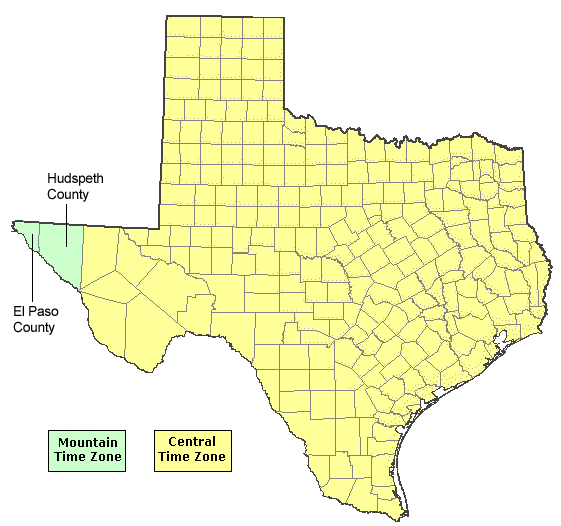
For anyone planning a trip, coordinating a business call, or simply curious about the vast and vibrant Texas landscape, understanding its current time is more than just a fleeting thought—it’s the first step in unlocking a world of possibilities. Texas, the second-largest state in the United States, spans an immense geographical area, leading to a unique situation where it observes two distinct time zones. Most of the state proudly operates on Central Time Zone (CT), which is UTC-6 during standard time and UTC-5 during Daylight Saving Time. However, a significant portion of far west Texas, including the city of El Paso and parts of Hudspeth County and Culberson County, adheres to the Mountain Time Zone (MT), which is UTC-7 during standard time and UTC-6 during Daylight Saving Time.
This intriguing temporal division serves as an excellent metaphor for the state itself: a place of incredible diversity, where cultures, landscapes, and experiences converge to create something truly unique. Knowing the precise time in Texas isn’t merely about setting your watch; it’s about setting the stage for an unforgettable journey, whether you’re envisioning a bustling city escape, a serene natural retreat, a deep dive into rich history, or a taste of unparalleled culinary delights. From planning your flight arrival into Dallas or Houston to scheduling a trek through Big Bend National Park in the west, or a business meeting with partners in Austin, the time factor is an invisible thread weaving through every aspect of travel and interaction.
Navigating Texas Time Zones: More Than Just Numbers
The sheer size of Texas dictates its adherence to two time zones, a detail that is critical for both residents and visitors alike. Understanding this geographical and temporal split is fundamental to seamless travel and communication within the Lone Star State.
Central Time vs. Mountain Time: A State Divided
The vast majority of Texas falls within the Central Time Zone. This includes all the major metropolitan areas and popular tourist destinations that draw millions of visitors annually. Cities like Houston, Dallas, Fort Worth, Austin, and San Antonio all observe Central Time. This means that for most travel plans within the state, especially those focusing on the vibrant eastern and central regions, you’ll be operating on the same clock as destinations like Chicago or New Orleans.
However, as you journey westward, the landscape dramatically transforms, and so does the time. The westernmost sliver of Texas, bordering New Mexico and Mexico, observes Mountain Time Zone. The largest city in this region, El Paso, operates on Mountain Time, setting its clocks one hour behind Central Time. This area also includes the remote and breathtaking Big Bend National Park, a bucket-list destination for adventurers and nature enthusiasts. For those planning an epic road trip across the state, particularly one that includes both metropolitan hubs and the rugged beauty of West Texas, remembering this time zone shift is paramount.
Why Time Zones Matter for Travelers and Business
Beyond mere geographical curiosity, the distinction between Central and Mountain Time in Texas has practical implications for a wide range of activities.
For travelers, knowing the correct time zone is crucial for:
- Flight Schedules: Miscalculating the time difference could lead to missed connections, early arrivals, or late departures, especially when traveling to or from El Paso.
- Accommodation Check-ins/Check-outs: Hotels strictly adhere to local time, and arriving at a different “local” time than you expected can complicate things.
- Tour and Activity Bookings: Whether it’s a guided tour of the Alamo in San Antonio or a scenic drive through Big Bend, all scheduled events will run on the local time of their location.
- Restaurant Reservations: Showing up an hour late for a dinner reservation due to a time zone miscalculation is a common, yet avoidable, mishap.
- Communication with Loved Ones: Keeping family and friends updated on your itinerary is much easier when everyone is aware of the time differences.

For business travelers and remote workers, the time zones carry even greater weight:
- Meeting Schedules: A conference call between Dallas and El Paso requires careful scheduling to ensure all participants are present at the correct local time.
- Logistics and Deliveries: Businesses coordinating across the state must factor in the time difference for efficient operations and timely deliveries.
- Client and Partner Engagement: Respecting local time zones demonstrates professionalism and avoids potential misunderstandings with Texas-based clients or colleagues.
Modern technology, with its automatic time zone adjustments on smartphones and computers, has simplified much of this. However, a conscious awareness of where the time line falls in Texas remains an invaluable tool for planning and executing any successful endeavor within this magnificent state.
Texas Awaits: Planning Your Unforgettable Journey
Once you’ve mastered the temporal nuances of Texas, the true adventure begins. The Lone Star State is a tapestry of diverse experiences, catering to every type of traveler, from history buffs and culinary enthusiasts to outdoor adventurers and luxury seekers.
Iconic Destinations and Must-See Landmarks
Texas boasts a remarkable collection of destinations, each with its own unique flavor and attractions.
- Houston: As the state’s largest city, Houston is a global hub for energy, aerospace, and medical innovation. It’s home to the world-renowned NASA Johnson Space Center, offering an incredible journey through space exploration. Beyond its scientific prowess, Houston offers a vibrant arts scene with institutions like the Museum of Fine Arts, Houston, diverse culinary experiences, and lush urban parks.
- Dallas: Synonymous with upscale shopping, a thriving arts district, and significant historical sites, Dallas represents modern Texan grandeur. Visitors can explore the Dallas Arts District, reflect at the Sixth Floor Museum at Dealey Plaza, or visit the George W. Bush Presidential Center. Dallas also offers an exciting nightlife and a burgeoning culinary scene.
- Austin: The state capital, Austin, is famously dubbed the “Live Music Capital of the World.” This vibrant city is a magnet for creatives, tech innovators, and outdoor enthusiasts. Its bohemian spirit is evident in its countless live music venues along Sixth Street and South Congress Avenue, expansive food truck scene, and beautiful natural swimming holes like Barton Springs Pool.
- San Antonio: A city steeped in history and culture, San Antonio offers a captivating blend of Spanish colonial heritage and Texan charm. The iconic Alamo, a symbol of Texan independence, stands proudly alongside a UNESCO World Heritage Site mission trail. The picturesque River Walk, lined with restaurants, shops, and entertainment, provides a tranquil yet lively experience.
- West Texas and Big Bend: For those seeking rugged natural beauty, the vast expanse of West Texas is a true gem. Big Bend National Park, located in the Mountain Time Zone, offers unparalleled opportunities for hiking, stargazing, and exploring dramatic desert landscapes carved by the Rio Grande. Nearby, Guadalupe Mountains National Park boasts the state’s highest peak and stunning canyon views.
- Coastal Gems: Along the Gulf Coast, destinations like Galveston and Corpus Christi provide beach escapes, historic architecture, and fresh seafood. Padre Island National Seashore offers miles of undeveloped beaches, perfect for birdwatching and conservation.
Accommodations for Every Lifestyle and Budget
Texas’ diverse tourism landscape is matched by an equally varied range of accommodation options, ensuring every traveler finds their perfect home away from home.
- Luxury Stays: For those seeking an indulgent experience, Texas offers an array of high-end resorts and boutique hotels. In Austin, the Four Seasons Austin provides lakeside elegance and impeccable service. Dallas boasts the stylish Hotel ZaZa Dallas with its themed concept suites, while San Antonio’s Hotel Emma, a former brewery turned luxurious retreat on the River Walk, offers a unique blend of history and modern comfort. These properties often feature world-class spas, gourmet dining, and concierge services, ideal for luxury travel or business stays requiring premium amenities.
- Boutique and Mid-Range Hotels: Throughout the state, charming boutique hotels offer personalized experiences, often reflecting local culture and design. Mid-range hotels provide excellent value, combining comfort with convenient locations, perfect for family trips or those seeking a balance between cost and quality. Many offer amenities like swimming pools, fitness centers, and complimentary breakfast.
- Budget-Friendly Options: Traveling on a budget doesn’t mean compromising on experience in Texas. Numerous motels, extended-stay hotels, and vacation rentals provide comfortable and affordable choices. Camping in one of Texas’ many state parks, especially near natural attractions like Big Bend or the Hill Country, is an economical way to immerse yourself in nature.
- Unique Stays: Beyond traditional hotels, Texas offers unique accommodations like ranches for an authentic cowboy experience, historic bed and breakfasts in charming towns, or even glamping sites that combine outdoor adventure with creature comforts.
When booking, consider using comparison websites and reading reviews to find the best fit for your travel style, whether it’s a long-term stay, a quick business trip, or an extensive family vacation.
Immersing Yourself in Texan Culture and Cuisine
The heart of any Texas visit lies in its vibrant culture and legendary cuisine.
- The Food Scene: Prepare for a gastronomic adventure! Texas is world-famous for its barbecue, with regional variations from smoky briskets in Central Texas to spicy sausages in the Gulf Coast. Tex-Mex cuisine, a delicious fusion of Mexican and American flavors, is a staple, featuring sizzling fajitas, cheesy enchiladas, and fresh salsa. Don’t forget to try authentic Texas chili, often found at annual Chili Cook-Offs, and the burgeoning fine dining scenes in cities like Houston and Dallas.
- Music and Arts: As home to the “Live Music Capital,” Austin offers an endless supply of concerts, from intimate bar performances to major festivals like South by Southwest (SXSW). Beyond Austin, you’ll find country music legends in Fort Worth’s Stockyards, blues clubs, and a growing presence of Tejano music. Art galleries, theaters, and museums thrive in all major cities.
- Rodeos and Western Heritage: Experience true Texan spirit at a rodeo, a beloved tradition that showcases skillful horsemanship and cowboy culture. Many towns host local rodeos, while major cities like Houston and Fort Worth hold professional events that draw massive crowds. Visiting historic ranches or ghost towns in the Panhandle also offers a glimpse into the state’s frontier past.
- Festivals and Events: Texas loves a good celebration. From the State Fair of Texas in Dallas, a classic American fair experience, to specialized music, food, and cultural festivals across the state, there’s always something happening to immerse yourself in local traditions.
Maximizing Your Texas Experience: Practical Tips
To truly enjoy your time in Texas, a few practical considerations can make all the difference, enhancing your travel, tourism, and overall lifestyle experience.
Timing Your Visit: Seasons and Events
Texas weather can be extreme, so choosing the right time to visit is key.
- Spring (March-May): Generally considered the best time to visit. Wildflowers, particularly bluebonnets, blanket the Hill Country. Temperatures are pleasant for outdoor activities, and major events like SXSW in Austin occur.
- Summer (June-August): Can be intensely hot and humid, especially in Houston and along the Gulf Coast. This is prime time for water activities and indoor attractions, but strenuous outdoor activities are best planned for early mornings or late evenings. West Texas summers, while hot, tend to be drier.
- Fall (September-November): Temperatures cool down, making it another excellent season for travel. Football season is in full swing, and the State Fair of Texas provides iconic entertainment.
- Winter (December-February): Generally mild, particularly in Southern Texas, making it a great escape from colder climates. Snow is rare in most parts of the state but possible in the Panhandle and mountainous West Texas.
Navigating the Lone Star State
Given the state’s immense size, driving is often the most practical way to explore Texas.
- Car Rental: Essential for flexibility, especially if you plan to visit multiple cities or explore rural areas and state parks. Be prepared for long distances between destinations.
- Intercity Travel: Major cities are connected by well-maintained highways. For those not wanting to drive, regional airlines offer flights between major hubs, and bus services are also available, though travel times can be extensive.
- Public Transportation: While cities like Houston, Dallas, and Austin have public transport systems (light rail, buses), they are often not comprehensive enough to cover all tourist attractions or the entire urban sprawl. Ride-sharing services are widely available.
Staying Connected Across Time Zones
Revisiting our initial question, ensuring smooth communication and planning across time zones is a continuous consideration, especially for visitors traveling from outside the state or coordinating activities that span both Central and Mountain Time.
- Digital Tools: Rely on your smartphone’s automatic time zone updates and use world clock apps to easily keep track of local times in different parts of Texas or back home.
- Confirm Appointments: Always double-check meeting or reservation times, explicitly asking which local time zone is being referred to, especially when dealing with businesses or attractions near the time zone boundary.
- Inform Contacts: If you’re traveling across the time zone, inform family, friends, and business contacts about the shift to avoid confusion.
In conclusion, knowing “What is the time now in Texas?” is more than just a simple query; it’s the gateway to understanding and appreciating the unique rhythm of this extraordinary state. From the bustling Central Time metropolises to the serene Mountain Time landscapes of its western reaches, Texas promises a diverse, rich, and deeply engaging travel experience. By paying attention to the clock, you can ensure every moment of your journey, whether for business or leisure, is perfectly timed and utterly unforgettable.
LifeOutOfTheBox is a participant in the Amazon Services LLC Associates Program, an affiliate advertising program designed to provide a means for sites to earn advertising fees by advertising and linking to Amazon.com. Amazon, the Amazon logo, AmazonSupply, and the AmazonSupply logo are trademarks of Amazon.com, Inc. or its affiliates. As an Amazon Associate we earn affiliate commissions from qualifying purchases.