
Planning a trip to the vibrant city of Las Vegas involves meticulous coordination, from securing the best hotel accommodation to mapping out your itinerary of dazzling shows and gourmet dining experiences. Yet, amidst the excitement of choosing attractions and booking flights, one fundamental detail often gets overlooked: understanding its time zone. Knowing what time zone Las Vegas operates in is not just a trivial fact; it’s a critical piece of information that can significantly impact your travel planning, help you mitigate jet lag, and ensure a seamless, stress-free experience in the entertainment capital of the world.
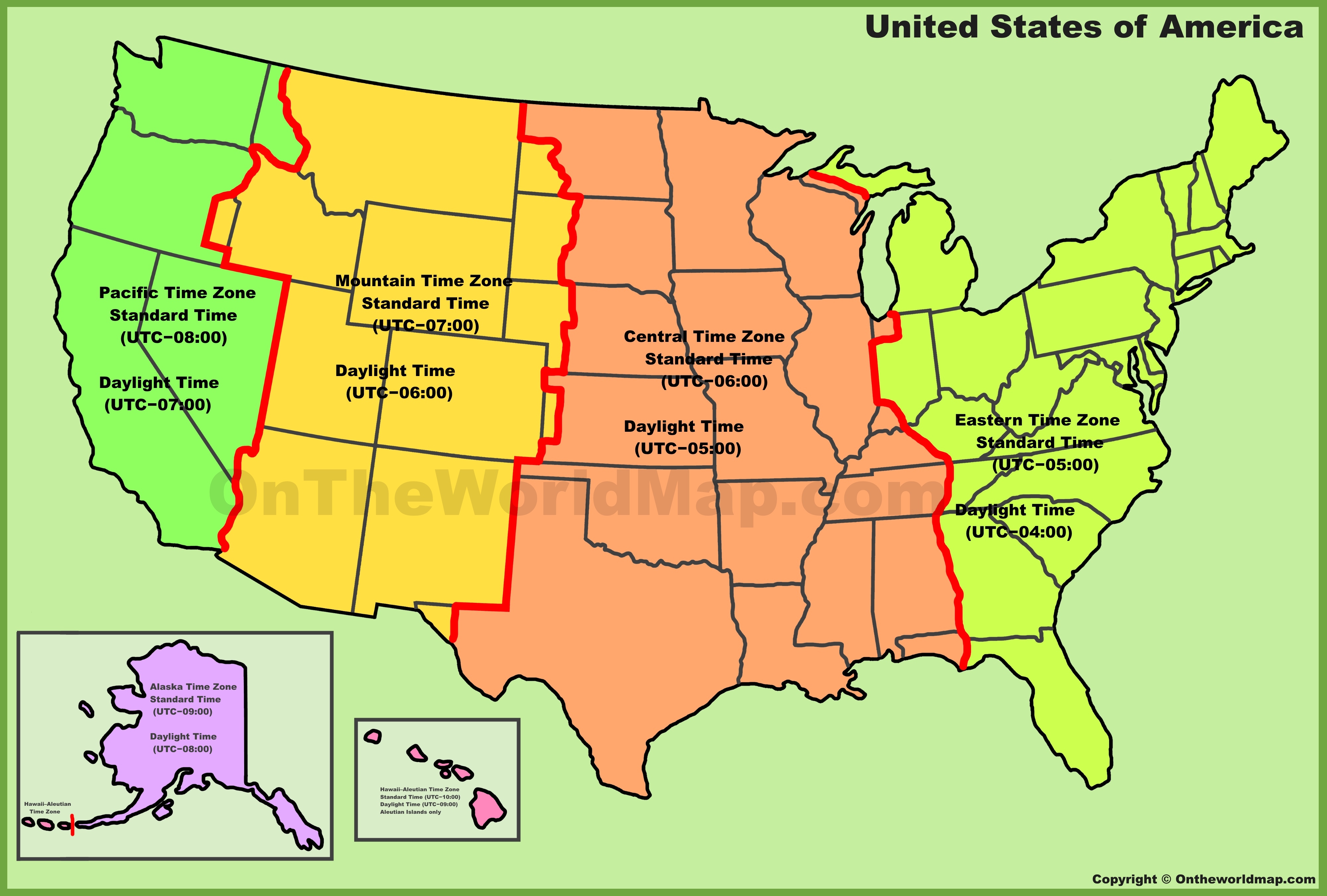
Las Vegas, Nevada, observes Pacific Standard Time (PST) during the winter months and Pacific Daylight Time (PDT) during the summer, as it participates in Daylight Saving Time. This means that from early November to mid-March, Las Vegas is UTC-8, and from mid-March to early November, it shifts to UTC-7. For many travelers, especially those crossing multiple time zones, this distinction is paramount. Let’s delve deeper into what this means for your next Las Vegas adventure, exploring the nuances of time, its practical implications, and how to make the most of every moment in this city that truly never sleeps.
Understanding Pacific Standard Time (PST) and Pacific Daylight Time (PDT)
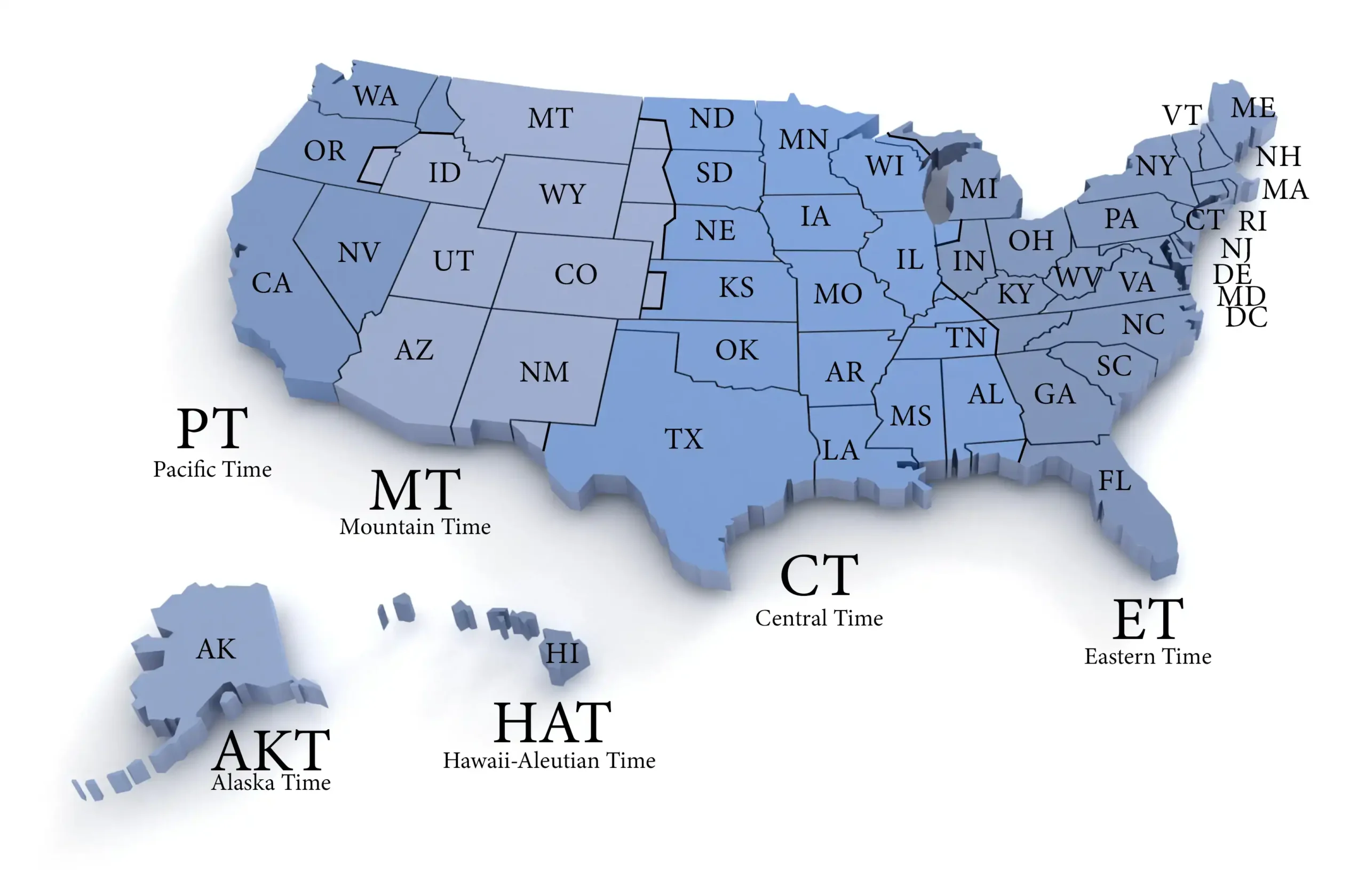
The concept of time zones can be confusing, but understanding the basics is crucial for any seasoned traveler. The United States is divided into several standard time zones, with Las Vegas falling squarely within the Pacific Time Zone. This zone encompasses the westernmost states of the contiguous United States and parts of Canada and Mexico.
The Mechanics of Pacific Time
Pacific Standard Time (PST) is observed during the non-Daylight Saving Time period. It is eight hours behind Coordinated Universal Time (UTC-8). This means that when it’s noon UTC, it’s 4:00 AM in Las Vegas. States that primarily observe PST include California, Oregon, Washington, and Nevada. A small portion of Idaho also follows Pacific Time.
Pacific Daylight Time (PDT) comes into effect during Daylight Saving Time, which typically begins on the second Sunday in March and ends on the first Sunday in November. During this period, clocks are moved forward by one hour. Therefore, PDT is seven hours behind Coordinated Universal Time (UTC-7). This “spring forward” adjustment gives residents and visitors an extra hour of daylight in the evening, aligning perfectly with Las Vegas’s reputation for vibrant nightlife and extended hours of operation for its many attractions.
Nevada, like most states in the United States, observes Daylight Saving Time without exception. This is a contrast to states like Arizona, which largely opt out of Daylight Saving Time, staying on Mountain Standard Time (MST) year-round. Such regional differences make understanding time zones even more critical, especially for those planning road trips that might cross state lines, for example, from Las Vegas to the Grand Canyon which spans both Nevada and Arizona.
Why Time Zones Matter for Your Las Vegas Trip
Beyond simple geographical demarcation, Las Vegas’s time zone has tangible implications for every aspect of your visit, impacting everything from your flight schedule to your body’s internal clock. Being mindful of these details can transform a potentially chaotic journey into a perfectly orchestrated getaway.
Streamlining Travel Logistics
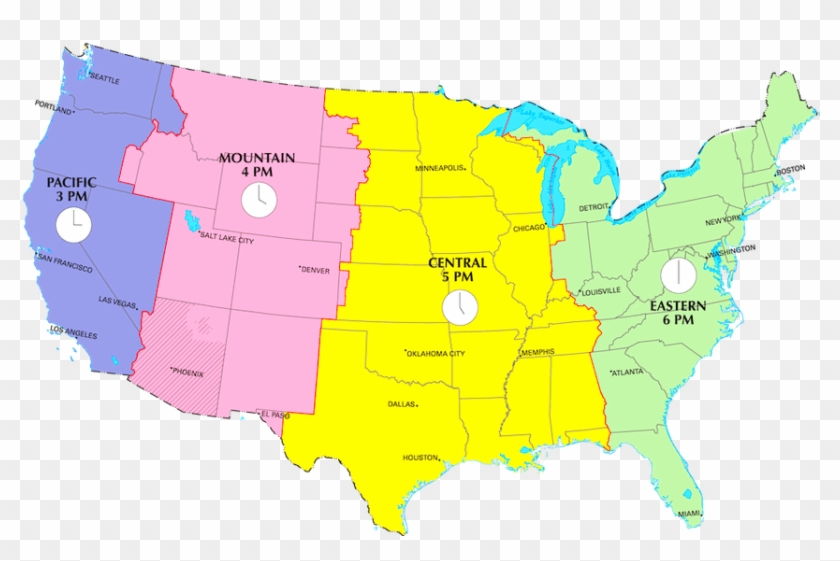
Understanding the time zone is fundamental for practical travel planning. When booking flights, train tickets, or even arranging car rentals, all times will be presented in local time. A flight departing New York (Eastern Standard Time, or EST) at 9:00 AM will arrive in Las Vegas (PST/PDT) much later in local Las Vegas time than the flight duration might suggest. For example, a 5-hour flight from New York would mean arriving at 2:00 PM EST, but only 11:00 AM PDT in Las Vegas, due to the three-hour time difference. This three-hour “gain” can be disorienting for East Coast travelers, making arrival times feel earlier than expected.
Similarly, booking hotel check-in and check-out times, transportation services, or even spa appointments requires a clear understanding of the local clock. Most resorts along the Las Vegas Strip maintain strict check-in and check-out schedules, and missing them due to time zone confusion can lead to additional fees or unnecessary stress. Accommodation, whether it’s a luxury suite at The Venetian Resort Las Vegas or a boutique hotel downtown, always operates on local time.
Maximizing Entertainment and Experiences
Las Vegas is synonymous with world-class entertainment, from Cirque du Soleil shows at Bellagio to headlining concerts at Caesars Palace or MGM Grand. Every showtime, dinner reservation, and club opening is scheduled according to PST/PDT. If you’re coming from a different time zone, it’s easy to miscalculate these timings. Missing a reservation or arriving late to a show because your internal clock is off can be a significant disappointment, especially given the cost and popularity of many Las Vegas experiences.
For business travelers attending conventions or conferences in Las Vegas, punctuality is even more critical. Meeting schedules, networking events, and presentation times are all set to local Las Vegas time. Misjudging the time difference could lead to missed opportunities or a less productive trip.
Mitigating the Effects of Jet Lag
Perhaps one of the most significant impacts of time zones on travelers is jet lag. Crossing multiple time zones, especially from east to west, can throw your body’s natural circadian rhythm out of whack. Symptoms like fatigue, insomnia, irritability, and difficulty concentrating can severely detract from your ability to enjoy the city.
Travelers from the East Coast of the United States or international visitors from Europe or Asia will experience varying degrees of jet lag. The three-hour difference from EST might mean feeling wide awake at 2:00 AM Las Vegas time, while those from much further east might struggle to stay awake past dinner. Understanding the time difference in advance allows you to mentally prepare and implement strategies to minimize its effects, ensuring you’re refreshed and ready to experience all that Las Vegas has to offer.
Navigating Time Across the United States and International Travel
The United States alone spans four major time zones (and more if you count Alaska and Hawaii), making domestic travel planning a time-zone exercise in itself. International travel introduces even greater complexities.
Domestic Time Zone Variations
When traveling to Las Vegas from within the United States, you’ll encounter these primary time zones:
- Eastern Standard Time (EST) / Eastern Daylight Time (EDT): Primarily the East Coast, including cities like New York, Miami, and Atlanta. It’s 3 hours ahead of Las Vegas.
- Central Standard Time (CST) / Central Daylight Time (CDT): The central part of the United States, covering cities like Chicago, Dallas, and New Orleans. It’s 2 hours ahead of Las Vegas.
- Mountain Standard Time (MST) / Mountain Daylight Time (MDT): States like Colorado, Utah, and parts of Arizona (which largely observes MST year-round). It’s 1 hour ahead of Las Vegas.
A traveler flying from Miami will experience a three-hour time difference, meaning if their flight departs at 10:00 AM EDT, they will effectively lose three hours relative to their departure city’s clock upon arrival in Las Vegas. On the flip side, someone traveling from Los Angeles will experience no time zone change at all, as both cities are in the Pacific Time Zone. Being aware of these shifts is key to scheduling your arrival activities, such as checking into your accommodation or heading straight to the Fremont Street Experience.
International Travel Considerations
For international visitors, the time difference can be even more substantial, leading to more pronounced jet lag. Travelers from Europe (e.g., London is UTC+0, typically 8 hours ahead of Las Vegas during PDT), Asia (e.g., Tokyo is UTC+9, typically 16 hours ahead of Las Vegas during PDT), or Australia will face significant time adjustments. This necessitates a more strategic approach to managing their internal clocks to fully enjoy the tourism offerings and unique lifestyle that Las Vegas embodies.
Such long-haul flights require passengers to start adjusting their sleep schedules days before departure. This preparation, along with in-flight strategies and post-arrival routines, are vital for minimizing the downtime caused by severe jet lag. From exploring the architectural marvels to indulging in local cuisine, every aspect of the Las Vegas experience hinges on feeling your best.
Practical Tips for a Seamless Las Vegas Experience
With a clear understanding of Las Vegas’s time zone and its implications, you can implement several strategies to ensure your trip is as enjoyable and hassle-free as possible.
Before You Go
- Adjust Your Internal Clock: A few days before your trip, gradually shift your sleep schedule closer to Las Vegas time. If flying west, try to stay up a bit later and wake up later.
- Confirm All Bookings: Double-check flight times, hotel check-in/out schedules, and all show or dining reservations, making sure you understand them in Las Vegas local time. Look for any notations of PST or PDT.
- Set Your Devices: Change the time zone on your phone, watch, and other devices before you even leave home or as soon as you board your flight. This mental adjustment helps tremendously.
- Consider Overnight Flights: For long-haul domestic or international travel, choosing an overnight flight can allow you to sleep during the journey and arrive closer to your new schedule, ready to check into your accommodation.
Upon Arrival
- Immediate Time Zone Adoption: As soon as you land, act as if it’s the local time. If it’s daytime, try to stay awake and expose yourself to natural light. If it’s evening, prepare for bed.
- Hydrate and Avoid Alcohol/Caffeine: Dehydration exacerbates jet lag. Drink plenty of water throughout your flight and upon arrival. Limit alcohol and caffeine, especially close to bedtime.
- Embrace Natural Light: Sunlight helps reset your circadian rhythm. Spend time outdoors, perhaps exploring the Las Vegas Strip or taking a walk around your resort.
- Plan Strategically: Schedule less demanding activities for your first day. Save the high-energy shows and late-night casino visits for when you’re fully adjusted. This could involve exploring the local culture or indulging in some much-needed relaxation at your hotel’s amenities.
Key Venues and Their Schedules
Las Vegas venues famously operate around the clock, but certain attractions do have specific operating hours that align with the local time zone. For instance, the renowned Bellagio Fountains perform at various intervals throughout the afternoon and evening, all scheduled in local PST/PDT. Similarly, shows like “O” by Cirque du Soleil at Bellagio or the “Absinthe” show at Caesars Palace have fixed curtain times. Even the bustling Fremont Street Experience has a schedule for its Viva Vision light shows. Always confirm these timings in advance.
The Unique Appeal of Las Vegas and Its Timeless Allure
Beyond the practicalities of time zones, Las Vegas has a unique relationship with time itself. It’s a city designed to make you forget the clock, a place where the lines between day and night often blur, inviting a lifestyle of spontaneous indulgence.
A City That Never Sleeps
One of the defining characteristics of Las Vegas is its 24/7 nature. Casinos never close, many restaurants offer round-the-clock dining, and entertainment options seem limitless, regardless of the hour. This constant buzz contributes to the city’s legendary allure, making it a premier travel destination for those seeking excitement without temporal constraints. Whether it’s 3 AM or 3 PM, you’ll find slot machines whirring, poker tables bustling, and eager patrons enjoying the vibrant atmosphere. This unique aspect means that while knowing the official time zone is essential for arrivals and departures, once you’re immersed in the Las Vegas experience, the internal clock of the city itself often takes over.
This environment perfectly caters to various travel lifestyles, from luxury travelers seeking opulent experiences at resorts like The Venetian Resort Las Vegas to budget travelers finding deals at off-Strip hotels. Families can enjoy daytime attractions such as the Adventuredome at Circus Circus or the Shark Reef Aquarium at Mandalay Bay, while nightlife enthusiasts can revel in the city’s famous clubs and bars into the early hours.
Landmarks and Attractions Beyond the Casinos
While the casinos and shows dominate the landscape, Las Vegas and its surrounding areas offer a wealth of other attractions and landmarks that are influenced by the natural daylight hours. A visit to the majestic Hoover Dam or the stunning landscapes of the Red Rock Canyon National Conservation Area would naturally be a daytime excursion, making the shift to PDT in summer particularly appealing for extended exploration. Similarly, a helicopter tour of the Grand Canyon typically departs in the morning or early afternoon, requiring careful scheduling to ensure you make your flight from Las Vegas. These outdoor experiences beautifully complement the indoor splendors of the city, offering a diverse tourism palette.
The architecture of famous places like the Eiffel Tower at Paris Las Vegas or the Egyptian-themed Luxor Hotel and Casino can be admired at any time, but daytime light offers a different perspective than the sparkling lights of night. Understanding when the sun rises and sets (based on PST/PDT) helps in planning your photo opportunities and exploring the city’s iconic structures.
Beyond the Clock: Maximizing Your Las Vegas Stay
To truly maximize your Las Vegas stay, consider your body’s natural rhythm relative to the local time. If you arrive from an Eastern time zone, your body might naturally wake up earlier in Las Vegas time. This can be an advantage! Use those early morning hours to beat the crowds at popular breakfast spots, enjoy a quieter walk along the Las Vegas Strip, or get an early start on a day trip to natural wonders like Death Valley National Park.
Conversely, if you’re a night owl accustomed to staying up late, Las Vegas’s round-the-clock entertainment perfectly suits your lifestyle. The city’s dynamic nightlife, from high-energy clubs to sophisticated lounges, truly comes alive after dark, offering unforgettable experiences that stretch well into the morning hours. This blend of constant activity and diverse offerings ensures that every traveler, regardless of their internal clock, can find their ideal pace and pleasure in Las Vegas.
In conclusion, while the glitz and glamour of Las Vegas might make you forget the outside world, understanding its time zone – Pacific Standard Time (PST) in winter and Pacific Daylight Time (PDT) in summer – is a crucial foundation for any successful trip. From meticulously planning your travel and accommodation to strategically scheduling your entertainment and managing jet lag, awareness of the local clock empowers you to fully immerse yourself in the boundless excitement of this extraordinary city. So, set your watches, synchronize your plans, and prepare for an unforgettable experience in the heart of Nevada.
LifeOutOfTheBox is a participant in the Amazon Services LLC Associates Program, an affiliate advertising program designed to provide a means for sites to earn advertising fees by advertising and linking to Amazon.com. Amazon, the Amazon logo, AmazonSupply, and the AmazonSupply logo are trademarks of Amazon.com, Inc. or its affiliates. As an Amazon Associate we earn affiliate commissions from qualifying purchases.