
For anyone planning a trip, booking a stay, or simply curious about the rhythms of daily life in the Sunshine State, understanding “What is the time of Florida now?” is more than a trivial question. It’s a crucial piece of information that can define the success of your travel itinerary, impact your hotel bookings, and ensure you make the most of every precious moment in this vibrant destination. Unlike many states that adhere to a single time zone, Florida presents a unique geographical quirk: it straddles two distinct time zones. This dual-zone reality means that depending on whether you’re lounging on the beaches of Miami, exploring theme parks in Orlando, or enjoying the serene Gulf Coast panhandle, the answer to “What time is it?” can vary significantly.
This comprehensive guide will delve into the intricacies of Florida’s time zones, explore why this matters for tourism and accommodation, and provide practical tips to help you navigate your journey seamlessly. From coordinating flight arrivals and hotel check-ins to optimizing your visits to world-class attractions and experiencing local culture, a firm grasp of Florida time is your ticket to a stress-free and unforgettable adventure. We’ll uncover how Daylight Saving Time influences the clock, pinpoint major cities within each zone, and offer insights into how time differences can shape your overall lifestyle experience in the Sunshine State.
Understanding Florida’s Time Zones
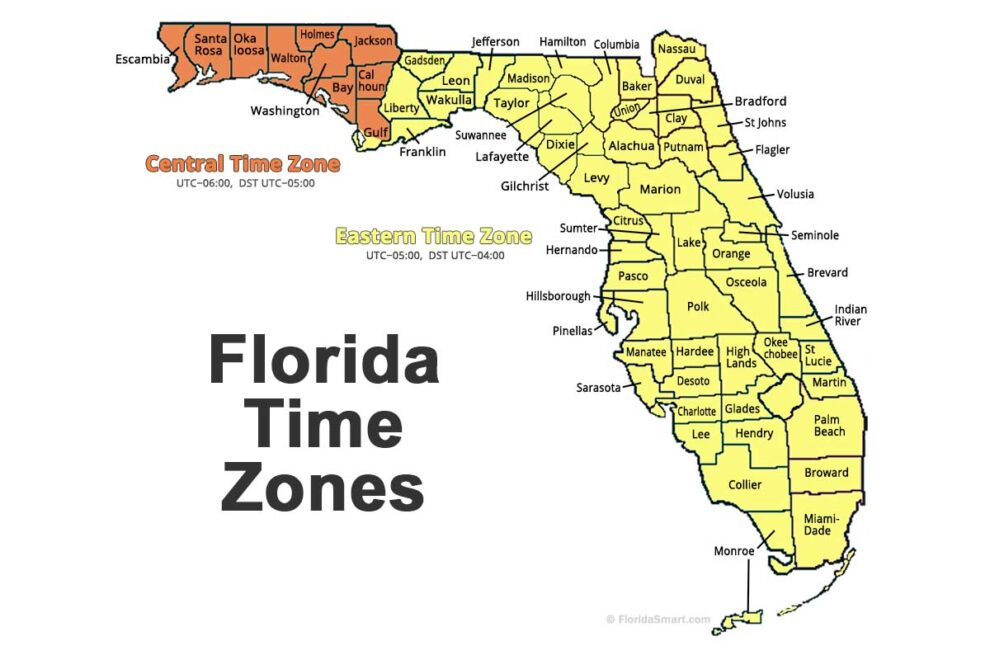
To accurately determine the current time in Florida, one must first acknowledge its geographical spread across two primary time zones: Eastern Time and Central Time. This division primarily affects the Florida Panhandle, while the vast majority of the peninsula operates on Eastern Time. This distinction is vital for travelers, as overlooking it can lead to missed appointments, delayed departures, or simply a misinterpretation of local operating hours.
Eastern Standard Time (EST) / Eastern Daylight Time (EDT) – The Sunshine State’s Dominant Zone
The lion’s share of Florida observes Eastern Standard Time (EST) during the winter months, which is five hours behind Coordinated Universal Time (UTC-5). When Daylight Saving Time kicks in, typically from March to November, these regions switch to Eastern Daylight Time (EDT), placing them four hours behind Coordinated Universal Time (UTC-4). This time zone is home to most of Florida’s iconic destinations and bustling urban centers, making it the rhythm many visitors associate with the state.
Major cities and popular tourist hubs that fall within the Eastern Time Zone include the vibrant metropolis of Miami, the theme park capital Orlando, the thriving Tampa Bay Area, the historic city of St. Augustine, and the beautiful beaches of Fort Lauderdale, Sarasota, St. Petersburg, Naples, and West Palm Beach. The entire chain of the Florida Keys, stretching down to Key West, also operates on Eastern Time. Even Jacksonville, the largest city by land area in the contiguous United States, is firmly in the EST / EDT zone. For travelers, this means coordinating activities like visiting Walt Disney World Resort or catching a show on South Beach Miami will follow this consistent schedule. The sheer concentration of attractions, hotels, and tourist services in this zone makes it the most commonly encountered time for visitors to Florida.
Central Standard Time (CST) / Central Daylight Time (CDT) – The Panhandle’s Unique Rhythm
While the peninsula marches to Eastern Time, a significant portion of the Florida Panhandle observes Central Standard Time (CST), which is six hours behind Coordinated Universal Time (UTC-6). Similar to the Eastern Time zone, these areas switch to Central Daylight Time (CDT) during Daylight Saving Time, becoming five hours behind Coordinated Universal Time (UTC-5). This creates a one-hour difference compared to the rest of the state, a detail that can easily trip up unsuspecting travelers.
Key cities and popular vacation spots in the Florida Panhandle that fall within Central Time include Pensacola, Destin, Panama City Beach, and Fort Walton Beach. These destinations are renowned for their stunning white-sand beaches, emerald waters, and a slightly different pace of life compared to the bustling theme park corridors. For instance, a sunset cruise departing from Destin will operate an hour earlier by the clock than a similar activity booked in Orlando. Understanding this time difference is especially crucial for those planning a multi-city trip that includes both the peninsula and the Panhandle, perhaps combining the magic of Universal Orlando Resort with the tranquility of Panama City Beach. Always double-check the local time for any bookings or plans made in these regions to avoid any scheduling mishaps.

The Time Zone Border – Where East Meets Central
The geographical demarcation between Eastern Time and Central Time in Florida generally follows the Apalachicola River. This river serves as a natural boundary, with areas to its west (primarily in the Panhandle) observing Central Time, and areas to its east adhering to Eastern Time. Specifically, Calhoun, Bay, Holmes, Jackson, Okaloosa, Santa Rosa, Walton, and Washington counties are entirely within the Central Time Zone. However, Gulf County is a unique exception, as it is split between the two zones, with the eastern part of the county (including the city of Port St. Joe) being in Eastern Time, and the western part in Central Time. Franklin County also falls into Eastern Time, despite being west of Tallahassee and bordering counties that are in Central Time.
This time zone border can create mild confusion, especially for those driving across the state or making short trips that span the divide. Imagine booking a hotel in a city on one side of the river and having a tour scheduled for an hour earlier in a town just a few miles away on the other side. This scenario underscores the importance of being aware of your exact location and its corresponding time zone. Always verify the local time for specific addresses, particularly when planning activities that require precision, such as catching a flight from Pensacola International Airport after visiting attractions in Tallahassee (which is in Eastern Time). Staying informed about these geographical nuances will help ensure a smooth and enjoyable travel experience in Florida.
Navigating Time for Seamless Florida Travel
Beyond simply knowing the current time, understanding how Florida’s time zones impact various aspects of travel is paramount for a seamless and stress-free vacation. From arrival to departure, every detail, including the clock, plays a role in your overall experience.
Flights, Hotels, and Reservations: Precision is Key
When planning your trip to Florida, the local time zone directly affects critical logistical elements like flight schedules and accommodation bookings. For instance, a flight arriving at Orlando International Airport (in EDT) might depart from an airport in the Central Time Zone or even further afield. It’s crucial to confirm all arrival and departure times are stated in local time to avoid missing connections or arriving at a closed check-in counter. Similarly, hotels and resorts, whether it’s the sprawling Marriott Orlando World Center or the luxurious The Breakers Palm Beach, strictly adhere to their local time zone for check-in and check-out procedures. Arriving an hour late because you miscalculated the time difference can lead to unnecessary stress or even an extra night’s charge if you miss your scheduled departure.
The same precision applies to pre-booked activities. If you’ve reserved a spot for Everglades Airboat Tours, a dining experience at Bern’s Steak House Tampa, or a dolphin-watching cruise in Key West, these operations run on the local time of their respective locations. Double-checking the time zone on your booking confirmations against the local time where the activity is located is a simple yet effective way to prevent any scheduling conflicts. For those traveling between the Panhandle and the peninsula, this becomes even more critical for connecting flights or train journeys. A one-hour time shift can mean the difference between making your connection and being stranded, highlighting the fundamental importance of accurate time awareness in Florida travel planning.
Experiences and Attractions: Maximizing Your Day
Florida’s diverse array of experiences and attractions, from world-famous theme parks to tranquil nature preserves, all operate on specific schedules tied to their local time zones. Knowing the correct time allows you to maximize your day and fully immerse yourself in the Sunshine State’s offerings. For example, the gates of Walt Disney World Resort and Universal Orlando Resort open and close according to Eastern Time. Arriving an hour late can mean missing out on crucial early access perks or the chance to experience popular rides before the longest queues form.
Similarly, enjoying Florida’s natural beauty requires time-sensitive planning. A fishing charter departing from Destin will set sail by Central Time, meaning if you’re coming from Tallahassee (which is on Eastern Time), you need to account for that hour difference to arrive promptly. Snorkeling tours in the Florida Keys, wildlife viewing in the Everglades, or exploring historical sites in St. Augustine all have scheduled operating hours that must be respected. Even less structured activities, like catching a famous Florida sunset, will happen at different clock times depending on whether you’re on the east or west coast, and crucially, within which time zone you find yourself. Planning your day around these local timings ensures you capture every magical moment without the frustration of arriving too early or too late, thereby enhancing your overall tourism experience and allowing for a truly immersive engagement with the local culture and activities.
Practical Tips for Staying on Florida Time
Staying synchronized with Florida’s time zones is simpler than it seems, especially with a few practical tips. The most straightforward advice is to always set your mobile devices, smartwatches, and laptops to automatically update their time zone. This feature generally ensures your gadgets reflect the correct local time as you move around, providing a reliable reference point. When making any bookings—be it for accommodation, transportation, or attractions—make it a habit to double-check the stated time zone on your confirmation emails or tickets. Often, booking platforms will specify “local time” or include an abbreviation like EST or CST. If there’s any ambiguity, a quick call to the vendor can save a lot of hassle.
Furthermore, consider the implications of the time difference when communicating with people outside Florida. For business travelers, scheduling virtual meetings requires careful coordination with colleagues in different parts of the country or world. For family trips, making plans with relatives back home should also factor in the potential time lag. Remember that Florida observes Daylight Saving Time, meaning the clocks “spring forward” in March and “fall back” in November. While your devices will adjust automatically, it’s good to be aware of these changes, especially if you’re arriving around those dates. A simple search for “current time in Miami” or “current time in Pensacola” on a reliable search engine or a dedicated time zone app can provide immediate and accurate local time, helping you stay perfectly on schedule throughout your Florida adventure.
Lifestyle and Leisure: How Time Shapes Your Florida Experience
The subtle influence of time zones extends beyond mere scheduling; it weaves into the very fabric of your lifestyle and leisure experiences in Florida. From the pace of a family vacation to the efficiency of a business trip, understanding and adapting to local time can significantly enhance the quality of your stay, shaping your perception of relaxation, adventure, and productivity.
The Rhythm of Relaxation and Adventure
For many, a trip to Florida is synonymous with relaxation and adventure, and the local time plays a key role in setting the rhythm for both. When traveling from a different time zone, particularly from a place significantly east or west of Florida, managing jet lag (or even a mild “time lag” when crossing within the state) is essential. Adjusting quickly allows you to fully embrace the early morning serenity of a sunrise beach walk in Key West or the late-night energy of Miami’s nightlife without feeling out of sync. For families, maintaining children’s sleep schedules can be a critical factor, and understanding the local time ensures bedtime routines aren’t thrown completely off, leading to happier travelers all around.
Consider the aesthetic and experiential differences as well. Sunrises on the Atlantic coast (e.g., Fort Lauderdale) happen an hour earlier by the clock than on the Gulf Coast (e.g., Naples), assuming both are in Eastern Time. Factor in the Central Time zone in the Panhandle, and a sunset in Pensacola will feel an hour later by the clock than if you were on the east coast, extending the perceived evening and maximizing your leisure time under the twilight sky. These nuances contribute to the unique charm and different pace you might experience across various regions of Florida, allowing for diverse lifestyle experiences, whether you seek bustling city life or tranquil beachside repose.
Planning Your Ideal Florida Itinerary
An awareness of Florida’s time zones is a powerful tool for crafting an optimized and enriching itinerary, catering to various travel styles, including luxury travel, budget travel, family trips, and business stays. For those keen on experiencing both the theme park thrills of Orlando and the pristine beaches of the Florida Panhandle, strategic planning is key. You might, for example, spend a few days immersing yourself in the magic of Walt Disney World Resort on Eastern Time, then take a short flight to Destin for a change of scenery and a shift to Central Time. By accounting for the hour difference, you can schedule your internal flights, rental car pickups, and accommodation check-ins seamlessly, ensuring precious vacation time isn’t lost to avoidable logistical hiccups.
For business travelers, understanding time zones is critical for scheduling meetings, conference calls, and travel arrangements efficiently. Missing an early morning conference call due to a miscalculated time difference can impact productivity. Similarly, for families, planning excursions with children means considering their meal and nap times relative to the local clock. This can mean adjusting your theme park entry to align with nap schedules or timing your dinner reservations earlier in the evening when traveling to a western Florida destination that observes Central Time. Whether your goal is to indulge in luxury travel at a five-star resort in Palm Beach or embark on an adventurous budget trip across the state, incorporating time zone awareness into your itinerary planning will lead to a more relaxed, efficient, and ultimately more enjoyable Florida experience, allowing you to fully savor every moment of your chosen lifestyle and leisure pursuits.
Conclusion
Understanding “What is the time of Florida now?” is far more than a simple geographical fact; it’s an essential element for any traveler seeking a smooth and enriching experience in the Sunshine State. From the bustling metropolises and world-renowned theme parks that operate on Eastern Time to the serene Gulf Coast Panhandle following Central Time, Florida’s dual time zone reality demands attention.
By grasping the nuances of Eastern Standard Time and Central Standard Time, and how Daylight Saving Time influences them, you empower yourself to navigate flights, hotel check-ins, dining reservations, and attraction visits with confidence. Precision in time zone awareness ensures you maximize every moment, whether you’re exploring the historic streets of St. Augustine, riding the thrilling rollercoasters of Universal Orlando Resort, or unwinding on the white sands of Destin.
Remember to set your devices to automatic time updates, double-check all booking confirmations for local times, and consider the time difference when making plans across the state or communicating with those outside Florida. A little foresight regarding Florida’s time zones can transform potential logistical headaches into a seamless journey, allowing you to fully immerse yourself in the diverse travel, tourism, and lifestyle opportunities that this captivating state has to offer. So, before you embark on your next Florida adventure, take a moment to confirm the local time – it’s your first step towards an unforgettable experience.
LifeOutOfTheBox is a participant in the Amazon Services LLC Associates Program, an affiliate advertising program designed to provide a means for sites to earn advertising fees by advertising and linking to Amazon.com. Amazon, the Amazon logo, AmazonSupply, and the AmazonSupply logo are trademarks of Amazon.com, Inc. or its affiliates. As an Amazon Associate we earn affiliate commissions from qualifying purchases.