
Understanding time zones is a fundamental aspect of seamless travel, particularly when venturing into regions with unique temporal characteristics. For many visitors and even some residents, the question of “What is the time zone for Arizona right now?” can be a surprisingly complex one. This article delves into the intricacies of Arizona’s timekeeping, demystifying its unique stance on Daylight Saving Time and its implications for anyone planning a trip to or conducting business within the Grand Canyon State.
Arizona’s Unique Time Zone Status: A Stand Against Daylight Saving Time
Arizona holds a distinctive position among the United States in its approach to time. Unlike most of the country, the vast majority of Arizona does not observe Daylight Saving Time (DST). This decision, rooted in historical context and practical considerations, sets it apart and can lead to temporal discrepancies with neighboring states and much of the rest of the nation.
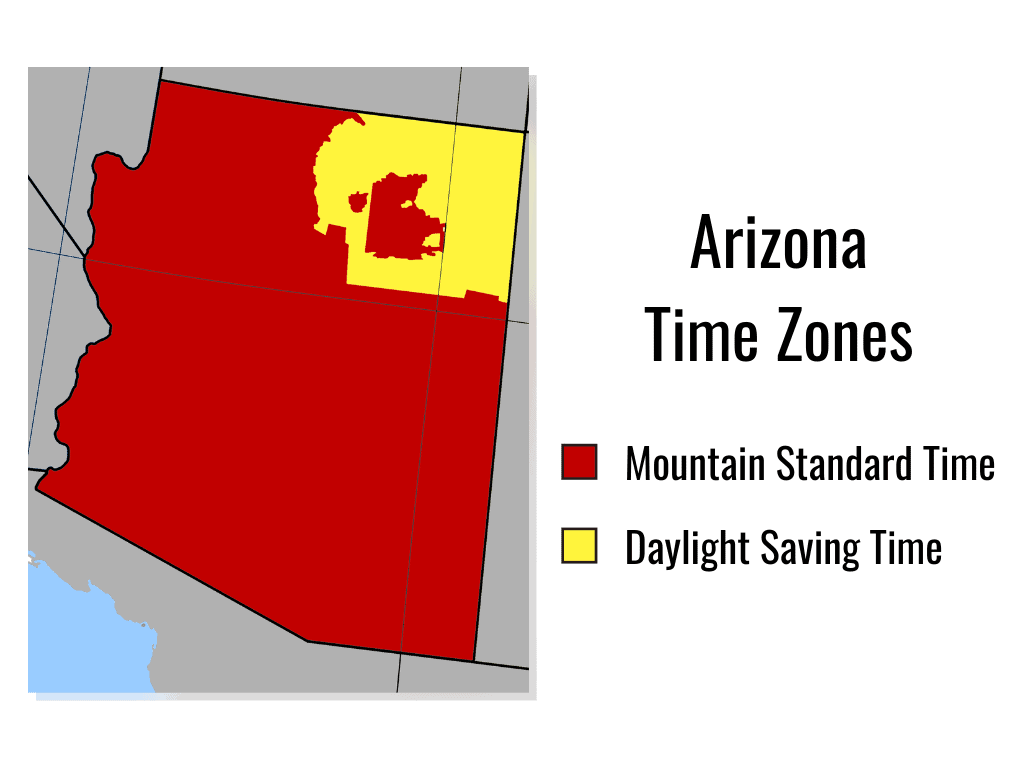
The Mountain Standard Time (MST) Foundation
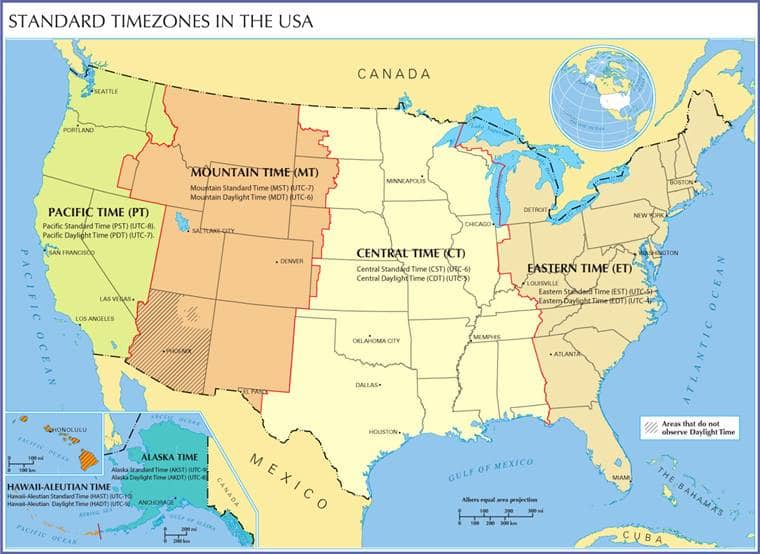
The core of Arizona’s temporal identity lies in its adherence to Mountain Standard Time (MST) year-round. MST is typically UTC-7. This means that for a significant portion of the year, Arizona is two hours behind Eastern Daylight Time (EDT) and one hour behind Pacific Daylight Time (PDT). However, the true complexity arises when DST is in effect elsewhere.
The Daylight Saving Time Exception
While the continental United States collectively springs forward in March and falls back in November, Arizona remains on its standard time. This creates a fluctuating difference with states that do observe DST. For instance, during DST months, Arizona is effectively on the same time as Pacific Standard Time (PST) when California and other Pacific states are observing PDT. Conversely, it aligns with Mountain Standard Time (MST) when states like Colorado and Utah are observing Mountain Daylight Time (MDT). This temporal dance requires careful consideration for travelers coordinating flights, meetings, or simply trying to connect with friends and family.
The Navajo Nation: A Temporal Anomaly Within Arizona
There is a notable exception to Arizona’s DST non-observance: the Navajo Nation. The Navajo Nation, which spans parts of Arizona, New Mexico, and Utah, does observe Daylight Saving Time. This means that within the boundaries of the Navajo Nation, the time will shift forward by one hour during the DST period, aligning with Mountain Daylight Time (MDT). This creates a unique temporal pocket within Arizona, where a drive of mere miles can result in a one-hour time difference. Travelers transiting through or visiting areas like Monument Valley within the Navajo Nation need to be particularly mindful of this distinction. This temporal duality can be a source of confusion and requires careful attention to avoid missed appointments or miscalculations.
Navigating Time Zones for Travel and Business in Arizona
The consistent, non-observance of DST in most of Arizona simplifies some aspects of timekeeping but introduces unique challenges for travelers and businesses that operate across state lines or with entities in DST-observing regions.
Implications for Travelers
For tourists planning a visit to Arizona, understanding the time zone is crucial for several reasons.
Flight and Transportation Coordination
When booking flights into Phoenix Sky Harbor International Airport or McCarran International Airport (though the latter is in Nevada, it’s a common gateway for western Arizona), it’s essential to confirm the departure and arrival times in the local time of the airport. Airlines will typically list times in local time, but a quick mental check can prevent confusion. For instance, if flying from New York (EDT) to Phoenix during DST months, an 11 AM EDT departure will arrive in Phoenix at 8 AM MST, despite the flight duration. Similarly, planning road trips requires accounting for potential time zone changes, especially when crossing into neighboring states like New Mexico or Colorado, which do observe DST.
Accommodation Bookings and Check-in/Check-out
When booking hotels like The Phoenician or L’Auberge de Sedona, check-in and check-out times are usually listed in local Arizona time. However, if you are arriving from or departing to a DST-observing state, it’s wise to do a quick calculation. For example, if your check-out time is 11 AM MST and you are heading to California where it’s 11 AM PDT (which is 1 PM MST), you have an extra two hours to pack. Conversely, if arriving from the East Coast, a 3 PM EDT arrival means it’s only 12 PM MST, potentially giving you more time to settle into your resort before dinner.
Activities and Excursions
Many popular Arizona attractions, such as the Grand Canyon National Park or Sedona, operate on local Arizona time. Tours and activity timings will reflect this. However, if you are coordinating with people outside of Arizona, such as booking a guided hike or a rafting trip on the Colorado River with a company based in another state, always clarify the time zone for the meeting point. This is particularly important for early morning tours or late evening excursions that might span across the temporal divide.
Communication and Appointments
When scheduling business meetings or personal calls with individuals in other time zones, especially during DST months, the difference can be substantial. A 9 AM meeting scheduled with someone in Chicago (CDT) would be 7 AM in Phoenix (MST). Conversely, a 2 PM meeting with someone in Los Angeles (PDT) would be 3 PM in Phoenix (MST). Clear communication about time zones is paramount to avoid misunderstandings and ensure punctuality.
Business Operations and Cross-Border Transactions
The temporal distinction also impacts businesses operating within or interacting with Arizona.
Scheduling Remote Meetings
For companies with employees or clients in both Arizona and DST-observing states, scheduling virtual meetings requires careful consideration. Using scheduling tools that automatically adjust for time zones can be invaluable. Otherwise, manually calculating the difference, particularly during the spring and fall transition periods, is essential. For example, a company based in Texas, which observes CDT, will need to account for the two-hour difference with Arizona for routine internal communications or client calls.
Supply Chain and Logistics
Businesses involved in logistics and supply chain management that span across Arizona and DST-observing states must factor in time zone differences when coordinating deliveries, pickups, and operational schedules. A shipment arriving at a distribution center in Arizona from a state observing EDT will have a predictable temporal arrival based on MST. However, if that shipment is originating from a location within Arizona and heading to a DST-observing state, the arrival time needs to be calculated considering the shift.
Financial Transactions and Market Operations
While most major financial markets operate on global or at least standardized US Eastern Time, regional businesses in Arizona need to be aware of how their operational hours interact with these markets. For instance, if a business in Tucson needs to execute a trade before a specific market close in New York, they must calculate that closing time based on Arizona’s MST.
Understanding the “Why” Behind Arizona’s Time Zone Choice
Arizona’s decision to forgo Daylight Saving Time is not arbitrary; it stems from a combination of historical reasons and perceived benefits.
Historical Roots of the Decision
The debate over DST has been ongoing in the United States for decades. Arizona’s initial decision to opt out was largely driven by concerns about the impact on daily life and specific industries.
Energy Conservation Debates
One of the primary arguments for DST is energy conservation. However, in Arizona, particularly during the hot summer months, the logic of extending daylight into the evening raised concerns about increased air conditioning usage during hotter afternoon hours. The argument was that staying on standard time would lead to earlier sunrises and sunsets, potentially reducing the need for artificial lighting and air conditioning during peak heat.
Impact on Agriculture and Outdoor Work
The agricultural sector and those involved in outdoor labor traditionally expressed concerns about the disruption DST could cause to work schedules and the intensity of heat during extended daylight hours. Maintaining a consistent time zone was seen as beneficial for these industries.
Public Health and Well-being
Some studies and anecdotal evidence suggested that the disruption caused by the biannual time shift could have negative impacts on public health, affecting sleep patterns and overall well-being. Arizona’s decision aimed to maintain a more stable daily rhythm.
Practical Benefits for the State
Beyond historical reasons, Arizona continues to find practical advantages in its time zone stance.
Simplicity for Residents and Visitors
For residents, a single, unchanging time zone simplifies daily life. For visitors, while it can be a point of confusion initially, once understood, it offers a consistent temporal reference point throughout their stay. This is especially true for those visiting national parks like Petrified Forest National Park or exploring cities like Flagstaff.
Economic Considerations
While not a primary driver, some argue that the temporal consistency can offer a slight advantage in business dealings by simplifying scheduling with other MST-observing regions or by presenting a distinct identity that can be leveraged in marketing.
Staying Synchronized: Tips for Managing Time in Arizona
Navigating Arizona’s unique time zone requires a proactive approach to ensure you remain synchronized with your plans and connections.
Utilize Technology Wisely
- Smartphone Settings: Ensure your smartphone is set to automatically update time and time zone information. Most modern smartphones are excellent at this, but it’s always good to double-check, especially when crossing state lines or entering the Navajo Nation.
- Calendar Applications: Leverage calendar applications that offer time zone conversion tools. When scheduling meetings with individuals in different time zones, these tools are invaluable for finding mutually convenient times.
- World Clock Apps: For frequent travelers or those with international contacts, a world clock application on your phone or computer can be a quick reference for checking times in various locations.
Double-Check and Confirm
- Flight and Hotel Bookings: Always verify departure and arrival times in the local time zone of the destination. Don’t assume; always confirm.
- Meeting Invitations: When receiving meeting invitations, especially from outside Arizona, pay close attention to the specified time zone. If it’s unclear, ask for clarification.
- Tour and Activity Confirmations: For any scheduled excursions, tours, or activities, confirm the meeting time in Arizona’s local time.

Be Aware of the Navajo Nation Exception
- Geographic Awareness: If your travel plans include visiting areas within the Navajo Nation, such as Canyon de Chelly National Monument, be aware that the time will shift forward during DST months. This requires an extra layer of vigilance.
- Local Signage: Pay attention to local signage and information at tourist centers within the Navajo Nation, as they will often explicitly state the current time.
By understanding Arizona’s consistent adherence to MST and the singular exception of the Navajo Nation, travelers and businesses can navigate the Grand Canyon State with temporal confidence. The key lies in awareness, diligent confirmation, and the smart use of technology to bridge any temporal divides.
LifeOutOfTheBox is a participant in the Amazon Services LLC Associates Program, an affiliate advertising program designed to provide a means for sites to earn advertising fees by advertising and linking to Amazon.com. Amazon, the Amazon logo, AmazonSupply, and the AmazonSupply logo are trademarks of Amazon.com, Inc. or its affiliates. As an Amazon Associate we earn affiliate commissions from qualifying purchases.