
Understanding time zones is a fundamental aspect of travel planning, especially when venturing across different regions of a country as vast as the United States. For those looking to explore the Land of Enchantment, knowing the time zone for New Mexico is crucial for everything from booking flights and hotel stays to scheduling tours and managing communication with home. New Mexico primarily operates on Mountain Time, a designation that carries significant implications for travelers and residents alike, particularly due to the observance of Daylight Saving Time. This guide will delve into the specifics of New Mexico’s time zone, its nuances, and how it impacts your travel experience, ensuring a seamless and enjoyable visit to this vibrant state.
Unraveling New Mexico’s Time Zone: Mountain Time Explained
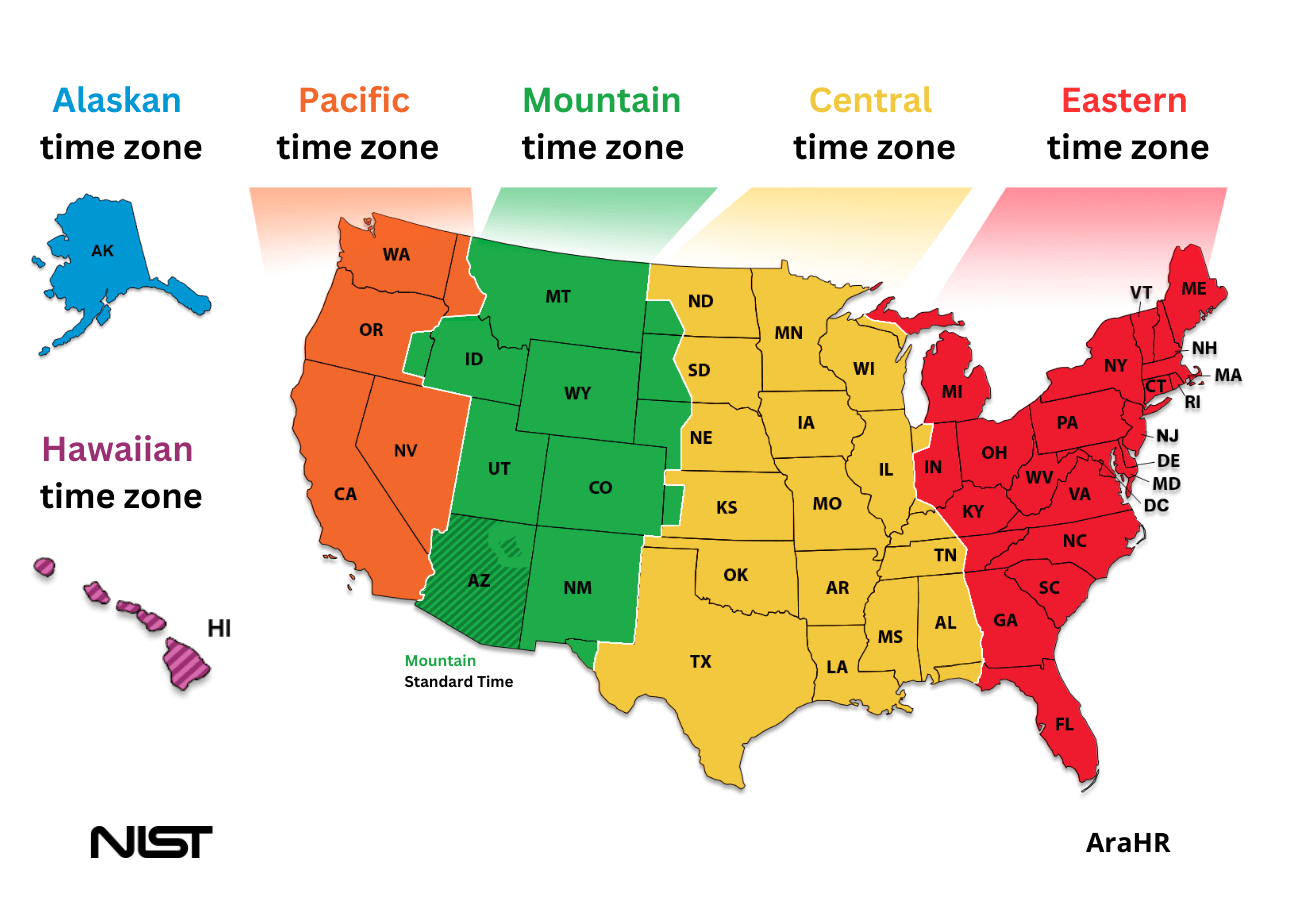
At its core, New Mexico adheres to the Mountain Time Zone. This means that for a significant portion of the year, the state observes Mountain Standard Time (MST), which is seven hours behind Coordinated Universal Time (UTC-7). However, like most of the United States, New Mexico participates in Daylight Saving Time. During this period, typically from the second Sunday in March to the first Sunday in November, clocks are advanced by one hour, shifting the state to Mountain Daylight Time (MDT), which is six hours behind Coordinated Universal Time (UTC-6).
The decision to adopt Mountain Time is geographical, aligning New Mexico with its neighboring states to the west and north. States such as Colorado, Utah, Wyoming, Montana, and parts of Idaho also fall within this zone, as do parts of Canada and Mexico. This alignment facilitates trade, communication, and travel across regional borders, making it easier for businesses and individuals to operate. The historical establishment of standard time zones across the United States in the late 19th and early 20th centuries was primarily driven by the expansion of railroads, which required a standardized system to manage schedules and avoid confusion. Today, these zones continue to serve their purpose, defining the rhythm of daily life from the bustling streets of Albuquerque to the serene landscapes around Taos.
It is important to note the unique exception in the Mountain Time Zone: Arizona. While geographically within this zone, Arizona does not observe Daylight Saving Time, meaning it stays on MST year-round. The only exception within Arizona is the Navajo Nation, which spans parts of Arizona, New Mexico, and Utah and does observe Daylight Saving Time. This intricate detail means that depending on the time of year, there can be a one-hour difference between New Mexico and its western neighbor, Arizona, which is a critical consideration for any cross-state travel or communication.
The Impact of Daylight Saving Time on Travel
The twice-yearly shift for Daylight Saving Time in New Mexico can be a subtle but significant factor in travel planning. When visiting during the spring or summer months, New Mexico will be on MDT. This means longer daylight hours in the evening, which is fantastic for sightseeing, outdoor activities, and enjoying the vibrant local culture without feeling rushed by an early sunset. Imagine having an extra hour of daylight to explore the historic plazas of Santa Fe or hike the trails of Bandelier National Monument.
Conversely, if your trip falls during the late autumn or winter, New Mexico will be observing MST. This shift can mean earlier sunsets and shorter daylight periods, requiring more meticulous planning for daytime excursions. For instance, a visit to Carlsbad Caverns National Park or White Sands National Park might require an earlier start to maximize the natural light available for exploration and photography. When booking flights, especially those arriving or departing around the Daylight Saving Time changeover dates, double-checking the time adjustments is paramount to avoid missed connections or unexpected delays. Airlines and accommodation providers are generally good at accounting for these changes, but a personal verification always adds peace of mind.
Navigating Time Zones for a Seamless New Mexico Experience
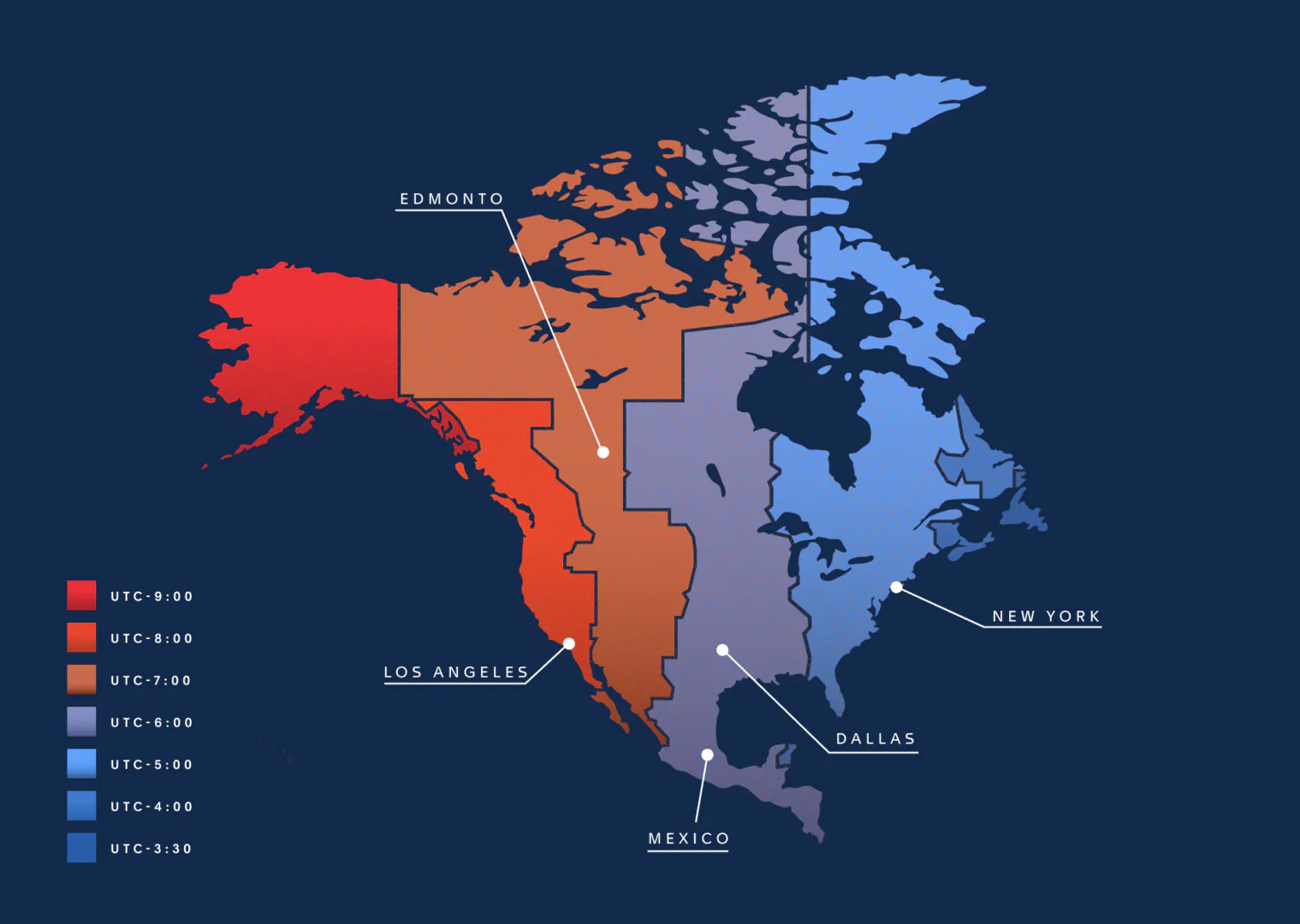
For any traveler, understanding the time zone difference between their origin and destination is fundamental. When flying into New Mexico from the East Coast (Eastern Time), you’ll gain two hours; from the Central Time Zone, you’ll gain one hour. Conversely, those traveling from the Pacific Time Zone will lose one hour. This adjustment is not just about knowing the local time; it’s about preparing your body for the change and optimizing your itinerary.
Synchronizing with Local Life and Avoiding Jet Lag
The time difference can impact your body’s internal clock, potentially leading to jet lag. While traveling to New Mexico from the east might feel easier due to gaining time, it’s still advisable to adjust your schedule gradually. Try to shift your sleep and meal times a few days before your trip. Upon arrival, immediately immerse yourself in the local time. Spend time outdoors in the natural light, particularly in the morning, to help reset your circadian rhythm. Staying hydrated and avoiding excessive caffeine or alcohol can also alleviate symptoms.
This synchronization is vital for fully appreciating the local culture and activities. Imagine arriving in Santa Fe and wanting to attend a local art gallery opening or enjoy an authentic New Mexican dinner. Being on local time ensures you’re not yawning through a performance or missing out on a culinary delight because your body still thinks it’s the middle of the night. When planning calls back home or business meetings, remember to factor in the time difference. For example, 9:00 AM in Albuquerque is 11:00 AM in Dallas (Central) and 1:00 PM in New York City (Eastern), but only 8:00 AM in Las Vegas (Pacific).
Planning Your Itinerary: Maximizing Every Moment
Considering New Mexico’s operating time zone ensures that you make the most of your travel. For instance, if you plan to visit popular attractions like Chaco Culture National Historical Park, known for its ancient pueblo ruins, or the Georgia O’Keeffe Museum in Santa Fe, checking their operating hours in local time is essential. Many tourist destinations, especially national parks and monuments, have seasonal hours that may also coincide with the Daylight Saving Time shifts.
For outdoor activities, such as skiing in the Sangre de Cristo Mountains or exploring the hiking trails around Los Alamos, understanding when daylight begins and ends in relation to MST or MDT will directly influence your planning. Early starts can help you beat the crowds and experience cooler temperatures during warmer months, while knowing the sunset time is crucial for safely returning from trails. Even simple considerations like making dinner reservations or catching a local festival, such as the International Folk Art Market or the Albuquerque International Balloon Fiesta, require you to be in sync with the local clock.
New Mexico: A Timeless Journey Through Enchanting Landscapes
Beyond the practicalities of time zones, New Mexico offers a travel experience that transcends the clock, blending ancient history with vibrant contemporary culture. This “Land of Enchantment” is a treasure trove of destinations that appeal to every type of traveler, from history buffs to adventure seekers. Understanding the time zone simply ensures you have ample time to immerse yourself in its magic.
Iconic Destinations and Cultural Immersion
New Mexico’s diverse landscape and rich history are reflected in its numerous attractions. Santa Fe, the capital, is renowned for its Pueblo-style architecture, thriving art scene, and a culinary tradition that tantalizes the taste buds. Visitors can wander through the historic Plaza, explore Canyon Road’s numerous galleries, or delve into the history at the New Mexico History Museum. Albuquerque, the state’s largest city, blends urban sophistication with Old Town charm, offering attractions like the Indian Pueblo Cultural Center and the Sandia Peak Tramway, which provides breathtaking panoramic views.
Further north, Taos captivates with its spiritual essence, artistic community, and the ancient Pueblo of Taos, a UNESCO World Heritage Site. Here, the profound sense of history and indigenous culture is palpable. For those interested in the natural wonders, the immense gypsum dunes of White Sands National Park create an otherworldly landscape, while the underground marvels of Carlsbad Caverns National Park showcase geological grandeur. Each of these destinations offers a unique perspective on New Mexico’s heritage, and managing your time effectively allows for a deeper appreciation of each site.
Outdoor Adventures and Lifestyle Experiences
New Mexico’s diverse terrain makes it a haven for outdoor enthusiasts. The majestic Rocky Mountains extend into the northern part of the state, offering opportunities for hiking, mountain biking, and world-class skiing during winter months. The Rio Grande Gorge Bridge near Taos provides stunning vistas, while the numerous national forests and wilderness areas invite exploration. Lifestyle choices abound, from luxury travel experiences at upscale resorts to budget-friendly adventures camping under the stars. Family trips can involve educational visits to historical sites like Pecos National Historical Park or engaging in unique activities such as hot air ballooning over Albuquerque.
The influence of the time zone subtly enhances these experiences. The extended daylight hours of MDT in summer mean more time for kayaking on the Rio Grande or enjoying a sunset hike. In winter, during MST, the earlier evenings might encourage cozy nights by a fireplace at a charming bed and breakfast in Santa Fe or stargazing in the clear desert skies. New Mexico’s climate, with its abundance of sunny days, further encourages outdoor living, making time management a key component of a fulfilling trip.
Planning Your Stay: Accommodation and Beyond
Beyond understanding the time zone, effective planning for accommodation and activities is paramount for a successful New Mexico vacation. Whether you’re seeking a luxurious retreat or a cozy budget-friendly option, the state offers a wide array of choices, all of which benefit from careful scheduling around local time.
Choosing Your Accommodation Wisely
New Mexico boasts an impressive range of accommodation options, from historic hotels to modern resorts and charming vacation rentals. In Santa Fe, you might consider the opulent Rosewood Inn of the Anasazi for a luxury experience, or the Four Seasons Resort Rancho Encantado Santa Fe for a tranquil escape with stunning mountain views. Albuquerque offers options like the historic Hotel Albuquerque at Old Town or the family-friendly Hyatt Regency Tamaya Resort and Spa on the Pueblo of Santa Ana. When booking, confirm check-in and check-out times in local Mountain Time to avoid any confusion, especially if your arrival or departure coincides with the Daylight Saving Time transition.
For those planning longer stays or seeking unique experiences, options like villas, apartments, and even long-term rentals are available, particularly in popular tourist areas. Many properties offer amenities such as spas, pools, and guided tours, all operating on local time schedules. Reading reviews and comparing options is crucial, with attention to details like proximity to attractions and transportation, all of which benefit from a clear understanding of the local clock.
Maximizing Your Itinerary with Local Insights
To truly immerse yourself in New Mexico’s tourism offerings, consider incorporating local activities that highlight its distinct culture and natural beauty. Explore the historic Route 66 in Albuquerque, indulge in a relaxing soak at the hot springs of Jemez Springs or Ojo Caliente Mineral Springs Resort & Spa, or discover the ancient cliff dwellings at Bandelier National Monument. Each experience, whether it’s a morning art class in Santa Fe or an evening stargazing tour in the high desert, requires a keen awareness of time.
Travel guides and local tips often emphasize the importance of early starts for popular attractions, especially during peak seasons, and this advice is amplified by time zone considerations. Arriving early can mean less crowded sites, better parking, and a more relaxed pace. Conversely, understanding the local schedule for evening events, like cultural performances or restaurant opening hours, ensures you don’t miss out on the vibrant nightlife. By staying attuned to New Mexico’s Mountain Time rhythm, your journey through this enchanting state will be as smooth and captivating as the landscapes themselves.
LifeOutOfTheBox is a participant in the Amazon Services LLC Associates Program, an affiliate advertising program designed to provide a means for sites to earn advertising fees by advertising and linking to Amazon.com. Amazon, the Amazon logo, AmazonSupply, and the AmazonSupply logo are trademarks of Amazon.com, Inc. or its affiliates. As an Amazon Associate we earn affiliate commissions from qualifying purchases.