
The Lone Star State, Texas, is a vast and vibrant land, brimming with diverse landscapes, rich history, and a culture that blends Southern charm with Western independence. From the bustling metropolitan hubs of Houston and Dallas to the live music capital of Austin and the historic allure of San Antonio, Texas offers an unparalleled array of experiences for every type of traveler. Whether you’re exploring iconic landmarks, savoring world-class cuisine, or immersing yourself in local festivals, understanding the nuances of the state’s alcohol sales regulations is an essential aspect of planning a seamless and enjoyable visit. Alcohol often plays a significant role in social gatherings, dining experiences, and the lively nightlife scenes across Texas. However, the state’s alcohol laws can be surprisingly complex, with regulations varying not only by the type of beverage but also by the specific location and time of day. For visitors and residents alike, knowing the precise hours and locations for purchasing beer, wine, and spirits is key to navigating the social landscape of this dynamic state. This comprehensive guide will demystify Texas alcohol laws, offering insights tailored for travelers and those looking to fully embrace the Texas lifestyle.
Navigating Texas Alcohol Laws: A Traveler’s Guide
For those venturing into Texas, understanding the state’s alcohol laws is more than just a matter of legal compliance; it’s about enriching your travel experience. Alcohol regulations can significantly impact your itinerary, from planning a relaxed evening meal with a glass of wine to enjoying a lively night out at a dance hall. Texas maintains a reputation for having some of the more intricate alcohol laws in the United States, largely due to its historical roots and the continued influence of local option elections. These regulations, governed by the Texas Alcoholic Beverage Commission (TABC), dictate everything from sale hours and locations to the types of beverages permitted in certain areas. Ignoring these rules can lead to inconvenience or, in some cases, legal issues. Therefore, a little foresight and knowledge can ensure that your culinary adventures, nightlife explorations, and social engagements involving alcohol unfold without a hitch, allowing you to fully appreciate the unique flavors and vibrant atmosphere that Texas has to offer. Whether you’re a connoisseur of craft beers, a wine enthusiast, or simply looking to enjoy a cocktail after a day of sightseeing, familiarizing yourself with these guidelines is an invaluable part of planning your perfect Texas journey.
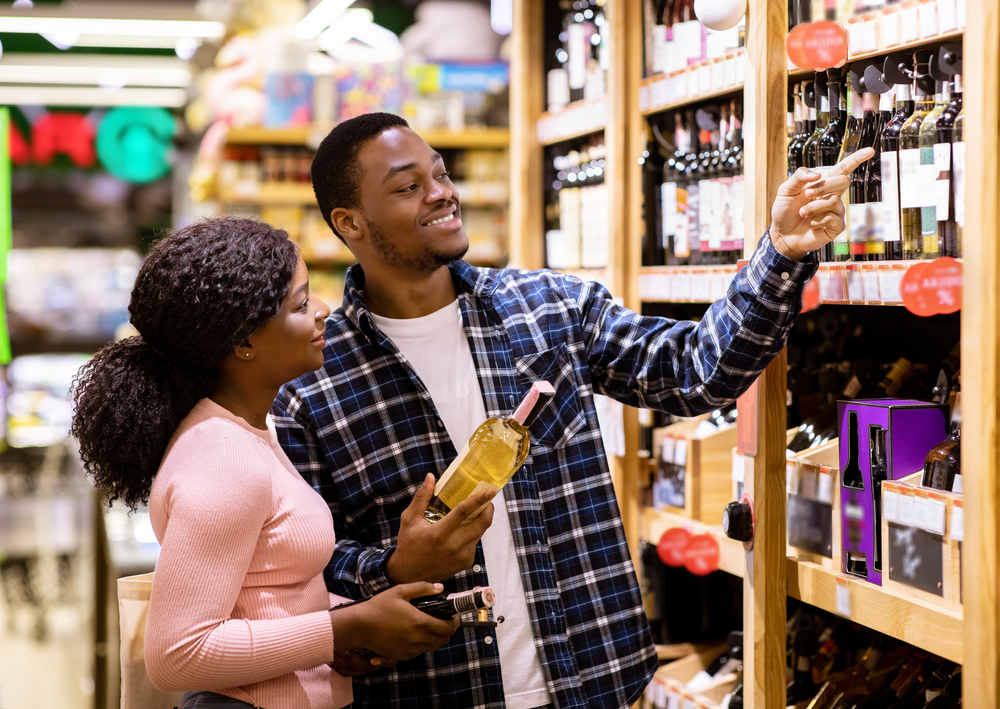
Understanding Different Types of Alcohol Purchases
The landscape of alcohol sales in Texas is fundamentally shaped by the distinction between different types of alcoholic beverages: beer and wine versus liquor and spirits. This differentiation dictates where and when you can make your purchases, influencing everything from a quick stop at a convenience store to a planned visit to a specialty shop.
Beer and Wine: The regulations surrounding beer and wine sales are generally more lenient than those for spirits, reflecting a historical perspective that often viewed these beverages as less potent or more suitable for casual consumption. You’ll find beer and wine widely available for purchase at a variety of retailers across Texas. This includes most grocery stores, convenience stores, and even gas stations. This widespread availability means that stocking up for a picnic by Lady Bird Lake in Austin, enjoying a quiet evening in your hotel suite, or simply grabbing a six-pack on your way to a friend’s barbecue is relatively straightforward. These establishments typically offer a broad selection, from local craft brews to international wines, catering to diverse tastes and preferences. The convenience of these sales points is a significant factor for travelers, especially those staying in self-catering accommodations like apartments or villas, who might wish to prepare their own meals and pair them with a local beverage.

Liquor and Spirits: In stark contrast to beer and wine, the sale of liquor and spirits in Texas is much more restrictive. Hard alcohol, such as whiskey, vodka, gin, and rum, can only be purchased from specialized, licensed liquor stores. These stores operate under a distinct set of regulations, including more limited hours and days of operation. You won’t find spirits on the shelves of your local grocery store or convenience mart. This means that if you’re planning to mix cocktails in your room at a luxury resort like Hotel Emma in San Antonio, or host a gathering with spirits, you’ll need to make a dedicated trip to a liquor store within their specific operating hours. These restrictions often come as a surprise to visitors from states with more liberal liquor laws, underscoring the importance of understanding these distinctions to avoid disappointment. The limited availability and specific timings for liquor sales necessitate a bit more planning, particularly if your travel schedule involves weekend activities or holidays.

Specific Hours and Days for Alcohol Sales
Understanding the precise hours and days for alcohol sales in Texas is paramount, as these regulations dictate when and where you can acquire your preferred beverages, whether for immediate consumption or to take home. These timings vary significantly between off-premise sales (stores) and on-premise sales (bars, restaurants), and also by the type of alcohol.
Off-Premise Sales (Stores)
This category covers purchases made at grocery stores, convenience stores, liquor stores, and similar retail outlets where alcohol is bought to be consumed elsewhere.
Beer and Wine Sales:
- Monday through Saturday: You can purchase beer and wine from 7 AM to Midnight. This wide window makes it convenient to pick up these beverages throughout most of the day and evening during the week.
- Sunday: Recent legislative changes have made Sunday purchases of beer and wine more accessible. You can now buy beer and wine from 10 AM to Midnight on Sundays. This is a welcome change for many, allowing for more flexibility in weekend planning.
- Location: Widely available at grocery stores, convenience stores, and gas stations.
Liquor and Spirits Sales:
- Monday through Saturday: Liquor stores are permitted to sell spirits from 10 AM to 9 PM. This is a considerably narrower window compared to beer and wine, requiring more deliberate planning for these purchases.
- Sunday: Liquor stores are closed all day Sunday. This is a strict rule across the state, meaning no liquor sales are permitted on Sundays.
- Holidays: Additionally, liquor stores are legally required to close on specific public holidays, including Thanksgiving Day, Christmas Day, and New Year’s Day. If any of these holidays fall on a Sunday, the closure extends to the following Monday. This is crucial for travelers planning to celebrate these holidays in Texas.
- Location: Exclusively sold at dedicated liquor stores.
On-Premise Sales (Bars, Restaurants, Hotels)
These regulations apply to establishments where alcohol is served and consumed on the premises, such as restaurants, bars, hotels, and entertainment venues.
-
General Hours:
- Monday through Friday: Alcohol can generally be served from 7 AM to Midnight.
- Saturday: Service typically extends from 7 AM to 1 AM the following morning.
- Sunday: On-premise sales often begin later, typically from 10 AM to Midnight, primarily for establishments that serve food. This allows for popular brunch services with mimosas or Bloody Marys.
-
Extended Hours Permits: Many establishments, especially in major urban centers like Austin, Dallas, Houston, and San Antonio, hold “Extended Hours” permits. These permits allow them to serve alcohol until 2 AM any day of the week, including Sundays. This is a key factor for those looking to experience the vibrant nightlife of Texas cities. It’s common for bars, nightclubs, and the bars within hotels like The Driskill Hotel to operate under these extended hours, offering guests and patrons more flexibility for evening entertainment.
-
Hotel Bars and Room Service: The convenience of hotels often means that their internal bars and room service operations can leverage these extended hours, providing guests with options for late-night drinks without needing to leave the premises. This is a significant amenity for those staying at Texas resorts and upscale hotels.
-
Special Venues and Events: Large venues such as AT&T Stadium in Arlington or Minute Maid Park in Houston, as well as dedicated event centers and festival grounds, often have specific permits that allow them to sell alcohol during events, sometimes with hours extending beyond general on-premise limits, tailored to the event schedule.
The Nuance of “Dry” and “Wet” Counties
One of the most distinctive and often perplexing aspects of Texas alcohol laws is the concept of “dry,” “wet,” and “partially wet” areas. This system is a direct legacy of Prohibition-era laws, where local communities were granted the power to decide alcohol sales within their jurisdictions through “local option elections.” This means that, despite being a unified state, Texas is a patchwork quilt of different alcohol regulations.
-
Historical Context: Following the repeal of national Prohibition, Texas allowed individual counties and even specific precincts within counties to vote on whether to permit the sale of alcohol. This led to a diverse landscape where a town in one county might have full alcohol sales, while a neighboring county might be entirely “dry,” meaning no alcohol can be legally sold there at all. Other areas are “partially wet,” allowing for the sale of beer and wine but not liquor, or permitting only on-premise consumption but not off-premise sales.
-
Impact on Tourism: The “dry” and “wet” county system can significantly impact a traveler’s experience, especially when venturing outside major metropolitan areas. Imagine planning a scenic drive through rural Texas and hoping to pick up a bottle of wine for an evening’s relaxation, only to find that the entire county is dry. This necessitates advance planning. For instance, while major cities like Austin, Dallas, Houston, San Antonio, Fort Worth, and Galveston are predominantly “wet” with full alcohol sales, many smaller towns and rural counties maintain some form of restriction.
-
Examples: Some counties might be entirely “dry,” meaning you cannot buy any alcoholic beverages within their borders. Other “partially wet” areas might allow restaurants to serve beer and wine with a meal but prohibit liquor sales or any off-premise sales whatsoever. In some precincts, you might even find that only beer is allowed, or only on-premise sales of all alcohol types. This granular level of detail makes it crucial to be aware of your specific location.
-
Advice for Travelers: When planning your trip, especially if you intend to explore less populated areas or stay in accommodations outside the main cities, it is highly advisable to check the local alcohol ordinances. While a comprehensive list of every “dry” precinct is complex to maintain, a general understanding of the county status can be helpful. Resources like the TABC website (though we won’t link externally) often provide information or maps illustrating the local option status of various areas. Always assume restrictions unless you confirm otherwise, especially when stocking up for a longer stay or an outing. This proactive approach will prevent unexpected situations and ensure you can enjoy your chosen beverages as planned, adding to the richness of your Texas travel adventures.
Where to Enjoy a Drink: Alcohol Sales in Context of Travel & Lifestyle
The intricate web of Texas alcohol laws, when properly understood, opens up a world of possibilities for travelers and locals to enhance their experiences. From savoring gourmet meals with expertly paired wines to enjoying lively concerts with a cold beer, the context of where you can consume alcohol is as important as when you can buy it.
Restaurants and Bars: Texas’s culinary scene is as diverse as its geography, ranging from world-renowned steakhouses and authentic Tex-Mex establishments to innovative farm-to-table restaurants and bustling craft breweries. In cities like Austin, the self-proclaimed “Live Music Capital of the World,” the vibrant nightlife includes countless bars and music venues that serve alcohol late into the evening, often until 2 AM with extended permits. In Dallas and Houston, you’ll find sophisticated cocktail lounges and upscale dining establishments where spirits, wines, and beers are an integral part of the experience. San Antonio’s historic Riverwalk is lined with restaurants and bars, offering a picturesque setting to enjoy a margarita or local brew. Texas also boasts a burgeoning craft beer industry and an increasingly recognized wine region, particularly in the Texas Hill Country, where visitors can enjoy tastings directly from local wineries and distilleries.
Hotels and Resorts: For many travelers, the hotel is a sanctuary, and the availability of alcoholic beverages can significantly enhance the comfort and luxury of a stay. Most hotels in “wet” areas will feature mini-bars stocked with a selection of beers, wines, and sometimes spirits. Hotel bars, ranging from cozy lounges to elaborate poolside bars, are common amenities, often operating under extended hour permits, allowing guests to enjoy a nightcap or a leisurely drink. Luxury resorts, such as Hotel Emma in San Antonio or The Driskill Hotel in Austin, pride themselves on offering exquisite dining and bar experiences, complete with curated drink menus and impeccable service. Room service also typically includes alcoholic beverage options, providing ultimate convenience for guests.
Grocery Stores and Convenience Stores: These retail points are invaluable for those opting for self-catering accommodations like apartments or villas, or for travelers who simply prefer to enjoy a drink in their private space. Stocking up on beer and wine for a relaxed evening in, or for a picnic at scenic spots like Zilker Park in Austin, is straightforward within the permitted hours. The availability of these beverages at accessible locations ensures that visitors can tailor their travel lifestyle to their preferences, whether that means a spontaneous get-together or a planned family meal.
Special Venues and Events: Texas is a hub for major events, from high-stakes sporting events to internationally recognized music and arts festivals. Venues like AT&T Stadium, home of the Dallas Cowboys, and Minute Maid Park, where the Houston Astros play, regularly serve alcohol during games and concerts. Iconic festivals such as South by Southwest (SXSW) in Austin and Austin City Limits also feature numerous designated areas where alcohol can be purchased and consumed, adding to the festive atmosphere. Understanding the specific rules of each venue is important, as some may have restrictions on bringing outside alcohol or designated consumption zones.
Alcohol Delivery Services: In a nod to modern convenience, Texas has also embraced alcohol delivery services. Many restaurants and licensed retailers now offer the option to have beer, wine, and even spirits (from liquor stores) delivered directly to your doorstep, within legal hours and age restrictions. This service is particularly beneficial for travelers staying in accommodations without on-site bars or those simply preferring the comfort of their room. It’s an evolving aspect of the Texas lifestyle that enhances convenience and access, blending seamlessly with the broader tourism experience.
Important Considerations for Responsible Consumption in Texas
While Texas offers abundant opportunities to enjoy alcoholic beverages, responsible consumption is paramount, not only for personal safety but also for adherence to state laws and local customs. Being mindful of these considerations ensures a smooth and enjoyable experience for everyone.
Legal Drinking Age: The legal drinking age in Texas, as across all of the United States, is strictly 21 years old. This law is rigorously enforced across all establishments, from bars and restaurants to retail stores. If you appear to be under this age, expect to be asked for a valid form of identification, such as a driver’s license, state-issued ID card, or passport. Attempting to purchase or consume alcohol underage carries significant penalties, including fines and legal repercussions.
Identification Requirements: Always carry a valid, government-issued photo ID when attempting to purchase or consume alcohol. This is a standard practice in Texas, and service will be refused if proper identification cannot be presented, regardless of perceived age. Even if you are well over 21, it is always best to have your ID readily available.
Public Consumption Laws: Generally, it is illegal to consume alcoholic beverages in public places in Texas, unless the area is specifically designated for such consumption or falls under a specific permit (e.g., a licensed outdoor patio, a designated festival area, or a public event with proper authorization). This means you cannot typically walk down a street with an open container of alcohol, nor can you drink in public parks like Zilker Park without specific permissions. Violating public consumption laws can result in fines. Always look for signage or ask local authorities if you are unsure about the rules in a particular public space.
Driving Under the Influence (DUI): Texas has very strict laws and severe penalties for driving under the influence of alcohol (DUI) or driving while intoxicated (DWI). The legal blood alcohol concentration (BAC) limit is 0.08% for adults 21 and over. For those under 21, any detectable amount of alcohol can lead to a DUI charge. The consequences of a DUI conviction can include hefty fines, jail time, license suspension, and increased insurance rates, not to mention the risk to personal safety and the safety of others. When exploring cities like Fort Worth, Galveston, or the bustling streets of Houston and Dallas, it is highly advisable to utilize ride-sharing services, taxis, public transportation, or designated drivers if you plan to consume alcohol. Many hotels and resorts also offer shuttle services or can arrange transportation, making responsible choices convenient.
Responsible Hospitality: The Texas hospitality industry, including hotels, resorts, restaurants, and bars, is committed to responsible alcohol service. Staff are trained to monitor consumption and may refuse service to intoxicated individuals. This is for the safety and well-being of all patrons and is a reflection of the state’s dedication to responsible tourism. Visitors are encouraged to drink in moderation and respect the decisions of service staff.
Package Deals and All-Inclusive Stays: While true “all-inclusive” resorts with unlimited alcohol are less common in Texas compared to some international destinations, many hotels and resorts offer package deals that might include drink vouchers, complimentary welcome beverages, or specific beverage options as part of a dining experience. It’s always a good idea to clarify what is included in such packages if alcohol is a key consideration for your stay.
In essence, embracing responsible consumption allows visitors to fully enjoy the diverse and vibrant experiences Texas has to offer, without the worry of legal complications, ensuring a memorable and positive journey through the Lone Star State.
Conclusion
Navigating the alcohol laws in Texas might seem a bit intricate at first glance, but with a clear understanding, visitors and residents alike can fully enjoy the diverse social and culinary landscape the state offers. From the lively bar scenes in Austin and Dallas to a quiet glass of local wine in the Texas Hill Country, Texas provides a wide array of opportunities to partake in alcoholic beverages within its specific legal frameworks.
Remember the key takeaways: liquor stores operate with stricter hours and are closed on Sundays and certain holidays, while beer and wine are more readily available at grocery and convenience stores, even on Sundays starting from 10 AM. On-premise consumption at bars and restaurants generally extends later into the night, with many establishments in major cities offering service until 2 AM with special permits. Crucially, be mindful of the “dry” and “wet” county distinctions, especially when traveling through smaller towns or rural areas, as local regulations can vary significantly.
Beyond the “when” and “where,” responsible consumption is paramount. Always carry valid identification, respect the legal drinking age of 21, and never drink and drive – opting for ride-shares, taxis, or designated drivers is always the safest choice when exploring the vibrant nightlife of Houston, San Antonio, or Fort Worth.
By staying informed and respecting local regulations, your Texas adventure can be as smooth and enjoyable as the finest Texas whiskey. Whether you’re indulging in the local cuisine, unwinding at a luxurious hotel, or soaking in the atmosphere of a major event, understanding the nuances of alcohol sales will undoubtedly enhance your overall experience in the Lone Star State. Plan wisely, drink responsibly, and prepare to discover all the unique charm and excitement that Texas has in store.
LifeOutOfTheBox is a participant in the Amazon Services LLC Associates Program, an affiliate advertising program designed to provide a means for sites to earn advertising fees by advertising and linking to Amazon.com. Amazon, the Amazon logo, AmazonSupply, and the AmazonSupply logo are trademarks of Amazon.com, Inc. or its affiliates. As an Amazon Associate we earn affiliate commissions from qualifying purchases.