
When planning a trip to the bustling metropolis of New York City, one of the most fundamental logistical details travelers must account for is the local time. Understanding how time is measured in the “City That Never Sleeps” is essential for coordinating international flights, booking hotel check-ins, or ensuring you arrive on time for a highly anticipated Broadway show.
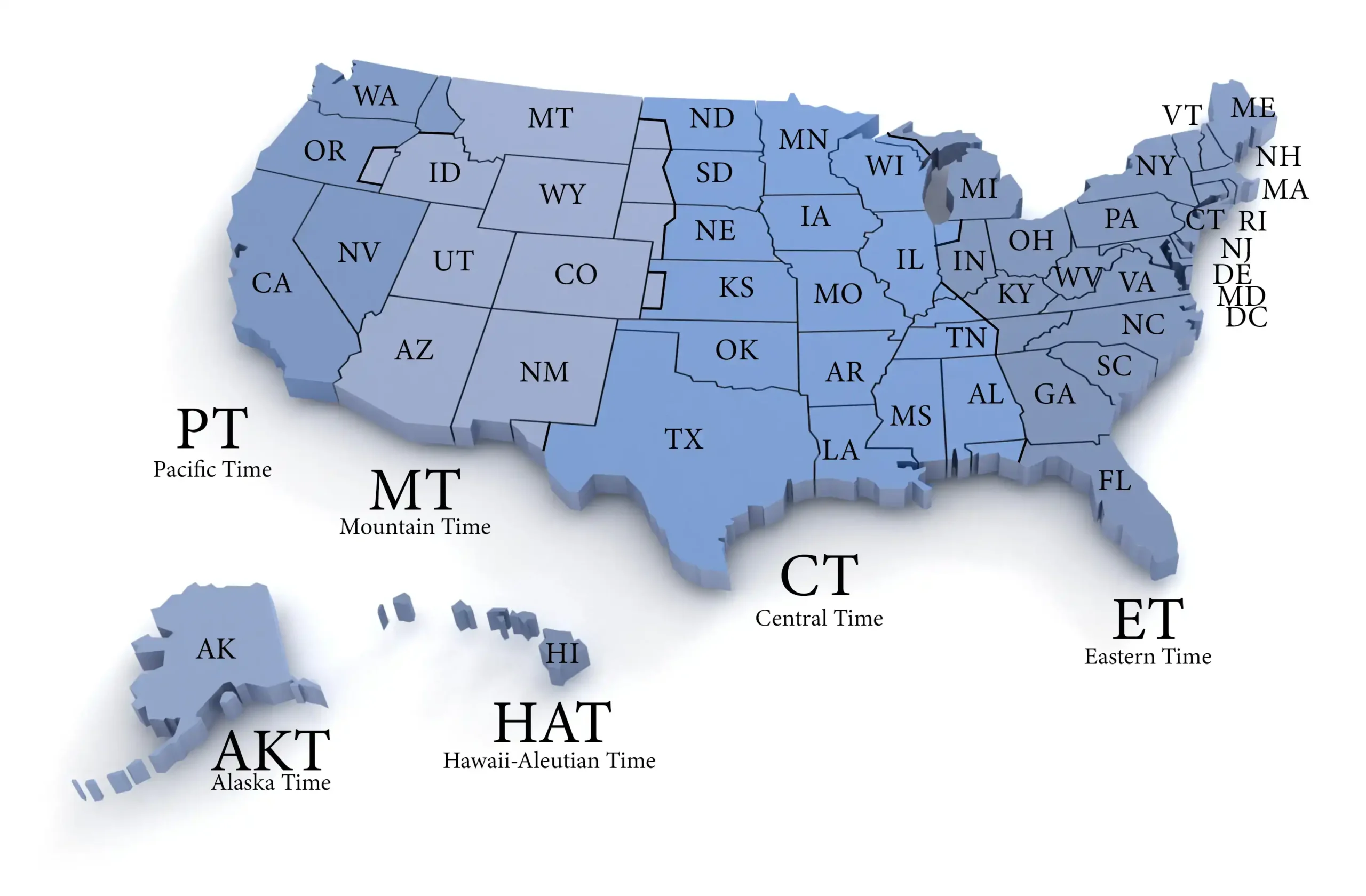
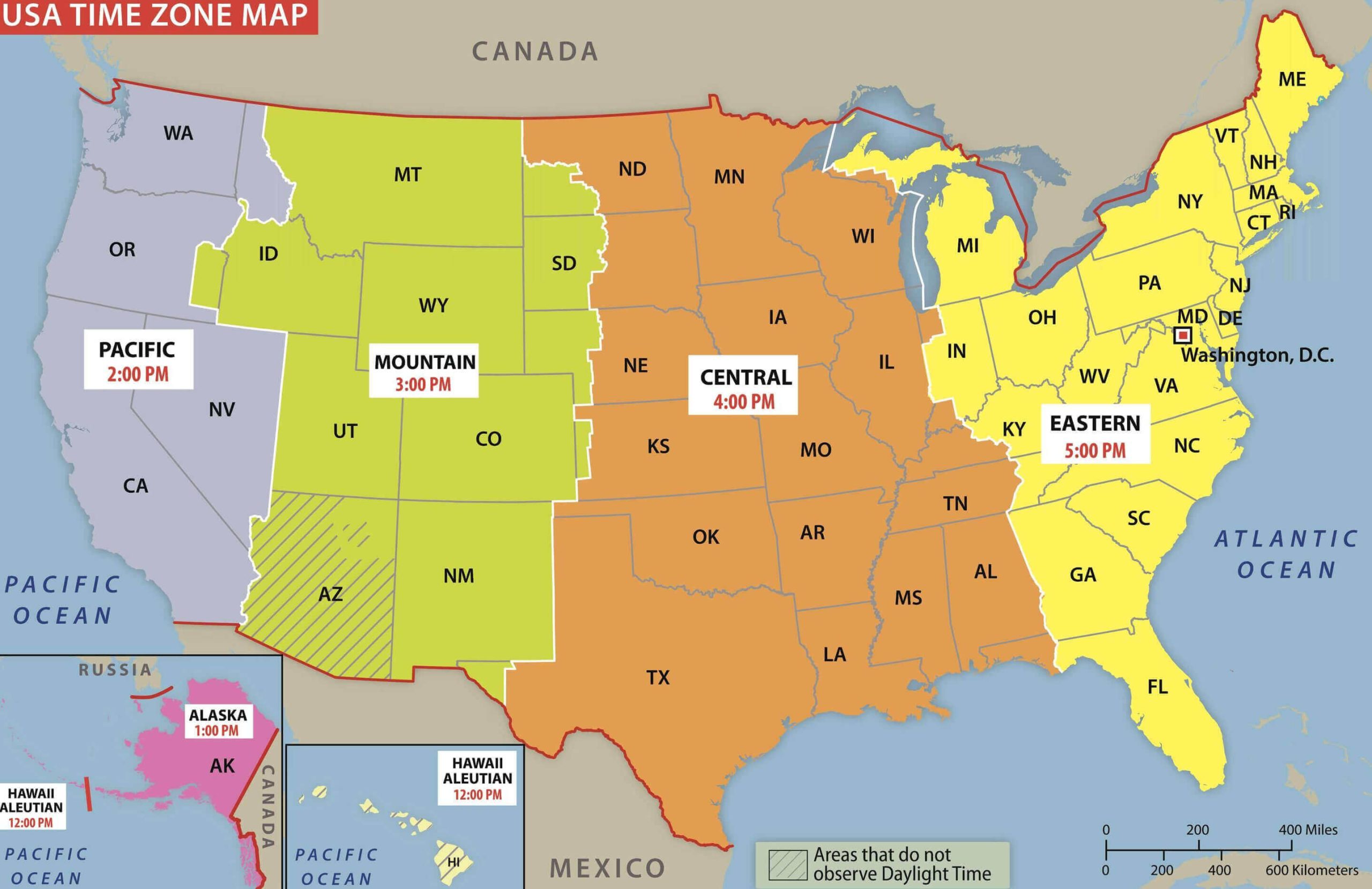
New York City operates on Eastern Time. However, because the United States observes Daylight Saving Time, the specific offset changes depending on the time of year. Being aware of these shifts prevents potential travel headaches and ensures that your itinerary—from morning coffee in Central Park to dinner reservations near Times Square—runs like clockwork.
Understanding Eastern Time and Daylight Saving
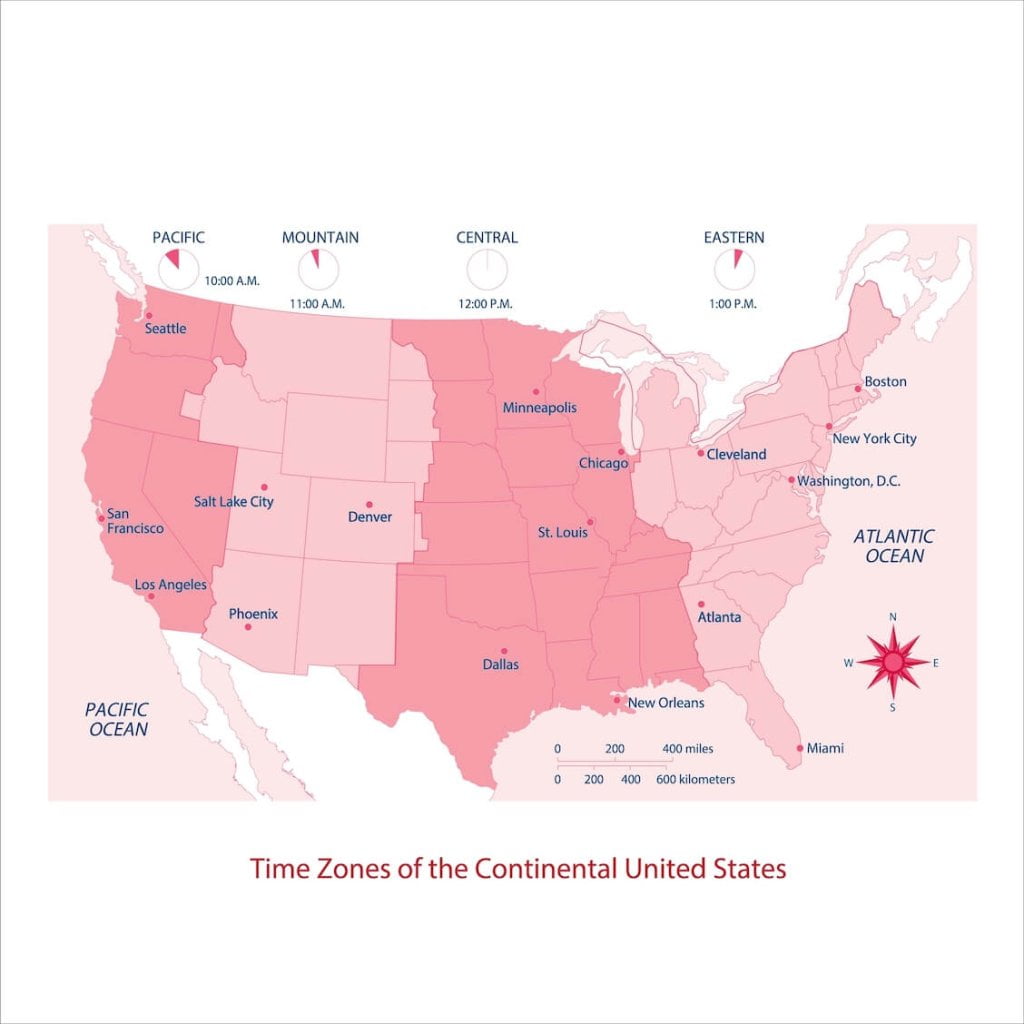
The time zone system in North America is designed to help harmonize business and travel across a massive continent. New York City falls under the Eastern Time Zone, which serves as the anchor for many major commercial activities in the United States.
Eastern Standard Time (EST)
During the winter months, New York City is on Eastern Standard Time (EST), which is five hours behind Coordinated Universal Time (UTC-5). This period generally begins in early November and lasts until the second Sunday of March. During these months, the days are shorter, and the city takes on a distinct, cozy atmosphere, especially when snow falls upon the Brooklyn Bridge.
Eastern Daylight Time (EDT)
When the clocks “spring forward” on the second Sunday of March, the city shifts to Eastern Daylight Time (EDT), which is four hours behind Coordinated Universal Time (UTC-4). This transition allows for longer, brighter evenings, which are perfect for exploring outdoor attractions like the High Line or enjoying a rooftop drink with a view of the Empire State Building. This shift remains in effect until the first Sunday of November.
The Importance of Time Zones for Travelers
For visitors traveling from overseas or even across time zones within the United States, the time difference can significantly impact your physical well-being and your ability to hit the ground running. New York City is a fast-paced environment, and managing your internal clock is part of the experience.
Mitigating Jet Lag
If you are arriving from Europe or Asia, the time difference can be substantial. A popular strategy for travelers staying at iconic locations like the Plaza Hotel is to immediately adjust to the local time upon landing. Whether you land at John F. Kennedy International Airport or LaGuardia Airport, try to stay awake until a normal local bedtime to accelerate the adjustment process. Staying hydrated and spending your first afternoon under the natural sunlight in Battery Park can help recalibrate your circadian rhythm.
Coordinating Transatlantic Travel
New York City acts as a global gateway. When communicating with family or colleagues back home, always verify whether your location or theirs is currently observing daylight savings. Many regions outside of the United States observe different start and end dates for time shifts, or they may not observe them at all. Being aware of this ensures that you do not miss a check-out time at the Waldorf Astoria New York or miss a scheduled guided tour of the Statue of Liberty.
Navigating the City by the Clock
Once you have landed and adjusted to the local time, you will find that New York City runs on a very specific schedule. Knowing the time zone is only half the battle; understanding how the city moves within that time frame is the key to a stress-free trip.
Peak Hours and Public Transit
The Eastern Time zone dictates the rush hours of the New York City workforce. Commuter traffic is heaviest between 7:00 AM and 9:30 AM, and again from 4:30 PM to 7:00 PM. If you are planning to visit popular museums like the Metropolitan Museum of Art, it is often beneficial to go mid-morning or late afternoon, effectively working around the primary flow of local traffic.
Dining and Entertainment Windows
New York is famous for its late-night culture. Because the city is on Eastern Time, most restaurants and entertainment venues follow a standard schedule that accommodates both early birds and night owls.
- Breakfast/Brunch: Generally served between 8:00 AM and 11:00 AM.
- Theater Performances: Most Broadway shows near Times Square have matinees around 2:00 PM and evening performances starting at 7:00 PM or 8:00 PM.
- Late Night: Many diners and bars in neighborhoods like Greenwich Village remain open well past midnight, embracing the city’s reputation for never sleeping.
Digital Tools for Time Management
In the age of smartphones, your devices will typically update to the New York City time automatically when you connect to local cellular networks. However, for those who prefer planning their days with precision, utilizing a world clock app can be incredibly helpful when coordinating with friends back in London, Paris, or Tokyo. Ensure your hotel room at properties like the 1 Hotel Brooklyn Bridge has an alarm clock that is properly set, or rely on your mobile device to ensure you never miss a morning reservation for a view of the Manhattan Bridge.
Final Tips for Time-Conscious Travelers
The transition into Eastern Time is generally seamless, but a little preparation goes a long way. Whether you are traveling for a business trip to Wall Street or a family vacation to see the American Museum of Natural History, always keep the following in mind:
- Check the Season: Always verify if you are traveling during the window of Eastern Standard Time or Eastern Daylight Time. The shift of a single hour can catch travelers off guard.
- Confirm Your Appointments: If you have booked a private tour or a reservation at a high-end establishment like Le Bernardin, confirm the time zone of the booking confirmation to avoid any discrepancies.
- Respect the Rush: Use the local time to your advantage. By avoiding transit during peak commute hours, you give yourself more time to enjoy landmarks like Grand Central Terminal without the pressure of the crowd.
By respecting the local time zone and understanding how the rhythm of New York City functions, you can maximize your time spent exploring the iconic boroughs of Manhattan, Brooklyn, and beyond. From the first light hitting the Rockefeller Center to the late-night lights of Fifth Avenue, your journey through the city will be perfectly timed.
LifeOutOfTheBox is a participant in the Amazon Services LLC Associates Program, an affiliate advertising program designed to provide a means for sites to earn advertising fees by advertising and linking to Amazon.com. Amazon, the Amazon logo, AmazonSupply, and the AmazonSupply logo are trademarks of Amazon.com, Inc. or its affiliates. As an Amazon Associate we earn affiliate commissions from qualifying purchases.