
Planning a trip to the Grand Canyon, exploring the vibrant city of Phoenix, or embarking on a desert adventure in Arizona requires careful consideration of many factors, from accommodation to attractions. However, one often-overlooked detail that can significantly impact your travel plans and overall experience is the local time zone. Unlike most other states in the United States, Arizona presents a unique situation regarding its timekeeping practices, which can sometimes lead to confusion for visitors.
At its core, the vast majority of Arizona observes Mountain Standard Time (MST) throughout the entire year. This means that while most of the country “springs forward” for Daylight Saving Time in the spring and “falls back” in the autumn, Arizona largely opts out of this biannual ritual. This distinctive approach to timekeeping has roots in the state’s geography, climate, and historical decisions, making it a fascinating topic for anyone planning to immerse themselves in the local culture or simply manage their itinerary effectively. Understanding this peculiarity is not just a matter of knowing what time it is; it’s crucial for everything from booking flights and coordinating meetings to enjoying sunset tours and timing your hotel check-ins.
This comprehensive guide will delve into the intricacies of Arizona’s time zone, shedding light on why it operates differently, how this impacts travelers, and what specific regional exceptions you need to be aware of. Whether you’re a first-time visitor or a seasoned traveler returning to the Grand Canyon State, mastering this aspect of local knowledge will undoubtedly enhance your journey and ensure a smoother, more enjoyable experience.
Understanding Arizona’s Unique Time Zone Status
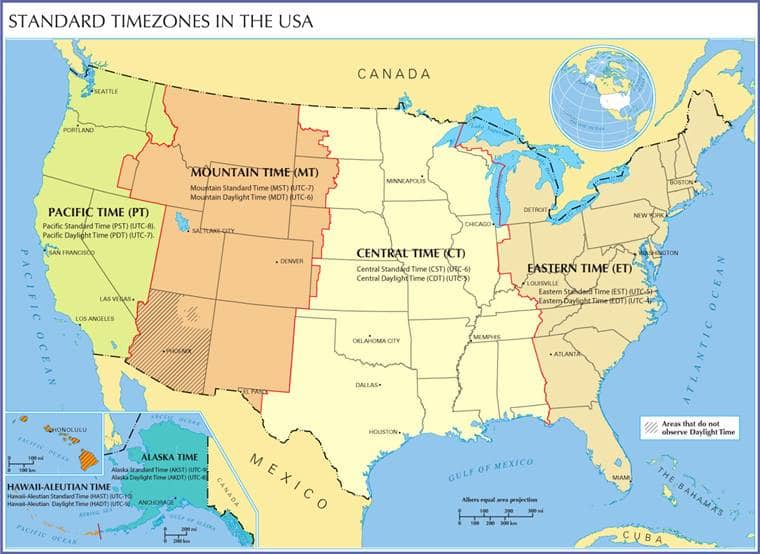
The state of Arizona stands out on a time zone map due to its consistent adherence to Mountain Standard Time (MST) all year long. This means that for roughly half of the year, from March to November, Arizona’s time aligns with Pacific Daylight Time (PDT), making it effectively the same time as California and Nevada. During the winter months, when other states revert to standard time, Arizona remains on MST, putting it an hour ahead of Pacific Standard Time (PST) and in sync with Mountain Standard Time in states like Colorado and New Mexico. This constant state of flux relative to its neighbors is the primary source of confusion but also a key element of its identity.
Mountain Standard Time (MST) Year-Round
The decision to forgo Daylight Saving Time was made by Arizona in 1968, primarily due to the state’s intense summer heat. The rationale was simple: with scorching temperatures that often exceed 100°F (38°C), most residents prefer to conduct outdoor activities and errands earlier in the morning or later in the evening, after the sun has begun to set. Shifting the clock forward for Daylight Saving Time would mean the sun would set an hour later, extending the period of extreme heat into the evening and increasing energy consumption due to prolonged use of air conditioning. By staying on Mountain Standard Time year-round, the state effectively enjoys earlier sunsets in the summer, which is more aligned with the lifestyle and comfort of its inhabitants.
This consistent approach simplifies daily life for Arizonans, eliminating the disruption of changing clocks twice a year. For visitors, it means that between roughly March and November, when most of the United States observes Daylight Saving Time, Arizona runs parallel with California and Nevada. From November to March, when those states revert to Pacific Standard Time, Arizona becomes an hour ahead. This distinction is vital when coordinating flights, virtual meetings, or even just calling family and friends in other parts of the country.
The Rationale Behind No Daylight Saving Time
The decision to opt out of Daylight Saving Time is not unique to Arizona, as Hawaii also follows suit. However, Arizona’s reason is deeply rooted in its desert climate and the practical implications for its residents. The primary argument against Daylight Saving Time in Arizona has always centered on energy conservation and quality of life. Pushing the clock forward would mean an hour more of daylight extending into the evening during summer, which would necessitate more air conditioning during the hottest parts of the day. This would lead to higher energy costs for homes and businesses, contrary to the original intent of Daylight Saving Time, which was often to conserve energy.
Furthermore, the natural rhythm of life in Arizona is dictated by the sun. Many outdoor activities, from golfing in Scottsdale to hiking near Sedona, begin at sunrise to avoid the midday heat. Keeping a consistent clock all year allows for more predictable scheduling and aligns better with the natural patterns of the day in a state where temperature is a dominant factor. This unique approach contributes to Arizona’s distinct identity and offers an interesting cultural insight for those looking to understand the local lifestyle.
Navigating Time for Arizona Travelers and Tourists
For visitors, understanding Arizona’s time zone requires a bit of pre-planning, but once you grasp the concept, it becomes second nature. This insight is particularly valuable for those venturing into the state for tourism, business stays, or a family trip, as it impacts everything from flight schedules to attraction opening hours.
Planning Your Arrival and Departure
The most critical impact of Arizona’s time zone policy for travelers is on arrival and departure times. If you’re flying into Phoenix Sky Harbor International Airport or Tucson International Airport during the summer months (when most other states observe Daylight Saving Time), your departure city’s time might be different from what you expect. For example, if you’re flying from New York (Eastern Daylight Time), Arizona will be three hours behind. If you’re coming from Los Angeles (Pacific Daylight Time), the times will be identical. Always double-check your flight itineraries and airline confirmations, which typically display times in the local time zone of each airport.
For road trips, especially those crossing state lines from California, Nevada, Utah, or New Mexico, being aware of the time change is paramount. Crossing into Arizona from Nevada during summer means no time change, while crossing in winter means gaining an hour. From Utah (which observes DST), you’ll effectively fall back an hour during summer. These subtle shifts can throw off your schedule if not accounted for, potentially causing you to miss a planned activity or a crucial check-in window for your villas or suites.
Synchronizing with Attractions and Activities
When planning your itinerary, remember that all local attractions, national parks like the Grand Canyon National Park, museums such as the Heard Museum in Phoenix, and guided tours will operate on Arizona’s Mountain Standard Time. This consistent approach simplifies things once you are in the state, but it’s important to keep in mind when coordinating from outside. For instance, if you’ve booked a sunrise tour of Antelope Canyon or a scenic drive along Route 66, ensure your internal clock and communication with tour operators are aligned with MST.
Many popular outdoor activities, from hiking Camelback Mountain to exploring the Desert Botanical Garden, are best enjoyed in the cooler morning or late afternoon hours. Arizona’s year-round MST helps make these earlier morning starts more palatable as the sun rises earlier relative to clock time during the summer. For evening plans, such as dining in Old Town Scottsdale or stargazing in a dark sky park, the consistent time zone helps with planning without the mid-season clock adjustments.
Hotels, Resorts, and Accommodation Bookings
For hotel and resort bookings, check-in and check-out times will always adhere to local Arizona time. This is standard practice globally, but the no-DST policy means you won’t have to worry about an unexpected hour shift impacting your arrival or departure from your chosen apartments or villas. When making reservations online or over the phone, confirm whether the times quoted are in your local time zone or Arizona’s time to avoid any miscommunication. Many online booking platforms will automatically adjust to your device’s time zone, but a quick verification can save potential headaches, especially for early morning flights or late-night arrivals.
From luxury travel experiences at five-star resorts in Paradise Valley to more budget travel options in smaller towns, all accommodation providers will operate on the same local time. This consistency is a major advantage for travelers once they are within the state, as it removes one layer of complexity. However, if you are coordinating a meet-up with friends arriving from different states, reiterate the Arizona time rule to ensure everyone is on the same page.
Regional Time Zone Nuances: The Navajo Nation Exception
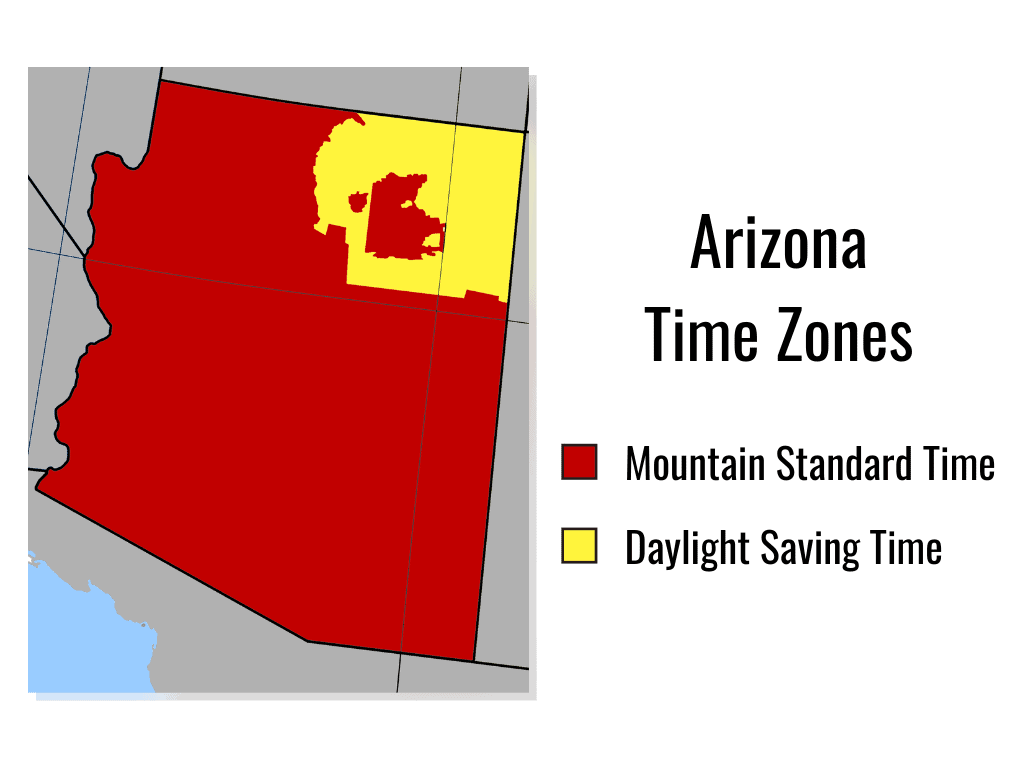
While most of Arizona observes Mountain Standard Time year-round, there’s a significant and important exception that travelers must be aware of: the Navajo Nation. This large semi-autonomous indigenous territory covers parts of northeastern Arizona, as well as sections of New Mexico and Utah, and uniquely observes Daylight Saving Time. This creates an intriguing and sometimes confusing “time warp” for those traveling through or staying within its boundaries.
Navajo Nation Observes Daylight Saving Time
The Navajo Nation, unlike the rest of Arizona, follows the standard practice of observing Daylight Saving Time. This means that during the spring and summer months (when DST is in effect elsewhere), the Navajo Nation shifts its clocks forward by one hour, effectively putting it on Mountain Daylight Time (MDT). From November to March, it reverts to Mountain Standard Time, aligning with the rest of Arizona.
This distinction is crucial because many of Arizona’s most iconic natural landmarks and destinations are located within the Navajo Nation. Monument Valley, Antelope Canyon, Canyon de Chelly National Monument, and many parts of the Grand Canyon’s East Rim fall within this territory. If you’re planning a tour or activity in these areas between March and November, you’ll need to remember to set your clock forward by one hour relative to the time in Phoenix or Tucson. For example, if it’s 9:00 AM in Flagstaff (MST), it will be 10:00 AM in Page, which is within the Navajo Nation and observing MDT. This subtle difference is vital for arriving on time for guided tours, particularly those with strict schedules like Antelope Canyon tours, which are often booked well in advance.
The Hopi Reservation’s Position
Adding another layer of complexity to Arizona’s time zone map is the Hopi Reservation. This sovereign nation is entirely surrounded by the Navajo Nation but, like the rest of Arizona outside the Navajo Nation, it does not observe Daylight Saving Time. This means that during the months when Daylight Saving Time is active, entering the Hopi Reservation from the surrounding Navajo Nation requires setting your clock back an hour. If you then leave the Hopi Reservation and re-enter the Navajo Nation, you’d need to set it forward again.
This creates a peculiar “time donut” effect, where an area observing MST is entirely enclosed by an area observing MDT during half the year. While the Hopi Reservation is less frequently visited by general tourists due to its more remote nature and emphasis on preserving local culture, it’s an important detail for anyone traveling extensively through northeastern Arizona’s tribal lands. When planning visits to these areas, it’s always advisable to confirm the local time with guides or local information centers. Relying on your phone’s automatic time zone updates may not be sufficient, as cell service can be spotty, and devices sometimes struggle with such localized time zone shifts.
Practical Tips for a Seamless Arizona Experience
Understanding Arizona’s time zone intricacies is a fundamental step toward a stress-free trip. With a few practical tips and habits, you can navigate these temporal quirks with ease and fully immerse yourself in the natural beauty and vibrant lifestyle the state offers.
Essential Planning Tools and Habits
- Always Confirm Local Times: When booking flights, tours, hotel check-ins, or restaurant reservations, double-check that the times listed are for the local Arizona time (MST) or the Navajo Nation time (MDT during DST), depending on your specific destination.
- Use Reliable Time Zone Apps: While your smartphone usually handles time zones automatically, it’s wise to cross-reference with a dedicated time zone app, especially when traveling through the Navajo Nation and Hopi Reservation where GPS signals might not always accurately pinpoint the exact time zone boundary.
- Physical Clock Check: When in doubt, especially in rural areas, look for a clock in a public place, like a bank or post office, or simply ask a local. This old-fashioned method can be surprisingly reliable.
- Buffer Time: When planning activities, especially those involving crossing into or out of the Navajo Nation during summer, build in an extra hour of buffer time. This will alleviate stress and ensure you don’t miss scheduled events.
- Review Itineraries Carefully: If you’re utilizing a travel guide or a pre-planned itinerary, ensure it accounts for Arizona’s unique time zone situation. Many reputable guides will highlight this point.
Lifestyle Adjustments for Extended Stays
For those planning a long-term stay or considering relocation to Arizona, the lack of Daylight Saving Time will quickly become a part of your daily rhythm. Embracing the consistent MST year-round means less disruption to sleep patterns and a more stable daily routine. You’ll find that during the summer, evenings arrive “earlier” by the clock than in states with DST, making outdoor evening activities more pleasant. Conversely, during winter, the sun will set at the same clock time as it did in summer, meaning earlier sunsets than states observing DST, which can feel quite cozy. This consistent time contributes to a laid-back, sun-focused lifestyle that many residents appreciate. It also simplifies scheduling for businesses and schools, avoiding the twice-yearly adjustment.

Maximizing Your Arizona Adventure
By being mindful of the time zone, you can optimize your Arizona adventure. For example, during summer, the earlier sunrise (relative to states with DST) allows for earlier starts to beat the heat, making a hike up Camelback Mountain or exploring the Saguaro National Park more comfortable. The earlier sunsets also provide more opportunities for stunning golden hour photography at landmarks like the Grand Canyon or the Painted Desert.
Whether you’re engaging in luxury travel at a resort in Scottsdale, enjoying a family trip to a lake in Lake Havasu City, or on a budget travel adventure exploring the historical sites of Yuma or Prescott, understanding the clock is key. It allows you to plan effectively, make seamless bookings, and avoid any scheduling mishaps, ensuring that your focus remains on experiencing the incredible destinations, unique local culture, and breathtaking natural architecture that Arizona has to offer.
In conclusion, the time zone in Arizona is predominantly Mountain Standard Time year-round, a decision deeply ingrained in the state’s efforts to manage its hot climate and optimize daily life. While this simplifies things within most of the state, the notable exception of the Navajo Nation (which observes Daylight Saving Time) requires careful attention for travelers exploring that region. With a little awareness and foresight, you can easily navigate these temporal distinctions, ensuring that your focus remains on creating unforgettable memories in the diverse and beautiful landscape of Arizona.
LifeOutOfTheBox is a participant in the Amazon Services LLC Associates Program, an affiliate advertising program designed to provide a means for sites to earn advertising fees by advertising and linking to Amazon.com. Amazon, the Amazon logo, AmazonSupply, and the AmazonSupply logo are trademarks of Amazon.com, Inc. or its affiliates. As an Amazon Associate we earn affiliate commissions from qualifying purchases.