
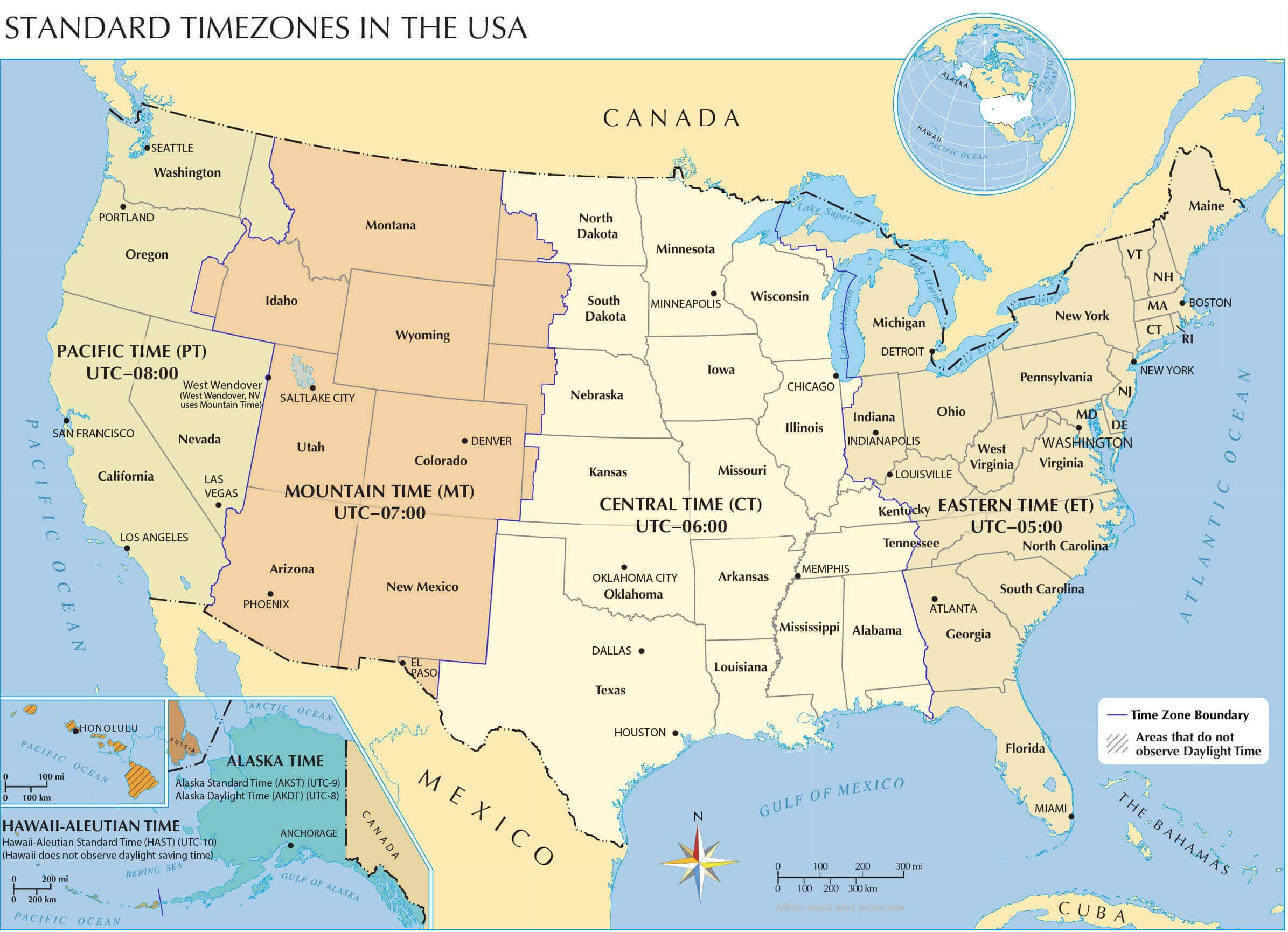
Planning a trip to the Golden State or simply trying to coordinate a call with someone on the West Coast? Understanding the time zone in California is essential for seamless travel, efficient communication, and making the most of your visit. Right now, California observes either Pacific Standard Time (PST) or Pacific Daylight Time (PDT), depending on the time of year. This distinction is crucial, as it marks a one-hour difference that can impact everything from flight schedules to dinner reservations.
From early November to early March, California operates on Pacific Standard Time (PST), which is 8 hours behind Coordinated Universal Time (UTC-8). However, for the majority of the year, typically from the second Sunday in March to the first Sunday in November, the state switches to Pacific Daylight Time (PDT). During this period, clocks are moved forward by one hour, making California 7 hours behind Coordinated Universal Time (UTC-7). This article will delve into the intricacies of California’s time zone, offering insights for travelers, business professionals, and anyone looking to synchronize their activities with the pace of life in this vibrant state.
Unpacking California’s Time Zone: PST, PDT, and Daylight Saving
Understanding the fundamental shift between Pacific Standard Time and Pacific Daylight Time is the first step to mastering your itinerary in California. This biannual change, driven by Daylight Saving Time (DST), impacts everything from transportation schedules to the opening hours of popular attractions.
The Mechanics of Pacific Standard Time (PST)
Pacific Standard Time (PST) is the winter time zone for California and several other western states. From early November to early March, California aligns with PST, which is observed as UTC-8. This means that when it’s noon UTC, it’s 4 AM in California. During these cooler months, the shorter daylight hours mean that sunset comes earlier, and the state’s rhythm adjusts accordingly. For travelers arriving during this period, especially from time zones further east, the initial transition might involve adjusting to a significant time difference. For example, visitors from the East Coast (Eastern Standard Time, EST, UTC-5) will find California three hours behind, meaning a 9 AM flight from New York City lands around 12 PM PST, but feels like 3 PM EST to the body. This difference is essential when planning arrival activities, hotel check-ins, or even scheduling business calls with partners across the country.
Embracing Pacific Daylight Time (PDT)
As spring arrives, California transitions to Pacific Daylight Time (PDT). This shift typically occurs on the second Sunday in March, when clocks “spring forward” one hour. PDT is observed as UTC-7, meaning there’s one less hour difference between California and Coordinated Universal Time. The purpose of Daylight Saving Time is to make better use of daylight, extending evening daylight hours and effectively pushing sunrise later. For a state known for its outdoor lifestyle and vibrant nightlife, this extra hour of evening light is a significant advantage. It allows for longer beach days, extended sightseeing at attractions like the Santa Monica Pier, and later al fresco dining experiences. The shift to PDT means that cities like Los Angeles and San Francisco come alive with an extended golden hour, perfect for photography and enjoying the beautiful Pacific Ocean sunsets.
Navigating the Time Change for Travelers
The biannual time change can be a small hurdle for travelers, but with a bit of planning, it’s easily overcome. When California springs forward to PDT in March, travelers arriving around that time, or already in the state, will lose an hour. This means an hour less of sleep, or a slight adjustment to scheduled activities. Conversely, when the state falls back to PST in November, visitors gain an hour, which can be a welcome bonus for sleep or an extra hour to explore.
For international travelers, especially those arriving from distant time zones like London (GMT/BST) or Tokyo (JST), the time difference can be substantial, leading to jet lag. California is 8 hours behind London during PST and 7 hours during PDT, while it’s a significant 17 hours behind Tokyo during PST and 16 hours during PDT. To mitigate jet lag, it’s advisable to adjust your sleep schedule gradually before departure, stay hydrated, and try to immerse yourself in the local time zone’s rhythm as soon as you arrive. Setting your watch to California time on the plane can also help mentally prepare for the shift.
Time Zone Considerations for Your California Journey
The time zone in California isn’t just a technical detail; it’s a fundamental aspect of planning any trip, influencing everything from flight bookings to daily itineraries and how you connect with the world beyond its borders. Effective management of this time difference can greatly enhance your travel experience.
Planning Your Arrival: From East Coast to West Coast
For most domestic travelers, the journey to California involves crossing at least one or two time zones. The most common scenario is arriving from the East Coast (EST/EDT), which typically puts California three hours behind. This means a 9 AM flight from Miami or Boston arriving in Los Angeles at 12 PM local time will feel like 3 PM to your body. When booking flights, consider opting for arrivals later in the day to allow for a smoother transition to the local time, giving you a chance to settle into your accommodation without feeling rushed or overly fatigued. Booking a late afternoon flight means you arrive just in time for dinner, allowing you to acclimate more naturally to the evening schedule.
International visitors, on the other hand, face a more substantial adjustment. Arriving from Europe or Asia often means a complete flip of your body clock. For instance, a flight from London to San Francisco will span 8 hours during PST and 7 hours during PDT, while a journey from Sydney could mean an even more drastic shift. Prioritizing rest on your flight, staying hydrated, and avoiding caffeine and alcohol can help alleviate jet lag. Upon arrival in cities like San Diego or Sacramento, try to spend some time outdoors in the daylight to help reset your circadian rhythm.
Adjusting to the Local Time: Tips for Travelers
Once you’ve arrived, actively adjusting to California’s time zone is key to a fulfilling trip. The vibrant rhythm of the state beckons, and you won’t want to miss out due to a misaligned internal clock.
- Embrace the Daylight: Maximize your exposure to natural light during the day, especially in the morning. Take a walk along the beaches of Malibu, hike a trail in Griffith Park, or explore the outdoor markets of San Francisco.
- Hydrate and Nourish: Keep well-hydrated and choose light, fresh meals. California’s farm-to-table culinary scene offers plenty of healthy options to keep you feeling energized.
- Strategic Napping: If you feel the need to nap, keep it short (20-30 minutes) and early in the afternoon to avoid disrupting your nighttime sleep.
- Align with Local Schedules: Try to eat meals at local times and plan your evening activities to wind down as the sun sets. Reservations for popular restaurants, tours, or performances at venues like the Hollywood Bowl should always be made with the local time in mind.
Time Zone Considerations for Business and Remote Work
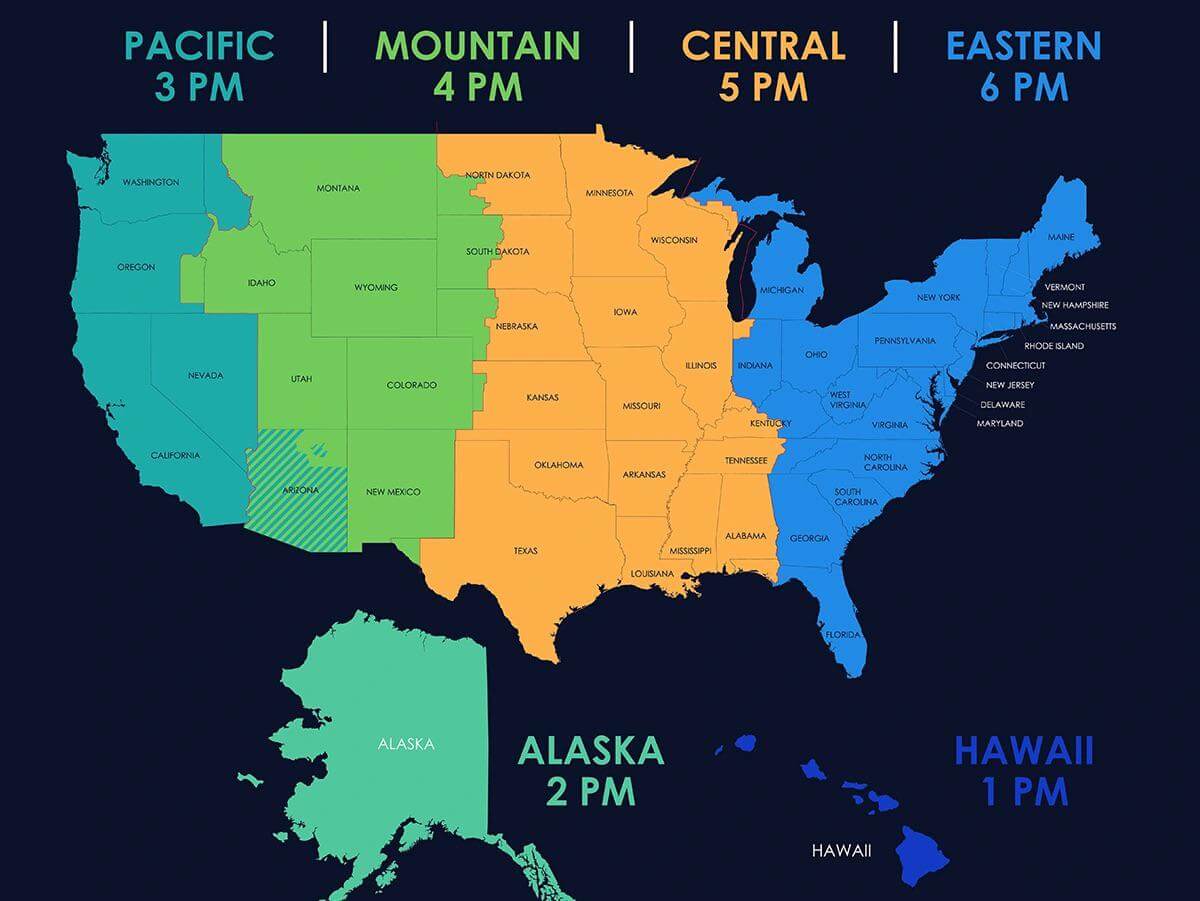
For those blending travel with work, understanding California’s time zone is paramount. Whether you’re in Silicon Valley for a conference or working remotely from a coastal resort, effective communication across different time zones is crucial. Meetings with colleagues on the East Coast will typically mean an early start to your California day (e.g., a 9 AM EST meeting is 6 AM PST/PDT). Conversely, connecting with European or Asian partners might require late-night calls. Utilize online time zone converters and communication tools to schedule meetings efficiently. Many hotels, especially those catering to business travelers like the Grand Hyatt in San Francisco or The Ritz-Carlton, Laguna Niguel, offer amenities like 24-hour business centers and high-speed internet to facilitate remote work, allowing you to manage your schedule effectively regardless of the hour.
Exploring California’s Landmarks and Experiences, Clock-Wise
California is a treasure trove of iconic landmarks and diverse experiences, each with its own optimal visiting times and rhythms influenced by the local clock. From theme parks to natural wonders and culinary adventures, understanding the time zone helps maximize your exploration.
Iconic Landmarks and Attractions Across the Golden State
The vastness of California means a rich array of attractions, all operating on PST or PDT.
- Southern California: In Los Angeles, early mornings are often best to beat the traffic and crowds at popular spots like the Hollywood Walk of Fame or for a hike to the Hollywood Sign. Theme parks such as Disneyland Resort in Anaheim and Universal Studios Hollywood open early and often stay open late, especially during PDT, allowing for extended fun. In San Diego, exploring Balboa Park or visiting the world-renowned San Diego Zoo can be a full-day affair, best started early. Further inland, the desert oasis of Palm Springs is famous for its mid-century architecture and golf courses, where early morning tee times are preferred to avoid the midday heat.
- Northern California: San Francisco’s foggy mornings often give way to clear afternoons, making the timing of your visit to the Golden Gate Bridge or a ferry trip to Alcatraz Island crucial for optimal views. Bookings for Alcatraz Island are notoriously competitive, often requiring reservations weeks or months in advance, irrespective of the time zone. The wine regions of Napa Valley and Sonoma County typically begin wine tastings around 10 AM, allowing for a leisurely day of exploration.
- Natural Wonders: California’s national parks, like Yosemite National Park or Redwood National Park, offer breathtaking scenery that changes with the light. Sunrise and sunset are prime times for photography in Yosemite Valley, while the coastal stretches of Big Sur and the alpine beauty of Lake Tahoe are best enjoyed during long daylight hours, particularly during PDT when the days are longer. Understanding peak visitor times and seasons, often influenced by the time of day and the extended daylight in summer, can help you plan a more serene experience.
Culinary Adventures and Entertainment Synchronized with Local Time
California’s food scene is as diverse as its landscape, and local dining habits are firmly rooted in the time zone. Brunch culture thrives on weekends, often running from 10 AM to 2 PM, while dinner typically begins around 6 PM, with later seatings available in metropolitan areas like Beverly Hills and downtown Los Angeles. Seafood restaurants along the coast in places like Laguna Beach often offer early bird specials, while trendy spots in Silver Lake might have late-night happy hours.
Entertainment venues, from Broadway shows in San Francisco to live music clubs on the Sunset Strip in Hollywood, also operate on the PST/PDT schedule. Showtimes typically begin in the evening, aligning with standard leisure hours. When booking tickets, always confirm the local showtime, especially if you’re coordinating with someone outside of California’s time zone. Many attractions, like the Griffith Observatory in Los Angeles, have specific opening and closing hours that must be respected to ensure entry, often adjusting seasonally.
Accommodation Choices and Their Impact on Your Daily Schedule
Your choice of accommodation can significantly influence how well you adjust to California’s time zone. Resorts in Palm Springs or along the Pacific Coast offer luxurious amenities and often flexible check-in/check-out options, which can be beneficial for managing jet lag. Boutique hotels in San Francisco or charming bed and breakfasts in Sonoma County provide a more intimate experience.
For longer stays, considering serviced apartments or villas can offer a home-away-from-home feel, complete with kitchens, allowing you to maintain your preferred meal times. Amenities such as 24-hour fitness centers or in-room dining services provided by hotels like the Fairmont San Francisco can be particularly useful for travelers whose body clocks are still adjusting. When booking, always double-check the check-in and check-out times, as these are strictly enforced in local time and can impact your initial arrival or final departure plans. Some hotels might offer early check-in or late check-out for an additional fee, providing valuable flexibility when dealing with time differences.
Beyond the Clock: Embracing the California Lifestyle
The beauty of California isn’t just in its iconic sights but also in its distinctive lifestyle. Understanding the time zone allows you to fully immerse yourself in this culture, whether you’re seeking luxury, adventure, or family fun. It’s about more than just knowing the current hour; it’s about synchronizing with the Golden State’s rhythm.
Luxury and Leisure: Making the Most of Every Hour
For those seeking a luxurious escape, California offers an unparalleled array of high-end experiences. From private wine tours in Napa Valley to bespoke shopping excursions in Beverly Hills or exclusive spa treatments overlooking the Pacific Ocean, time is a precious commodity. Understanding PST/PDT ensures that your curated itinerary, from a morning hot air balloon ride over wine country to an evening performance at the Walt Disney Concert Hall, is perfectly timed. Many luxury resorts, such as Post Ranch Inn in Big Sur or The Resort at Pelican Hill in Newport Coast, offer concierge services that can help meticulously plan your schedule, accommodating for time zone adjustments and ensuring every moment of your indulgent getaway is optimized.
Budget-Friendly Exploration and Efficient Time Management
Even on a budget, mastering California’s time zone can unlock significant value. Many free attractions, like the beaches, scenic drives along Highway 1, or public parks, are best enjoyed during daylight hours. Early mornings can offer quieter experiences at popular spots, allowing you to avoid crowds and potentially save on parking. Happy hour specials at restaurants and bars, typically between 4 PM and 6 PM, are a great way to experience local cuisine without breaking the bank, and these are, of course, strictly governed by the local clock. Utilizing public transportation in cities like San Francisco or Los Angeles also requires adherence to their schedules, which are all on PST/PDT. Efficient time management becomes a cornerstone of budget travel, ensuring you see and do more without feeling rushed.

Family Fun and Specialized Itineraries
Family trips to California demand careful time zone planning, especially with young children whose sleep schedules are sensitive to change. Disneyland Resort, Universal Studios Hollywood, and countless museums and aquariums are major draws. Scheduling visits to these attractions to align with children’s natural wake-sleep cycles can prevent meltdowns and enhance enjoyment. Early mornings at theme parks often mean shorter lines, while afternoon breaks for naps or quiet time can help recharge everyone. Dining with families might also mean earlier dinner reservations. For specific interest groups, like hikers exploring the Sierra Nevada mountains or surfers hitting the waves at Huntington Beach, understanding the time of day impacts conditions – from morning light for mountain photography to optimal tide times for surfing.
In conclusion, knowing “What Is The Time Zone In California Right Now?” is more than just a quick fact; it’s a foundational piece of information for anyone engaging with the state. Whether it’s Pacific Standard Time (UTC-8) in winter or Pacific Daylight Time (UTC-7) for most of the year, this single detail underpins all aspects of travel, tourism, and lifestyle within this incredible state. By understanding and accounting for the time zone, you ensure that your California adventure, business venture, or family vacation runs as smoothly and enjoyably as possible, allowing you to truly embrace everything the Golden State has to offer.
LifeOutOfTheBox is a participant in the Amazon Services LLC Associates Program, an affiliate advertising program designed to provide a means for sites to earn advertising fees by advertising and linking to Amazon.com. Amazon, the Amazon logo, AmazonSupply, and the AmazonSupply logo are trademarks of Amazon.com, Inc. or its affiliates. As an Amazon Associate we earn affiliate commissions from qualifying purchases.