
When planning a trip to the vibrant heart of Texas, understanding the local time is a fundamental yet crucial piece of information. Dallas, a sprawling metropolis known for its rich history, burgeoning arts scene, and world-class culinary experiences, operates on a specific time zone that can impact everything from flight schedules to restaurant reservations. For travelers, business professionals, and anyone connecting with the city, knowing the time zone is the first step in ensuring a seamless and well-coordinated visit.
This article delves into the time zone of Dallas, Texas, providing clarity and context for those looking to navigate its temporal landscape. We’ll explore the official designation, its relationship with Daylight Saving Time, and practical implications for your journey. Whether you’re booking a stay at a luxurious resort, exploring iconic landmarks, or simply trying to coordinate a call with a colleague, this guide will equip you with the essential knowledge about Dallas time.
Understanding Central Standard Time (CST) and Central Daylight Time (CDT)
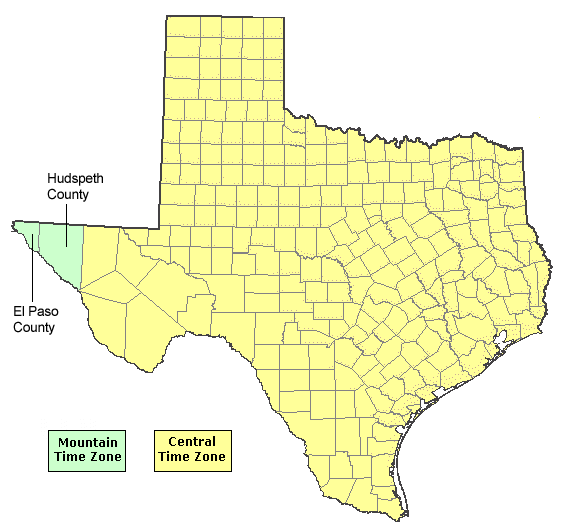
Dallas, Texas is located within the Central Time Zone (CT) of North America. This zone is characterized by its geographical placement and its adherence to the standard and daylight saving practices observed in the region. The Central Time Zone is further divided into two distinct periods throughout the year: Central Standard Time (CST) and Central Daylight Time (CDT).
Central Standard Time (CST)
During the fall and winter months, Dallas observes Central Standard Time (CST). This is the standard time for the Central Time Zone, and it is UTC-6, meaning it is six hours behind Coordinated Universal Time. When CST is in effect, the sun is at its highest point in the sky around 1:00 PM local time. This period typically begins on the first Sunday in November and lasts until the second Sunday in March.
For travelers arriving from different parts of the world, understanding this UTC-6 offset is key to avoiding jet lag and ensuring accurate timekeeping. For instance, if you’re traveling from London, which observes Greenwich Mean Time (GMT, equivalent to UTC+0) during winter, Dallas would be six hours behind. Similarly, if you’re coming from New York City, which is in the Eastern Time Zone (ET), Dallas is one hour behind. This makes coordinating meetings or family calls across different time zones a straightforward calculation.
Central Daylight Time (CDT)
As spring arrives, Dallas, like much of the United States, transitions to Central Daylight Time (CDT). This is a form of daylight saving, where clocks are advanced by one hour to make better use of daylight during the warmer months. During CDT, the time in Dallas becomes UTC-5. This means Dallas is now five hours behind Coordinated Universal Time.
The switch to CDT typically occurs on the second Sunday in March, and the transition back to CST happens on the first Sunday in November. This practice of advancing clocks was initially adopted to conserve energy by reducing the need for artificial lighting in the evenings. For visitors, it’s essential to be aware of these shifts, as the time difference with other locations will change by one hour during these periods. For example, the difference with London will become five hours, and the difference with New York City will remain one hour.
Navigating Travel and Tourism with Dallas Time
Understanding the time zone in Dallas is not just about knowing the hour; it has practical implications for various aspects of travel and experiencing the city. From booking your flight to planning your itinerary, time zone awareness can prevent confusion and enhance your enjoyment.
Flight Schedules and Airport Arrivals
When booking flights to Dallas/Fort Worth International Airport (DFW) or Dallas Love Field Airport (DAL), the listed departure and arrival times are always in the local time of the respective airports. Therefore, if you’re flying from a different time zone, you’ll need to account for the Dallas time when calculating your arrival. For example, a flight departing Los Angeles (Pacific Time, UTC-8 or UTC-7 during DST) at 10:00 AM PST will arrive in Dallas at a later local time due to the three-hour difference (or two-hour difference when both locations observe DST). Always double-check the arrival time listed in Dallas local time to avoid any misunderstandings.
This is also crucial for airport pickups and onward transportation. If you’ve arranged for a shuttle service or are being picked up by friends or family, providing them with your accurate arrival time in Dallas local time is paramount. Missing a flight or a pickup due to time zone confusion can lead to significant inconvenience and potential extra costs.

Accommodation and Activities Planning
When booking your hotel in Dallas, such as the Hyatt Regency Dallas or The Adolphus, confirm check-in and check-out times in Dallas local time. Similarly, when planning your activities, from visiting the Perot Museum of Nature and Science to catching a show at the Winspear Opera House, ensure you are referencing Dallas local times for showtimes, opening hours, and tour start times.
For those interested in experiencing the local culture and dining scene, booking reservations at popular restaurants like The Mansion Restaurant or exploring the Deep Ellum neighborhood requires an understanding of Dallas operating hours. Many restaurants and attractions will list their hours in Central Time. If you’re comparing options across different cities or countries, always convert them to Dallas local time for accurate planning.
Business and Event Coordination
For business travelers or those attending conferences and events in Dallas, such as those held at the Kay Bailey Hutchison Convention Center, precise timekeeping is essential. Coordinating meetings with local businesses or colleagues requires a clear understanding of the Dallas time zone. Using UTC offsets can be helpful for international business, but for domestic communication, simply knowing whether Dallas is on CST or CDT and its relation to your own time zone is sufficient.
When setting up virtual meetings or conference calls with participants in Dallas, it is courteous to specify the time zone to avoid any ambiguity. For instance, you might state, “Our call is scheduled for 2:00 PM CST (Central Standard Time).” This ensures everyone is on the same page, regardless of where they are located.
The Broader Context: Central Time Zone in North America
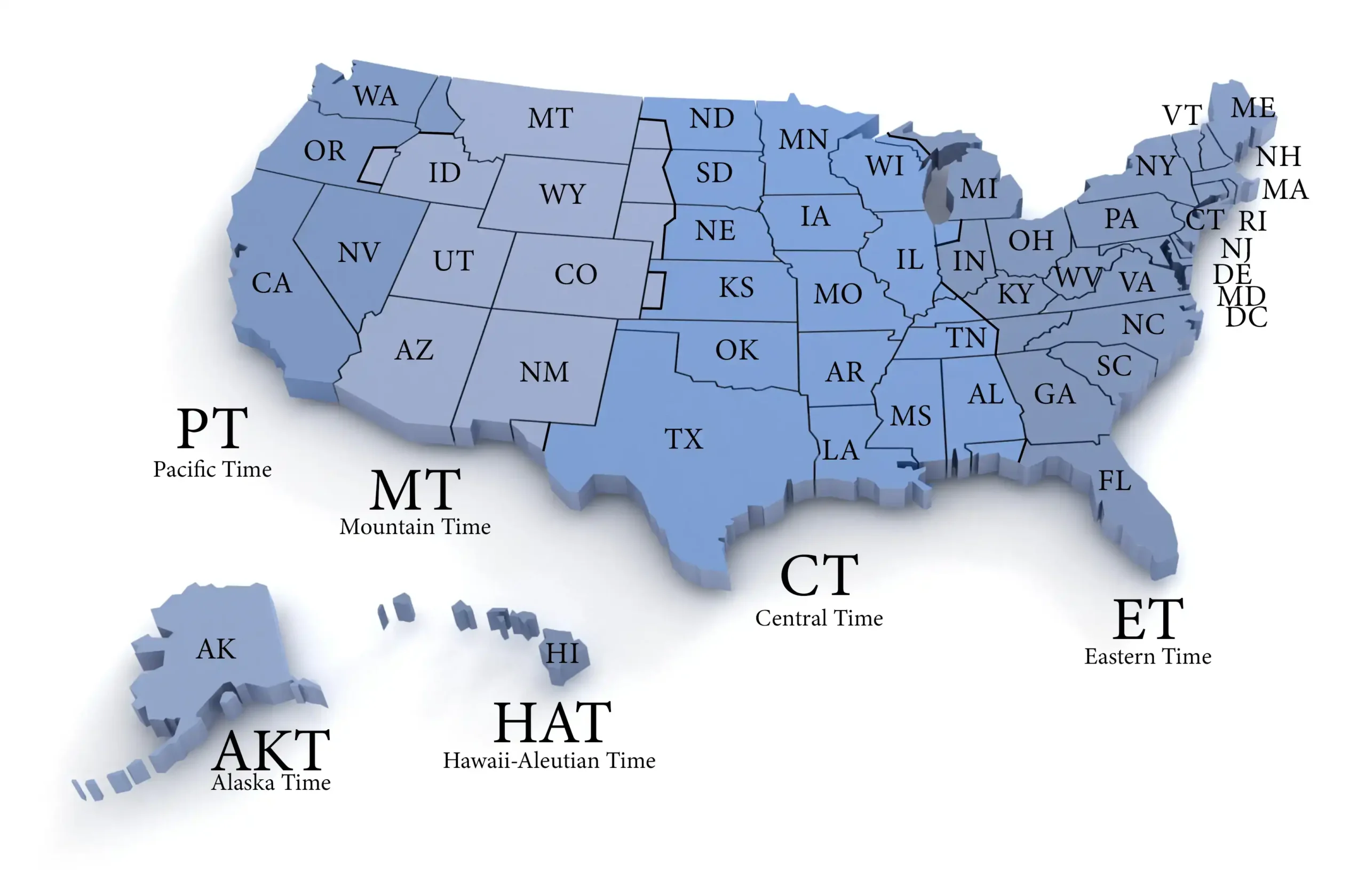
The Central Time Zone is not exclusive to Dallas, Texas. It spans a vast geographical area across North America, encompassing six states entirely and portions of several others. Understanding its reach provides further context to Dallas’s temporal location.
States and Provinces within Central Time
In the United States, the Central Time Zone includes Texas, Oklahoma, Arkansas, Louisiana, Mississippi, Wisconsin, Minnesota, Iowa, Missouri, and Illinois. Additionally, significant portions of North Dakota, South Dakota, Nebraska, and Kansas also observe Central Time. This means that much of the central and southern United States operates on the same time as Dallas.
Beyond the United States, parts of Canada also fall within the Central Time Zone, including Manitoba, Saskatchewan (with some exceptions observing Mountain Time), and parts of Ontario. This widespread presence of Central Time highlights its significance as a major temporal marker across a large segment of the continent.
Practical Implications for Cross-Country Travel
For travelers journeying across the United States, particularly from east to west, understanding the progression of time zones is part of the travel experience. Flying from Miami, Florida (Eastern Time) to Dallas involves a one-hour adjustment. Conversely, traveling from Denver, Colorado (Mountain Time) to Dallas requires adding an hour.
This awareness is crucial for maintaining a sense of temporal continuity and for planning multi-state road trips or flight itineraries. When you are in Dallas, you are effectively in sync with a large portion of the American heartland, making communication and coordination with businesses and individuals in these adjacent states straightforward.
Embracing Your Time in Dallas
As you prepare for your visit to Dallas, be it for leisure, business, or to explore its rich tapestry of landmarks and experiences, a clear understanding of its time zone is a valuable asset. Knowing whether Dallas is currently observing CST or CDT will streamline your planning, from booking flights and accommodation to scheduling meetings and enjoying the city’s vibrant offerings.
Dallas is a city that thrives on connectivity and efficiency, and being mindful of its temporal rhythm is a key aspect of appreciating its dynamic energy. Whether you’re marveling at the architecture of the Reunion Tower, delving into the history at the Sixth Floor Museum at Dealey Plaza, or enjoying the diverse culinary landscape, ensuring your watch is set to Dallas time will contribute to a smoother, more enjoyable, and ultimately, more memorable experience in this remarkable Texas city.
LifeOutOfTheBox is a participant in the Amazon Services LLC Associates Program, an affiliate advertising program designed to provide a means for sites to earn advertising fees by advertising and linking to Amazon.com. Amazon, the Amazon logo, AmazonSupply, and the AmazonSupply logo are trademarks of Amazon.com, Inc. or its affiliates. As an Amazon Associate we earn affiliate commissions from qualifying purchases.