
Understanding the current time in San Francisco, California, is a fundamental piece of knowledge for any traveler planning a visit, a business professional coordinating across distances, or simply someone curious about the rhythm of one of the West Coast’s most iconic cities. This guide will delve into the intricacies of San Francisco’s time zone, its historical context, and practical implications for your journey.
Pacific Standard Time: The Foundation
San Francisco observes Pacific Standard Time (PST). This time zone is located in the Western Hemisphere and is UTC−8. During the period of daylight saving, the region shifts to Pacific Daylight Time (PDT), which is UTC−7. The shift between PST and PDT is a federally mandated practice in the United States and is designed to maximize daylight hours during warmer months.
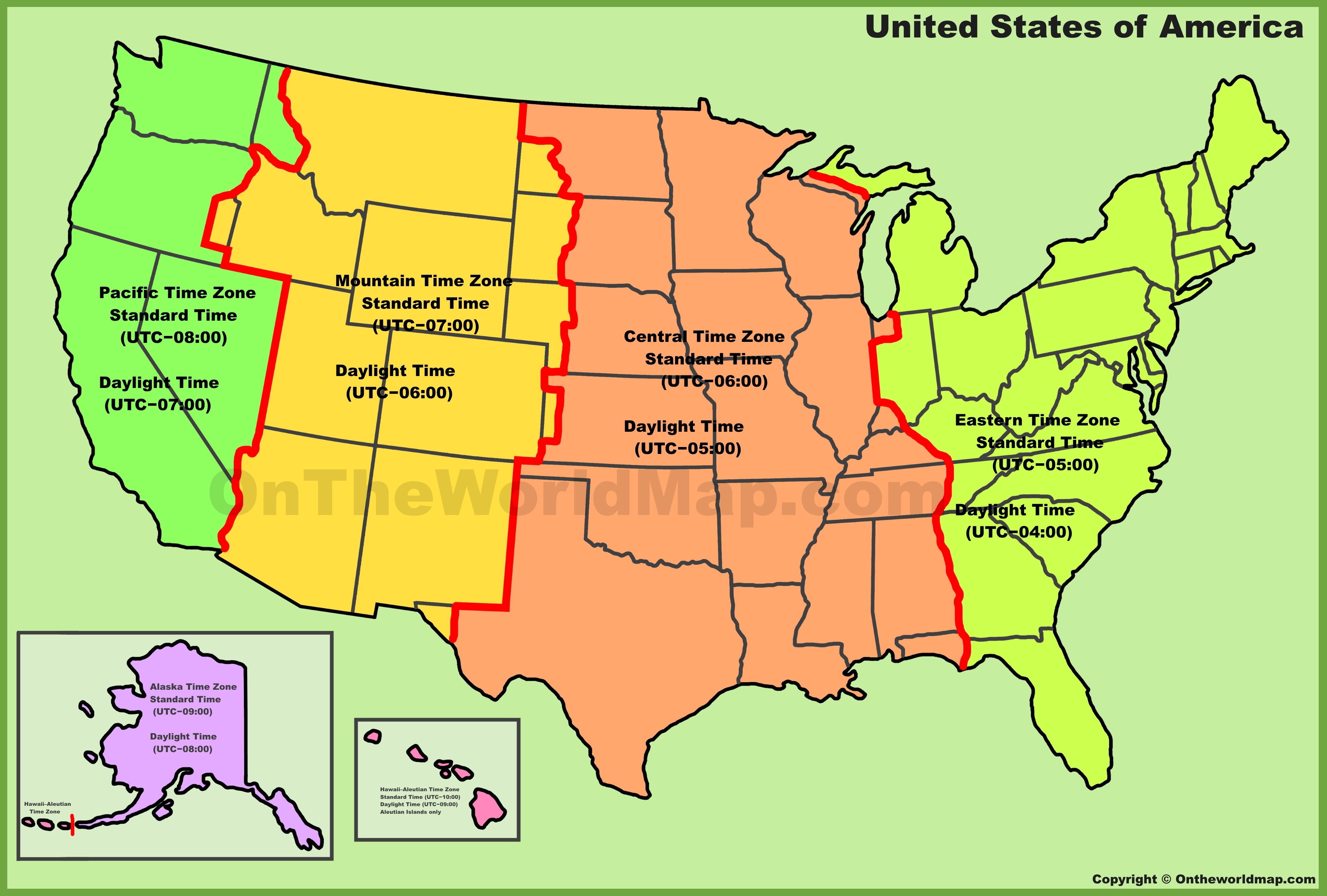
Understanding UTC and Time Zones
Coordinated Universal Time (UTC) is the primary time standard by which the world regulates clocks and time. It is essentially the successor to Greenwich Mean Time (GMT). Time zones are then established as offsets from UTC. For San Francisco, this means that when it is noon UTC, it is 4:00 AM PST or 5:00 AM PDT, depending on the time of year. This consistent reference point allows for precise global coordination, crucial for air travel, telecommunications, and international business.
The Seasonal Shift: Daylight Saving Time
The transition to Pacific Daylight Time (PDT) typically begins on the second Sunday in March and ends on the first Sunday in November. During these months, clocks are moved forward one hour. This practice, while intended to save energy and provide more usable daylight in the evenings, can sometimes be a point of confusion for travelers. It’s always advisable to confirm the current local time upon arrival, especially if arriving on or near the dates of the time change. For instance, if you are traveling to San Francisco from a region that does not observe daylight saving time, the effective time difference will change twice a year.
Navigating San Francisco with Time Zone Awareness
Knowledge of the time zone in San Francisco is more than just a factual detail; it’s a practical tool for enhancing your travel experience. Whether you are booking flights, arranging meetings, or planning sightseeing, understanding the local time is paramount.
Travel Planning and Logistics

When booking flights to San Francisco International Airport (SFO) or any other airport serving the Bay Area, always confirm flight times in the local time zone. Airlines clearly indicate this, but double-checking ensures you don’t misinterpret arrival or departure schedules. For instance, a flight departing from New York City at 9:00 AM EST (UTC−5) will arrive in San Francisco at 5:00 PM PST (UTC−8), accounting for the three-hour difference and the flight duration.
Similarly, when arranging ground transportation, such as shuttle services or ride-shares from the airport, having the correct local time will prevent delays. If you are renting a car, be aware of the operating hours of rental agencies, which are based on the local time.
Business and Communication
For business travelers, the time zone difference can significantly impact scheduling and communication. A meeting scheduled for 10:00 AM PST in San Francisco would be 1:00 PM EST in New York and 6:00 PM GMT in London. It is essential to be explicit about the time zone when setting up virtual meetings or calls to avoid misunderstandings. Many online scheduling tools allow you to specify time zones or will automatically adjust for participants in different locations. This careful consideration ensures professional interactions and efficient collaboration.
Sightseeing and Activities
San Francisco offers a plethora of attractions, from the iconic Golden Gate Bridge to the historic Alcatraz Island. Understanding the local time is crucial for planning your day effectively.
- Museums and Attractions: Many museums, such as the de Young Museum or the California Academy of Sciences, have specific opening and closing hours. Aligning your visit with these times, based on PST/PDT, will allow you to make the most of your sightseeing. Booking tickets in advance for popular attractions like Alcatraz is highly recommended, and you’ll need to select a departure time according to the local schedule.
- Dining: San Francisco is renowned for its vibrant culinary scene. Restaurants, from casual eateries in the Mission District to fine dining establishments in Nob Hill, operate on local time. Making dinner reservations requires an understanding of the current time, especially if you are adjusting from a different time zone.
- Evening Activities: Enjoying a sunset view from Twin Peaks or attending a performance at the War Memorial Opera House are evening activities that are directly tied to the local diurnal cycle. Knowing when the sun sets in San Francisco at different times of the year, and thus the current time, is key to planning these experiences.
Practical Tips for Travelers
To ensure a seamless transition and avoid any time-related confusion during your visit to San Francisco, consider these practical tips:
- Update Your Devices: Upon arrival, ensure that your smartphone, smartwatch, and any other internet-connected devices automatically update to the local time. This is usually the default setting, but it’s good to verify.
- Inform Contacts: If you have people expecting you or with whom you need to communicate regularly, inform them about your arrival in San Francisco and its time zone. This is especially important for coordinating with individuals in drastically different time zones.
- Use Reliable Time Sources: When checking the time, rely on reputable sources such as official government websites, reliable weather apps, or simply the time displayed on your updated devices. Avoid older, offline clocks that might not have been adjusted for daylight saving.
- Be Mindful of Time Zone Jargon: Familiarize yourself with the terms PST (Pacific Standard Time) and PDT (Pacific Daylight Time), and understand their respective UTC offsets. This will help you decipher schedules and timetables more easily.
Beyond the Clock: Embracing San Francisco’s Pace
While knowing the precise time is essential for logistical purposes, it’s also important to remember that San Francisco has its own unique rhythm and pace. Whether you’re enjoying the morning fog rolling in over the Golden Gate Bridge, exploring the vibrant street art in the Mission District, or savoring a cup of coffee in a cozy North Beach café, allow yourself to be present in the moment. The time zone is a framework, but the experience of San Francisco is about so much more than just the ticking of a clock. Embrace the opportunities for exploration, cultural immersion, and breathtaking views that this dynamic city offers, all while keeping the local time zone in mind to ensure your plans unfold smoothly.
LifeOutOfTheBox is a participant in the Amazon Services LLC Associates Program, an affiliate advertising program designed to provide a means for sites to earn advertising fees by advertising and linking to Amazon.com. Amazon, the Amazon logo, AmazonSupply, and the AmazonSupply logo are trademarks of Amazon.com, Inc. or its affiliates. As an Amazon Associate we earn affiliate commissions from qualifying purchases.