
For many travelers planning a trip to the vast and diverse landscapes of California, a common question arises regarding the structure of its law enforcement. The concept of a unified “state police” force, as found in many other U.S. states, might lead to confusion when considering safety and emergency services within the Golden State. Unlike states such as New York or Pennsylvania, which operate a singular, comprehensive state police agency with broad jurisdiction, California employs a more decentralized, yet highly effective, approach to maintaining public safety.
The short answer to whether California has state police is both yes and no, depending on one’s definition. While there isn’t a single agency named “California State Police” with overarching authority for general law enforcement, the state relies on a robust network of agencies, chief among them being the California Highway Patrol (CHP), which functions as a de facto state police force in many critical respects. Understanding this multi-layered system is key for any traveler seeking to navigate the state with confidence and knowledge.
Navigating Law Enforcement in the Golden State
The intricate web of law enforcement in California is designed to address the unique needs of its diverse geography, from bustling metropolitan areas to expansive rural territories and iconic national parks. Travelers will encounter various uniforms and jurisdictions, each playing a vital role in ensuring safety.
The California Highway Patrol: A De Facto State Police Force
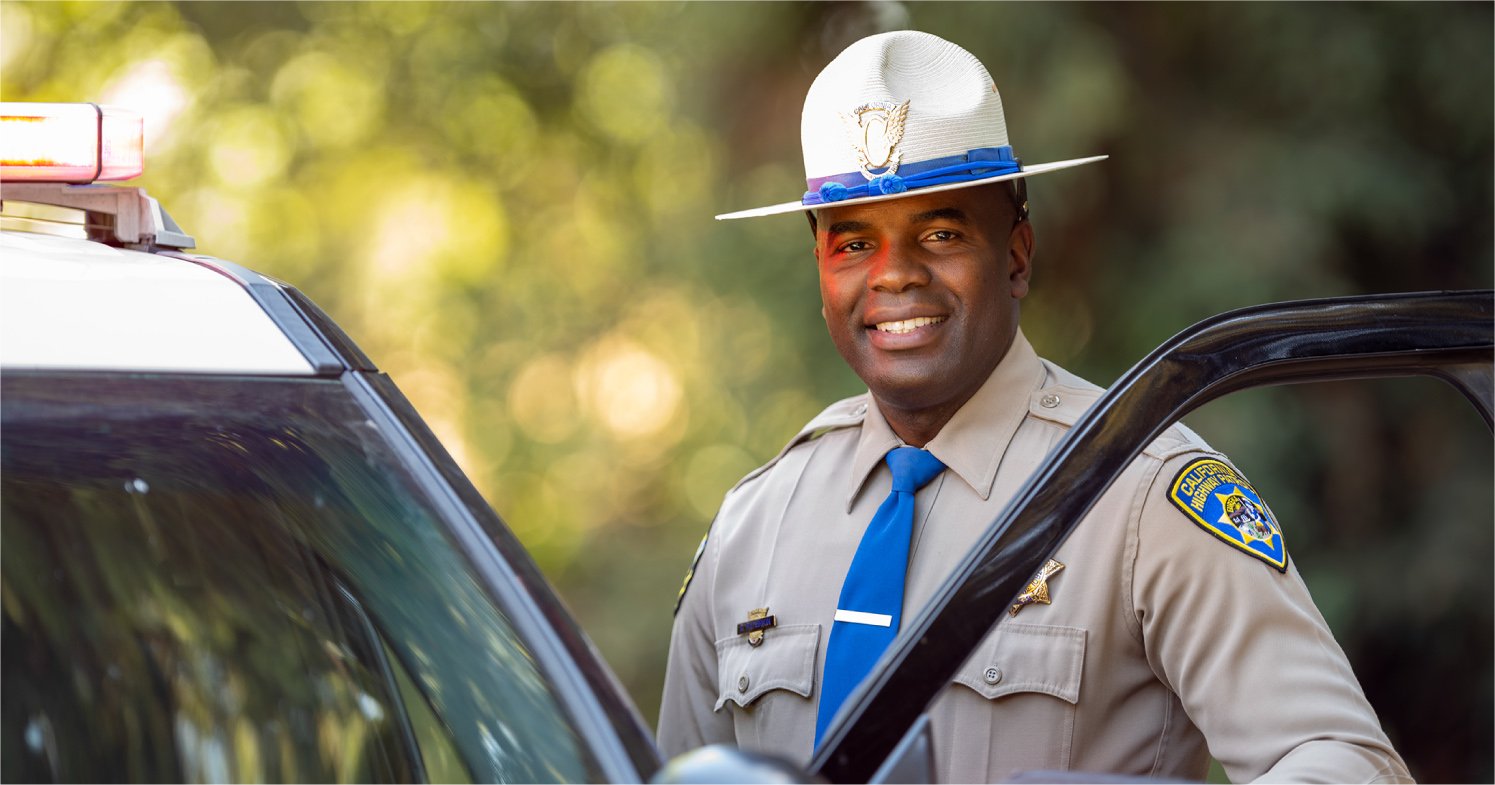
The California Highway Patrol (CHP) is arguably the most recognizable statewide law enforcement agency. Established in 1929, the CHP’s primary mission is to provide safety, service, and security to the people of California. While its name emphasizes “highway,” its responsibilities extend far beyond patrolling freeways and state routes. The CHP is responsible for traffic enforcement on all state highways and unincorporated roads, vehicle theft investigations, commercial vehicle enforcement, and providing security for state government facilities and officials, including the California State Capitol in Sacramento.
For travelers, the CHP is the agency most likely to be encountered during road trips across the state, from the scenic coastal Highway 1 to the desert routes leading to Palm Springs. Their presence is crucial for managing traffic flow, responding to accidents, and enforcing traffic laws that ensure the safety of millions of drivers, including tourists. Their expertise in roadside assistance and emergency response makes them an indispensable resource for anyone traveling by car through California’s vast network of roads.
Beyond the Highways: Understanding Local and County Jurisdictions
While the CHP handles state-level road enforcement, the majority of general law enforcement duties in cities and unincorporated areas fall under local and county agencies.
- City Police Departments: Most incorporated cities in California maintain their own police departments. Major cities like Los Angeles have the Los Angeles Police Department (LAPD), San Francisco has the San Francisco Police Department (SFPD), and San Diego has the San Diego Police Department (SDPD). These agencies are responsible for everything from patrol and investigations to community policing within their city limits. When visiting urban attractions, staying in city hotels, or dining in local restaurants, these are the officers travelers are most likely to encounter for local issues.
- County Sheriff’s Departments: Each of California’s 58 counties has a Sheriff’s Department. These departments provide law enforcement services for the unincorporated areas of the county and often contract with smaller cities that do not have their own police forces. For example, the Los Angeles County Sheriff’s Department is one of the largest in the world, serving millions of residents and vast stretches of land outside the direct jurisdiction of city police. Travelers exploring rural regions, county parks, or smaller communities will primarily interact with the local Sheriff’s Department.
Additionally, various specialized state agencies, such as the California Department of Fish and Wildlife (Fish and Game Wardens), California State Parks Rangers, and agencies protecting specific state facilities or industries, also contribute to the overall safety framework, particularly relevant for those engaging in outdoor activities or visiting state-managed sites.
Ensuring Traveler Safety Across California
Understanding the law enforcement landscape is a fundamental aspect of responsible travel planning. While California is generally a safe destination, being prepared for emergencies and aware of how to access help is crucial for peace of mind.

Emergency Services and How to Reach Them
Regardless of where you are in California—be it an urban center, a remote highway, or a national park—the universal emergency number is 911. Dialing 911 will connect you to a dispatcher who can route your call to the appropriate law enforcement agency (police, sheriff, or CHP), fire department, or emergency medical services. It’s essential to provide clear and concise information about your location and the nature of the emergency. For non-emergencies or general inquiries, it’s best to look up the local police or sheriff’s non-emergency number, as using 911 for minor issues can tie up vital emergency lines.
Common Safety Concerns for Travelers
While serious crime is relatively rare for tourists, general awareness and precautions are always advisable. Travelers should be mindful of:
- Petty Theft and Property Crime: Especially in popular tourist areas of San Francisco, Los Angeles, and other major cities, car break-ins are a concern. Always secure valuables out of sight or take them with you. Never leave luggage or electronics visible in parked cars.
- Traffic Safety: California’s highways can be very busy. Drivers should obey speed limits, be aware of their surroundings, and avoid distractions. The CHP enforces traffic laws rigorously.
- Natural Hazards: Depending on the season and location, travelers should be aware of potential wildfires, earthquakes, extreme heat in desert areas like Death Valley, and strong ocean currents along the coast. Always check local advisories and park warnings.
- Wilderness Safety: When hiking or camping in California’s numerous state and national parks (e.g., Yosemite, Big Sur), follow park rules, inform others of your itinerary, and be prepared for changing weather conditions and wildlife encounters.
Jurisdictional Overlap and Traveler Implications
The decentralized structure of law enforcement in California means that jurisdiction can sometimes overlap or shift, which might seem complex to an outsider. However, for a traveler, the practical implication is straightforward: an emergency call to 911 will always connect you to the appropriate services.
When to Contact Whom: A Quick Guide
While 911 handles emergencies, knowing which agency governs a specific area can be helpful for non-urgent matters or for understanding the general safety protocols:
- On Freeways and State Highways: The California Highway Patrol is your primary contact for traffic accidents, disabled vehicles, or any incidents occurring on these major arteries.
- Within City Limits: For crimes, disturbances, or local issues, the city police department (e.g., LAPD in Los Angeles, SDPD in San Diego) is the responsible agency.
- In Unincorporated County Areas or Small Towns without a Police Force: The County Sheriff’s Department will be the primary law enforcement agency. This applies to many rural destinations, vast agricultural regions, and certain suburban areas.
- In State Parks: California State Parks Rangers enforce laws within their specific park boundaries. For federal lands like National Parks or National Forests, the National Park Service or Forest Service law enforcement rangers hold jurisdiction.
Federal Agencies and Their Role in California Travel
Beyond state and local forces, federal agencies also have a presence, particularly in areas relevant to international travel and national security. The Federal Bureau of Investigation (FBI), Drug Enforcement Administration (DEA), and U.S. Customs and Border Protection (CBP) operate within California, primarily focusing on federal crimes, drug trafficking, and border security, respectively. While travelers are unlikely to interact directly with these agencies unless involved in specific federal offenses, their presence contributes to the overall security environment, particularly at international airports like Los Angeles International Airport (LAX) or San Francisco International Airport (SFO).
Peace of Mind for Your California Journey
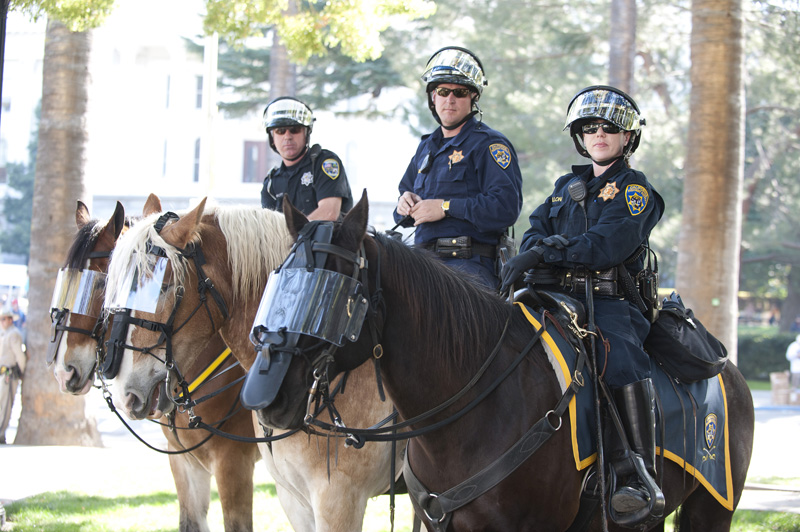
While California may not have a single “state police” force in the traditional sense, its comprehensive network of law enforcement agencies ensures a high level of public safety for both residents and visitors. The California Highway Patrol effectively covers the statewide needs, particularly for those on the move, while city police and county sheriffs address local concerns.
For travelers, the key takeaway is that help is always available through the 911 emergency system, and understanding the general division of responsibilities can empower you to travel more knowledgeably. By staying informed, practicing common-sense safety measures, and being aware of your surroundings, your journey through California’s incredible destinations will be as safe and enjoyable as it is memorable. The Golden State welcomes millions of visitors each year, and its robust safety infrastructure is a testament to its commitment to providing secure and positive experiences for everyone.
LifeOutOfTheBox is a participant in the Amazon Services LLC Associates Program, an affiliate advertising program designed to provide a means for sites to earn advertising fees by advertising and linking to Amazon.com. Amazon, the Amazon logo, AmazonSupply, and the AmazonSupply logo are trademarks of Amazon.com, Inc. or its affiliates. As an Amazon Associate we earn affiliate commissions from qualifying purchases.