
For any traveler embarking on a journey to the heart of the American South, understanding the local time zone is a fundamental piece of logistical planning. Mississippi, often celebrated for its rich history, soulful music, and quintessential Southern charm, operates entirely within a single time zone, simplifying schedules for visitors. This guide delves into the specifics of Mississippi’s time zone, its implications for travel, and how to seamlessly adjust to the rhythm of the Magnolia State.
Understanding Mississippi’s Time Zone: Central Standard Time (CST)
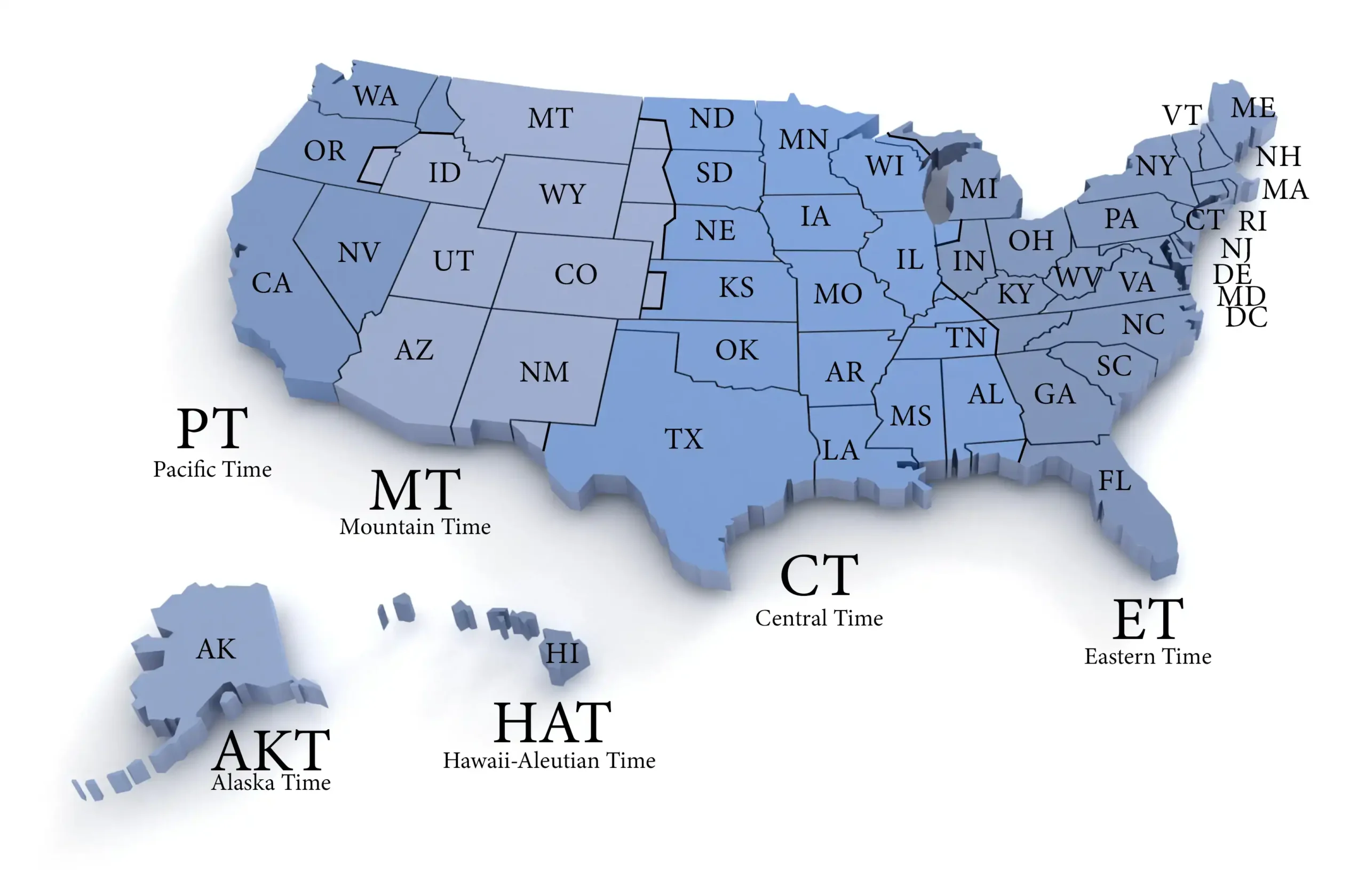
The entire state of Mississippi observes the Central Time Zone. This consistent timekeeping across all 82 counties means that whether you’re exploring the bustling capital of Jackson, relaxing on the shores of Biloxi, or delving into the antebellum history of Natchez, you’ll be operating on the same clock.
The Basics of Central Time
The Central Time Zone (CT) is one of the six standard time zones observed in the United States. It is generally represented as Central Standard Time (CST) during the fall and winter months and Central Daylight Time (CDT) during spring and summer.
- Central Standard Time (CST): This is the base time, observed from early November to mid-March. CST is UTC-06:00, meaning it is six hours behind Coordinated Universal Time.
- Central Daylight Time (CDT): Observed from mid-March to early November, CDT is UTC-05:00. During this period, clocks are moved forward by one hour to make better use of daylight, a practice known as Daylight Saving Time.
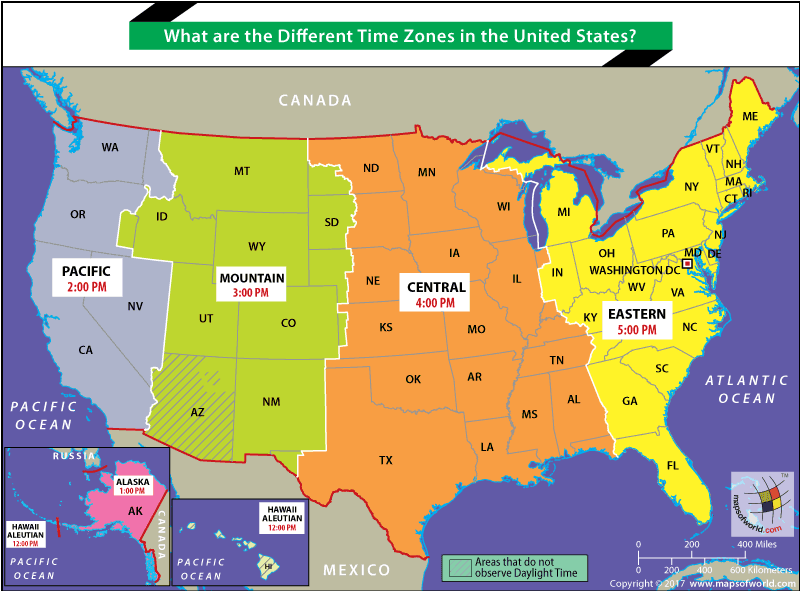
For travelers, this means a shift in perceived time relative to other zones depending on the season. If you are flying in from a region observing Eastern Time Zone, you will typically gain an hour upon arrival in Mississippi. Conversely, those coming from the Mountain Time Zone will lose an hour, and from the Pacific Time Zone, two hours. Understanding this offset is critical for seamless travel arrangements.
Daylight Saving Time in the Magnolia State
Like the majority of the United States, Mississippi observes Daylight Saving Time (DST). This annual tradition sees clocks “spring forward” one hour in the early spring and “fall back” one hour in the early autumn.
- “Spring Forward”: Typically occurs on the second Sunday in March. At 2:00 AM CST, clocks are advanced to 3:00 AM CDT. This results in later sunsets and earlier sunrises, providing more daylight in the evenings.
- “Fall Back”: Typically occurs on the first Sunday in November. At 2:00 AM CDT, clocks are set back to 1:00 AM CST. This returns the state to standard time and brings earlier sunsets.
For visitors, being aware of these transitions is vital. A flight scheduled to depart at 8:00 AM on the day Daylight Saving Time begins could effectively mean an earlier start than anticipated if you haven’t adjusted your clocks. Similarly, returning home on the “fall back” day might grant you an extra hour of sleep or an extended morning to explore. Always double-check event times, flight schedules, and accommodation check-in/out times around these transition dates to avoid any confusion.
The Practical Implications for Travelers to Mississippi
The impact of Mississippi’s time zone extends far beyond simply knowing what time it is. It influences every aspect of a travel itinerary, from arrival to departure, and affects how one interacts with local services and attractions. For a smooth and enjoyable trip, integrating time zone awareness into your planning is essential.
Planning Flights and Transportation
For many travelers, the journey to Mississippi begins with air travel. Airports like Jackson-Medgar Wiley Evers International Airport (JAN) serve as key entry points. When booking flights, particularly those connecting through multiple time zones, it’s crucial to confirm all times in local context.
- Arrival Times: A flight arriving at 3:00 PM local time in Jackson could mean a significantly different departure time relative to your home time zone. Account for this when informing friends or family of your arrival.
- Layover Schedules: If you have layovers in different time zones (e.g., flying from California to Mississippi with a stop in Texas), ensure you understand the local time at each connection point to avoid missing flights.
- Car Rentals and Ground Transport: Car rental pick-up and drop-off times, as well as bus or train schedules, will always be quoted in local Mississippi time. Factor in potential jet lag or time zone changes when planning your initial drive or train ride after arrival. An unexpected loss of an hour could make a long drive feel even longer.
Coordinating Business and Leisure Activities
Whether your visit to Mississippi is for business or pleasure, aligning your schedule with local time is paramount.
- Business Meetings: If conducting business, be meticulous about confirming meeting times. A 9:00 AM meeting in Mississippi will be 10:00 AM for colleagues on Eastern Time Zone and 7:00 AM for those on the Pacific Time Zone. Clarity prevents missed appointments and miscommunications.
- Restaurant Reservations: Mississippi’s culinary scene, from traditional Southern fare to fresh Gulf seafood in cities like Gulfport, is a highlight for many. When making reservations, remember that listed times are local. An 8:00 PM dinner reservation might feel like 9:00 PM if you’ve recently arrived from the Eastern Time Zone.
- Event Schedules: Concerts, festivals, sporting events, and cultural performances will all adhere to Central Time Zone. Cross-reference your personal clock with event schedules to ensure you don’t miss out.
Navigating Local Attractions and Operating Hours
Mississippi boasts a wealth of attractions, from historical sites like the Vicksburg National Military Park to blues music landmarks. Their operating hours are strictly based on local time.
- Museums and Galleries: The Mississippi Civil Rights Museum in Jackson or art galleries in small towns will have opening and closing times published in CST/CDT. Arriving an hour too early or too late due to a miscalculation could cut into your exploration time.
- Parks and Outdoor Activities: State parks, national forests, and recreational areas will have specific gate times or guided tour schedules. If you plan to hike or go fishing, be mindful of when facilities open and close, especially if you’re chasing a sunrise view or planning to be out until sunset.
- Retail and Services: Shops, banks, and other essential services will also operate on local time. This is especially relevant if you need to run errands or make purchases before certain closing times.
Adjusting to Mississippi Time: Tips for a Seamless Trip
Successfully navigating a time zone change, even a minor one, can significantly enhance your travel experience. While a one- or two-hour shift might seem negligible, it can still disrupt sleep patterns and energy levels. Here are some strategies for adjusting to Mississippi time.
Pre-Travel Preparation
- Gradual Adjustment: If possible, begin adjusting your sleep schedule a few days before your trip. For example, if you’re traveling from the Eastern Time Zone (one hour ahead), try going to bed and waking up an hour later than usual for a couple of days before departure.
- Update Devices: Ensure your smartphone, smartwatch, and other electronic devices are set to automatically update their time zone. This will prevent accidental miscalculations upon arrival. Manually set any analog watches to CST/CDT before landing.
- Inform Contacts: Let family, friends, and business associates know which time zone you’ll be in so they can contact you at appropriate hours.
During Your Stay
- Embrace Local Time Immediately: As soon as you arrive in Mississippi, switch to local time. Eat meals, go to bed, and wake up according to CST/CDT.
- Prioritize Sleep: Even a minor time change can cause fatigue. Try to get a good night’s sleep on your first few nights to help your body acclimate.
- Hydrate and Moderate Caffeine/Alcohol: Staying well-hydrated can help combat the effects of travel and minor jet lag. While coffee might seem like a quick fix, excessive caffeine or alcohol can disrupt sleep patterns further.
- Seek Sunlight: Exposure to natural light, especially in the mornings, helps regulate your body’s circadian rhythm. Spend time outdoors, perhaps exploring a park or enjoying breakfast on a patio.
Leveraging Technology
- World Clock Apps: Utilize world clock features on your phone to keep track of both your home time and Mississippi time, which can be particularly helpful for communicating with people in different time zones.
- Flight Tracking Apps: Many airline apps provide real-time updates and will display times in local formats for both departure and arrival airports.
- Smartwatch Time Zones: Some smartwatches allow you to display multiple time zones on your watch face, offering a quick glance at home and destination times.
Mississippi in the National Time Zone Context
Mississippi’s position within the Central Time Zone is a geographical convenience, placing it amidst other Southern and Midwestern states, which helps in regional travel and commerce.
Geographical Considerations
The Central Time Zone encompasses a broad band of states stretching from the Canadian border to the Gulf of Mexico. Mississippi is positioned centrally within this zone, along with states such as Alabama, Arkansas, Illinois, Iowa, Kansas, Louisiana, Minnesota, Missouri, Nebraska, North Dakota, Oklahoma, South Dakota, Tennessee, Texas, and Wisconsin. This alignment fosters easier communication and coordination for interstate travel and regional events.
Time Zone Borders and Neighboring States
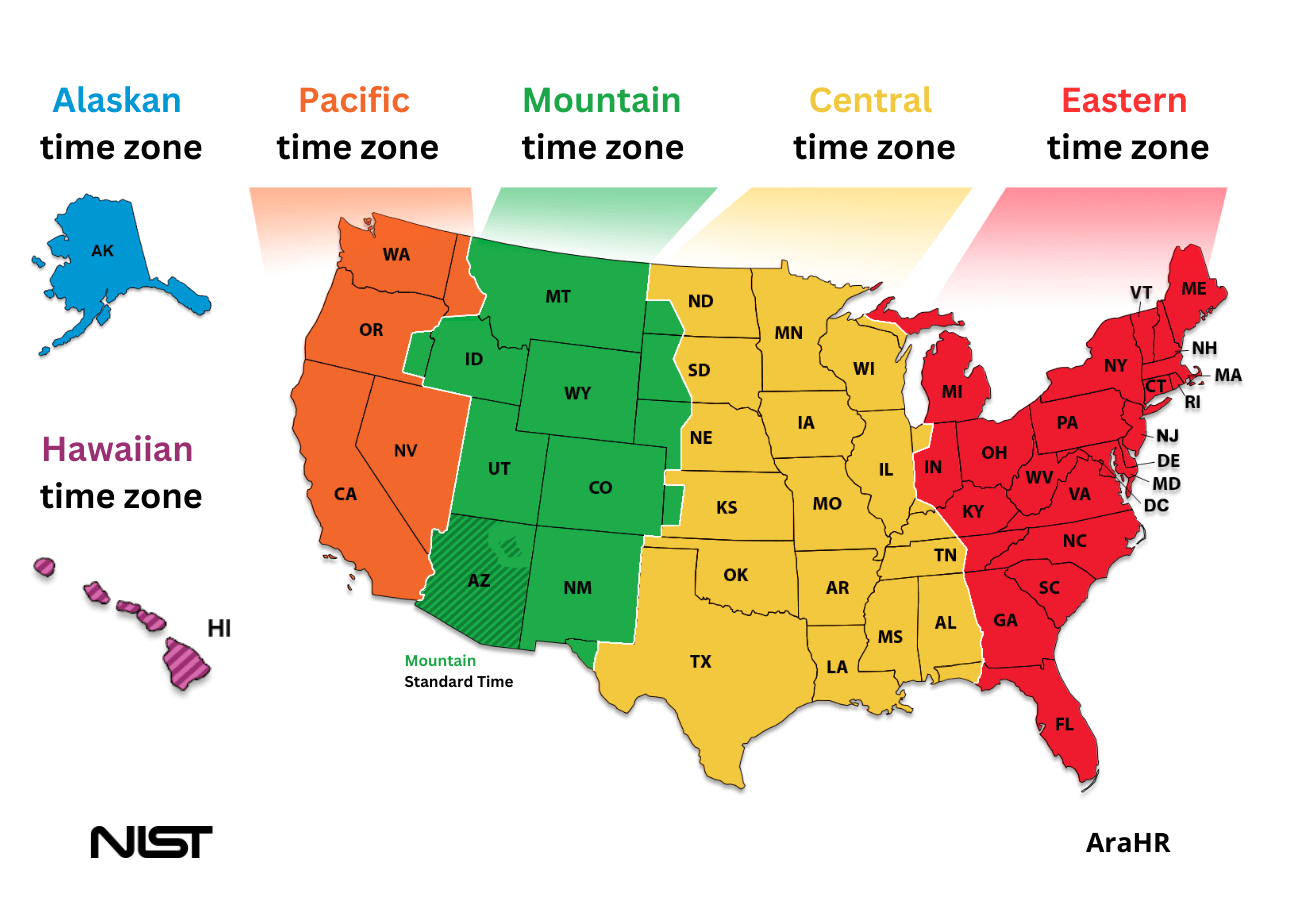
Mississippi shares borders with four other states, all of which also observe the Central Time Zone across their entirety or a significant portion.
- Louisiana: To the west, Louisiana also observes Central Time. This makes travel between Mississippi and cities like New Orleans seamless in terms of time.
- Arkansas: To the northwest, Arkansas is entirely within Central Time.
- Tennessee: To the north, most of Tennessee, including major cities like Memphis, observes Central Time. However, eastern Tennessee shifts to Eastern Time, creating a time zone boundary within the state itself. While Mississippi borders only the Central Time portion of Tennessee, awareness of Tennessee’s dual time zones is a good habit for broader regional travel.
- Alabama: To the east, Alabama also observes Central Time. This makes coastal trips between Mississippi and Alabama’s Gulf Coast perfectly synchronized.
This consistent time zone across Mississippi and its immediate neighbors greatly simplifies cross-border travel and regional road trips, allowing travelers to focus more on the scenic drives and cultural experiences rather than complex time calculations.
In conclusion, Mississippi operates on the Central Time Zone, observing both Central Standard Time (CST) and Central Daylight Time (CDT) with the annual shift. For any traveler, this information is not just a trivial detail but a critical component of effective trip planning, ensuring smooth transitions, accurate scheduling, and a stress-free exploration of all that the state has to offer. By understanding and anticipating these time dynamics, your journey through Mississippi will be as delightful and seamless as the Southern hospitality it’s known for.
LifeOutOfTheBox is a participant in the Amazon Services LLC Associates Program, an affiliate advertising program designed to provide a means for sites to earn advertising fees by advertising and linking to Amazon.com. Amazon, the Amazon logo, AmazonSupply, and the AmazonSupply logo are trademarks of Amazon.com, Inc. or its affiliates. As an Amazon Associate we earn affiliate commissions from qualifying purchases.