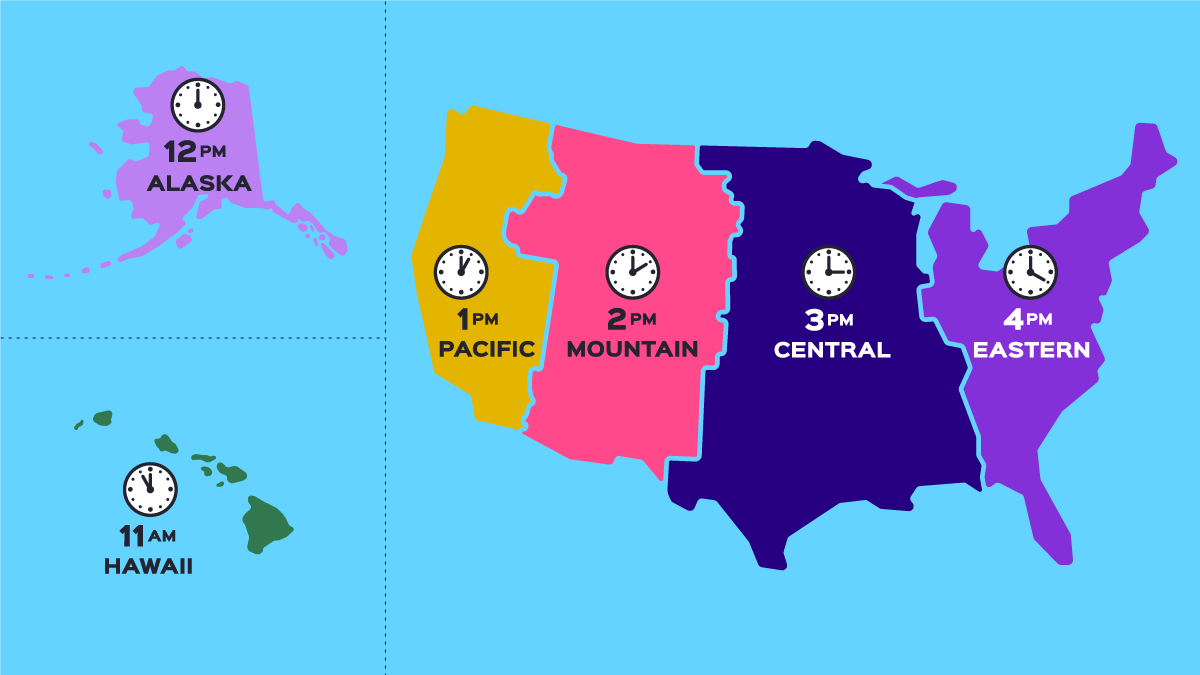
California, often referred to as the Golden State, is a land of diverse landscapes, vibrant cities, and endless opportunities for adventure. From the sun-drenched beaches of San Diego to the iconic landmarks of San Francisco and the star-studded streets of Los Angeles, millions flock to this western United States destination each year. Whether you’re planning a luxurious escape, a budget-friendly family trip, or a crucial business stay, understanding the local time zone is paramount to a seamless and enjoyable experience. The simple answer to “What is the time zone in California?” is Pacific Time. However, this seemingly straightforward reply masks a dynamic system that shifts between Pacific Standard Time (PST) and Pacific Daylight Time (PDT) throughout the year, impacting everything from travel itineraries and accommodation bookings to daily activities and international communication.
For any traveler, whether a seasoned globe-trotter or a first-time visitor, grasping these nuances is critical. It influences when you should book your flights to avoid inconvenient arrival times, how to best manage jet lag, and even when to schedule that important video call with colleagues across the globe. This comprehensive guide will delve into the intricacies of California’s time zone, offering insights into its practical implications for travel, tourism, and lifestyle, ensuring your visit to the Golden State is as well-timed as it is memorable.
Understanding California’s Time Zone: PST and PDT
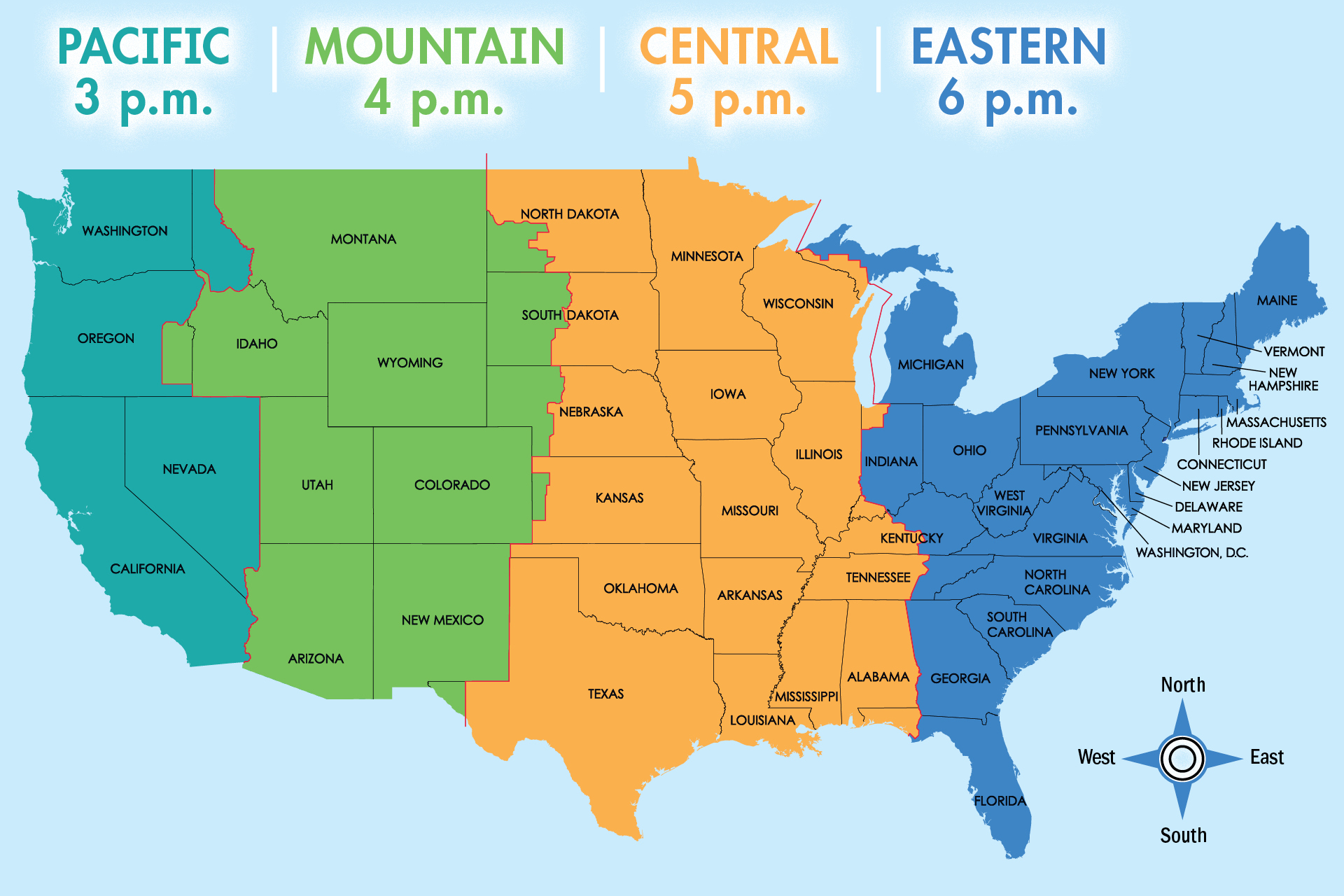
California operates on what is commonly known as Pacific Time, but this isn’t a static designation. Like many regions around the world, it observes Daylight Saving Time, meaning the clocks are adjusted twice a year. This transition creates two distinct time zone phases: Pacific Standard Time (PST) and Pacific Daylight Time (PDT). Understanding when each is in effect and what it means for your schedule is fundamental to navigating your trip efficiently.
Pacific Standard Time (PST): The Winter Months
Pacific Standard Time (PST) is the default, non-Daylight Saving Time observation for California and much of the western United States. It is observed during the colder months, typically from early November until mid-March. PST is UTC-8, meaning it is eight hours behind Coordinated Universal Time. For travelers arriving during this period, particularly those coming from Eastern United States or international destinations, this means a significant time difference.
During PST, the days are shorter, with earlier sunsets. This can influence the planning of outdoor activities and visits to landmarks. For instance, if you’re hoping to catch the sunset over the Golden Gate Bridge or enjoy an evening stroll along the beaches of Santa Monica, you’ll need to factor in the earlier dusk. Hotels and accommodations, from luxury suites in Beverly Hills to charming boutique hotels in Napa Valley, operate on PST, and check-in/check-out times will reflect this. For business travelers, international calls to Europe or Asia will require careful scheduling to align with working hours in those regions, often meaning very early mornings or late nights for those in California. Budget travelers and those with families might appreciate the earlier nights for getting children to bed or saving on evening entertainment costs by opting for daytime activities.
Pacific Daylight Time (PDT): Embracing the Longer Days
As spring arrives, California switches to Pacific Daylight Time (PDT), usually on the second Sunday in March. Clocks “spring forward” by one hour, meaning PDT is UTC-7, seven hours behind Coordinated Universal Time. This change extends daylight into the evening, making sunsets later and providing more hours of natural light for activities. PDT remains in effect until the first Sunday in November, when clocks “fall back” to PST.
PDT is a boon for tourism and lifestyle in California. The extended daylight hours are perfect for exploring outdoor attractions like Yosemite National Park, hiking trails in Big Sur, or enjoying the vibrant nightlife in cities like Hollywood. Many tourist attractions, such as Disneyland and Universal Studios Hollywood, often extend their operating hours during the peak summer months, aligning with the longer days of PDT. For those booking long-term stays in apartments or villas, the extra daylight can significantly enhance the daily experience, allowing for evening dining al fresco or leisurely walks after work. It also provides more flexibility for travelers to pack more activities into their day, maximizing their California experience.
The Dynamics of Daylight Saving Time in California
The observance of Daylight Saving Time in California, while generally accepted, has been a subject of debate for years. While proponents argue for its energy-saving benefits and promotion of outdoor activities, critics point to potential health impacts and disruptions to daily routines. In 2018, California voters passed Proposition 7, which granted the state legislature the power to change or repeal Daylight Saving Time. However, implementing a permanent shift would require a two-thirds vote in the legislature and potentially federal approval, making any immediate change unlikely.
For travelers, the biennial clock change can be a minor inconvenience if not anticipated. The “spring forward” can lead to an hour of lost sleep and a mild form of jet lag even for residents, while the “fall back” grants an extra hour, often welcomed. When planning your trip, particularly around these transition dates (mid-March and early November), it’s crucial to confirm flight times, hotel bookings, and any scheduled activities. A flight departing at 8 AM PST might feel like 9 AM PDT if you arrive on the day of the change, potentially causing confusion. Most modern devices automatically adjust, but it’s always wise to double-check, especially if you’re on a tight schedule or rely on public transport operating on strict timings.
Navigating Time Zones as a Traveler to California
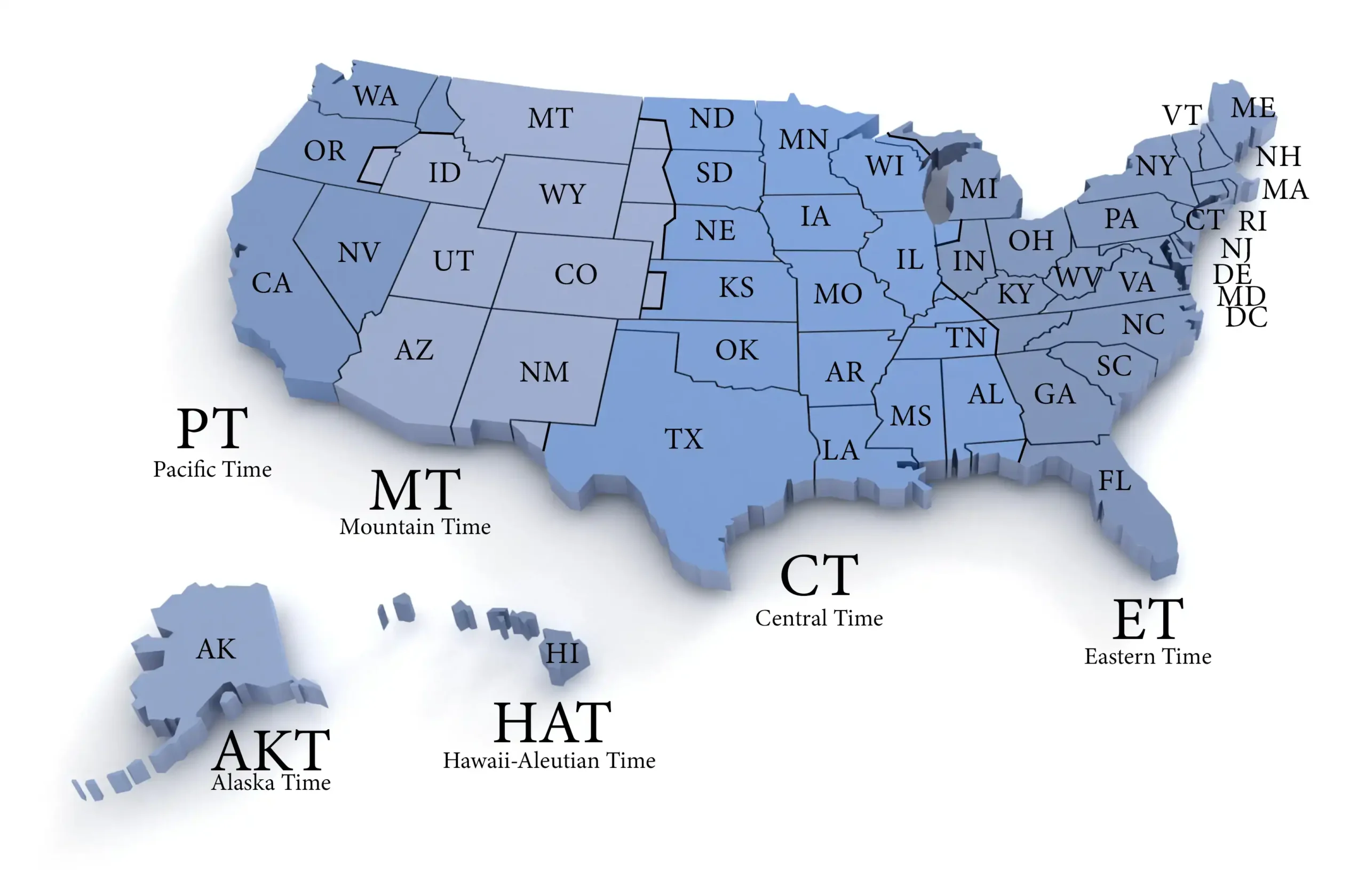
Traveling to California from a different time zone can present challenges, primarily in the form of jet lag and the need for meticulous planning. Whether you’re flying in from New York City (three hours ahead) or halfway across the world, understanding how to manage these differences is key to making the most of your adventure.
Conquering Jet Lag: Tips for a Smooth Transition
Jet lag can significantly impact your initial days in California, affecting your energy levels, sleep patterns, and overall enjoyment. Fortunately, there are strategies to mitigate its effects, tailored for various travel styles:
- Pre-Travel Adjustment (Lifestyle): For those on extended stays or luxury trips, gradually shift your sleep schedule a few days before departure. If traveling west to California, try to go to bed later and wake up later.
- Hydration (All Travelers): Drink plenty of water before, during, and after your flight. Dehydration exacerbates jet lag symptoms. Avoid excessive alcohol and caffeine, especially on long-haul flights.
- Strategic Flight Booking (Accommodation/Travel): When booking flights, consider arriving in California in the late afternoon or early evening. This allows you to check into your hotel or resort, have a light meal, and then aim for a full night’s sleep, immediately synchronizing with local time.
- Sunlight Exposure (Tourism): Upon arrival, seek natural light during the day. This helps reset your body’s internal clock. Enjoying a morning walk on the beach or visiting outdoor landmarks like Lake Tahoe can be very beneficial.
- Consistent Sleep Schedule (Family/Business): Try to stick to California’s local sleep schedule from day one. Even if you feel tired during the day, resist napping for too long. For business travelers, establishing a routine quickly is vital for productivity. Families will find consistency helps children adjust faster.
- Melatonin (Optional): Some travelers find over-the-counter melatonin supplements helpful for signaling to the body that it’s bedtime in the new time zone. Consult a doctor before use.
Planning Your California Itinerary Across Time Zones
Effective itinerary planning is crucial for maximizing your time in California. Time zone differences can affect every aspect, from transportation to activities.
- Flight and Hotel Bookings (Accommodation/Travel): Always double-check flight departure and arrival times in local time. When booking hotels, especially those with strict check-in times like a busy resort or apartment rental, confirm these against your arrival time. Remember that most hotels have a 3 PM or 4 PM check-in, and if you arrive early from an East Coast flight, you might face a wait unless you’ve pre-arranged an early check-in or booked an extra night.
- Activity Scheduling (Tourism/Landmarks): Research the operating hours of attractions like Disneyland, museums, and national parks. These hours are always displayed in local California time. If you’re planning a tour, ensure you’re aware of the meeting time. For activities like sunset cruises or stargazing in places like Death Valley, knowing the exact sunset time (which varies by season and PDT/PST) is essential.
- Communication (Lifestyle/Business): If you need to stay in touch with family or colleagues in different time zones, calculate the difference beforehand. A midday call in California might be late evening in Europe or early morning in Asia. Utilize scheduling tools or apps that convert time zones automatically.
Time Zone Considerations for Specific California Destinations
While all of California adheres to Pacific Time, the practical implications can subtly shift depending on your specific destination within the state.
- Coastal Cities (Los Angeles, San Francisco, San Diego): These urban centers are bustling year-round. Longer daylight hours during PDT mean more time for sightseeing, dining out, and enjoying evening entertainment. Attractions like Pier 39 or the Hollywood Walk of Fame might be pleasant to visit later in the day. In PST, plan outdoor activities earlier.
- Wine Country (Napa Valley/Sonoma): Wine tasting tours and vineyard visits are often scheduled to make the most of the daylight. During PDT, you might enjoy evening tours or dinners amidst the vineyards. Booking tastings in advance is highly recommended, regardless of the time zone.
- National Parks (Yosemite National Park, Death Valley): Sunrise and sunset views are spectacular in these natural landmarks. Knowing the exact local time for these events is crucial for photographers and nature enthusiasts. Park operating hours for visitor centers and facilities will strictly adhere to PST or PDT.
- Border Regions: If you plan to cross state lines into Nevada (e.g., Las Vegas), you will remain in Pacific Time. However, if you venture east into Arizona (which does not observe Daylight Saving Time for most of the state), you’ll need to be aware of potential time shifts depending on the time of year. Similarly, travel into Mexico might involve different time zone rules depending on the specific border town.
Beyond the Clock: The Lifestyle and Cultural Impact of California’s Time
The time zone in California is more than just a numerical offset from UTC; it profoundly influences the state’s lifestyle, business dynamics, and cultural rhythm. For visitors, understanding these broader impacts can enrich their experience, offering a deeper appreciation of daily life in the Golden State.
Business and Communication Across the Globe
California, particularly Silicon Valley, is a global hub for technology, innovation, and entertainment. This means its businesses are constantly communicating and collaborating with partners across diverse time zones. The PST/PDT framework dictates the pace of international commerce.
- International Reach: Companies in California frequently conduct meetings with teams in Europe (9-hour difference to London) or Asia (16-hour difference to Tokyo). This often means early morning starts or late evening calls for California-based professionals. Business travelers visiting California for conferences or meetings must plan accordingly, allowing extra time for jet lag recovery before critical engagements. Luxury resorts and hotels often provide excellent business centers and 24-hour concierge services to help guests manage these global communication demands.
- Domestic Coordination: Within the United States, California’s Pacific Time is three hours behind the Eastern Time Zone. This three-hour gap is a standard consideration for national businesses, broadcasting, and government operations. It shapes when news reports are aired, when markets open and close, and when national conference calls can effectively take place.
Maximizing Your California Experience: Day-to-Day Life
The shift between PST and PDT significantly impacts the daily rhythms and recreational opportunities available to both residents and tourists.
- Outdoor Activities: During PDT, the extended evening daylight is celebrated, allowing for after-work hikes, longer beach days, and alfresco dining well into the night. This period is ideal for exploring California’s natural beauty, from the coastal trails of Big Sur to the vineyards of Napa Valley. In contrast, PST’s earlier sunsets mean that daytime activities need to be scheduled earlier, encouraging morning excursions and cozy indoor evenings.
- Dining and Entertainment: California’s culinary scene, from food trucks to Michelin-starred restaurants, adapts to the changing light. During PDT, evening dining reservations can be later, and outdoor patios flourish. Entertainment venues, especially those geared towards evening shows or concerts in Los Angeles or San Francisco, might adjust their start times slightly to align with the perceived end of the day.
- Family Trips: For families traveling with young children, consistent sleep schedules are paramount. The transition to PDT can sometimes disrupt these routines initially, but the benefit of longer daylight hours for family-friendly activities at destinations like Disneyland often outweighs the minor adjustment. Accommodation options like apartments or villas, with their flexible schedules, can be particularly helpful for managing family routines around the clock.
The Future of Time in California: Debates and Directions
The debate surrounding Daylight Saving Time is far from over in California. While Proposition 7 provided the legal framework for change, consensus on a permanent time remains elusive. Options include staying on PST year-round, adopting PDT year-round (which would require federal approval for California to shift its time zone from UTC-8 to UTC-7 permanently), or maintaining the current system.
For travelers and those considering long-term stays, this ongoing discussion means that for the foreseeable future, the rhythm of PST and PDT will continue to define time in California. Staying informed about any potential legislative changes is wise, though their implementation would likely be gradual. What is certain is that California’s allure, whether for its majestic landmarks, vibrant culture, diverse accommodations, or unparalleled travel experiences, will continue to draw people from all corners of the globe, each needing to tune into its unique time signature.
In conclusion, the time zone in California is primarily Pacific Time, oscillating between Pacific Standard Time (UTC-8) during the winter months and Pacific Daylight Time (UTC-7) from spring to fall. Understanding this biannual shift, coupled with thoughtful planning for jet lag and itinerary management, is essential for any visitor. Whether you’re exploring the bustling streets of Los Angeles, seeking relaxation in a Napa Valley resort, or embarking on a wilderness adventure in Yosemite National Park, being aware of the local time ensures a smoother, more enjoyable, and truly unforgettable California experience.