
For many, the mention of Florida conjures images of sun-drenched beaches, vibrant cities like Miami and Orlando, and the magic of its theme parks. Yet, beyond these man-made attractions, the Sunshine State boasts a rich natural heritage, symbolized most profoundly by its official state tree: the Sabal Palm, also widely known as the Cabbage Palm. This iconic tree, resilient and ubiquitous, is far more than just a botanical specimen; it is a living landmark, deeply woven into the fabric of Florida’s identity, history, and ecology. Understanding “the tree of Florida” means delving into the enduring presence and multifaceted importance of the Sabal Palm, a tree that not only defines the state’s landscape but also tells a compelling story of adaptation, survival, and cultural significance. Its distinctive silhouette, swaying gracefully against the bright Florida sky, has become an enduring emblem, inviting both residents and visitors to appreciate the state’s natural beauty and its unique botanical heritage.
The Enduring Icon: Florida’s Official State Tree
The Sabal Palm (Sabal palmetto) holds the distinguished title of Florida’s state tree, a designation that speaks volumes about its omnipresence and cultural resonance. Adopted in 1953, this choice was not merely symbolic; it recognized a tree that perfectly encapsulates the spirit and environment of the peninsula. Its elegant, unbranched trunk and distinctive fan-shaped fronds are immediately recognizable, shaping the aesthetic of countless landscapes from the coastal dunes to the inland plains.
Distinctive Features of the Sabal Palm
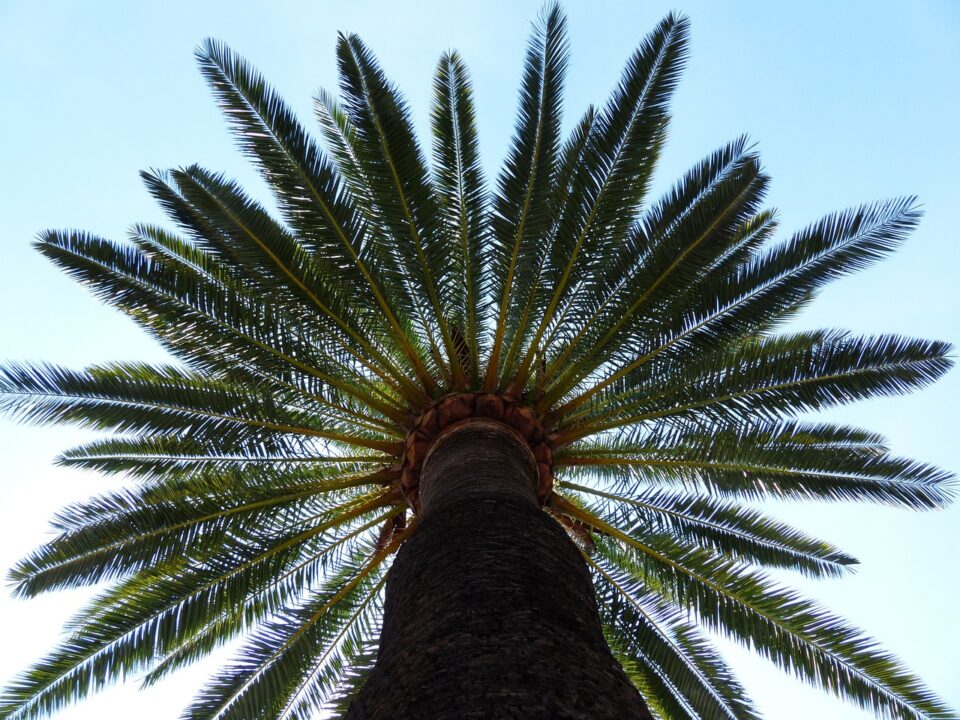
The Sabal Palm is a remarkably hardy and versatile tree, distinguishing itself from other palm species that thrive in Florida. Mature Sabal Palms can reach impressive heights of 60 to 80 feet, topped by a dense crown of costapalmate leaves – a unique blend of palmate (fan-shaped) and pinnate (feather-shaped) characteristics. These leaves, which can be up to 6 feet long, create a striking silhouette. The trunk itself is often characterized by persistent bootjacks – the remnants of old leaf bases – which give it a rugged, textured appearance, though some older specimens may shed these, revealing a smoother, often curved stem. The Sabal Palm also produces fragrant, creamy-white flowers in summer, followed by small, black, berry-like fruits that are a crucial food source for local wildlife. Its deep root system allows it to withstand strong winds, making it a natural survivor of Florida’s occasional hurricanes.
Why the Sabal Palm?
The selection of the Sabal Palm as Florida’s state tree was rooted in its widespread presence, economic value, and ecological significance. Unlike many other tree species, the Sabal Palm is native to the entire state, flourishing in diverse habitats ranging from dry sandy soils to wet swamps. Its resilience to varying soil conditions, drought, and even salt spray makes it a ubiquitous feature of the Florida landscape. Beyond its visual appeal, the tree has historically provided essential resources for indigenous communities and early settlers, from food to building materials. This deep connection to the land and its inhabitants cemented its status as the definitive arboreal symbol of the Sunshine State, representing its natural beauty, robust spirit, and enduring charm.
Ecological Backbone: A Keystone Species
The Sabal Palm is not merely an ornamental plant; it plays a critical role in Florida’s diverse ecosystems, acting as a keystone species that supports a vast array of wildlife and contributes significantly to the state’s ecological health. Its adaptability and the resources it provides make it an invaluable component of both natural and urban environments across the peninsula.
Resilience and Adaptability
One of the most remarkable characteristics of the Sabal Palm is its incredible resilience. It thrives in a wide range of conditions, from the poorly drained soils of pine flatwoods to the sandy coastal scrub and even brackish wetlands. This adaptability is partly due to its robust root system and its ability to withstand extreme weather events. Sabal Palms are highly tolerant of salt spray, making them ideal for coastal areas, and their flexible trunks allow them to bend without breaking in strong winds, a vital trait in hurricane-prone Florida. Furthermore, these palms are resistant to many pests and diseases that plague other tree species, contributing to their widespread and enduring presence. This natural toughness ensures their continued role in maintaining the state’s ecological balance.
Role in Ecosystems and Wildlife Habitat
The Sabal Palm is a vital resource for Florida’s fauna. Its berries, which ripen from late summer through fall, are a crucial food source for numerous bird species, including mockingbirds, woodpeckers, and robins, as well as mammals like raccoons, opossums, and even black bears. The dense crown of fronds provides excellent shelter and nesting sites for various birds, including owls and warblers, and arboreal mammals. The bootjacks on the trunk create crevices that offer refuge for insects, amphibians, and reptiles. Even the decaying leaves and trunks contribute to the ecosystem by providing habitat for invertebrates and fungi. In essence, the Sabal Palm acts as a living pantry and multi-story apartment building for much of Florida’s wildlife, underpinning the biodiversity of many natural areas.
Urban Integration and Green Infrastructure
Beyond its natural habitats, the Sabal Palm plays a significant role in Florida’s urban landscapes. Its moderate size, low maintenance requirements, and iconic appearance make it a favored choice for street trees, park plantings, and residential landscaping. Cities like Tampa, Jacksonville, and Fort Lauderdale widely incorporate Sabal Palms into their green infrastructure, providing shade, enhancing aesthetic appeal, and connecting urban residents with the state’s natural identity. They are often used in restoration projects for coastal dunes and disturbed areas due to their ability to quickly establish and stabilize soil. This seamless integration into both wild and developed environments underscores the Sabal Palm’s fundamental importance to Florida’s environmental and visual character.
A Tapestry of History and Culture
The Sabal Palm has been more than just a background element in Florida’s history; it has been a crucial partner in human survival and cultural development for thousands of years. From indigenous peoples to early European settlers, the tree has provided sustenance, shelter, and material resources, deeply embedding itself in the state’s cultural narrative.
Native American Uses and Sustenance
For millennia, the Sabal Palm was a cornerstone of survival for Florida’s indigenous tribes, including the Seminole and Miccosukee. Every part of the tree was utilized. The soft, edible heart of the palm, often referred to as “swamp cabbage” or “hearts of palm,” provided a nutritious food source. The tough, fibrous leaves were ingeniously woven into baskets, mats, and fans, and, most importantly, used as thatch for constructing their chickee dwellings – open-sided, palmetto-thatched huts perfectly adapted to Florida’s humid climate. The trunks were occasionally used for pilings or fences. This profound connection to the Sabal Palm highlights not only its versatility but also the ingenuity of the Native American people in utilizing their natural environment.

Pioneer Life and Early Industries
As European settlers arrived in Florida, they quickly adopted many of the indigenous uses for the Sabal Palm. The “cabbage” heart became a staple for pioneers and cowboys, giving the tree its enduring alternative name. The fronds continued to be a primary material for roofing, offering excellent insulation and durability against the elements. Early industries also found value in the palm. Its tough fibers were used to make brushes, and the resilient trunks, especially when submerged, were highly prized for constructing docks, piers, and other structures in aquatic environments. The ability of the Sabal Palm to thrive in challenging conditions and provide essential resources was instrumental in the establishment and growth of early communities across Florida, from St. Petersburg to Key West.
A Symbol of the Sunshine State
Today, the Sabal Palm transcends its utilitarian past to serve as a powerful symbol of Florida itself. Its image is emblazoned on the state seal and flag, signifying its official recognition and enduring importance. For tourists, the sight of a Sabal Palm immediately evokes the tropical, relaxed atmosphere of the Sunshine State. It represents resilience in the face of nature’s challenges, adaptability to diverse environments, and a deep connection to the land’s history. From the bustling streets of Gainesville to the historic charm of Tallahassee, the Sabal Palm stands as a proud, silent sentinel, embodying the unique character and natural beauty that define Florida as a destination and a home.
Where to Experience Florida’s Arboreal Wonders
To truly appreciate the “tree of Florida” and its broader botanical brethren, one must venture into the diverse landscapes where these majestic plants flourish. From protected wilderness areas to meticulously curated gardens, Florida offers numerous opportunities to connect with its rich arboreal heritage.
State Parks and Preserves
Florida’s extensive network of state parks and national preserves provides unparalleled settings to experience the Sabal Palm in its natural glory. Everglades National Park, a UNESCO World Heritage Site, is renowned for its vast sawgrass prairies dotted with “tree islands” (hammocks) where Sabal Palms rise prominently, offering critical habitat for wildlife. Similarly, Big Cypress National Preserve showcases Sabal Palms growing alongside bald cypress trees in fascinating ecosystems. For a more direct encounter, parks like Myakka River State Park near Sarasota or Paynes Prairie Preserve State Park near Gainesville feature trails winding through diverse habitats where Sabal Palms are abundant, often forming dense stands. These protected areas allow visitors to witness the Sabal Palm’s ecological role firsthand and appreciate its resilience within wild landscapes.
Urban Green Spaces and Scenic Drives
Even within Florida’s bustling urban centers, the Sabal Palm maintains a strong presence, contributing to the distinctive tropical ambiance. Many city parks, waterfront promenades, and landscaped boulevards prominently feature Sabal Palms and other native tree species. For instance, scenic drives along coastal highways or through historic districts in cities like St. Augustine and Tallahassee are often lined with these iconic trees, creating a quintessential Florida backdrop. Public squares and plazas frequently incorporate them, providing shade and aesthetic appeal that defines the local atmosphere. These urban green spaces offer accessible ways for both residents and visitors to enjoy the natural beauty of Florida’s state tree without venturing deep into the wilderness.
Botanical Gardens and Arboretums
For those seeking a more curated and educational experience, Florida’s botanical gardens and arboretums offer excellent opportunities to learn about the Sabal Palm and countless other native and exotic tree species. Institutions such as the Fairchild Tropical Botanic Garden in Coral Gables and the Marie Selby Botanical Gardens in Sarasota showcase extensive collections of palms, including the Sabal Palm, often with interpretive signage detailing their ecological roles, historical uses, and conservation status. These living museums provide a deeper understanding of Florida’s unique biodiversity and the importance of preserving its arboreal treasures. Visiting these sites allows for a close-up examination of the tree’s distinctive features and an appreciation for the broader context of Florida’s plant kingdom.
Conservation and the Future of Florida’s Green Heritage
While the Sabal Palm is remarkably resilient and widespread, its future, along with that of Florida’s other significant tree species, is not without challenges. Protecting these natural landmarks is crucial for maintaining the state’s ecological integrity, biodiversity, and the very character that defines the Sunshine State.
Threats and Challenges
Despite its hardiness, the Sabal Palm faces threats, particularly from human activities and environmental changes. Habitat loss due to rapid urbanization and agricultural expansion continues to reduce natural stands. The spread of invasive species can outcompete native plants, altering ecosystems where Sabal Palms thrive. Furthermore, climate change, with its associated risks of increased storm intensity, sea-level rise, and altered rainfall patterns, poses long-term threats to all of Florida’s native vegetation. Specific diseases, though less common for the Sabal Palm compared to other palm species, can also present localized problems. These challenges highlight the ongoing need for vigilant conservation efforts.
Sustainable Management and Restoration
Efforts to ensure the long-term health of Florida’s tree populations, including the Sabal Palm, focus on sustainable management practices. This includes protecting existing natural habitats through land acquisition and stringent environmental regulations. Reforestation and restoration projects are critical in areas impacted by development or natural disasters, aiming to re-establish native tree communities. In urban planning, there’s a growing emphasis on incorporating native trees, like the Sabal Palm, into green infrastructure, recognizing their ecological benefits beyond mere aesthetics. Tree nurseries are also working to propagate genetically diverse Sabal Palms to ensure robust populations for future plantings.
Public Awareness and Appreciation
Ultimately, the preservation of Florida’s arboreal heritage depends heavily on public awareness and appreciation. Educational programs in Florida State Parks, schools, and community centers play a vital role in informing residents and visitors about the ecological, historical, and cultural significance of the Sabal Palm and other native trees. Encouraging responsible recreation, supporting conservation organizations, and engaging in local tree-planting initiatives all contribute to a collective stewardship. By understanding and valuing “the tree of Florida” and its diverse forest companions, we can ensure that future generations will continue to enjoy the distinctive beauty and vital ecosystem services these living landmarks provide. The Sabal Palm stands as a testament to Florida’s unique natural identity, a landmark that truly defines the spirit of the Sunshine State.
LifeOutOfTheBox is a participant in the Amazon Services LLC Associates Program, an affiliate advertising program designed to provide a means for sites to earn advertising fees by advertising and linking to Amazon.com. Amazon, the Amazon logo, AmazonSupply, and the AmazonSupply logo are trademarks of Amazon.com, Inc. or its affiliates. As an Amazon Associate we earn affiliate commissions from qualifying purchases.