
Embarking on a journey from the bustling metropolis of New York to the vast expanse of Canada is a popular travel aspiration for many. Whether you’re drawn by the allure of Canadian cities, the stunning natural landscapes, or the unique cultural experiences, understanding the distances involved is crucial for effective planning. This guide will delve into the various ways to traverse this border and the distances associated with each, helping you map out your adventure seamlessly.
Understanding the Geographical Scope
Canada is a colossal country, second largest in the world by total area, and its proximity to New York means different regions of Canada offer vastly different travel times and experiences. The “distance” isn’t a single number but a spectrum that depends heavily on your specific destination within Canada and your chosen mode of transportation.
Eastern Canadian Proximity to New York
The provinces and territories closest to New York are primarily in Eastern Canada. These include Ontario and Quebec. The major border crossings are easily accessible from New York State.
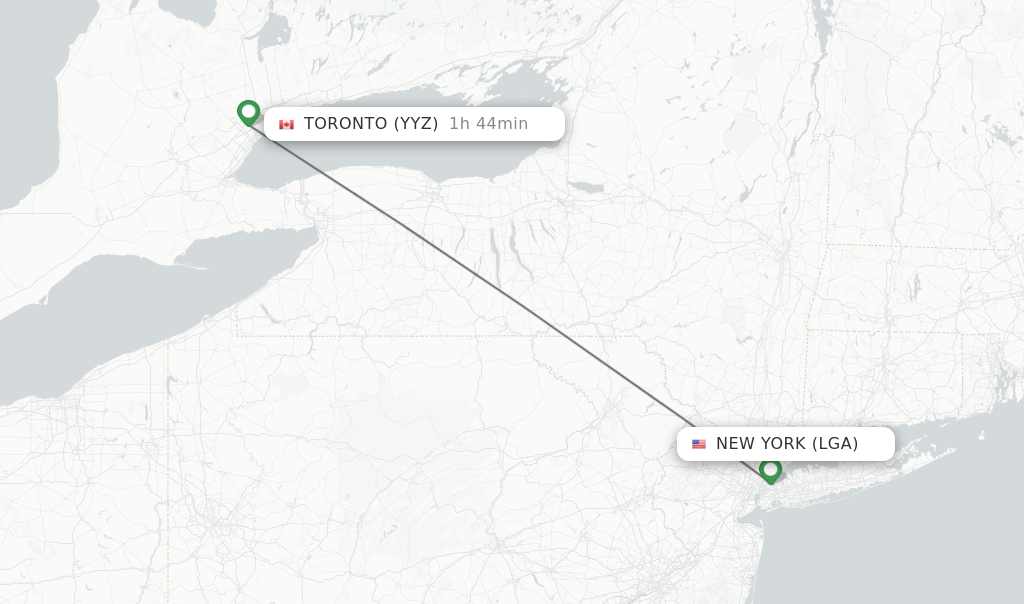
- New York City to Toronto, Ontario: This is perhaps the most common route for many travelers.
- By Car: The driving distance from New York City to Toronto is approximately 560 miles (900 kilometers). This journey typically takes about 9 to 10 hours of pure driving time, not accounting for stops, traffic, or border crossing delays. The most direct route usually involves crossing the border near Buffalo, New York, and then taking Highway 401 east towards Toronto.
- By Bus: Several bus companies operate routes between New York City and Toronto. Travel times can range from 10 to 14 hours, depending on the number of stops and the specific route taken by the bus company.
- By Train: Amtrak offers train services from New York City to Toronto. The journey is scenic but significantly longer than driving, usually taking around 12 to 14 hours.
- By Air: The flight time from New York City to Toronto is roughly 1 hour and 30 minutes. However, when you factor in travel to and from airports, check-in, security, and baggage claim, the total travel time can easily add up to 4 to 6 hours.
- New York City to Montreal, Quebec: Another popular destination in Eastern Canada is Montreal.
- By Car: The driving distance from New York City to Montreal is about 390 miles (630 kilometers). This drive typically takes 6 to 7 hours, depending on traffic and border crossing efficiency. A common border crossing is near Plattsburgh, New York.
- By Bus: Bus services to Montreal from New York City generally take between 7 to 9 hours.
- By Train: Amtrak operates the “Adirondack” route, which travels from New York City to Montreal. This scenic journey lasts approximately 11 hours.
- By Air: Flights from New York City to Montreal are around 1 hour and 20 minutes. Including airport procedures, the total travel time is comparable to flying to Toronto.
Exploring Further into Canada from New York
While Eastern Canada is the most accessible, the sheer size of the country means destinations further west or north will involve significantly longer travel times.
- New York to Ottawa, Ontario: The capital city of Canada is a bit further than Toronto.
- By Car: The drive from New York City to Ottawa is approximately 470 miles (755 kilometers). This journey generally takes 8 to 9 hours of driving time, often involving crossing into Canada near the Thousand Islands and then heading north.
- By Air: While direct flights might not always be readily available, flying to Ottawa from New York typically involves a layover, making the total travel time comparable to or slightly longer than flying to Toronto.
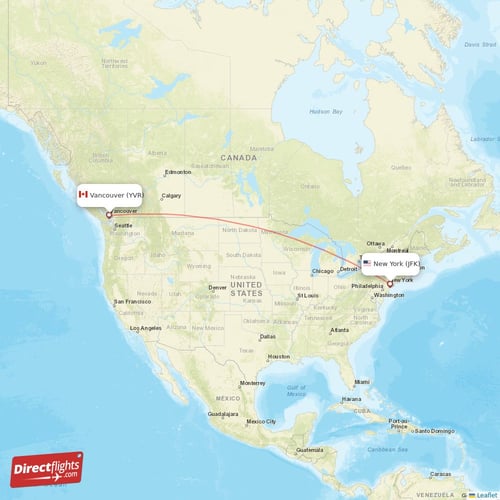
- New York to Vancouver, British Columbia: This represents a significant cross-country journey.
- By Car: Driving from New York to Vancouver is an epic road trip covering over 3,000 miles (4,800 kilometers) and can take anywhere from 45 to 60 hours of pure driving time, spread over several days.
- By Air: The most practical way to reach Vancouver from New York is by flying. Direct flights take approximately 5 to 6 hours. However, including all airport procedures, this is still a substantial commitment.
- By Train: Via Rail offers transcontinental train journeys, but this is a multi-day adventure from Eastern Canada to the West Coast. Starting from New York would involve connecting to a Via Rail service, making it a week-long expedition.
- New York to Calgary, Alberta: The gateway to the Canadian Rockies.
- By Car: Driving to Calgary from New York is a journey of over 2,500 miles (4,000 kilometers), requiring at least 35 to 40 hours of driving time, necessitating multiple overnight stops.
- By Air: Flying is the most efficient method. Direct flights from major New York airports to Calgary typically last around 4.5 to 5 hours.
Factors Influencing Travel Time
Beyond the raw distance, several factors can significantly influence the actual time it takes to travel from New York to Canada.
Border Crossings
The border crossing itself can be a variable. While Canada and the United States have a generally cooperative relationship, wait times at land borders can fluctuate based on the day of the week, time of day, holidays, and increased security measures. Popular crossings, especially those near major cities like Buffalo/Niagara or those serving routes to Montreal and Toronto, can experience delays. Having your documentation (passport, visas if applicable) in order can expedite the process.
Mode of Transportation
- Driving: Offers flexibility but is subject to traffic, road conditions, and personal driving stamina. It’s ideal for exploring smaller towns and scenic routes along the way.
- Bus Travel: Often the most budget-friendly option. It’s convenient as you don’t have to worry about driving, but journey times can be long and less comfortable for extended periods.
- Train Travel: Provides a more relaxed and scenic experience than bus travel. You can move around and enjoy the views, but it’s generally slower than driving or flying.
- Air Travel: The quickest for covering long distances. However, the time spent at airports, security, and potential layovers can make it less efficient for shorter distances where driving might be comparable in total travel time.
Time of Year and Weather
The season can significantly impact your journey. Winter travel, particularly to Eastern Canada, can involve snowstorms, ice, and reduced road accessibility, leading to potential delays or cancellations for all modes of transport. Summer months, while generally ideal for travel, can see increased traffic and longer border waits due to peak tourist seasons.

Planning Your Canadian Adventure
When planning your trip from New York to Canada, consider your priorities.
- For a Quick City Getaway: If your goal is to visit cities like Toronto or Montreal, flying is the fastest option, offering a short travel window for a weekend or short trip. Driving is also a viable and popular choice, especially if you prefer the freedom of having your own vehicle for exploring the city and surrounding areas.
- For a Road Trip Experience: If you envision a scenic drive, exploring charming towns along the way, and crossing the border at your own pace, driving is the way to go. Routes through the Adirondack Mountains in New York offer beautiful landscapes before you even reach the border.
- For Extended Exploration: If your ambition is to explore further into Canada, perhaps to the Canadian Rockies or the Pacific coast, flying to a major hub like Vancouver or Calgary is almost always the most practical solution, saving you days of travel time.
Understanding the “how far” is the first step in unlocking the vast travel possibilities that lie between New York and Canada. Each option presents its unique advantages, allowing you to tailor your journey to your interests, budget, and desired pace.
LifeOutOfTheBox is a participant in the Amazon Services LLC Associates Program, an affiliate advertising program designed to provide a means for sites to earn advertising fees by advertising and linking to Amazon.com. Amazon, the Amazon logo, AmazonSupply, and the AmazonSupply logo are trademarks of Amazon.com, Inc. or its affiliates. As an Amazon Associate we earn affiliate commissions from qualifying purchases.