
The Lone Star State, known for its sprawling ranches, independent spirit, and a conservative political landscape, is currently a focal point for a significant debate: the potential legalization of marijuana. While the notion might seem distant to some, the winds of change are subtly shifting, and the question of whether weed will be legalized in Texas is no longer a fringe discussion but a pressing topic influencing its burgeoning tourism and lifestyle sectors. Understanding the nuances of this debate, its historical context, and its potential economic and social impacts is crucial for anyone interested in the future of Texas, from seasoned travelers exploring its diverse attractions to those considering a long-term stay or a new lifestyle within its borders.
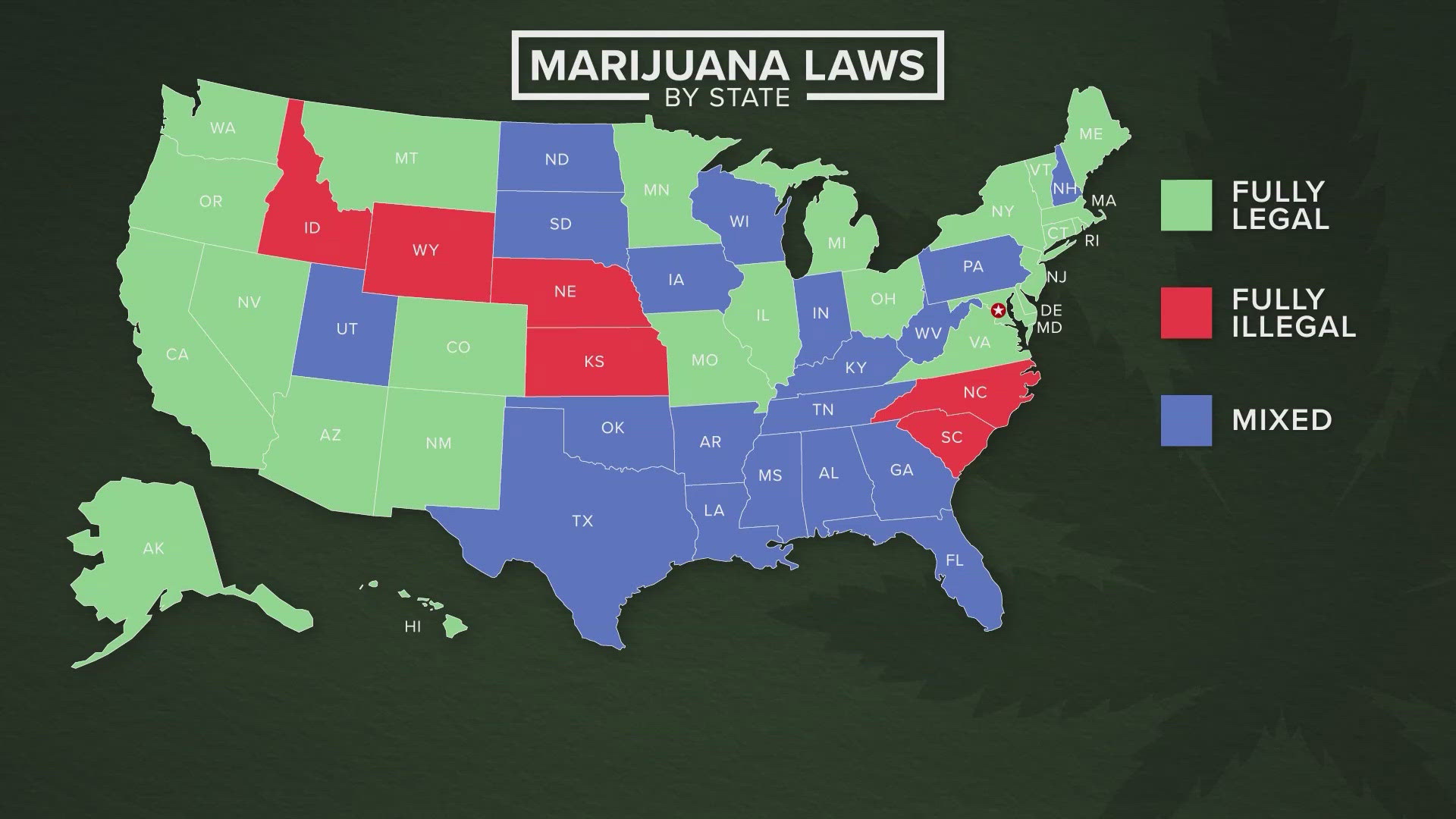
The journey towards any potential legalization in Texas has been a slow and complex one, mirroring the state’s deeply ingrained cultural and political leanings. For decades, marijuana has been classified as a Schedule I controlled substance, leading to strict enforcement and significant penalties for possession and distribution. However, cracks have begun to appear in this rigid stance. The medical marijuana program, established in 2015 with House Bill 1535, marked a pivotal, albeit limited, step forward. This legislation allowed for low-THC cannabis to be prescribed for a narrow range of medical conditions, including epilepsy and multiple sclerosis. While a far cry from full recreational legalization, it represented a concession and opened the door for further discussion and advocacy.
This initial foray into medical cannabis has spurred continued activism and legislative efforts. Proponents argue that Texas is lagging behind many other states that have embraced broader cannabis reform, reaping significant economic benefits and addressing social justice concerns. Opponents, often citing public health and safety worries, remain steadfast in their opposition. The ongoing dialogue involves lawmakers, law enforcement, medical professionals, advocacy groups, and the general public, creating a dynamic and often contentious environment. As the debate evolves, it inevitably touches upon various facets of life in Texas, including its appeal as a travel destination, the opportunities for new businesses, and the evolving lifestyle choices available to its residents and visitors.
The Shifting Sands of Public Opinion and Political Will
The conservative reputation of Texas often leads to the assumption that cannabis legalization is an impossibility. However, this overlooks the growing diversity of opinions within the state and the increasing pragmatism of its political leaders. Public opinion polls, though not always definitive, have shown a notable shift over the years. A significant portion of Texans, including a substantial number of registered voters across the political spectrum, now support some form of marijuana reform, whether it be for medical use or decriminalization. This growing public acceptance is a powerful force that can influence legislative agendas.
The political landscape in Texas is complex. While the Republican party generally maintains a conservative stance, there is a growing faction that acknowledges the potential economic benefits and the perceived injustices of current drug laws. Some lawmakers have actively pursued legislation to expand the medical cannabis program or decriminalize low-level marijuana possession. The debate often centers on finding a balance between public safety concerns and individual liberties, as well as exploring potential tax revenues that could be generated from a regulated cannabis market. For a state that generates significant revenue from oil and gas, the prospect of a new, substantial revenue stream is an appealing one for some.
The impact of legalization in other states cannot be ignored. States like Colorado, Washington, and California have demonstrated the economic potential of a legal cannabis industry, generating billions in tax revenue and creating thousands of jobs. This economic success story is a compelling argument for proponents in Texas, particularly as the state seeks to diversify its economy and attract new investments. For the tourism industry in Texas, the potential legalization could unlock new avenues for growth, attracting a different demographic of travelers interested in exploring cannabis-friendly destinations. This could lead to the development of new accommodations, tours, and experiences, further enriching the state’s already diverse offerings.
Economic Implications and Tourism Potential
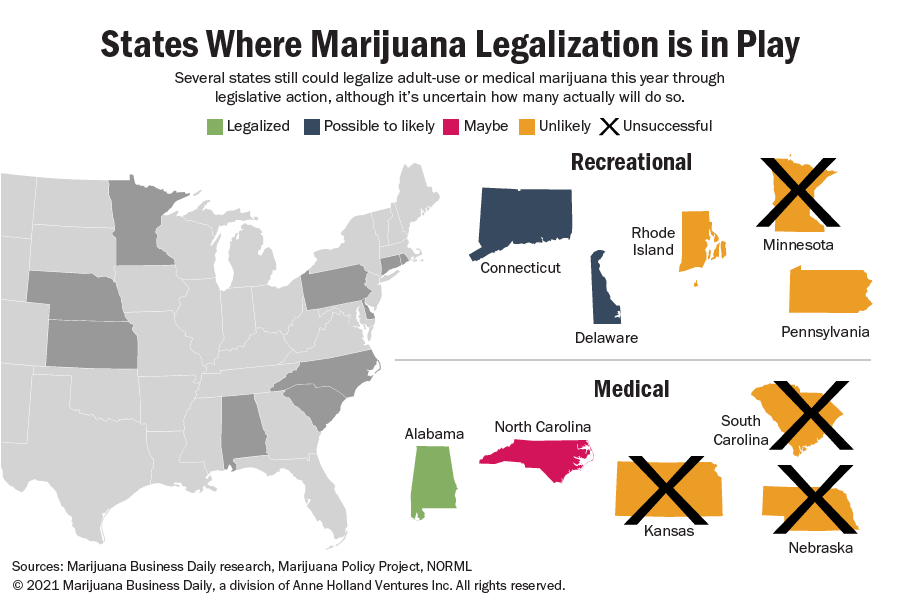
The economic arguments surrounding cannabis legalization in Texas are multifaceted and increasingly persuasive. Proponents highlight the potential for job creation in cultivation, processing, retail, and ancillary services. A regulated market would also allow for taxation, providing much-needed revenue for public services like education, infrastructure, and healthcare. Estimates vary, but a well-regulated cannabis market in Texas could generate hundreds of millions, if not billions, of dollars in annual tax revenue, a significant boost for a state with a large budget and diverse needs.
Beyond direct revenue, the ripple effects of a legal cannabis industry could be substantial. Small businesses, entrepreneurs, and investors would have opportunities to enter a new market, fostering innovation and economic growth. For the Texas tourism sector, the legalization of marijuana could be a game-changer. Many travelers, particularly those from states where cannabis is legal, might be more inclined to visit Texas if they can legally consume or purchase marijuana. This could lead to an increase in visitor numbers, longer stays, and a diversification of tourist activities.
Imagine a Texas where visitors can enjoy a culinary scene that incorporates cannabis-infused dining experiences, or where specialized tours explore the state’s burgeoning cannabis farms and dispensaries. The Texas Hill Country, renowned for its wineries and natural beauty, could see an influx of visitors seeking a more holistic travel experience. Cities like Austin, already known for its vibrant arts and music scene, could further solidify its reputation as a progressive and dynamic destination. Even areas traditionally known for their historical landmarks and natural wonders could see a boost as cannabis tourism complements existing attractions.
Furthermore, the availability of legal cannabis could attract new residents and businesses looking for a more relaxed lifestyle and economic opportunities. This could lead to increased demand for housing, services, and amenities, benefiting various sectors of the Texas economy. The impact on the hospitality industry, from boutique hotels in San Antonio to luxury resorts in Dallas, could be significant, with new offerings catering to cannabis-conscious travelers.
Navigating the Legal Landscape: From Medical to Recreational?
The current legal framework in Texas is characterized by its restrictiveness. The Compassionate Use Program, while a step in the right direction, is highly regulated and limited in scope. Patients must have specific qualifying conditions, and the THC content of the prescribed cannabis is capped at 0.5 percent. This has left many patients seeking relief without adequate access to the treatment they need. Advocacy groups are continually pushing for an expansion of the qualifying conditions and an increase in the allowable THC levels.
The conversation then naturally extends to decriminalization and full recreational legalization. Decriminalization, which typically involves reducing penalties for low-level possession from criminal offenses to civil infractions, is often seen as a more moderate step that could alleviate the burden on the criminal justice system and reduce arrests for minor marijuana-related offenses. This would have a direct impact on individuals who might otherwise face significant legal consequences that could affect their employment, housing, and future opportunities.
Full recreational legalization is the ultimate goal for many advocates. This would involve allowing adults to legally purchase, possess, and consume marijuana for personal use, similar to alcohol. The implementation of such a policy would require a comprehensive regulatory framework, addressing issues such as licensing, taxation, product safety, advertising, and public consumption. Texas lawmakers would need to carefully study successful models from other states, learning from their challenges and successes.
The path from the current limited medical program to potential recreational legalization is likely to be long and filled with debate. However, the persistent advocacy, the shifting public opinion, and the undeniable economic potential suggest that the conversation in Texas is far from over. As more states embrace cannabis reform, Texas will undoubtedly face increasing pressure to re-evaluate its own policies, potentially reshaping its tourism, lifestyle, and economic landscape for years to come. Whether it happens in the next legislative session or over the next decade, the question of will weed be legalized in Texas remains a captivating and consequential inquiry.
LifeOutOfTheBox is a participant in the Amazon Services LLC Associates Program, an affiliate advertising program designed to provide a means for sites to earn advertising fees by advertising and linking to Amazon.com. Amazon, the Amazon logo, AmazonSupply, and the AmazonSupply logo are trademarks of Amazon.com, Inc. or its affiliates. As an Amazon Associate we earn affiliate commissions from qualifying purchases.