
California, the Golden State, is renowned for its stunning diversity – from sun-drenched beaches to snow-capped peaks, and from vibrant metropolises to serene deserts. This geographical tapestry contributes to an equally diverse range of climates, making “What is the weather for California?” a question without a single, simple answer. For any traveler planning a visit, understanding this climatic variability is not just helpful, it’s essential for a seamless and enjoyable experience. Unlike many states that might conform to one or two dominant weather patterns, California presents a mosaic of microclimates, offering distinct seasonal experiences depending on your chosen destination. From the cool, foggy summers of the northern coast to the scorching desert heat of the southeast, and the snowy winters of the Sierra Nevada mountains, California’s weather plays a pivotal role in shaping travel plans, activities, and even your packing list. This guide aims to demystify California’s complex weather patterns, providing invaluable insights for travelers eager to explore its many wonders.

California’s Diverse Climates: A Traveler’s Overview
The sheer size and varied topography of California mean that predicting its weather requires an appreciation for its distinct climatic zones. Travelers often underestimate the difference in conditions they might encounter within just a few hours’ drive.
The Mediterranean Climate of the Coast
Much of California’s coastline, particularly from San Francisco south to San Diego, enjoys a quintessential Mediterranean climate. This means mild, wet winters and warm, dry summers. Coastal temperatures are moderated by the Pacific Ocean, leading to less extreme heat than inland areas, and often a refreshing marine layer or fog, especially during summer mornings, famously dubbed “June Gloom” in Southern California. Cities like Los Angeles and San Diego epitomize this pleasant year-round climate, making them popular destinations for those seeking consistent warmth without oppressive humidity. Winters here are generally mild, with daytime temperatures rarely dropping below 50°F (10°C), and most of the state’s rainfall occurring between November and March.
Desert Extremes
Venture inland to the southeastern parts of the state, and you’ll encounter a stark contrast: a desert climate characterized by extreme temperatures and very little rainfall. Regions such as Palm Springs, Death Valley, and the Mojave Desert experience scorching summers, with temperatures frequently exceeding 100°F (38°C) and sometimes even approaching 120°F (49°C) in Death Valley, one of the hottest places on Earth. Winters, however, are delightfully mild and sunny, making these areas popular retreats for those escaping colder climes. Nighttime temperatures in the desert can drop significantly, even after a hot day, so layers are always advisable.
Mountain Majesty
The towering mountain ranges, most notably the Sierra Nevada in the east, present an alpine climate. Here, winters are cold and snowy, attracting skiers and snowboarders to resorts like Lake Tahoe and Mammoth Mountain. Snowfall can be considerable, leading to road closures and transforming the landscape into a winter wonderland. Summers in the mountains are typically mild to warm, with crisp air and plenty of sunshine, ideal for hiking, camping, and exploring national parks such as Yosemite and Sequoia. Even in summer, mountain evenings can be cool, so travelers should be prepared for temperature swings.
Central Valley’s Hot Summers and Mild Winters
Nestled between the coastal ranges and the Sierra Nevada, California’s Central Valley, home to cities like Sacramento and Fresno, experiences a hot, dry summer climate often similar to the desert but with slightly more humidity due to agricultural irrigation. Temperatures routinely climb above 90°F (32°C) and can reach triple digits. Winters are generally mild and foggy, with occasional rain, making it a productive agricultural region year-round. Travelers exploring the valley’s farms and vineyards should be mindful of the intense summer heat.
Seasonal Weather Patterns and Best Times to Visit
Understanding California’s distinct seasonal patterns is key to choosing the optimal time for your specific travel plans. Each season offers unique advantages and challenges.
Spring: Bloom and Mildness
Spring (March to May) is arguably one of the most delightful times to visit California. The rainy season has usually tapered off, leaving the landscape lush and green. Wildflowers bloom across hillsides, especially in the desert and foothills, creating spectacular displays. Temperatures are mild and pleasant across most of the state, perfect for outdoor activities. Coastal areas are comfortably warm, the desert is bearable before the intense summer heat sets in, and mountain roads begin to open up, offering access to high-elevation trails. This is an excellent time for hiking, wine tasting in Napa Valley or Sonoma, and city exploration.
Summer: Sunshine and Adventure
California summers (June to August) are synonymous with sunshine and outdoor adventure. This is peak season for beachgoers, theme park enthusiasts, and mountain explorers. Coastal areas remain temperate, though popular beaches can be crowded. Inland and valley regions experience significant heat, making water activities or early morning/late evening excursions preferable. The Sierra Nevada mountains are fully accessible, offering prime conditions for hiking, backpacking, and camping. While the desert is scorching, early morning visits to national parks like Death Valley can still be rewarding for intrepid travelers. Expect long, dry days perfect for sightseeing and enjoying California’s vibrant outdoor culture.
Autumn: Harvest Hues and Pleasant Temperatures
Autumn (September to November) offers another fantastic window for travel, often considered by many locals to be the best time. The intense summer heat subsides, bringing warm, comfortable temperatures across the state. The grape harvest is in full swing in wine regions like Napa Valley, offering unique tours and tastings. Fall foliage in the mountains and certain inland areas provides a beautiful contrast to California’s evergreen reputation. Coastal cities enjoy some of their warmest and clearest days as the summer fog diminishes. This season is ideal for road trips, enjoying outdoor dining, and exploring national parks without the peak summer crowds.
Winter: Snow, Surf, and City Breaks
California winters (December to February) present a dramatic range of experiences. The mountains transform into a snowy playground, drawing visitors to world-class ski resorts. Along the coast, temperatures are mild, typically in the 50s and 60s Fahrenheit (10-20°C), with occasional rain showers. While not ideal for sunbathing, this is a great time for surfing, whale watching, and exploring cities like San Francisco and Los Angeles without the summer crowds. The deserts become popular destinations for escaping colder weather, offering pleasant daytime temperatures for hiking and golfing. Travelers should be prepared for varying conditions, from sunny days to significant rainfall, especially in Northern California.
Planning Your California Trip by Region
Tailoring your travel plans to specific regions and their characteristic weather is crucial for an optimal California experience.
Coastal Escapes (e.g., San Francisco, Los Angeles, San Diego)
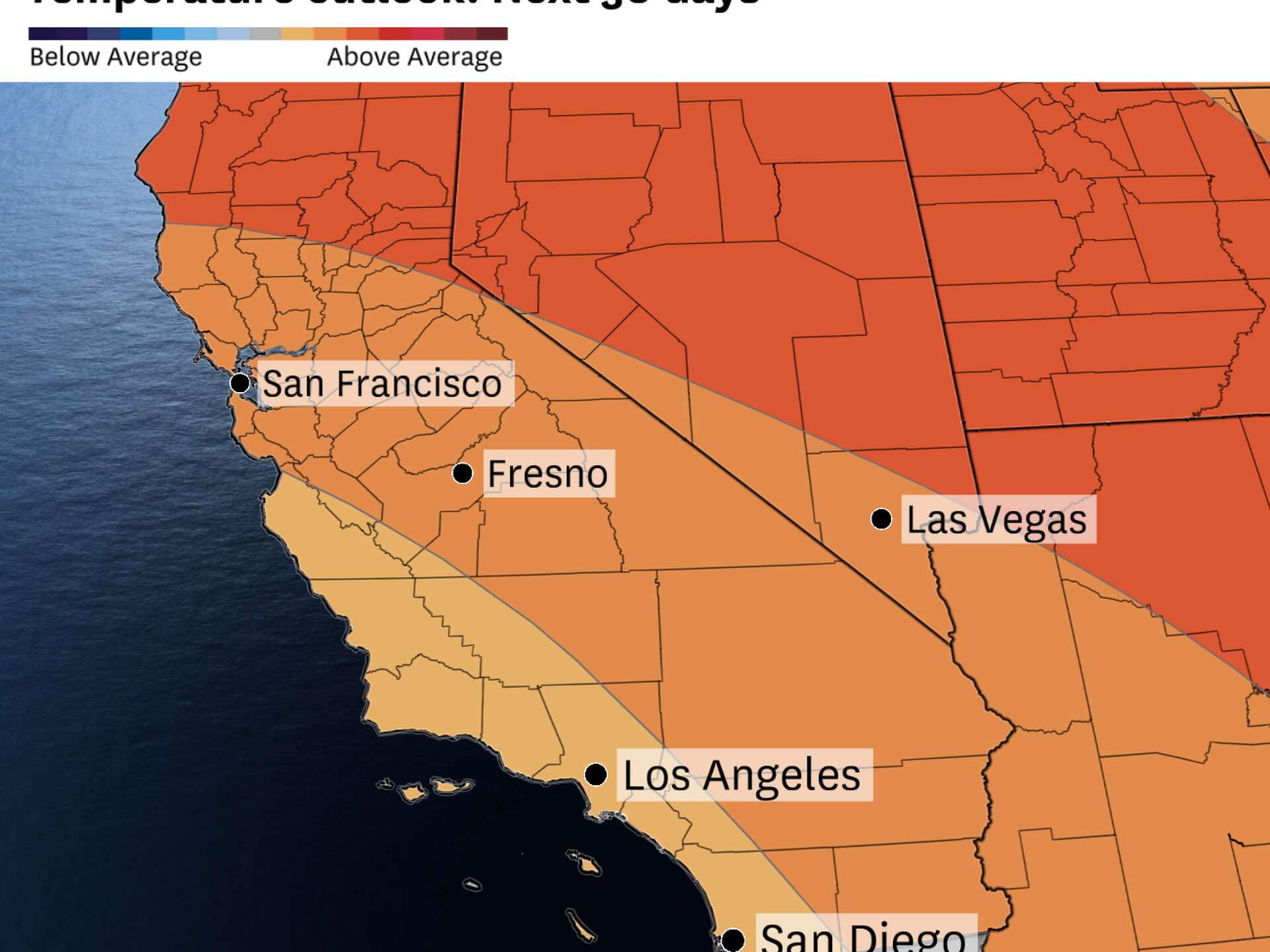
For coastal visits, summers are popular but can bring fog, especially to San Francisco. Late spring and early autumn often offer the clearest, most pleasant weather for exploring beaches, piers, and urban attractions. Always pack layers for coastal areas, as mornings and evenings can be cool even on warm days. In winter, coastal cities offer a mild retreat, perfect for cultural exploration and enjoying fewer crowds, despite the chance of rain.
Desert Adventures (e.g., Palm Springs, Death Valley)
The best time to visit California’s deserts is typically late fall through early spring (October to April) when temperatures are comfortably warm during the day and cool at night. Summer visits require extreme caution due to dangerously high temperatures. For sites like Death Valley, plan activities for early morning or late afternoon, and always carry ample water.
Mountain Retreats (e.g., Lake Tahoe, Yosemite)
Winter (December to March) is prime time for snow sports in areas like Lake Tahoe and Mammoth Mountain. Spring and fall offer beautiful hiking and fewer crowds, though some higher elevation roads may still be closed in early spring. Summer (June to September) provides full access to hiking trails, lakes, and campgrounds in Yosemite and other national parks, with warm days and cool nights. Check road conditions and park alerts, especially during shoulder seasons.
Wine Country and Valley Exploration (e.g., Napa Valley, Sacramento)
Wine country, including Napa Valley and Sonoma, is beautiful year-round. Autumn’s harvest season (September-October) is bustling and picturesque, but spring also offers pleasant weather and vibrant vineyards. Summer can be hot, making indoor tastings or early morning tours preferable. The Central Valley, with cities like Sacramento, is best enjoyed in spring and fall to avoid the intense summer heat and winter fog.
Packing Essentials for California’s Varied Forecasts
Given the diverse climates, packing for a California trip requires thoughtful consideration.
Layering is Key
Regardless of the season or destination, layering is the golden rule for packing. A light jacket or sweater is often necessary for cool coastal evenings or mountain mornings, even in summer. T-shirts, long-sleeved shirts, and a versatile outer layer will allow you to adapt to changing temperatures throughout the day.
Sun Protection
With so much sunshine, sun protection is paramount. Pack sunglasses, a wide-brimmed hat, and high-SPF sunscreen. This is crucial for all regions, from sunny beaches to high-altitude mountain trails where UV radiation is stronger.
Regional Specifics
If heading to the mountains in winter, heavy winter clothing, waterproof outerwear, and appropriate footwear for snow are essential. For desert trips, lightweight, breathable clothing, a wide-brimmed hat, and plenty of water are non-negotiable. Comfortable walking shoes are a must for any urban exploration or nature hikes.
Understanding Microclimates and Local Forecasts
California’s weather can be localized to an extreme degree. It’s not uncommon for one part of a city to be foggy while another, just a few miles inland, is bathed in sunshine.
Coastal Fog and Inland Heat
A common phenomenon is the “marine layer” or fog along the coast, which can keep coastal temperatures cool while areas just 10-20 miles inland experience significantly hotter, clearer weather. Always be prepared for this stark contrast, especially in Southern California during summer.
Mountain Weather Variability
Mountain weather can change rapidly and unpredictably. A sunny morning can quickly give way to afternoon thunderstorms, especially in summer. High winds, sudden temperature drops, and even unexpected snow showers can occur at higher elevations. Always check specific mountain forecasts before heading out and be prepared for all eventualities.
Always Check Local Forecasts
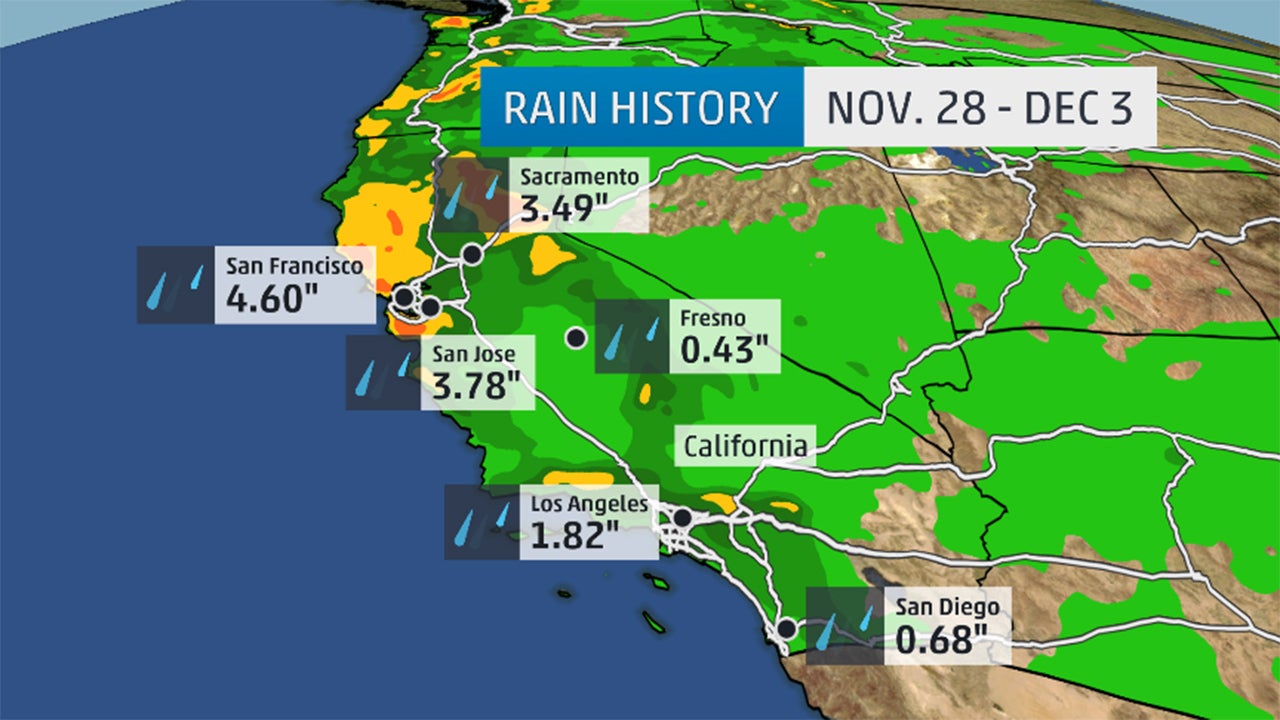
The most crucial advice for any traveler to California is to always check the specific local weather forecast for each destination you plan to visit, just days before and even during your trip. Relying on a general “California weather” forecast will leave you unprepared. Utilize reliable weather apps or websites that provide detailed hourly and daily forecasts for precise locations.
California’s weather is as captivating and diverse as its landscape. By understanding its nuances and preparing accordingly, travelers can unlock the full potential of this magnificent state, ensuring a comfortable and memorable journey through its ever-changing climes.
LifeOutOfTheBox is a participant in the Amazon Services LLC Associates Program, an affiliate advertising program designed to provide a means for sites to earn advertising fees by advertising and linking to Amazon.com. Amazon, the Amazon logo, AmazonSupply, and the AmazonSupply logo are trademarks of Amazon.com, Inc. or its affiliates. As an Amazon Associate we earn affiliate commissions from qualifying purchases.