
Navigating the rules of the road, particularly when traveling or relocating, can often present unexpected questions. Among the more frequently asked queries for drivers in the Golden State is whether a front license plate is truly mandatory. The answer, unequivocally, is yes. California law is quite clear on this matter, yet persistent myths and real-world complexities continue to fuel confusion. This comprehensive guide will delve into the specifics of California’s vehicle code, explore common misconceptions, and provide practical advice for ensuring compliance, allowing you to drive with peace of mind through its stunning landscapes.
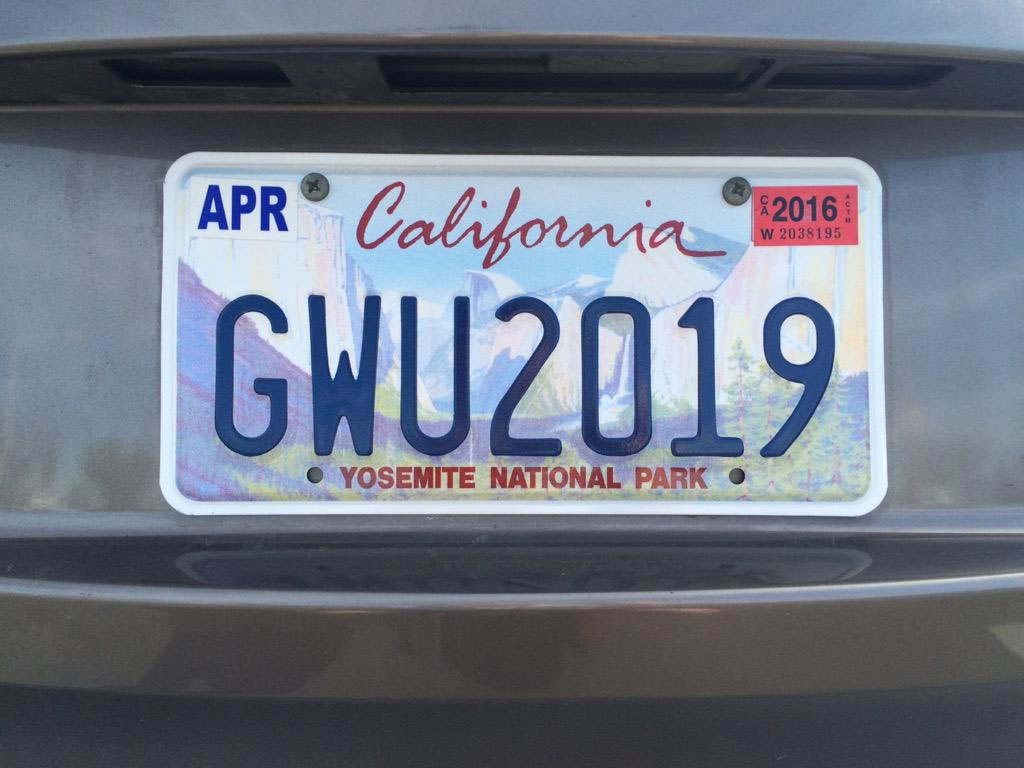
The California Vehicle Code: A Clear Mandate
Understanding the legal framework is the first step in demystifying the front license plate requirement. California’s vehicle code is explicit, leaving little room for interpretation.
Understanding the Law
The relevant statute, California Vehicle Code (CVC) Section 5200, mandates that “When two license plates are issued by the Department of Motor Vehicles for use upon a vehicle, they shall be attached to the vehicle for which they were issued, one in the front and one in the rear.” This phrasing is crucial because, for most standard passenger vehicles, the Department of Motor Vehicles (DMV) issues two plates. Therefore, if your vehicle was issued two plates, both must be displayed in their designated positions. The law also specifies that the plates must be securely fastened and clearly visible. Obscuring a plate with a frame, tint, or any other material that makes it difficult to read is also a violation. The intent behind this dual-plate system is multifaceted, focusing heavily on public safety, law enforcement, and efficient administration.
Historical Context and Purpose
The requirement for front and rear license plates isn’t arbitrary; it’s rooted in decades of legislative and practical necessity. Historically, license plates served as a primary means of vehicle identification, crucial for everything from tracking stolen vehicles to enforcing traffic laws. The front plate, in particular, offers several distinct advantages. It allows law enforcement to identify vehicles approaching them, which is vital during traffic stops or when monitoring traffic flow. It also aids in identifying vehicles in parking lots, during hit-and-run investigations, and by automated systems such as toll booths and red-light cameras. Without a front plate, a significant blind spot would be created for these enforcement and identification methods, potentially compromising public safety and regulatory effectiveness across California’s vast network of roads and highways, from the bustling streets of Los Angeles to the scenic routes near San Francisco.
Common Misconceptions and Exceptions
Despite the clear legal mandate, many drivers hold misconceptions about the front license plate rule. Addressing these can help clarify why compliance is so critical.
Out-of-State Visitors
A frequent question arises from drivers visiting California from states that only require a single rear license plate. The general rule is that you are subject to the vehicle registration laws of the state where your vehicle is registered. Therefore, if your vehicle is legally registered in a state that only requires a rear plate, you are typically not required to display a front plate while driving in California. However, this applies strictly to vehicles that are temporarily visiting. If you move to California and establish residency, you must register your vehicle in California and, in doing so, will be issued two plates, necessitating the display of both. It’s always wise for out-of-state visitors to carry their vehicle registration documents to avoid potential misunderstandings with law enforcement.
New Vehicles and Temporary Plates
When purchasing a new vehicle, especially one fresh off the dealership lot, it might not immediately have a permanent front license plate installed. California law provides for temporary solutions. Dealerships typically issue a temporary operating permit, which often takes the form of a paper plate displayed in the rear window. During the period these temporary permits are valid (usually 90 days), drivers are generally exempt from displaying permanent metal plates. However, once the permanent plates arrive from the DMV, both must be affixed to the vehicle without delay. Driving with only a rear plate after the permanent plates have been issued and the temporary permit has expired constitutes a violation.
Specialty Vehicles and Customizations
Certain specialty vehicles, such as motorcycles, typically only receive and require one license plate. Other categories, like historic vehicles or specific commercial vehicles, might have unique regulations. However, for the vast majority of passenger cars, SUVs, and trucks, the two-plate rule applies. A common issue arises with vehicle owners who prefer the aesthetic of a front end without a plate, especially on high-end sports cars where drilling into the bumper is undesirable. While there are legitimate aesthetic concerns, these do not override the legal requirement. Attempting to circumvent the law by not displaying a front plate, regardless of the vehicle’s make or model, can lead to fines and inconvenience.
Practical Implications and Enforcement
Ignoring the front license plate law carries tangible consequences that drivers should be aware of.
The Risks of Non-Compliance
Driving without a required front license plate in California is considered an “infraction.” While not a criminal offense, it can result in a fine. The base fine itself might be relatively modest, but administrative fees, court costs, and other surcharges can quickly escalate the total cost significantly. Beyond the monetary penalty, it also means a traffic stop, which can be inconvenient, time-consuming, and potentially stressful. Furthermore, repeated violations or other concurrent infractions could lead to more serious scrutiny from law enforcement.
How Law Enforcement Identifies Violations
Law enforcement agencies, including local police departments and the California Highway Patrol (CHP), are trained to identify vehicles in violation of the CVC. A missing front plate is a highly visible violation that can often be the primary reason for a traffic stop. Officers might notice it while patrolling, at traffic lights, or even when responding to other incidents. Automated systems, like those used for toll collection on bridges or express lanes in regions like San Diego, also rely on both front and rear plates for accurate identification. A missing or obscured front plate can lead to missed tolls and subsequent penalties.
What to Do if You’re Pulled Over
If you are pulled over for not having a front license plate, the best course of action is to remain calm and cooperative. Present your driver’s license, registration, and proof of insurance as requested. Avoid arguing with the officer, as this can escalate the situation. If you receive a citation, you will typically have the option to correct the violation (affix the plate) and potentially have the fine reduced or dismissed, although court fees may still apply. It’s always advisable to address the issue promptly and follow the instructions on your citation.
Navigating Plate Options and Mounting Solutions
For those concerned about vehicle aesthetics or drilling into bumpers, there are several compliant and creative solutions.
Standard vs. Specialty Plates
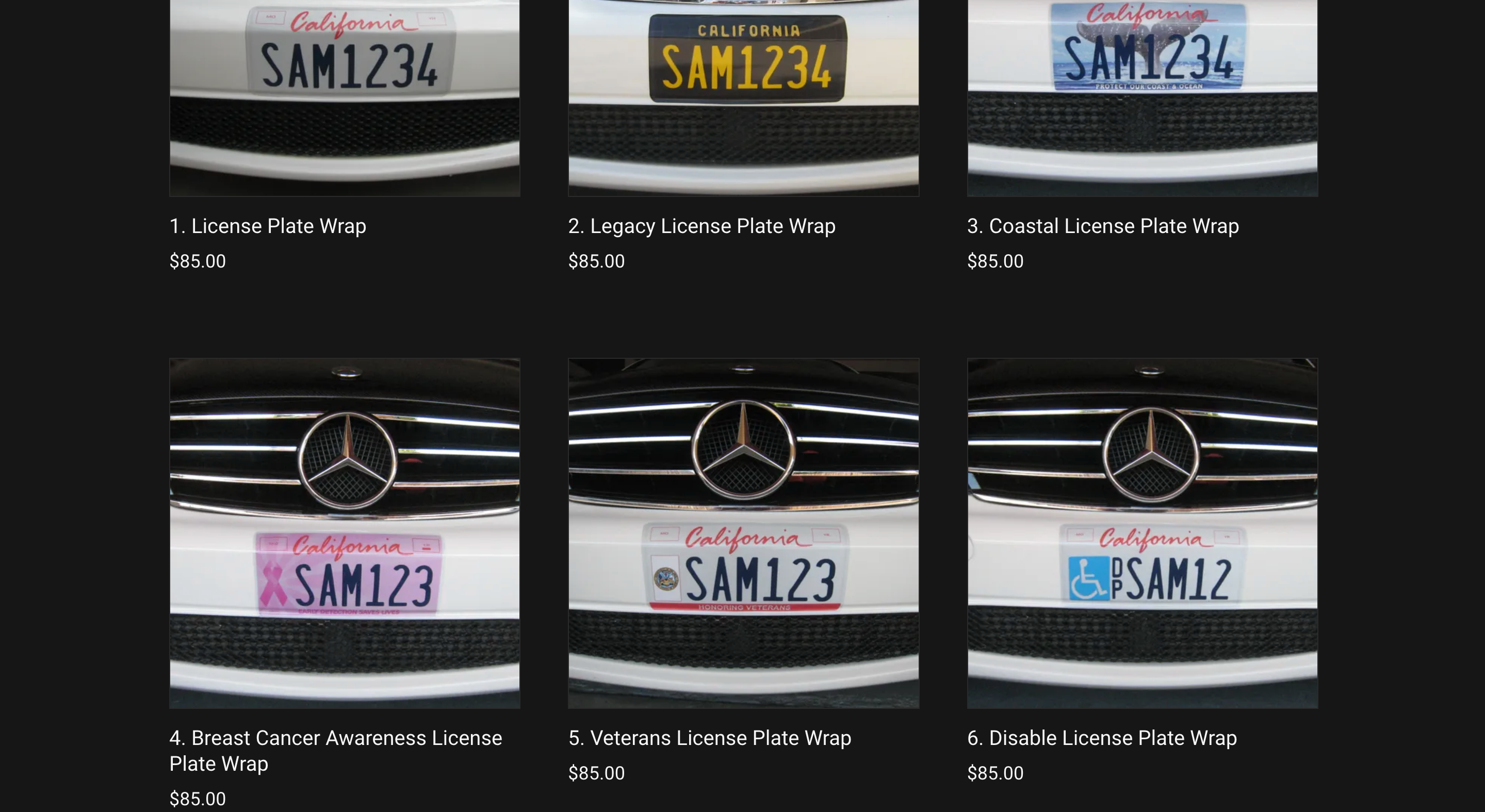
While the standard California license plate is white with blue characters, the state offers a wide array of specialty plates. These include personalized “vanity” plates, organizational plates supporting various causes (e.g., environmental, arts, veterans), and legacy plates with vintage designs. Regardless of the design or type, if two plates are issued, both must be displayed. Specialty plates are a great way to personalize your vehicle and support specific initiatives, but they don’t exempt you from the two-plate rule.
Creative and Compliant Mounting
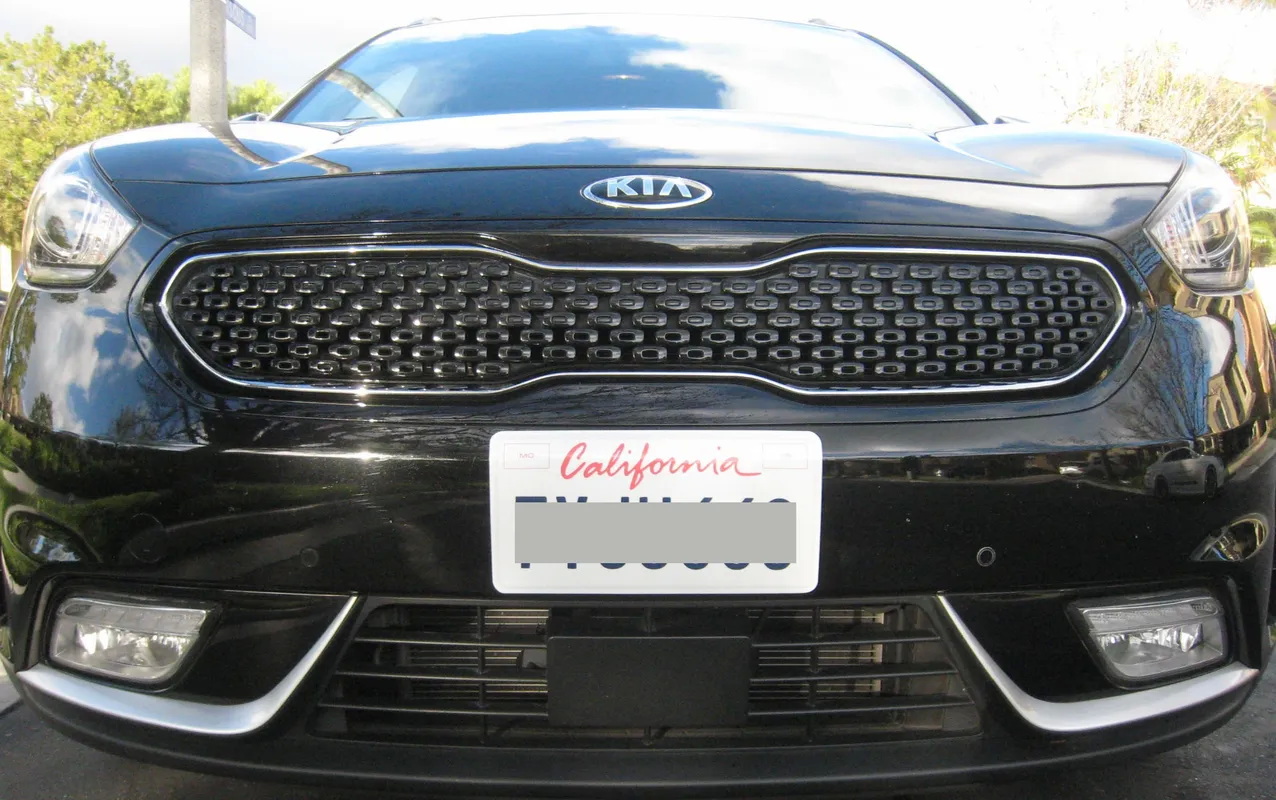
The primary requirement is that the plate be securely fastened and clearly visible. This doesn’t necessarily mean drilling directly into the front bumper. Many vehicles come with pre-drilled holes or specific mounting points. For vehicles without these, or for owners who prefer not to drill, aftermarket solutions abound. These include brackets that utilize existing tow hook receivers, providing a secure and easily removable mounting point off to the side of the bumper. Some kits integrate into the vehicle’s grille or lower air intake, offering a stealthier look.
Alternatives to Drilling: The “No-Holes” Solution
For premium vehicles or those with unique front-end designs, the thought of drilling into a pristine bumper can be disheartening. Thankfully, innovative “no-drill” or “no-holes” license plate brackets are widely available. These often attach to the lower grille, utilize existing underside mounting points, or employ strong adhesive pads that are designed to be safe for paint finishes. It’s crucial to ensure that any alternative mounting solution you choose holds the plate firmly, doesn’t obstruct airflow to the radiator, and most importantly, keeps the plate clearly visible and fully compliant with CVC 5200. Investing in a quality, compliant bracket is a small price to pay for avoiding fines and maintaining your vehicle’s aesthetic integrity.
Why Compliance Matters Beyond the Law
While avoiding a ticket is a primary motivator, the reasons for compliance with California’s front license plate law extend beyond mere legal obligation.
Public Safety and Identification
As mentioned, front license plates play a critical role in public safety. They aid in the rapid identification of vehicles involved in accidents, crimes, or Amber Alerts. Dashcams and bystander observations are significantly more effective when both plates are visible. This contributes to a safer environment for everyone on the road, from the bustling freeways to quieter residential streets.
Parking Enforcement and Toll Roads
Parking enforcement officers and automated parking systems in cities like San Diego and Sacramento often rely on front plates for vehicle identification and violation tracking. Similarly, many toll roads, bridges, and express lanes across California utilize electronic readers that scan both front and rear plates. If your front plate is missing, you could incur additional fees, penalties, or even be incorrectly charged, leading to administrative headaches. Ensuring both plates are visible facilitates smooth passage through these systems and accurate billing.
Resale Value and Vehicle Modifications
For car enthusiasts, modifications are a part of the passion. However, removing the front license plate can be seen as an illegal modification. When it comes time to sell your vehicle, a potential buyer might be wary of a car that is not in full compliance with state laws. An absence of a front plate, or evidence of a non-standard, possibly damaging, mounting solution, could detract from the vehicle’s perceived value or indicate a history of non-compliance, which some buyers might view negatively. Maintaining legal compliance, even on aesthetic points, generally supports the long-term value and marketability of your vehicle.
In conclusion, while the aesthetic preferences for a clean front bumper are understandable, the legal requirement for a front license plate in California for most vehicles is clear and unwavering. Compliance ensures you avoid fines, helps maintain public safety, and contributes to the efficient functioning of traffic and parking systems throughout the state. By understanding the law and utilizing available compliant mounting solutions, you can enjoy the beauty of California’s roads without unnecessary legal worries.
LifeOutOfTheBox is a participant in the Amazon Services LLC Associates Program, an affiliate advertising program designed to provide a means for sites to earn advertising fees by advertising and linking to Amazon.com. Amazon, the Amazon logo, AmazonSupply, and the AmazonSupply logo are trademarks of Amazon.com, Inc. or its affiliates. As an Amazon Associate we earn affiliate commissions from qualifying purchases.