
The allure of Daytona Beach, Florida, is undeniable, drawing visitors from across the globe with its miles of sandy shores, vibrant attractions, and a palpable sense of coastal charm. While the idea of a sun-drenched escape is a primary motivator for many, understanding the local weather patterns is crucial for planning the perfect trip. Whether you’re dreaming of a relaxing beach vacation, an action-packed weekend, or a family adventure, knowing what to expect from the skies above Daytona Beach will significantly enhance your experience, ensuring you pack appropriately and schedule your activities to make the most of this lively Florida destination. This comprehensive guide delves into the weather of Daytona Beach, offering insights that will help you craft an unforgettable itinerary, from the best times to visit to how the climate influences the various experiences this unique locale offers.
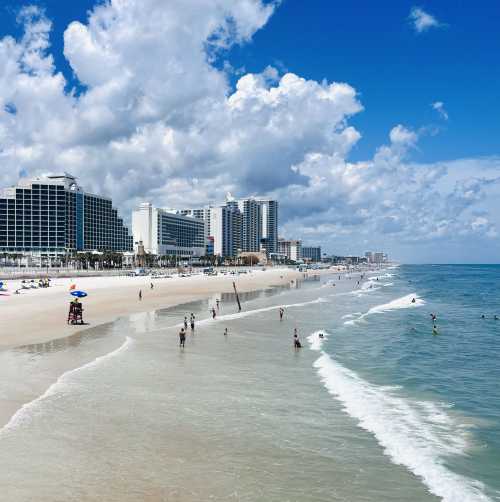
The weather in Daytona Beach is a defining characteristic of its appeal, largely dictated by its position on the Atlantic coast of Florida. This subtropical climate means warm temperatures year-round, with distinct wet and dry seasons. Understanding these nuances allows travelers to tailor their visits to their preferences, whether they seek the consistent warmth of the summer months or the more temperate conditions of the spring and fall. Beyond the simple daily forecast, the weather shapes the very rhythm of life in Daytona Beach, influencing everything from the bustling energy of Daytona 500 race week to the tranquil beauty of a sunset over the ocean.
Understanding Daytona Beach’s Climate: A Seasonal Overview
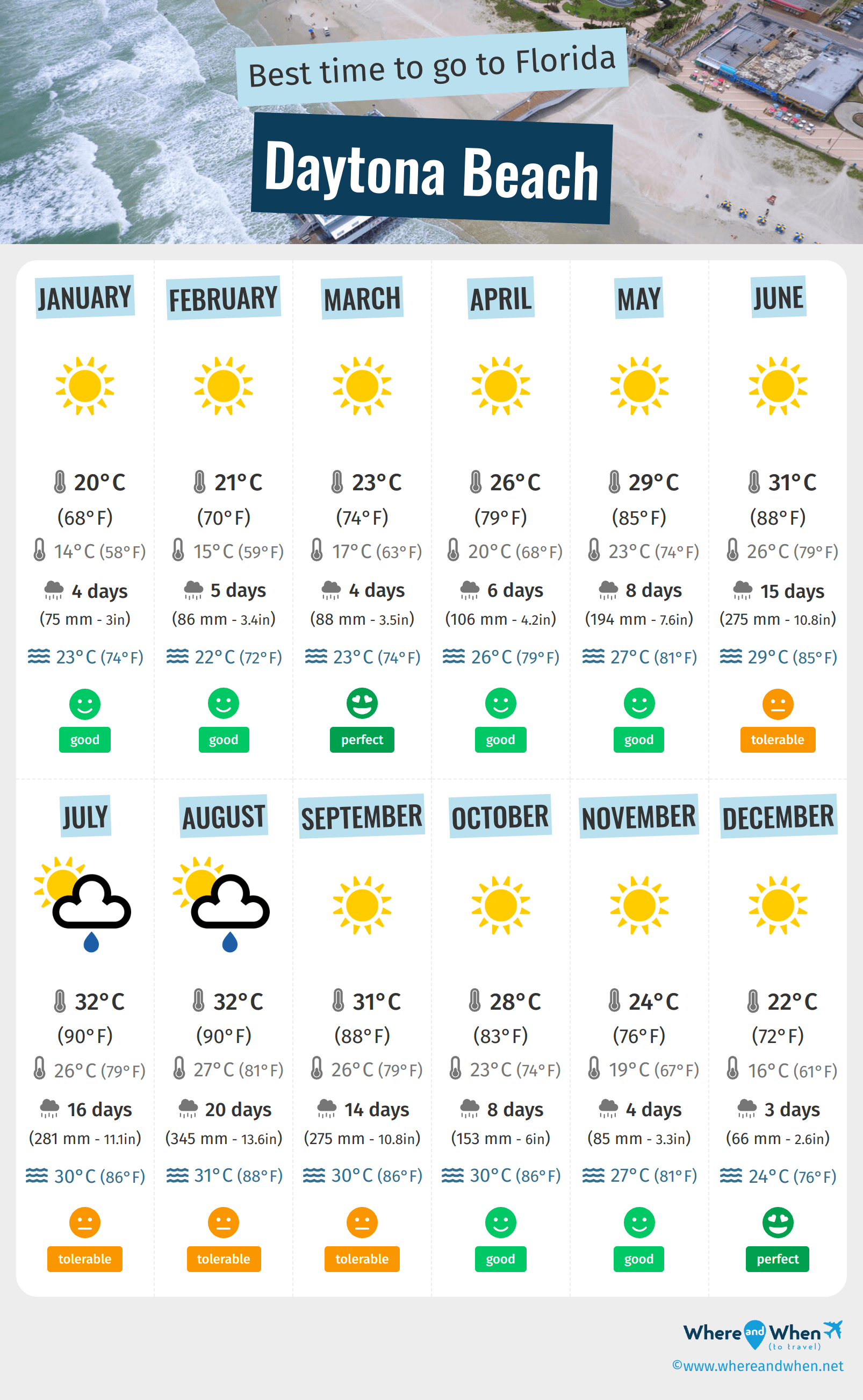
Daytona Beach experiences a typical Florida subtropical climate, characterized by hot, humid summers and mild winters. The proximity to the Atlantic Ocean plays a significant role, moderating temperatures and contributing to a higher humidity level throughout the year. This consistent warmth makes it a desirable destination for those looking to escape colder climes, but it also means understanding the nuances of the seasons is key to a successful visit.
Spring (March – May): The Sweet Spot of Sunshine and Mildness
Spring is often considered one of the most pleasant times to visit Daytona Beach. The winter chill has receded, and the intense heat and humidity of summer have not yet fully set in.
- Temperatures: Daytime temperatures typically range from the mid-70s to the low 80s Fahrenheit (24-28°C). Evenings remain comfortable, usually in the 60s Fahrenheit (15-20°C), making it perfect for outdoor dining and evening strolls along the beach.
- Rainfall: While spring is generally drier than the summer months, occasional afternoon showers can occur. These are usually brief and pass quickly, offering a refreshing break from the sun. The chance of significant rainfall is relatively low.
- Activities: This is an ideal time for exploring the numerous attractions Daytona Beach has to offer. The world-famous Daytona International Speedway is active with events, and the beaches are perfect for sunbathing, swimming, and watersports. Outdoor festivals and events are also common during this period, taking advantage of the favorable weather. For those interested in luxury travel or a more relaxed lifestyle, the spring offers a comfortable backdrop for exploring the area’s amenities.
Summer (June – August): Heat, Humidity, and Afternoon Showers
The summer months in Daytona Beach are undeniably hot and humid, a classic Florida experience. This is the peak of the rainy season, with frequent, though often short-lived, afternoon thunderstorms.
- Temperatures: Expect daytime highs to consistently reach the high 80s and low 90s Fahrenheit (31-34°C), with the humidity making it feel even warmer. Overnight lows are usually in the mid-70s Fahrenheit (24°C).
- Rainfall: June, July, and August are the wettest months. The characteristic Florida afternoon thunderstorms are a daily occurrence, typically rolling in with dramatic lightning and heavy rain. These storms usually dissipate as quickly as they arrive, often clearing the air and bringing a temporary cool-down.
- Activities: Despite the heat and rain, summer is a popular time to visit, especially for families on family trips. The beaches are the main draw, and the ocean provides a welcome respite from the heat. Be prepared for the possibility of rain interrupting outdoor plans, but remember that many attractions are indoors or can accommodate brief downpours. The vibrant nightlife and the consistent warmth are also appealing factors.
Fall (September – November): A Return to Comfort and Clear Skies
As the summer heat begins to wane, Daytona Beach transitions into another period of delightful weather. Fall offers a welcome return to milder temperatures and less humidity.
- Temperatures: September can still hold onto some of the summer heat, but by October and November, daytime temperatures are comfortably in the 70s Fahrenheit (21-26°C), with cooler evenings dipping into the 50s and 60s Fahrenheit (10-20°C).
- Rainfall: Rainfall decreases significantly compared to the summer months. While occasional showers are still possible, the frequency and intensity are much lower. This period often sees more prolonged stretches of sunshine.
- Activities: Fall is another prime time for visiting Daytona Beach. The milder weather is perfect for outdoor activities, including exploring the Daytona Beach Pier, visiting Ponce Inlet Lighthouse & Museum, and enjoying the numerous attractions and experiences the area offers. The tourism season remains strong, with a pleasant climate for discovering local culture and enjoying the outdoor lifestyle. This is also an excellent time for budget travel as some seasonal demand may lessen.
Winter (December – February): Mild Sunshine and Pleasant Breezes
Daytona Beach enjoys a mild winter compared to many other parts of the country. While not beach weather for swimming for everyone, it’s a far cry from freezing temperatures.
- Temperatures: Daytime temperatures generally hover in the 60s and low 70s Fahrenheit (16-23°C). Evenings can get cooler, sometimes dropping into the 40s and 50s Fahrenheit (4-15°C), so packing a light jacket or sweater is advisable.
- Rainfall: Winter is the driest season in Daytona Beach. Significant rainfall is rare, and you can generally expect clear, sunny days.
- Activities: This is an excellent time for sightseeing, golfing, and enjoying the many indoor attractions and accommodations. The pleasant temperatures are ideal for exploring famous places and enjoying the area’s nature. While not typically beach-swimming weather, the beaches themselves are still beautiful for walks and enjoying the ocean air. It’s a popular time for visitors seeking a milder escape and exploring Daytona Beach‘s history and architecture.
Weather’s Influence on Daytona Beach Experiences

The weather in Daytona Beach isn’t just a backdrop; it actively shapes the diverse experiences available to visitors, from the thrill of racing to the tranquility of a beachfront resort. Understanding how the climate influences these activities can help you plan your ideal getaway.
Thrills and Speed: The Impact of Weather on Racing and Events
Daytona Beach is synonymous with speed, most famously the Daytona 500. The weather plays a critical role in the execution of these high-octane events.
- Racing Conditions: Clear, dry, and calm conditions are ideal for motorsport. Rain can lead to delays, postponements, or even cancellations, significantly impacting the schedule for both drivers and spectators. The intense sun can also be a factor for drivers and attendees, requiring careful planning for hydration and sun protection. The coastal breeze, while sometimes welcome, can also influence track conditions.
- Spectator Comfort: Whether attending a race at the Daytona International Speedway or an outdoor festival, the weather directly impacts comfort. High temperatures and humidity can be draining, while unexpected rain showers can disrupt plans. Spring and fall generally offer the most comfortable conditions for enjoying extended outdoor events.
Coastal Charms: Beaches, Watersports, and Natural Wonders
The iconic beaches of Daytona Beach are a primary draw, and the weather dictates their usability and appeal.
- Beach Activities: Warm, sunny days are perfect for sunbathing, swimming, and building sandcastles. The ocean temperature is generally warm enough for swimming year-round, though cooler in the winter months.
- Watersports: Surfing, paddleboarding, and jet skiing are popular activities. The best conditions often depend on the sea state, which can be influenced by weather patterns, including offshore breezes and swells.
- Nature and Exploration: For those who enjoy exploring Daytona Beach‘s nature, such as the nearby Tomoka State Park, the weather is a crucial consideration. Pleasant temperatures and clear skies are ideal for hiking, bird-watching, and enjoying the natural beauty. Conversely, heavy rain or extreme heat can limit these opportunities. The weather also influences the visual spectacle of the coastline, from the color of the water to the dramatic sunsets.
Accommodation and Lifestyle: Planning Your Stay
The weather can also influence choices related to hotels, accommodations, and the overall lifestyle aspect of a trip to Daytona Beach.
- Choosing Accommodation: For those seeking luxury travel, the availability of amenities like climate-controlled pools and indoor dining options becomes more important during the hotter summer months or if unexpected rain occurs. Resorts often have extensive indoor facilities to cater to guests regardless of the weather. For budget travel, understanding seasonal weather patterns can help in finding better deals, as prices often fluctuate with demand, which is partly driven by the weather.
- Indoor Attractions: When the weather doesn’t cooperate, Daytona Beach offers a range of indoor attractions, from museums to aquariums. Planning for these provides a good backup for days with rain or extreme heat.
- Dining and Local Culture: Outdoor cafes and beachfront bars are at their best during pleasant weather. However, the local food scene is robust, offering excellent indoor dining experiences year-round. The local culture is also experienced both outdoors at festivals and indoors at galleries and performance venues, making it adaptable to various weather conditions.
Preparing for Your Daytona Beach Adventure
Regardless of when you choose to visit Daytona Beach, a little preparation goes a long way in ensuring a comfortable and enjoyable experience. Understanding the prevailing weather patterns for your specific travel dates is the first step.
Packing Smart for Every Season
The key to packing for Daytona Beach is layering and being prepared for both sun and occasional rain.
- Clothing Essentials: Lightweight, breathable fabrics are a must for most of the year. Pack t-shirts, shorts, and sundresses for warm days. For cooler evenings in winter or spring, bring a light jacket, sweater, or long-sleeved shirt.
- Sun Protection: This is non-negotiable in Florida. Pack sunscreen with a high SPF, a wide-brimmed hat, sunglasses, and consider UV-protective clothing.
- Rain Gear: A compact umbrella or a lightweight, waterproof jacket is advisable, especially during the summer and fall months when afternoon showers are common.
- Footwear: Comfortable walking shoes are essential for exploring. Flip-flops or sandals are perfect for the beach and casual outings. If you plan on any hiking or more active pursuits, consider appropriate footwear.
Staying Informed and Flexible
While this guide provides a general overview, actual weather conditions can vary.
- Local Forecasts: Before and during your trip, regularly check local weather forecasts for Daytona Beach. This will help you make informed decisions about your daily activities.
- Embrace Flexibility: Sometimes, the best travel experiences come from adapting to unexpected changes. If a planned outdoor activity is rained out, have a backup indoor option in mind. The diverse attractions and experiences in Daytona Beach ensure there’s always something to do, whatever the weather.
By considering the weather patterns and packing accordingly, you can maximize your enjoyment of Daytona Beach, a destination that offers a rich tapestry of travel opportunities, from thrilling activities and historical landmarks to relaxing accommodations and a vibrant lifestyle, all under the warm Florida sun.
LifeOutOfTheBox is a participant in the Amazon Services LLC Associates Program, an affiliate advertising program designed to provide a means for sites to earn advertising fees by advertising and linking to Amazon.com. Amazon, the Amazon logo, AmazonSupply, and the AmazonSupply logo are trademarks of Amazon.com, Inc. or its affiliates. As an Amazon Associate we earn affiliate commissions from qualifying purchases.