
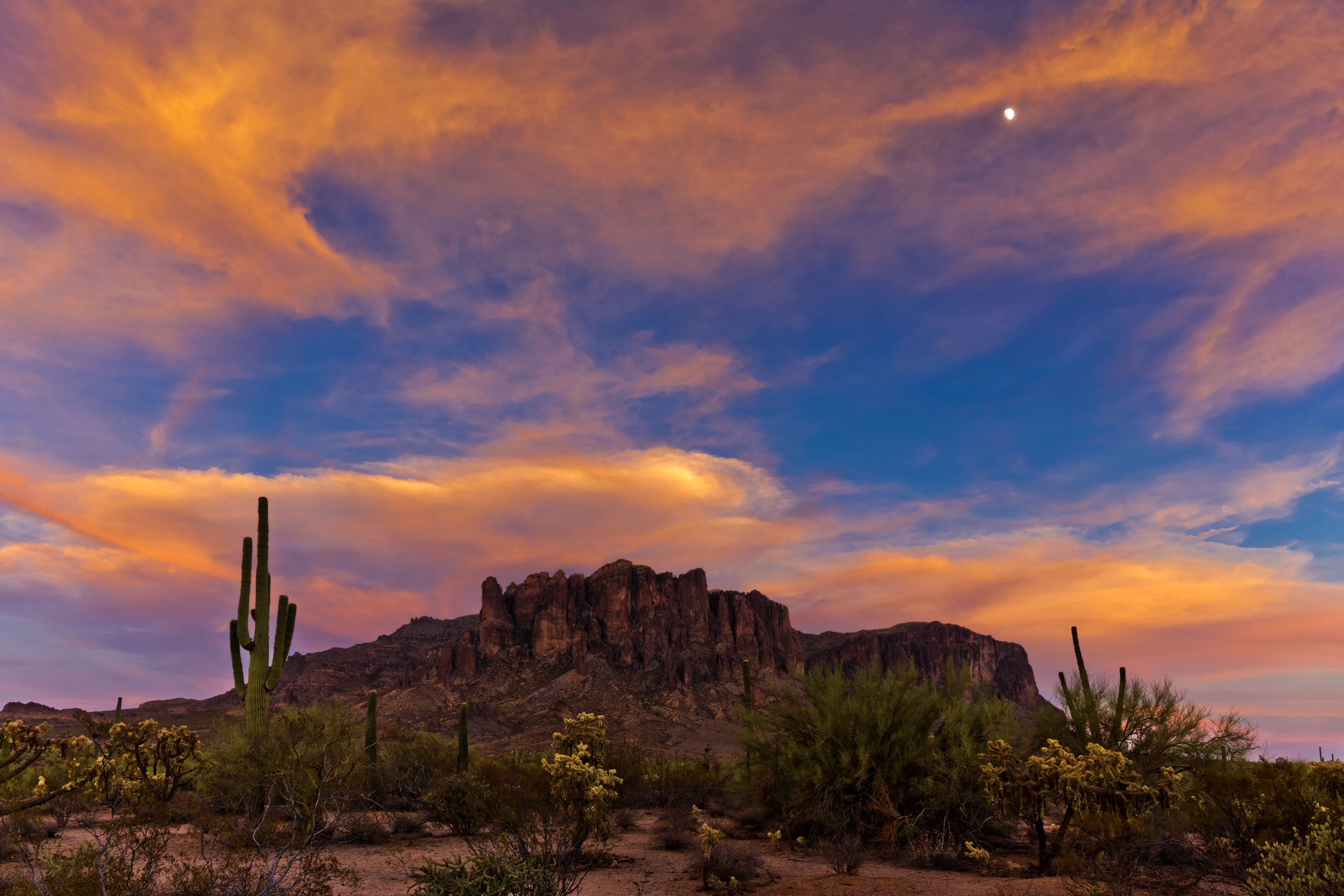
The desert landscape of Arizona, often referred to as the Grand Canyon State, offers some of the most spectacular sunsets on Earth. With its vast, open skies, dramatic red rock formations, and iconic saguaro cacti, the end of each day here is less a simple transition from light to dark and more a breathtaking natural spectacle. Travelers flock to Arizona not just for its unique attractions and vibrant culture, but specifically to witness the celestial ballet of colors painting the horizon.
Understanding what time the sun sets in Arizona is crucial for anyone planning to experience this daily marvel. Unlike many other states, Arizona has a unique approach to timekeeping, which directly impacts sunset schedules. This guide will delve into the nuances of Arizona’s sunset dynamics, highlight the best locations for viewing, suggest enriching activities to complement the experience, and provide essential tips for planning your perfect sunset getaway. Whether you’re seeking a moment of serene contemplation, a romantic backdrop, or the ideal shot for your travel photography portfolio, an Arizona sunset promises an unforgettable experience that embodies the true spirit of the American Southwest.
Understanding Arizona’s Sunset Dynamics
The exact moment the sun dips below the horizon is influenced by several factors, including the time of year, your specific location within the state, and Arizona’s distinctive time zone practices. Planning your evening activities around this dynamic schedule is essential for capturing the magic.
The Science of Sunset in the Grand Canyon State
At its core, sunset time is governed by the Earth’s rotation and its orbit around the sun. This means that sunset times naturally shift throughout the year, being earlier in winter and later in summer. However, Arizona presents an additional layer of complexity: most of the state observes Mountain Standard Time (MST) year-round and does not participate in Daylight Saving Time (DST). The notable exception is the Navajo Nation, which does observe Daylight Saving Time, meaning its clocks spring forward and fall back like much of the rest of the United States. This distinction is vital for travelers traversing the state, especially those visiting tribal lands.
For most of Arizona, during the months when DST is observed elsewhere (roughly March to November), Arizona’s MST effectively aligns with Pacific Daylight Time (PDT). When DST ends, Arizona returns to being an hour ahead of the Pacific Time Zone. This consistent MST observance results in later sunsets during the summer months compared to states that observe DST and are in the same geographic longitude. This phenomenon extends the golden hour, providing ample time for evening adventures and photography sessions.
Seasonal Variations and Their Impact on Your Plans
The seasonal shifts in sunset times across Arizona are significant and directly influence when you should plan your sunset viewing.
- Winter (December – February): During the shortest days of the year, especially around the Winter Solstice in late December, sunsets in Arizona occur earliest, typically between 5:15 PM and 6:00 PM MST. This means shorter daylight hours, but often clearer, crisp skies that can enhance the vibrant colors of the sunset.
- Spring (March – May): As the days lengthen, sunset times gradually push later. By late March, as most of the U.S. springs forward for DST, Arizona remains on MST, causing sunsets to generally occur between 6:30 PM and 7:15 PM MST. This period offers pleasant temperatures for outdoor evening activities.
- Summer (June – August): The longest days of the year, particularly around the Summer Solstice in late June, bring the latest sunsets. Expect the sun to set between 7:30 PM and 7:45 PM MST. These extended evenings are perfect for leisurely outdoor dining, stargazing, and enjoying cooler desert air after the heat of the day.
- Autumn (September – November): As the temperatures begin to cool and the days shorten again, sunset times gradually recede. From early September to late October, sunsets usually fall between 6:00 PM and 7:00 PM MST. By early November, after DST ends elsewhere, Arizona’s sunsets revert to earlier times, generally between 5:15 PM and 5:45 PM MST.
Always check a local sunset calendar or weather app for the most accurate daily times, especially when visiting specific cities or areas like the Grand Canyon National Park, Sedona, or Phoenix, as minor variations can occur based on longitude.
Top Spots to Witness Arizona’s Golden Hour
Arizona is blessed with an abundance of locations that transform into natural amphitheaters for the sunset. From vast canyons to iconic saguaro forests, each offers a unique perspective on the day’s end.
Iconic Natural Spectacles
The state’s natural wonders are undeniably some of the most sought-after places to experience the golden hour.
- Grand Canyon National Park: Perhaps the most famous sunset spot, the Grand Canyon offers an unparalleled spectacle as the sun dips below the horizon, painting the canyon walls in an ever-changing palette of reds, oranges, and purples. The South Rim is particularly popular, with several viewpoints offering exceptional vistas. Mather Point is easily accessible and provides panoramic views, though it can get crowded. For a slightly more secluded and often lauded experience, Hopi Point is a classic choice, offering a wide, unobstructed view of the western canyon. Yavapai Point also provides stunning perspectives and is home to a geology museum, making it a great spot for both education and awe. Arrive early to claim your spot and watch the light transform the ancient rock layers.
- Monument Valley Navajo Tribal Park: Located on the border of Arizona and Utah within the Navajo Nation, Monument Valley presents an iconic Western scene as the sun sets. The towering sandstone buttes and mesas, like the Mitten Buttes and John Ford’s Point, become dramatic silhouettes against a fiery sky. The interplay of light and shadow here is truly magical, offering photographers and travelers a quintessential Southwestern experience.
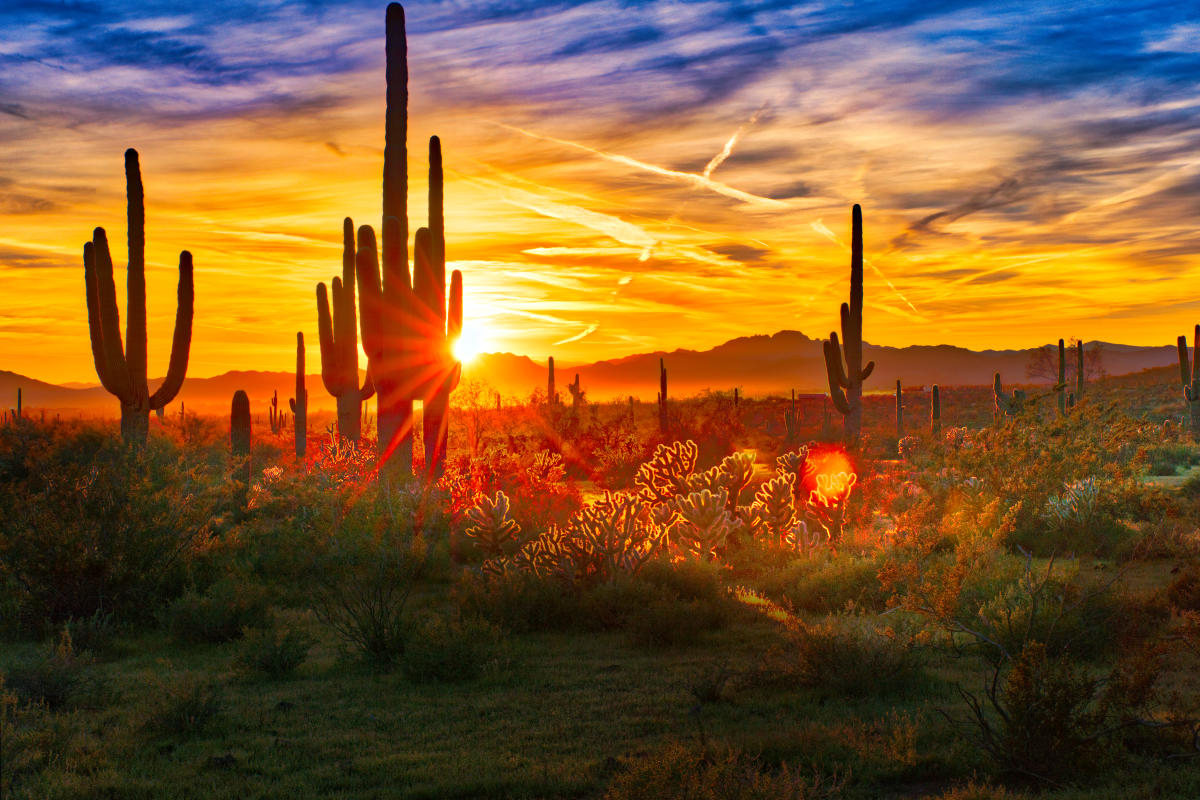
- Saguaro National Park: Divided into two districts flanking Tucson, Saguaro National Park provides a uniquely Arizonan sunset. Imagine the majestic saguaro cacti, silhouetted like sentinels against a sky ablaze with color. The Western District (Tucson Mountain District) is particularly renowned for its denser saguaro forests and offers excellent sunset photo opportunities, especially along Gates Pass Road.
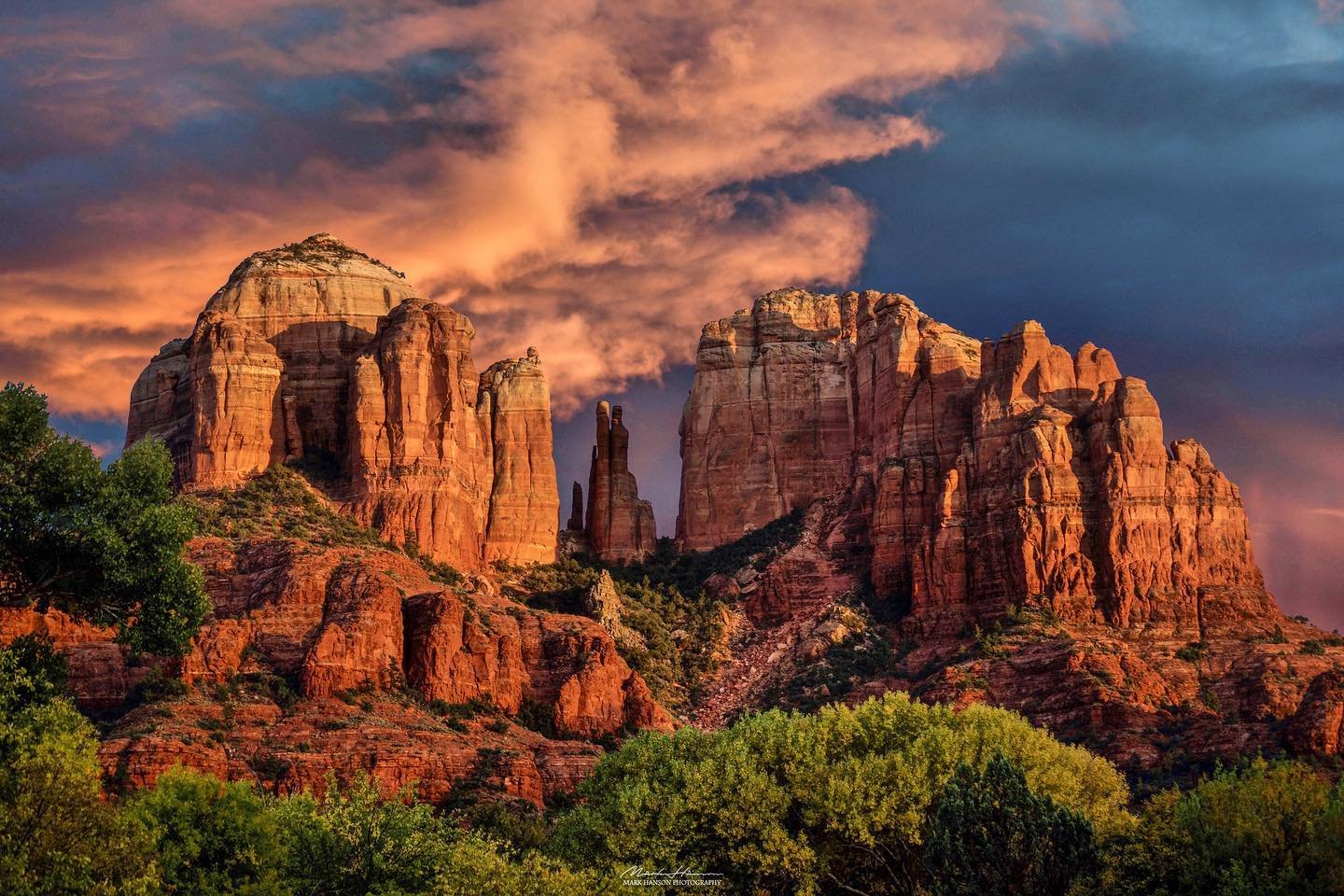
- Sedona: Famous for its vibrant red rock formations and spiritual vortexes, Sedona offers some of the most breathtaking sunsets in the state. The way the setting sun ignites the red rocks is an unforgettable sight. Popular viewing spots include Airport Mesa, which provides panoramic views of the entire valley and is easily accessible. Cathedral Rock and Bell Rock are also magnificent backdrops, particularly as the last rays of sun hit their majestic faces, creating a glow that is almost otherworldly.
Urban and Desert Oases Views
Beyond the grand natural wonders, Arizona’s cities and surrounding preserves also offer exceptional, often more accessible, sunset experiences.
- Phoenix: The bustling capital city doesn’t lack for stunning sunset spots. For an elevated perspective, consider hiking Camelback Mountain or driving up to South Mountain Park and Preserve. The views from Dobbins Lookout on South Mountain offer a sprawling panorama of the city lights meeting the desert horizon, a unique blend of urban and natural beauty. Several upscale restaurants and rooftop bars also provide excellent city-meets-sunset views.
- Scottsdale: Adjacent to Phoenix, Scottsdale provides its own array of fantastic sunset opportunities. The McDowell Sonoran Preserve offers numerous trails leading to elevated points where you can watch the sun disappear behind the distant mountains. Its extensive network of trails provides a chance to immerse yourself in the desert flora and fauna as dusk approaches. Many luxury resorts in Scottsdale are also strategically designed to offer guests spectacular sunset views from their suites, patios, or restaurants.
- Tucson: Beyond Saguaro National Park, Tucson has its own famous viewpoint at Gates Pass. This scenic mountain pass provides sweeping views of the Tucson Mountains and the Sonoran Desert, making it a favorite for locals and tourists alike to witness the colorful spectacle. The dramatic landscape here is perfect for capturing photos of the sun setting amidst desert vegetation.
- Lake Havasu City: For a different kind of Arizona sunset, head to Lake Havasu City. Here, the setting sun glints off the waters of Lake Havasu, creating a shimmering, colorful display. The iconic London Bridge, relocated stone-by-stone from England, makes for an unexpected yet charming foreground against the fiery Western sky.
Beyond the View: Sunset Experiences & Activities
An Arizona sunset is not just a visual treat; it’s an invitation to engage in a range of activities that enhance the experience and immerse you in the local culture and breathtaking environment.
Dining with a View
Pairing a spectacular sunset with exquisite cuisine is a quintessential luxury travel experience in Arizona. Many establishments leverage the state’s natural beauty to offer unforgettable dining atmospheres.
- Red Rock Romance in Sedona: Numerous restaurants in Sedona boast outdoor patios with direct views of the red rocks. Imagine enjoying a gourmet meal as the sun bathes Cathedral Rock in a golden glow. These spots often specialize in regional American cuisine, incorporating local ingredients.
- City Lights and Desert Hues in Phoenix and Scottsdale: The metropolitan areas offer a vibrant culinary scene with many rooftop bars and fine dining restaurants providing panoramic cityscapes that merge with the distant desert sunset. From sophisticated cocktails to multi-course tasting menus, these venues provide a chic backdrop for an evening of indulgence. Look for establishments in areas like Old Town Scottsdale or high-rise hotels in downtown Phoenix for the best vantage points.
Adventures Under the Evening Sky
The hours around sunset are also ideal for a variety of adventurous and enriching activities, transforming the end of the day into the start of a new adventure.
- Sunset Jeep Tours: Particularly popular in Sedona and near the Grand Canyon, these guided tours take you deep into the rugged terrain to watch the sunset from unique, elevated vantage points. It’s an exhilarating way to combine off-road adventure with spectacular natural beauty.
- Stargazing After Sunset: Arizona is renowned for its incredibly dark skies, making it one of the best places in the United States for stargazing. After the sunset fades, the heavens come alive with countless stars. Locations like Kitt Peak Observatory near Tucson offer public programs, while many state and national parks are designated International Dark Sky Parks. Pack a blanket and enjoy the celestial show that follows the sunset.
- Hot Air Balloon Rides: While many hot air balloon rides take place at sunrise, some operators offer sunset flights, particularly during cooler months. Drifting silently above the desert landscape as the sun sets is an utterly magical and unforgettable experience, offering a bird’s-eye view of the unfolding drama of colors below.
- Photography Workshops: For those keen on capturing the perfect shot, many local photographers offer workshops focused on golden hour and sunset photography. These can be found in popular scenic areas like Sedona and the Grand Canyon, guiding you to the best locations and techniques for stunning results.
Planning Your Arizona Sunset Getaway
To fully appreciate the beauty of an Arizona sunset, careful planning, especially regarding accommodation and essential tips, can make all the difference.
Accommodations with Breathtaking Vistas
Choosing the right accommodation can elevate your sunset experience from excellent to extraordinary. Many resorts and hotels in Arizona are designed to maximize views, whether it’s the red rocks of Sedona, the desert expanses of Phoenix, or the rim of the Grand Canyon.
- Luxury Resorts: In Scottsdale and Sedona, high-end resorts often feature suites with private balconies or patios directly facing west. For instance, Enchantment Resort in Sedona offers unparalleled views of Boynton Canyon, while properties like The Scott Resort & Spa in Scottsdale provide beautiful garden or pool views that glow with the setting sun. When booking, always inquire about “sunset view” or “western exposure” rooms.
- Boutique Hotels and B&Bs: Smaller, more intimate accommodations often offer unique charm and personalized experiences. Many in Sedona or Tucson have communal terraces or specific rooms designed to capture the evening light, providing a cozy setting for a memorable sunset.
- Lodges and Cabins near National Parks: For those venturing to the Grand Canyon or Saguaro National Park, booking accommodation within or immediately adjacent to the park can significantly cut down on travel time, allowing you to easily access prime viewing spots and return comfortably after dark. Rooms at Grand Canyon Village, for example, offer proximity to the South Rim’s best viewpoints.
Booking well in advance is highly recommended, especially during peak seasons, as rooms with the best views are often the first to be reserved.
Essential Tips for the Perfect Sunset Experience
To ensure your Arizona sunset experience is as smooth and enjoyable as possible, keep these practical tips in mind:
- Arrive Early: Popular sunset spots, especially at the Grand Canyon or Airport Mesa in Sedona, can draw large crowds. Aim to arrive at least 30-60 minutes before the official sunset time to secure a good viewing spot, set up your camera, and enjoy the pre-sunset “golden hour” light.
- Dress in Layers: Desert temperatures can drop significantly once the sun sets, even after a warm day. Bring a light jacket or sweater to stay comfortable as the evening chill sets in, especially in higher elevations or during cooler months.
- Photography Gear: If you’re serious about capturing the beauty, a tripod is essential for sharp, low-light photos. A wide-angle lens can help capture the expansive skies and landscapes. Don’t forget extra batteries and memory cards.
- Check Local Times and Weather: Always consult a reliable source for the exact sunset time on your specific date and location. Also, check the weather forecast for cloud cover, which can either enhance or obscure the sunset colors.
- Stay for the Afterglow: The show isn’t over when the sun dips below the horizon. The sky often continues to display vibrant colors for another 15-30 minutes during the “civil twilight” period, which can be just as, if not more, dramatic than the actual sunset.
An Arizona sunset is more than just a beautiful sight; it’s an immersive experience, a moment of connection with nature’s grandeur, and a highlight of any trip to the Southwest. By understanding the timing and planning your visit to the right locations, you’re guaranteed to witness a daily masterpiece painted across the vast, inspiring canvas of the Grand Canyon State. So pack your bags, prepare your camera, and get ready to be mesmerized by the magic that unfolds each evening in Arizona.
LifeOutOfTheBox is a participant in the Amazon Services LLC Associates Program, an affiliate advertising program designed to provide a means for sites to earn advertising fees by advertising and linking to Amazon.com. Amazon, the Amazon logo, AmazonSupply, and the AmazonSupply logo are trademarks of Amazon.com, Inc. or its affiliates. As an Amazon Associate we earn affiliate commissions from qualifying purchases.