
Las Vegas, Nevada, often referred to as “Sin City” or “The Entertainment Capital of the World,” is a magnet for travelers from across the globe, renowned for its vibrant nightlife, world-class entertainment, luxurious resorts, and an endless array of attractions. While the glitz and glamour of the Las Vegas Strip often take center stage, understanding the local weather patterns is crucial for any visitor planning a memorable trip. Situated in the heart of the Mojave Desert, Las Vegas experiences a unique and often extreme desert climate characterized by scorching summers, mild winters, and an abundance of sunshine year-round. This article delves into the intricacies of Las Vegas weather, offering insights for every type of traveler, from those seeking poolside relaxation to intrepid explorers venturing into the surrounding natural wonders.
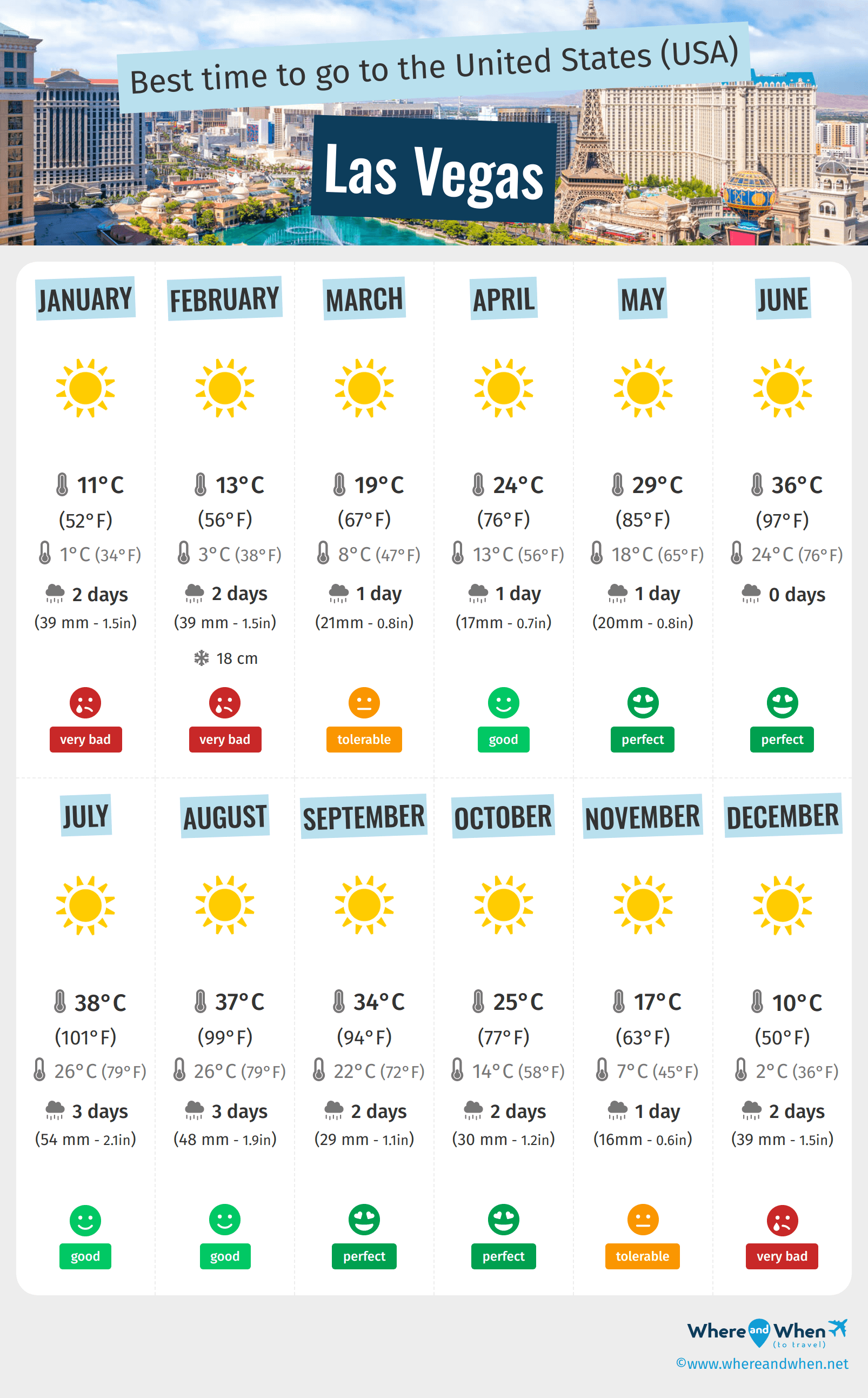
Understanding the Desert Climate of Las Vegas
The climate of Las Vegas is classified as a hot desert climate, which means it experiences very hot summers, warm winters, and extremely low humidity throughout much of the year. This arid environment is typical of the southwestern United States. One of the most striking features of Las Vegas weather is the sheer number of sunny days it enjoys — on average, over 300 days of sunshine per year. This constant sun contributes to the city’s bright and energetic atmosphere, but it also necessitates careful planning, especially during peak temperature months. Rainfall is minimal, mostly occurring during late summer as part of the North American monsoon season, which can bring sudden, intense thunderstorms and flash floods, though these events are usually short-lived and localized. Snowfall is an extremely rare occurrence, generally limited to the surrounding mountain peaks.
Year-Round Temperature Trends
The temperature fluctuations in Las Vegas can be quite dramatic, not just between seasons but also between day and night, a common characteristic of desert environments. During the peak of summer, daytime temperatures can routinely exceed 100°F (38°C), sometimes even climbing to 115°F (46°C) or higher. While these temperatures are intense, the low humidity often makes the heat feel less oppressive than in more humid climates, though caution is still paramount. Nighttime temperatures in summer offer some relief, often dropping into the 70s or low 80s°F (20s°C), making evenings more comfortable for outdoor activities.
Conversely, winter temperatures are considerably milder. Daytime highs typically range from the low 50s to mid-60s°F (10s to 18°C). However, evenings and nights can become quite chilly, often dipping into the 30s or low 40s°F (0s to 5°C), sometimes even dropping below freezing. This significant diurnal temperature range means that even in winter, visitors should be prepared for both pleasant days and surprisingly cold nights. Spring and fall offer the most temperate and arguably the most enjoyable weather, with daytime highs generally in the 70s and 80s°F (20s to low 30s°C), making them ideal for exploring both the city and its natural surroundings.
Seasonal Weather Breakdown: Planning Your Las Vegas Adventure
Understanding the distinct characteristics of each season is key to planning the perfect Las Vegas getaway, whether you’re focusing on travel, hotels, tourism, or lifestyle experiences.
Scorching Summers: Adapting to the Heat (June – August)
Summer in Las Vegas is synonymous with intense heat. Daytime temperatures consistently hover above 100°F (38°C), making outdoor activities during peak sun hours largely impractical. Despite the formidable heat, summer remains a popular time for visitors, especially those drawn to the city’s renowned pool scene. Hotels like Mandalay Bay with its famous beach and wave pool, or the luxurious cabanas at Wynn Las Vegas, become central hubs of activity. Many resorts offer air-conditioned walkways, misters by the pools, and an abundance of indoor attractions to help guests escape the heat.
For tourism and lifestyle considerations, summer is prime time for indoor entertainment: casinos, world-class shows by performers at venues like Caesars Palace or The Venetian Resort Las Vegas, shopping at air-conditioned malls, and exploring the numerous restaurants. Nightlife truly comes alive as the sun sets, and while temperatures remain warm, the desert air becomes much more bearable. When planning summer travel, prioritize accommodation with excellent air conditioning and consider booking a suite at resorts offering private plunge pools or shaded patios. Hydration is non-negotiable; always carry water and limit direct sun exposure during midday.
Mild and Magnificent Falls: Ideal for Exploration (September – November)
Fall is arguably one of the most delightful seasons in Las Vegas, offering a welcome respite from the summer inferno. Temperatures gradually cool down, with September still seeing some warmth but October and November bringing comfortable highs in the 70s and 60s°F (20s to 15°C). This pleasant weather makes it an ideal time for outdoor travel and tourism.
Visitors can comfortably explore iconic landmarks such as the Hoover Dam or embark on scenic drives through the stunning Red Rock Canyon National Conservation Area without the oppressive heat. Golf courses are in prime condition, and hiking trails become accessible and enjoyable. Lifestyle choices during this season lean towards more active pursuits, from guided tours to exploring the vibrant arts scene downtown. Accommodation can be slightly more expensive due to the comfortable weather, so booking in advance is advisable. Evenings remain mild but can become cool, so a light jacket or sweater is a wise addition to your packing list.

Cool Winters: A Different Side of Sin City (December – February)
Winter in Las Vegas is characterized by mild, sunny days and surprisingly cold nights. Daytime temperatures typically range from the low 50s to mid-60s°F (10s to 18°C), making it a comfortable time for walking the Strip or enjoying outdoor patio dining. However, once the sun sets, temperatures can drop significantly, often into the 30s or 40s°F (0s to 5°C). This means packing layers is essential.
For tourism, the winter months bring a festive atmosphere, especially around the holidays, with hotels like the Bellagio transforming its Bellagio Conservatory & Botanical Gardens into a winter wonderland. While pool lounging is less common, many resorts offer heated pools and hot tubs. It’s a fantastic time for indoor entertainment, gourmet dining, and enjoying the city’s vibrant show schedule. For budget-conscious travel, early December and parts of January can offer more affordable accommodation rates, excluding holiday periods like Christmas and New Year’s Eve. The crisp air and clear skies also make it a perfect time for day trips to nearby Lake Mead or even further afield to the Grand Canyon, where the views can be spectacular.
Pleasant Springs: The Peak Season Sweet Spot (March – May)
Spring is widely considered the best time to visit Las Vegas, offering nearly perfect weather conditions. Daytime temperatures are consistently pleasant, ranging from the high 60s to high 80s°F (20s to low 30s°C), with abundant sunshine and minimal humidity. The desert flora surrounding the city often blooms in vibrant colors, adding a touch of natural beauty to the landscape.
This season is ideal for all types of travel and tourism. Outdoor activities, from exploring the Fremont Street Experience to golfing and hiking, are incredibly enjoyable. Pool season is in full swing, with perfect temperatures for sunbathing and swimming. Hotels and resorts are bustling, and the city’s outdoor attractions are popular. Due to the superb weather, spring is a peak travel season, which means accommodation prices can be higher and availability tighter. Booking well in advance is highly recommended to secure your preferred hotel or apartment, especially if you’re looking for specific amenities or a particular lifestyle experience.
Navigating Las Vegas Weather: Tips for a Seamless Trip
Regardless of when you choose to visit, a few universal tips can help ensure a comfortable and enjoyable experience in Las Vegas.
Packing Essentials for Every Season
- Summer: Light, breathable clothing (cotton, linen), wide-brimmed hat, sunglasses, high-SPF sunscreen, swimsuit, comfortable sandals/walking shoes. Evenings may require a light shawl or sweater if dining indoors with strong AC.
- Fall & Spring: Layers are your best friend. T-shirts and shorts/light pants for daytime, with a jacket, sweater, or hoodie for cooler evenings. Comfortable walking shoes are a must.
- Winter: Warm jacket or coat, sweaters, long pants, closed-toe shoes. You might even want a hat and gloves for very cold nights, especially if spending time outdoors.
Staying Comfortable and Safe
- Hydration: This is paramount, especially in the desert environment. Drink plenty of water throughout the day, even if you don’t feel thirsty. Electrolyte drinks can also be beneficial.
- Sun Protection: The Las Vegas sun is intense year-round. Always wear sunscreen, sunglasses, and a hat when outdoors, regardless of the temperature. Seek shade whenever possible.
- Indoor Retreats: Utilize the numerous air-conditioned spaces available. Las Vegas is designed for indoor comfort, with casinos, shops, and restaurants providing welcome relief from the elements.
- Pace Yourself: The dry air and high temperatures can be deceiving. Take breaks, listen to your body, and don’t overexert yourself, especially if you’re not accustomed to desert climates.
- Car Safety (Summer): If renting a car, be aware that car interiors can reach dangerous temperatures quickly. Never leave children or pets unattended in a vehicle, and use sunshades.
Beyond the Strip: Weather’s Influence on Outdoor Excursions
While the city itself is an air-conditioned oasis, the surrounding natural landmarks and outdoor attractions are heavily influenced by the weather. Day trips to places like the Grand Canyon, Red Rock Canyon National Conservation Area, or Death Valley National Park require specific weather considerations.
For instance, visiting Death Valley National Park in summer is generally not recommended due to extreme and dangerous heat that can exceed 120°F (49°C). The cooler months of fall, winter, and spring are much more suitable for exploring these natural wonders, offering comfortable hiking temperatures and stunning scenic drives. Always check local weather forecasts for your specific outdoor destination before embarking on an excursion, and pack appropriate gear, including ample water, sturdy footwear, and navigation tools. The clear desert skies also offer unparalleled stargazing opportunities, particularly in cooler months away from the city lights, adding another dimension to the Las Vegas lifestyle experience.
In conclusion, Las Vegas weather is as much a part of its identity as its casinos and shows. While the city’s desert climate presents its challenges, particularly in summer, understanding its nuances allows travelers to plan accordingly and maximize their enjoyment. Whether you seek the vibrant energy of a summer pool party, the comfortable conditions for exploring natural landmarks in spring or fall, or the mild, festive atmosphere of winter, Las Vegas offers a unique experience tailored to every season. With proper preparation, every visit to Las Vegas can be a fantastic adventure, no matter what the weather brings.
LifeOutOfTheBox is a participant in the Amazon Services LLC Associates Program, an affiliate advertising program designed to provide a means for sites to earn advertising fees by advertising and linking to Amazon.com. Amazon, the Amazon logo, AmazonSupply, and the AmazonSupply logo are trademarks of Amazon.com, Inc. or its affiliates. As an Amazon Associate we earn affiliate commissions from qualifying purchases.