
For travelers planning their dream vacation to the sun-kissed shores of Hawaii, understanding the local tax structure is an often-overlooked yet crucial aspect of budgeting. Unlike most states in the United States, Hawaii does not impose a traditional sales tax. Instead, the Aloha State operates under a unique system known as the General Excise Tax (GET). This distinction is vital for anyone considering a trip, as GET impacts virtually every transaction, from your hotel stay to the local plate lunch. Delving into the nuances of Hawaii’s tax landscape is essential for crafting an accurate budget and ensuring a seamless, stress-free travel experience, whether you’re embarking on a luxurious getaway or a budget-friendly adventure.
The General Excise Tax is a broad-based consumption tax levied on the gross income of businesses operating in Hawaii. This means that businesses are taxed on their total receipts, and while they are permitted by law to pass this cost on to the consumer, it is not technically an “add-on” sales tax that appears separately on every receipt. Instead, it’s often built directly into the price of goods and services. This subtle difference can sometimes lead to confusion, as visitors might not immediately recognize the tax component of their purchases. Our aim here is to demystify Hawaii’s GET, explaining its mechanics, its varying rates, and most importantly, how it will influence your travel, accommodation, dining, and activity expenses across the islands.
Understanding Hawaii’s General Excise Tax (GET)
The General Excise Tax is one of the foundational pillars of Hawaii’s revenue system, a critical component that funds essential public services and infrastructure across its diverse islands. While many states rely on a sales tax that is added at the point of sale, Hawaii’s GET is applied at various stages of production and distribution, ultimately cascading down to the final consumer. This “pyramiding” effect means that the tax can be levied multiple times before a product or service reaches your hands, though businesses usually adjust their pricing to reflect this reality. Understanding this unique structure is the first step towards effectively budgeting for your Hawaiian escapade.
How GET Differs from Sales Tax
The primary difference between Hawaii’s General Excise Tax and a traditional sales tax lies in who is taxed and when. A sales tax is typically imposed on the final consumer at the point of sale, collected by the vendor, and remitted to the state. It’s an obvious line item on your receipt. GET, on the other hand, is a tax on the gross receipts of businesses for the privilege of doing business in Hawaii. This means that every business, from manufacturers and wholesalers to retailers and service providers, pays GET on their income.
When you purchase goods or services, businesses have the option to “pass on” the GET to the consumer. This usually appears as a surcharge, often listed as “GET” or “HI GET,” but it’s crucial to remember that it’s the business’s tax liability being transferred, not a direct sales tax on your purchase. For instance, when you check into a hotel, the GET is applied to the hotel’s gross revenue from your room charge. The hotel then typically adds a GET surcharge to your bill to recoup this cost. This distinction might seem subtle, but it impacts how prices are structured and how taxes are perceived by visitors. For those familiar with transparent sales tax rates in places like California or New York, the Hawaiian system requires a slight mental adjustment, but it ultimately serves the same purpose of generating state revenue.
Current GET Rates Across the Islands
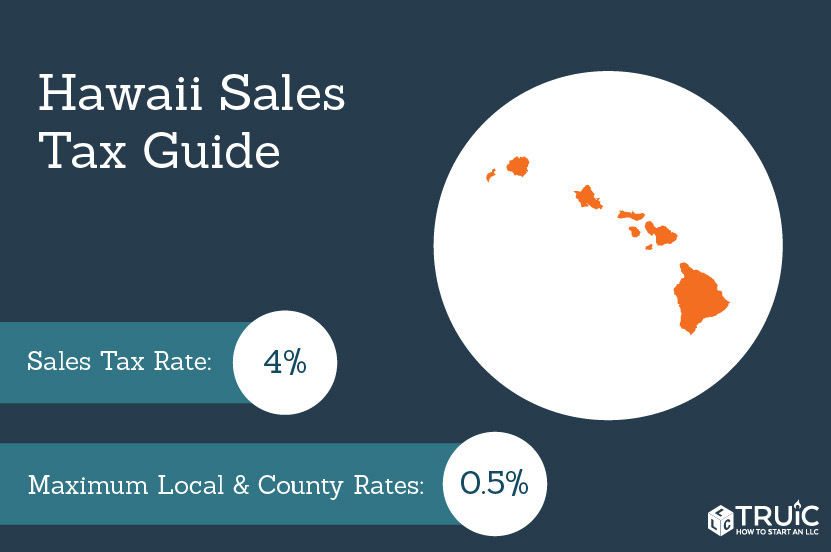
The standard state-wide GET rate in Hawaii is 4%. However, it’s essential to note that counties have the authority to impose an additional local GET surcharge, which adds to the overall rate you’ll pay as a consumer. This means the effective GET rate can vary slightly depending on which island or county you are visiting.
As of recent updates, the common effective GET rates you’ll encounter are:
- Oahu (including Honolulu and Waikiki): 4.5% (4% state GET + 0.5% county surcharge). This applies to the vast majority of transactions on Oahu, encompassing popular tourist destinations like Pearl Harbor and the bustling streets of Honolulu.
- Maui: 4.166% (4% state GET + 0.166% county surcharge). This slightly lower surcharge still means that costs in beautiful Lahaina or along the Road to Hana will reflect this combined rate.
- Big Island (or Island of Hawaii): 4.416% (4% state GET + 0.416% county surcharge). Whether you’re exploring the volcanic landscapes near Kona or the lush Hilo side, this rate will apply.
- Kauai: 4.712% (4% state GET + 0.712% county surcharge). The Garden Isle has the highest county surcharge, making it slightly more expensive from a tax perspective on daily expenditures, including visits to Waimea Canyon.
- Molokai and Lanai: These islands typically follow the rates of their respective counties. Molokai is part of Maui County, and Lanai is also part of Maui County, so the 4.166% rate applies.
These rates are applied to the gross income of businesses, which then may pass them on to consumers. When planning your trip, it’s prudent to consider these slight variations, especially for extended stays or significant purchases. Always double-check your receipts for specific GET charges, which are usually calculated as 4.166% on the 4% state portion (to account for the tax on the tax itself) plus the local surcharge, leading to the precise numbers like 4.712% or 4.166%.
The Impact of GET on Your Hawaiian Vacation Budget
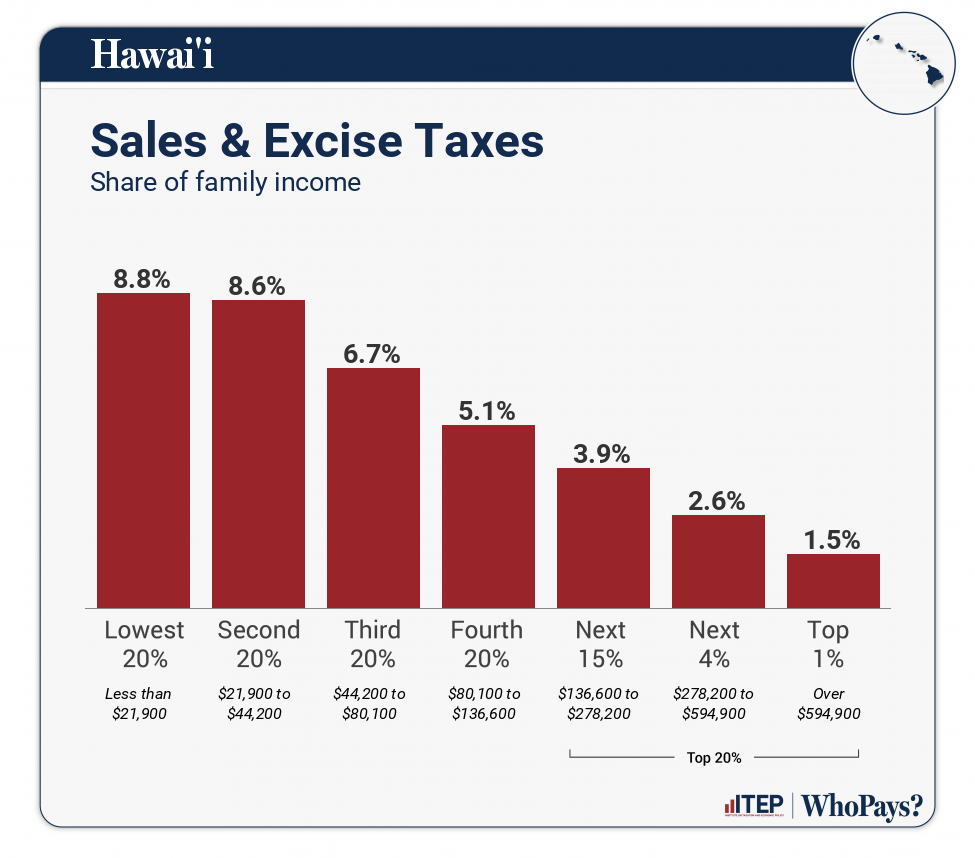
The General Excise Tax, while seemingly a small percentage, can accumulate significantly over the course of a vacation, subtly yet effectively influencing your overall travel budget. Unlike a simple sales tax, its pervasive nature across nearly all goods and services means that every aspect of your Hawaiian journey, from where you lay your head at night to the souvenirs you bring home, will be subject to this tax. Recognizing this widespread application is key to avoiding sticker shock and budgeting wisely for your dream trip.
Accommodation: Hotels, Resorts, and Rentals
Accommodation is often the largest single expense for travelers to Hawaii, and it’s where the impact of GET, along with other taxes, becomes most pronounced. When booking a hotel room, a suite at a luxury resort, an apartment, or a private villa, you’ll encounter two primary taxes: the General Excise Tax (GET) and the Transient Accommodations Tax (TAT).
- General Excise Tax (GET): This will be applied at the prevailing island rate (e.g., 4.5% on Oahu, 4.166% on Maui) to the gross rental income of the accommodation provider.
- Transient Accommodations Tax (TAT): This is a separate state tax specifically levied on hotel rooms, vacation rentals, and other transient accommodations. The TAT rate is currently 10.25%.
This means that on top of your nightly room rate, you could be looking at an additional 14-15% in taxes. For example, a $300 per night hotel room on Oahu would incur roughly $13.50 in GET (4.5%) and $30.75 in TAT (10.25%), adding over $44 to your nightly bill. Over a week-long stay, this can amount to hundreds of dollars. When browsing for hotels or comparing accommodation options, always check the “total price” or look for a breakdown of taxes and fees. Many booking platforms will show these automatically, but it’s wise to be aware, especially if you’re working with a tight budget. Reserving accommodations well in advance can often secure better rates, helping to offset these unavoidable tax additions, a common strategy for both luxury and budget travelers alike.
Dining and Local Experiences
Exploring Hawaii’s vibrant local culture and diverse culinary scene is a highlight for many visitors. From fresh seafood and traditional poke bowls to gourmet dining and local food trucks, the GET will factor into your bill. Restaurants and eateries will typically pass on the General Excise Tax at the applicable island rate. This is usually built into the menu prices or added as a small surcharge. For example, if you enjoy a meal in Honolulu, expect the effective GET rate of 4.5% to apply to your food and beverage purchases.
This also extends to other local experiences. Guided tours, cooking classes focusing on Hawaiian cuisine, attending a luau, or visiting local markets for fresh produce will all have GET factored into their prices. While 4-5% might seem small on a single meal, dining out frequently, especially in more upscale establishments, can significantly inflate your food budget over the course of your trip. Planning for groceries and preparing some meals in an apartment or villa with kitchen amenities can be a smart way to manage these cumulative costs, especially for longer stays or family trips. Embracing local food trucks and farmers’ markets can also offer delicious, more budget-friendly options that still provide an authentic taste of Hawaii.
Activities, Attractions, and Shopping
Beyond accommodation and dining, the General Excise Tax touches virtually every other aspect of your Hawaiian vacation. Whether you’re planning to visit iconic landmarks, engage in thrilling activities, or simply shop for souvenirs, factor in the GET.
- Attractions: Entry fees for popular attractions like the Polynesian Cultural Center, tours of Diamond Head, or admission to national parks or historical sites will include GET. For example, a historical tour of Pearl Harbor will have the GET built into its ticket price.
- Activities: Adventurous excursions like surfing lessons in Waikiki, snorkeling tours in Maui, helicopter rides over the Big Island volcanoes, or zip-lining in Kauai will all have GET applied to their service fees. Even renting beach gear or a surfboard will include GET.
- Shopping: From high-end fashion boutiques in Honolulu to charming local craft shops in Lahaina, all retail purchases are subject to GET. Souvenirs, clothing, local artwork, and even everyday essentials purchased from grocery stores will have the GET either incorporated into the shelf price or added as a line item at checkout.
For luxury travelers, the impact of GET on high-value purchases or premium experiences can be substantial. For budget travelers, being mindful of these small percentages on numerous small purchases is critical. Always scrutinize pricing for excursions and shopping, remembering that the listed price might not be the final price after GET and other potential fees (like resort fees or service charges) are added. This diligent approach ensures your travel funds stretch further, allowing you to enjoy more of Hawaii’s’s natural beauty and unique offerings.
Smart Strategies for Managing Costs in Hawaii
Navigating the cost of a Hawaiian vacation, especially with the added layer of the General Excise Tax and other fees, requires a bit of foresight and strategic planning. While Hawaii is known for being a relatively expensive destination, smart choices can significantly enhance your experience without breaking the bank. By understanding where and how the GET applies, you can make informed decisions that align with your lifestyle and budget, whether you’re seeking luxury travel or an economical family trip.
Budgeting for the Unseen
The most effective strategy for managing costs in Hawaii is to budget not just for the obvious expenses like flights and accommodation, but also for the “unseen” or often underestimated costs that taxes and surcharges represent.
- Factor in a Tax Buffer: When setting your daily budget for food, activities, and shopping, add an extra 10-15% buffer specifically for GET, TAT (for accommodations), and any resort or service fees. For instance, if you estimate $100 for daily expenses, mentally allocate an additional $10-15 to cover these charges. This proactive approach prevents you from overspending your core budget.
- Read the Fine Print: When booking hotels or excursions online, carefully review the “total price” or the breakdown of charges before confirming. Many booking sites will display the taxes and fees, including GET and TAT, clearly. Be aware of “resort fees” which are separate from taxes and cover amenities like Wi-Fi or fitness center access, often added daily and subject to GET.
- Use Self-Catering Accommodation: Staying in an apartment, condo, or villa with kitchen facilities can dramatically reduce food costs. By purchasing groceries and preparing some meals, you reduce your exposure to GET on restaurant bills. This is particularly beneficial for longer stays or for families. Honolulu and Maui offer numerous such accommodation options.
- Explore Free and Low-Cost Activities: Hawaii offers an abundance of natural beauty that costs nothing to enjoy. Hiking trails, public beaches (like Waikiki Beach), scenic drives, and snorkeling from shore are all fantastic ways to experience the islands without incurring GET.
Leveraging Lifestyle Choices
Your lifestyle choices during your vacation can play a significant role in managing your budget and minimizing the cumulative impact of GET.
- Embrace Local Eateries: While upscale restaurants are beautiful, seeking out local diners, food trucks, and plate lunch spots often provides a more authentic and affordable culinary experience, with the GET still applicable but on a lower base price. This also supports local businesses and offers a taste of Hawaiian staples.
- Public Transportation or Walking: On islands like Oahu, TheBus provides extensive public transport, offering a cost-effective alternative to rental cars (which are subject to GET on rental fees and fuel). Exploring areas like Waikiki on foot saves money and provides a more immersive experience.
- Souvenir Savvy: Instead of buying expensive, mass-produced souvenirs, consider unique local crafts from farmers’ markets or art fairs, where prices might be more negotiable or offer better value for money. Remember, even these purchases will have GET applied, but choosing quality over quantity can make a difference.
- Off-Season Travel: Traveling during the off-peak seasons (typically spring and fall) can lead to lower prices for flights, hotels, and sometimes activities. While the GET rates remain constant, the lower base prices for services mean a lower overall tax amount. This is a common strategy for budget-conscious travelers seeking to experience Hawaii’s beauty without the peak season crowds and costs.
- Bundling Services: Some tour operators or travel agencies offer bundled packages that combine flights, accommodation, and activities. While GET and TAT are still part of the underlying costs, these bundles can sometimes offer a better overall value than booking everything separately, as providers might absorb some costs or offer package discounts. Always compare total package prices against individual bookings to ensure genuine savings.
By consciously making these choices, visitors can effectively navigate the financial landscape of Hawaii, ensuring that their focus remains on enjoying the breathtaking landscapes, rich culture, and warm hospitality that the islands are renowned for, rather than being preoccupied by unexpected costs.
Navigating GET: A Seamless Experience for Travelers
Ultimately, the General Excise Tax in Hawaii is a straightforward aspect of the state’s economy once understood. While it differs from a traditional sales tax, its practical application for the consumer is quite similar: it’s a small percentage added to the cost of most goods and services. The key to a seamless travel experience is awareness, not avoidance. By integrating the knowledge of GET into your pre-trip planning and daily budgeting, you can ensure that your financial expectations align with the realities of expenses in the Aloha State.
For those planning to immerse themselves in Hawaiian tourism, understanding the GET ensures that you can fully enjoy local culture, savor delicious food, and engage in diverse activities without unexpected financial surprises. When booking hotels, whether it’s a lavish resort on Maui or a cozy apartment on Kauai, being mindful of the combined GET and TAT rates for accommodation empowers you to make informed decisions. Similarly, when exploring famous landmarks or indulging in the unique lifestyle offerings, from luxury shopping to budget-friendly adventures, a grasp of the GET helps you allocate your funds effectively.
The beauty of Hawaii lies in its unparalleled natural splendor, vibrant communities, and the spirit of Aloha. A well-planned budget, inclusive of the General Excise Tax and other related fees, frees you to fully embrace these wonders. Focus on creating memories, exploring new destinations, and enjoying the unique experiences that only Hawaii can offer. Let the knowledge of “what is the sales tax in Hawaii?” simply be a tool that enhances your journey, ensuring every moment is cherished and every dollar wisely spent.
LifeOutOfTheBox is a participant in the Amazon Services LLC Associates Program, an affiliate advertising program designed to provide a means for sites to earn advertising fees by advertising and linking to Amazon.com. Amazon, the Amazon logo, AmazonSupply, and the AmazonSupply logo are trademarks of Amazon.com, Inc. or its affiliates. As an Amazon Associate we earn affiliate commissions from qualifying purchases.