
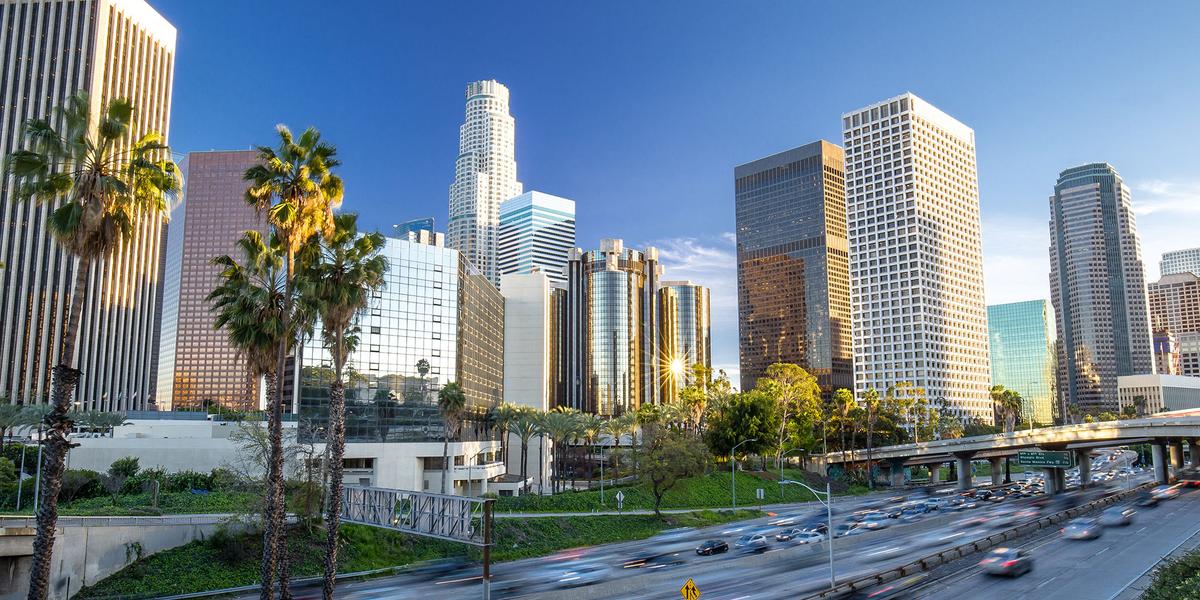
Los Angeles, California, often evokes images of endless sunshine, golden beaches, and a perpetually pleasant climate. This reputation is well-deserved, making it one of the most desirable travel destinations in the world for those seeking clement weather year-round. Understanding the nuances of the Los Angeles climate is key to planning the perfect trip, whether you’re dreaming of a luxurious beach resort stay, an adventurous hike, or an immersive cultural experience. From its mild, wet winters to its warm, dry summers, the city’s Mediterranean climate is a major draw for tourists and a cornerstone of the vibrant lifestyle it offers. This guide delves into the seasonal weather patterns of Los Angeles, helping you align your travel plans with the ideal conditions for your chosen activities and ensuring a memorable visit to the City of Angels.
The Allure of Los Angeles’s Climate: A Year-Round Destination
The climate of Los Angeles is characterized by a unique Mediterranean pattern, which translates to mild, often sunny winters and hot, dry summers. This consistent warmth and abundant sunshine are primary drivers for the city’s robust tourism sector, attracting millions of visitors annually. The average temperature hovers around a comfortable 70°F (21°C) for much of the year, with low humidity making even warmer days feel more pleasant than in more humid climates. Rainfall is scarce outside of the winter months, ensuring that outdoor activities, from exploring iconic landmarks to relaxing on pristine beaches, are rarely interrupted by adverse weather.
This predictable and inviting weather fosters a lifestyle deeply connected to the outdoors. Residents and visitors alike embrace al fresco dining, extensive hiking trails, and a wide array of water sports. For travelers, this means less worry about weather-dependent cancellations and more opportunities to engage with the city’s dynamic offerings. Accommodation choices, from boutique hotels in West Hollywood to sprawling resorts in Santa Monica, often feature inviting outdoor amenities like expansive pools, scenic patios, and rooftop bars, designed to take full advantage of the agreeable climate. Whether you’re seeking a family-friendly vacation, a romantic getaway, or a bustling business trip, Los Angeles’s consistent weather underpins a multitude of travel experiences, reinforcing its status as a premier global destination.
Seasonal Deep Dive: Planning Your Los Angeles Adventure
While Los Angeles enjoys fantastic weather most of the year, each season presents distinct advantages and unique experiences. Understanding these seasonal shifts allows for more tailored travel planning, ensuring your trip aligns perfectly with your expectations, whether you prioritize vibrant crowds, serene exploration, or specific cultural events.
Spring (March – May): Mild Breezes and Blooming Beauty
Spring in Los Angeles is arguably one of the most pleasant times to visit. The chilly winter rains subside, giving way to comfortably warm days and mild evenings. Average temperatures range from the mid-60s to low 70s °F (18-23°C), and humidity remains low. The city and its surrounding natural landscapes burst into bloom, offering stunning scenic beauty. This period typically sees fewer crowds than the peak summer months, leading to a more relaxed travel experience and potentially better deals on flights and accommodations.
Travel & Tourism Highlights:
Spring is ideal for outdoor activities without the summer heat. Consider hiking the trails of Griffith Park, where you can enjoy panoramic views of the city and the Hollywood Sign amidst blossoming wildflowers. Exploring the botanical gardens like the Huntington Library, Art Museum, and Botanical Gardens in San Marino, or the Descanso Gardens in La Cañada Flintridge, becomes a truly enchanting experience. It’s also a fantastic time to stroll along the beaches of Malibu or Santa Monica before the summer rush, enjoying the ocean breeze. Many outdoor festivals and farmers’ markets begin to flourish, offering a taste of local culture and cuisine. For those interested in luxury travel, springtime allows for comfortable exploration of high-end shopping districts like Rodeo Drive in Beverly Hills, without the intensity of summer sun.
Accommodation & Lifestyle Tips:
Booking accommodation during spring can offer more flexibility and competitive pricing compared to peak summer. Resorts and hotels often have more availability, making it easier to secure a suite with desired amenities such, as a spa or a heated outdoor pool for cool evenings. Spring breaks can see a slight uptick in family trips, but generally, the atmosphere is more subdued. Pack layers – light jackets or sweaters for evenings are recommended, even if days are warm.
Summer (June – August): Golden Sunshine and Beach Bliss
Summer is peak tourist season in Los Angeles, and for good reason. The weather is consistently warm to hot, with average temperatures ranging from the high 70s to low 90s °F (24-35°C), especially in inland areas like the San Fernando Valley. Coastal areas tend to be slightly cooler due to ocean breezes. A unique phenomenon known as “May Gray” and “June Gloom” occasionally brings overcast mornings to the coast, but these usually burn off by midday, revealing brilliant sunshine. The days are long, dry, and perfect for classic summer activities.
Travel & Tourism Highlights:
This is prime time for beach lovers, with Venice Beach’s lively boardwalk, the iconic Santa Monica Pier, and the pristine sands of Laguna Beach attracting crowds. Theme parks like Universal Studios Hollywood and Disneyland Park in nearby Anaheim are in full swing, offering thrilling experiences for family trips. Water parks, outdoor concerts, and baseball games at Dodger Stadium become popular attractions. Rooftop pools at hotels across Downtown Los Angeles and Hollywood become essential amenities for enjoying the warm evenings and vibrant city lights.
Accommodation & Lifestyle Tips:
Booking accommodation, flights, and popular attractions well in advance is crucial during summer, as prices can surge. Hotels often require longer minimum stays, particularly in popular coastal or resort areas. Consider booking a hotel with a good air conditioning system and a refreshing pool. While the heat can be intense inland, the dry air often makes it more manageable than humid climates. Stay hydrated, wear sunscreen, and plan indoor activities or coastal excursions during the hottest parts of the day. Budget travelers might find it challenging during this period, but planning ahead can help mitigate costs.
Autumn (September – November): Indian Summer and Cultural Delights
Often considered a secret gem for savvy travelers, autumn in Los Angeles brings an “Indian Summer” effect, with temperatures frequently remaining warm into October. Average temperatures range from the low 70s to high 80s °F (22-30°C), particularly in early autumn, gradually cooling as winter approaches. The notorious Santa Ana winds, hot and dry, sometimes make an appearance, but generally, the weather remains pleasant and sunny, with fewer crowds than summer.
Travel & Tourism Highlights:
This period is excellent for outdoor dining and enjoying the city’s vibrant culinary scene. Events like outdoor film screenings, art walks in areas like Culver City or Downtown Los Angeles, and wine tasting tours in nearby regions flourish. It’s an opportune time for exploring landmarks like the Hollywood Walk of Fame or visiting museums like The Getty Center or LACMA (Los Angeles County Museum of Art) without the intense summer heat or winter rain. For nature enthusiasts, hiking becomes more comfortable as temperatures begin to dip slightly. The cultural calendar also picks up pace, with numerous festivals and performances.
Accommodation & Lifestyle Tips:
Autumn offers a fantastic balance of excellent weather and reduced tourist traffic, often leading to better hotel deals and more relaxed experiences at attractions. For those seeking a blend of luxury and tranquility, this season is ideal. Business travelers might find it easier to book corporate apartments or premium suites. Packing adaptable layers is still advisable, as evenings can get cool, especially in November. It’s a great time for long-term stays, as the agreeable weather makes settling in particularly pleasant.
Winter (December – February): Cool Comfort and Unique Experiences
Winter in Los Angeles is mild compared to most of the United States, with average temperatures in the high 50s to mid-60s °F (13-18°C). While it is the rainy season, precipitation usually comes in distinct showers rather than prolonged periods of grayness, and sunny days are still abundant. Evenings can be cool, sometimes dipping into the 40s °F (4-9°C). Snow is extremely rare in the city itself but is found in the nearby mountains, offering unique day-trip possibilities.
Travel & Tourism Highlights:
Winter is a wonderful time for cultural exploration. Museums, art galleries, and performance venues like the Walt Disney Concert Hall are popular choices. Holiday events and festive decorations adorn the city, creating a magical atmosphere, particularly in areas like The Grove or Old Town Pasadena. Whale watching season kicks off, with tours departing from coastal cities like Long Beach and Newport Beach. For those seeking a unique California experience, a day trip to mountain resorts like Big Bear Lake or Mammoth Mountain offers skiing and snowboarding, providing a surprising contrast to the city’s mild temperatures. Exploring diverse neighborhoods like Koreatown or Little Tokyo also offers rich indoor cultural and culinary experiences.
Accommodation & Lifestyle Tips:
Winter is generally considered the off-peak season (excluding the Christmas and New Year period), making it an excellent time for budget travel. You can often find great deals on hotels and flights. Many hotels will offer cozy amenities, such as fireplaces in communal areas or in-room heating, for the cooler evenings. Packing layers, including a warm coat and an umbrella, is essential. Despite the cooler temperatures, plenty of sunshine makes it perfect for sightseeing without the intense summer crowds, and it is a popular time for business stays due to numerous conferences and conventions.
Practical Considerations for Your Los Angeles Visit
Navigating Los Angeles weather requires a few practical tips to maximize comfort and enjoyment, especially given the city’s diverse microclimates.
Dressing for Los Angeles Weather
The golden rule for dressing in Los Angeles is layering. Even on the warmest days, evenings can bring a significant drop in temperature. A light jacket or sweater is almost always a good idea, regardless of the season, especially if you plan to be out after sunset or visit coastal areas. Sun protection is paramount year-round; bring sunglasses, a hat, and high-SPF sunscreen. Even in winter, the California sun can be surprisingly strong. Comfortable walking shoes are also a must, as you’ll likely be doing a lot of exploring.
Weather’s Influence on Accommodation and Activities
The time of year directly impacts your choice of accommodation and activities. In summer, hotels with a swimming pool become highly sought-after, with many travelers prioritizing properties offering excellent outdoor recreation. Conversely, during the cooler winter months, amenities like heated pools, hot tubs, and cozy indoor lounges become more appealing. Budget travelers can significantly save on accommodation during the off-peak seasons (late fall and winter, excluding holidays). For example, a luxury suite at a Beverly Hills hotel might be more attainable in November than in July.
When planning activities, consider the season. Summer lends itself to beach days and theme parks, while spring and fall are perfect for hiking and outdoor dining. Winter offers a chance to explore world-class museums, enjoy holiday events, or even take a day trip to the snow-capped mountains. The city’s dynamic array of attractions, from the Hollywood Hills to Catalina Island, means there’s always something to do, regardless of the temperature.

The Microclimates of Los Angeles
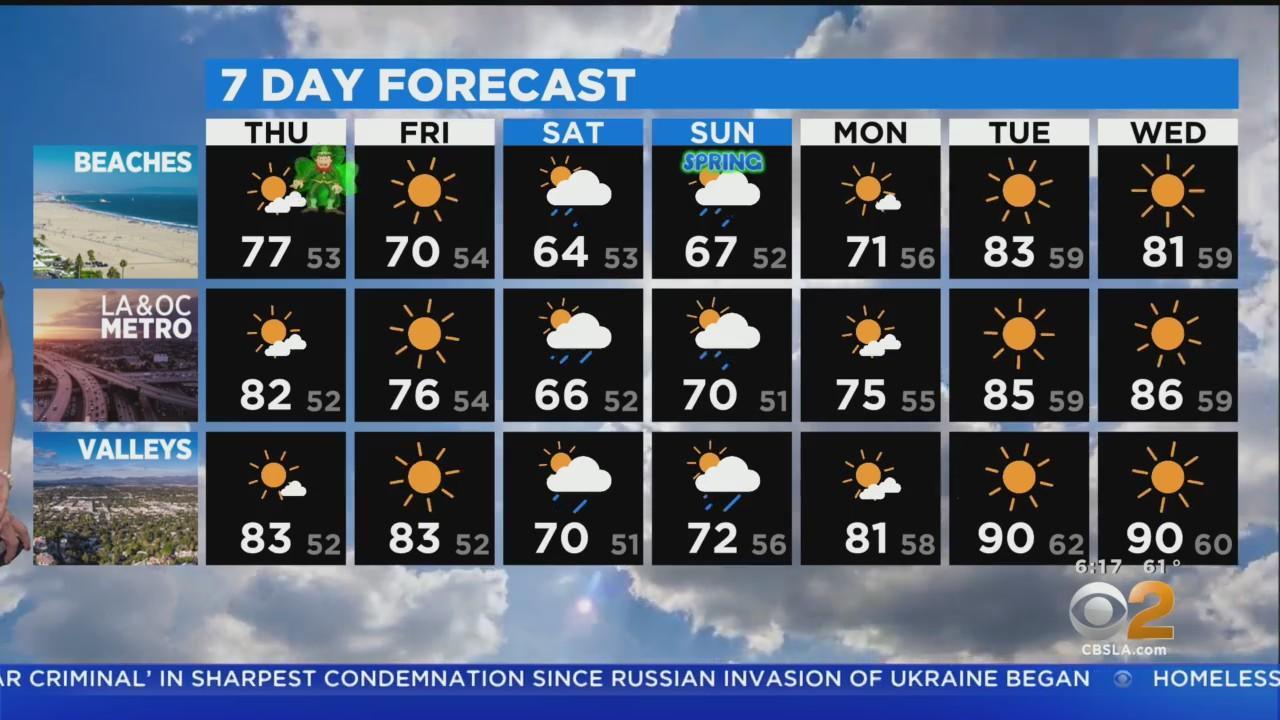
One fascinating aspect of Los Angeles’s weather is its distinct microclimates. Due to its vast geographical spread and varied topography, temperatures can differ significantly across short distances. Coastal areas like Santa Monica and Malibu benefit from ocean breezes, keeping them cooler and often foggier in the mornings, especially in late spring and early summer. Inland valleys, such as the San Fernando Valley and areas like Pasadena, tend to be much hotter in summer, with less coastal influence. Downtown Los Angeles experiences a blend, often warmer than the coast but milder than the far inland regions.
It’s wise to check the local forecast for specific neighborhoods you plan to visit, as temperatures can vary by 10-20 degrees Fahrenheit (5-11°C) across the metropolitan area on any given day. This diversity allows travelers to pick and choose their preferred climate zone, whether they seek the refreshing ocean air or the consistent warmth of the inland areas. This understanding of microclimates enhances the travel experience, allowing for more precise planning for activities and choice of accommodation, from a beachfront resort to a sprawling inland property with ample amenities designed for hotter weather.
In conclusion, the weather in Los Angeles, California, is overwhelmingly pleasant, offering a consistently mild and sunny environment that underpins its allure as a premier global travel destination. While each season has its unique characteristics, from the vibrant summer heat to the mild winter cool, the city’s Mediterranean climate ensures that any time is a good time to visit. By understanding these seasonal nuances and preparing for the minor variations across its microclimates, you can tailor your travel plans, choose the perfect accommodation, and embark on an unforgettable journey filled with culture, adventure, and relaxation under the famed California sun.
LifeOutOfTheBox is a participant in the Amazon Services LLC Associates Program, an affiliate advertising program designed to provide a means for sites to earn advertising fees by advertising and linking to Amazon.com. Amazon, the Amazon logo, AmazonSupply, and the AmazonSupply logo are trademarks of Amazon.com, Inc. or its affiliates. As an Amazon Associate we earn affiliate commissions from qualifying purchases.