
Planning a trip to Sacramento, California, often involves more than just mapping out attractions and booking flights; understanding the local weather is paramount for an enjoyable and comfortable experience. The state capital boasts a distinctive Mediterranean climate, characterized by long, hot, and dry summers, followed by mild, wet winters. This unique weather pattern profoundly influences the rhythm of life, the types of activities available, and what travelers should pack for their visit. From river adventures to exploring historic districts, Sacramento’s climate dictates the best approach to experiencing its vibrant culture and natural beauty throughout the year.
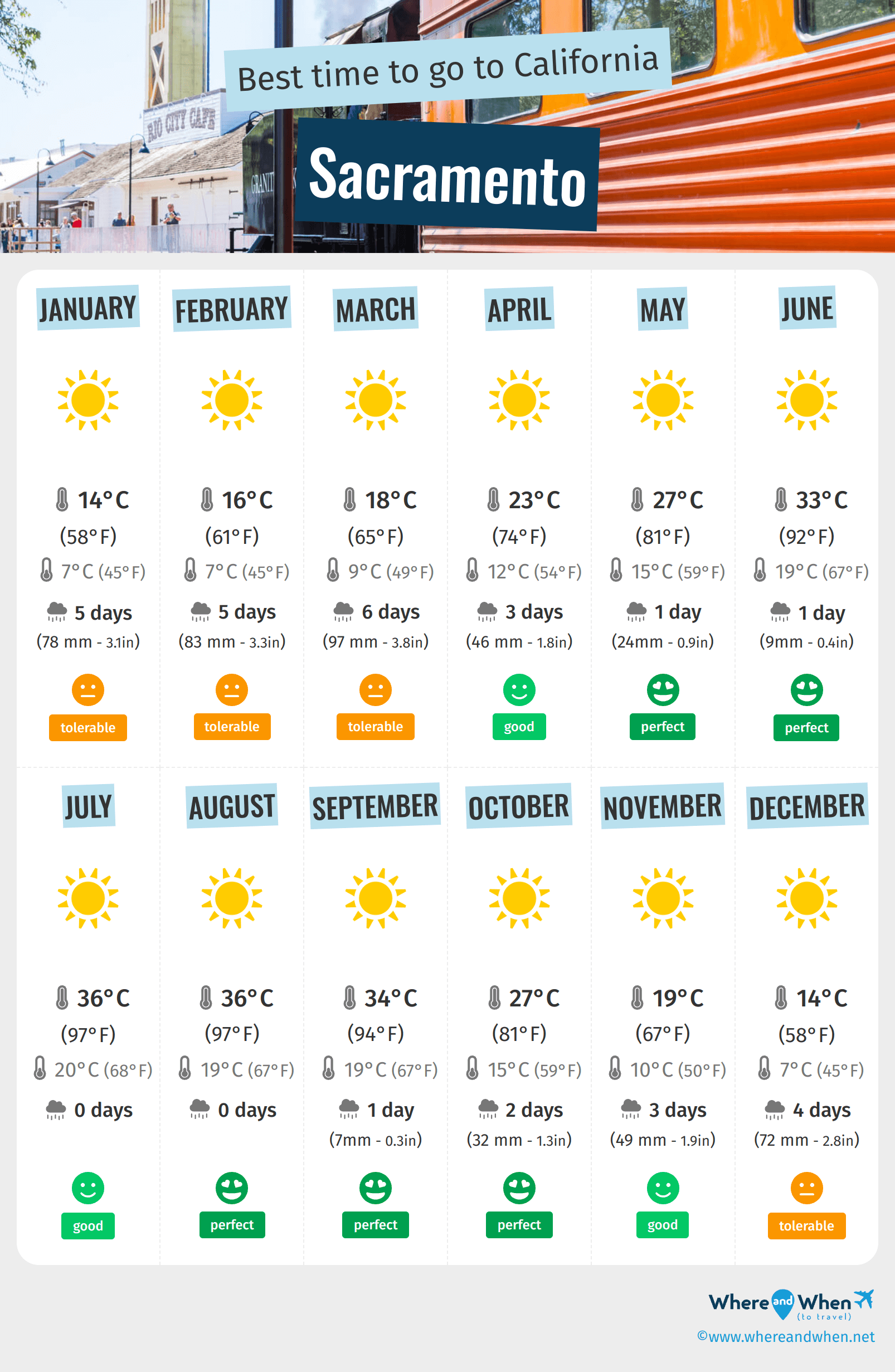
Understanding Sacramento’s Mediterranean Climate
Sacramento’s weather is primarily defined by its inland location within the Central Valley of California, shielded from the direct coastal influence by the California Coast Ranges to the west. This geographical positioning, coupled with the rain shadow effect of the Sierra Nevada mountains to the east, creates a climate distinct from the cooler, foggier conditions found in coastal cities like San Francisco.
Key Characteristics
The city experiences a classic Mediterranean climate, also known as a dry-summer subtropical climate. This means:
- Hot, Arid Summers: From June to September, temperatures frequently soar, often reaching into the 90s°F (32-37°C) and occasionally exceeding 100°F (38°C). Humidity remains low, making the intense heat feel more manageable for some, though direct sun exposure can be extreme. Rainfall is minimal, with many summer days seeing no precipitation at all.
- Mild, Wet Winters: December through February brings cooler temperatures and the bulk of the annual rainfall. Daytime highs typically range from the low 50s to mid-60s°F (10-18°C), with nighttime lows occasionally dipping to near freezing, especially in outlying areas. Fog, locally known as “Tule Fog,” can be a common feature during winter mornings, sometimes lingering throughout the day.
- Transitional Seasons (Spring & Autumn): Both spring (March-May) and autumn (October-November) offer pleasant transitions. Spring sees warming temperatures and diminishing rainfall, leading to lush landscapes. Autumn provides a gradual cool-down from summer’s heat, with crisp air and occasional early rains.
Geographical Influences
The Sacramento Valley acts as a heat sink in summer, trapping warm air, while the cool marine air from the Pacific Ocean struggles to penetrate inland effectively. In winter, Pacific storms bring much-needed moisture, but the inland position keeps temperatures generally above freezing, largely preventing snowfall within the city itself, though it’s common in the nearby Sierra Nevada. This dynamic interplay of ocean and mountain influences shapes every aspect of Sacramento’s seasonal weather.
Seasonal Travel Guide: What to Expect When You Visit
Understanding Sacramento’s seasonal shifts is crucial for any traveler looking to make the most of their visit. Each season offers a distinct flavor and a different range of activities, influenced directly by the prevailing weather conditions.
Summer (June – September): Golden and Warm
Summer in Sacramento is characterized by long, sunny days and high temperatures, often making it feel like a perpetual golden hour. Average daily highs range from 90°F (32°C) to 95°F (35°C), with many days exceeding 100°F (38°C). Overnight lows drop to a comfortable 60°F (16°C) to 65°F (18°C), offering relief from the daytime heat.
- What to Expect: Expect intense sunshine, low humidity, and virtually no rain. The dry heat can be deceptively comfortable, but hydration and sun protection are critical.
- Traveler’s Tip: This is prime time for water activities. The American River Parkway becomes a hub for rafting, kayaking, and paddleboarding. Evenings are perfect for outdoor dining and enjoying patios. Indoor attractions like the California State Capitol Museum and the Crocker Art Museum offer a cool escape during peak heat.
Autumn (October – November): Crisp Air and Changing Hues
As summer gradually recedes, autumn brings a welcome change to Sacramento. Temperatures cool down significantly, and the air becomes crisp and refreshing. October sees highs in the 70s°F (21-26°C), while November typically settles into the 60s°F (16-20°C). Rainfall begins to pick up towards the end of the season.
- What to Expect: Pleasant, mild days perfect for exploring, with cooler evenings. The landscape takes on beautiful fall colors, especially along the city’s tree-lined streets and parkways.
- Traveler’s Tip: Autumn is arguably one of the best times to visit Sacramento. The comfortable temperatures are ideal for walking tours of Old Sacramento Waterfront or leisurely bike rides along the American River. Seasonal harvest festivals and vineyard visits are popular during this period.
Winter (December – February): Mild, Wet, and Often Misty
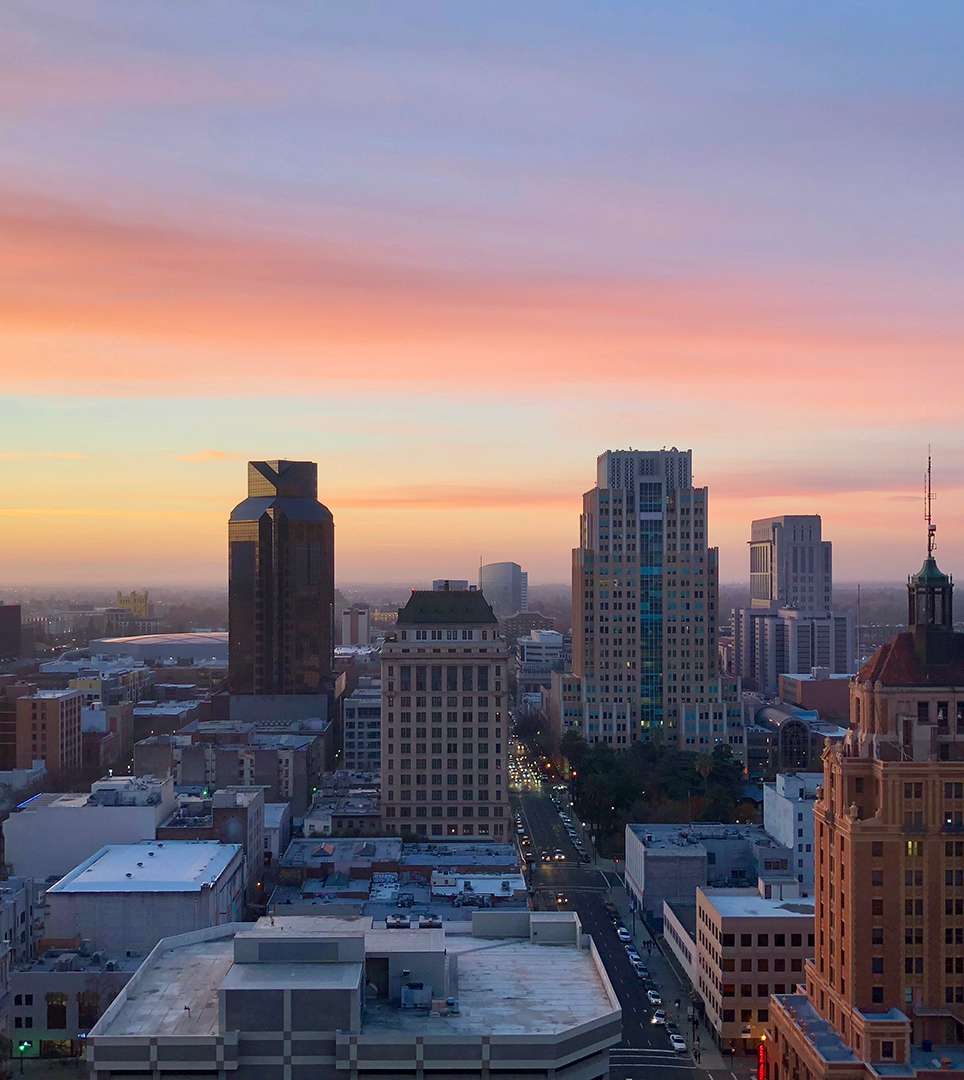
Winter in Sacramento is generally mild compared to much of the United States, but it is the wettest season. Daytime highs hover in the low to mid-50s°F (10-15°C), with nighttime temperatures often dipping into the 30s°F (0-4°C), making frost common. The city receives the majority of its annual rainfall during these months.
- What to Expect: Frequent rain showers, cooler temperatures, and the occasional dense Tule Fog, which can reduce visibility and make driving challenging. Snow is extremely rare within the city limits.
- Traveler’s Tip: While outdoor activities may be limited by rain, winter is perfect for exploring Sacramento’s indoor attractions, such as its diverse museums, historic theaters, and farm-to-fork dining scene. Cozy cafes and breweries offer a warm respite from the chill. Keep an eye on local forecasts for fog warnings if you plan on driving.
Spring (March – May): Bloom and Balmy Days
Spring is another delightful season in Sacramento, marked by steadily rising temperatures and a decrease in rainfall. March still sees some rainy days, but by April and May, sunshine becomes dominant. Highs range from the 60s°F (16-20°C) in early spring to the high 70s or low 80s°F (21-27°C) by late May.
- What to Expect: Lush green landscapes, blooming wildflowers, and increasingly warm, pleasant days. The air is typically fresh, and rainfall becomes sporadic.
- Traveler’s Tip: Like autumn, spring is an excellent time for outdoor exploration. Parks and gardens are at their most vibrant, and the comfortable temperatures are ideal for cycling, hiking, or simply enjoying a picnic. Farmers’ markets burst with fresh produce, reflecting Sacramento’s “Farm-to-Fork Capital” designation.
Planning Your Sacramento Itinerary Based on Weather
The varying weather patterns mean that different times of the year lend themselves to different types of travel experiences in Sacramento. Tailoring your itinerary to the climate ensures you make the most of your visit.
Summer Activities and Considerations
With the intense summer heat, activities should focus on staying cool. Mornings are ideal for outdoor excursions like a bike ride along the American River Parkway before temperatures peak. Afternoons are best spent indoors at air-conditioned venues, museums, or enjoying water-based recreation on the Sacramento River or Lake Natoma. Evening strolls through Old Sacramento Waterfront or outdoor concerts are popular once the sun begins to set. Remember to stay hydrated and wear light-colored, breathable clothing.
Fall and Spring Outdoor Pursuits
These shoulder seasons offer the most comfortable weather for extensive outdoor activities. Hiking, cycling, and exploring the city’s numerous parks and nature preserves are highly recommended. Vineyard tours in the nearby Clarksburg wine region, visits to the Sacramento Zoo, or exploring the historic districts on foot are all perfect for the mild, pleasant conditions. The Crocker Art Museum and California State Capitol Museum are always excellent choices, regardless of weather, but the journey to them is far more enjoyable during spring and fall.
Winter Explorations
While the weather is cooler and wetter, winter in Sacramento still offers unique charm. It’s an excellent time to delve into the city’s rich history and culture. Explore the California State Railroad Museum in Old Sacramento Waterfront, catch a show at the Community Center Theater, or indulge in Sacramento’s renowned farm-to-fork culinary scene at its many acclaimed restaurants. The proximity to the Sierra Nevada also means ski resorts are just a short drive away for those seeking winter sports.
Packing Essentials for Every Season in California’s Capital
Your packing list will vary significantly depending on when you visit Sacramento.
- Summer: Lightweight, breathable clothing (cotton, linen), shorts, t-shirts, wide-brimmed hat, sunglasses, high-SPF sunscreen, and comfortable sandals or walking shoes. Swimwear is essential for river activities.
- Autumn & Spring: Layers are key. Long-sleeved shirts, light sweaters, a medium-weight jacket, and comfortable walking shoes. A light raincoat or umbrella might be useful, especially in early spring or late autumn.
- Winter: Warmer layers, a waterproof and windproof jacket, sweaters, long pants, warm socks, and waterproof boots. An umbrella is a must-have. Don’t forget a scarf and gloves if you’re sensitive to cold, particularly for chilly mornings or evenings.

Best Times to Visit Sacramento for Optimal Weather
For travelers prioritizing comfortable weather for outdoor activities, the spring (April-May) and autumn (October-November) months are generally considered the best times to visit Sacramento. During these periods, you’ll experience pleasant, mild temperatures, fewer crowds than peak summer, and beautiful natural scenery. Spring bursts with blooming flowers, while autumn offers vibrant foliage and crisp air. If your primary goal is to enjoy water sports and the river, summer’s heat makes it an ideal, albeit very warm, choice. For those interested in indoor cultural experiences and don’t mind cooler, wetter conditions, winter can offer a unique charm and fewer tourists. Regardless of when you choose to visit, Sacramento’s distinct climate promises a memorable and engaging experience, provided you plan accordingly.
LifeOutOfTheBox is a participant in the Amazon Services LLC Associates Program, an affiliate advertising program designed to provide a means for sites to earn advertising fees by advertising and linking to Amazon.com. Amazon, the Amazon logo, AmazonSupply, and the AmazonSupply logo are trademarks of Amazon.com, Inc. or its affiliates. As an Amazon Associate we earn affiliate commissions from qualifying purchases.