
Maine, the “Pine Tree State,” is renowned for its captivating coastline, rugged natural beauty, and vibrant seasonal transformations. Understanding its weather patterns is crucial for any traveler planning to explore its diverse landscapes, from the bustling streets of Portland to the remote wilderness of the Allagash Wilderness Waterway. Maine experiences four distinct seasons, each offering a unique set of atmospheric conditions and opportunities for adventure.
Understanding Maine’s Seasonal Climate
Maine’s geographical location in the northeastern United States, bordering Canada and the Atlantic Ocean, dictates its temperate climate. This means visitors can expect significant variations in temperature and precipitation throughout the year. The state’s weather is influenced by prevailing winds from the west and the moderating effect of the Atlantic. Coastal areas generally experience milder winters and cooler summers compared to inland regions, which can see more extreme temperatures.

Spring in Maine: A Gentle Awakening
Spring in Maine (March to May) is a time of transition, marked by a gradual warming after the long winter. Early spring can still be quite chilly, with lingering snow, particularly in northern areas. Temperatures begin to rise steadily through April and May, bringing a sense of renewal to the landscape.
- March: Expect average high temperatures in the 30s and 40s Fahrenheit (around 1-7°C). Snow is still common, and the coast may experience nor’easters, bringing significant snowfall or rain.
- April: Temperatures climb into the 40s and 50s Fahrenheit (around 4-15°C). While still cool, signs of life begin to emerge, with buds appearing on trees and the first wildflowers blooming. Rain showers are frequent.
- May: This is often one of the most pleasant months, with average highs in the 60s Fahrenheit (around 16-21°C). Days become longer and warmer, making it ideal for outdoor activities like hiking and exploring coastal towns. However, evenings can still be cool, so layering is essential. Fog is also common along the coast, particularly in the mornings.
Spring is an excellent time to witness Maine waking up. The waterfalls are often at their most powerful due to snowmelt, and the quiet beauty of the state before the summer crowds arrive is a significant draw.
Summer in Maine: Warmth and Sunshine
Summer in Maine (June to August) is characterized by warm temperatures, long daylight hours, and a generally drier climate. This is the peak tourist season, with visitors flocking to the state’s beaches, islands, and national parks.
- June: Temperatures begin to warm significantly, with average highs in the 70s Fahrenheit (around 21-25°C). The coast remains cooler due to the ocean breeze, while inland areas can get warmer. The days are at their longest, offering ample opportunity for exploration.
- July & August: These are typically the warmest months, with average highs in the mid-70s to low 80s Fahrenheit (around 23-28°C). Humidity can sometimes be a factor, especially in inland areas. Thunderstorms can occur, particularly in the afternoons, but they are usually brief. Coastal areas are a welcome respite from the inland heat, offering cooler temperatures and refreshing sea breezes.
Summer in Maine is perfect for enjoying its famous lobster rolls, exploring the picturesque villages along the coast, kayaking in its many lakes and rivers, and visiting popular attractions like Acadia National Park.
Autumn in Maine: A Tapestry of Color
Autumn in Maine (September to November) is arguably the most visually stunning season, renowned for its spectacular fall foliage. The crisp air, vibrant colors, and comfortable temperatures make it a favorite time for many visitors.
- September: Early autumn offers mild and pleasant weather, with average highs in the 60s and 70s Fahrenheit (around 16-25°C). The leaves begin to change color, starting in the northern regions and gradually spreading south. This month offers a beautiful blend of warm days and cool, crisp evenings.
- October: This is peak foliage season for much of the state. Average high temperatures are in the 50s and 60s Fahrenheit (around 10-19°C). While generally sunny, rain is possible, and a chill begins to set in, especially towards the end of the month. Frosts become more common, and the colors reach their most brilliant hues.
- November: As autumn progresses into late fall, temperatures drop significantly, with average highs in the 40s Fahrenheit (around 4-9°C). The leaves have largely fallen, and the landscape takes on a more muted, earthy tone. Snow can begin to fall, particularly in the latter half of the month, signaling the imminent arrival of winter.
Autumn foliage tours are a must, with scenic drives through areas like the Kancamagus Highway (though a New Hampshire road, it’s a popular day trip from Maine’s western border) and hikes in the numerous state parks offering breathtaking views.
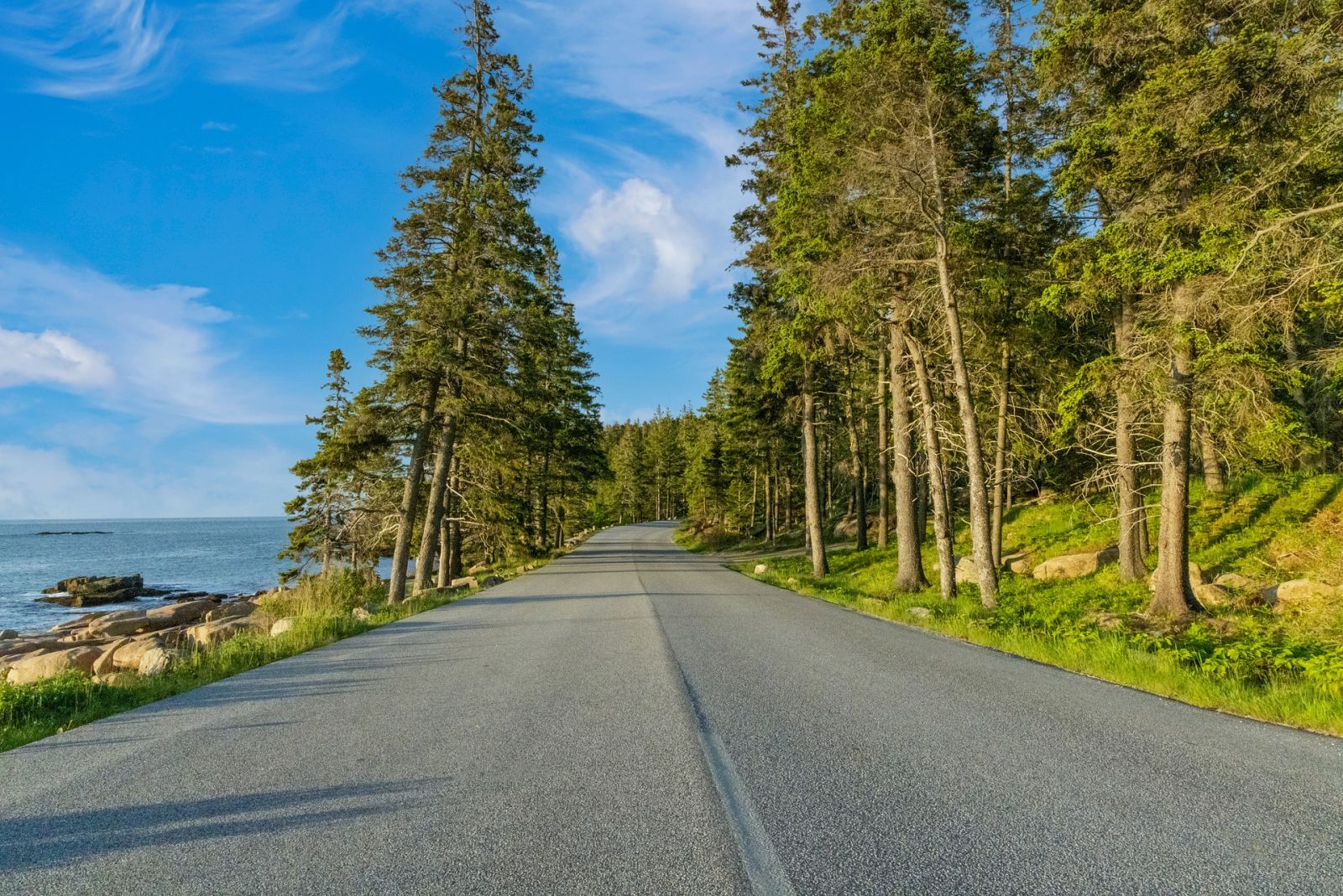
Winter in Maine: A Frozen Wonderland
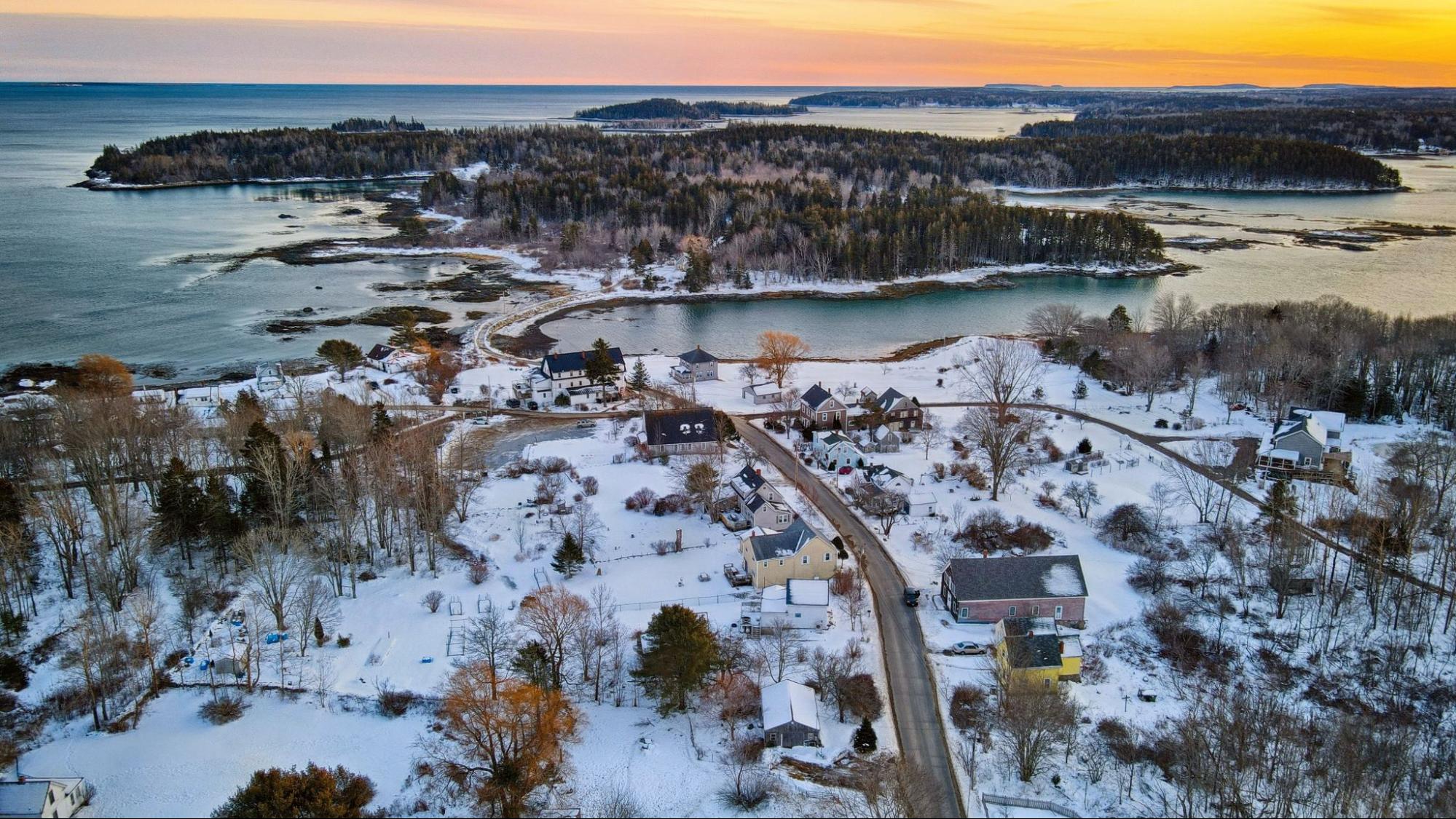
Winter in Maine (December to February) is characterized by cold temperatures, snow, and shorter daylight hours. While it may seem less inviting to some, winter in Maine offers unique opportunities for those who embrace the chill.
- December: Temperatures drop considerably, with average highs in the 20s and 30s Fahrenheit (around -7 to 4°C). Snowfall becomes more frequent and substantial, especially inland. Coastal areas can experience mixed precipitation, including rain, sleet, and snow.
- January & February: These are typically the coldest months, with average highs often remaining in the teens and 20s Fahrenheit (around -12 to -4°C). Inland areas can experience much colder temperatures, with wind chills making it feel significantly colder. Snowfall is common, creating ideal conditions for winter sports. Coastal storms, including blizzards, can occur, bringing heavy snow and strong winds.
Winter in Maine is perfect for skiing, snowboarding, snowshoeing, and ice fishing. The charming towns offer cozy inns and warm fireplaces, providing a perfect retreat after a day in the snow. The holiday season in towns like Kennebunkport is particularly festive.
Weather Considerations for Specific Regions
Maine’s weather can vary significantly depending on the region. It’s essential to consider these regional differences when planning your itinerary.
Coastal Maine
The proximity to the Atlantic Ocean has a pronounced effect on coastal weather. Winters are generally milder, with less extreme cold and more precipitation falling as rain or a mix of rain and snow. Summers are cooler, with persistent sea breezes that offer relief from inland heat. Fog is a common occurrence, especially during the summer months and in early mornings throughout the year, often lifting by midday. Coastal storms, known as nor’easters, can bring significant wind, rain, or snow, particularly from late fall through early spring. Popular coastal destinations like Ogunquit and Bar Harbor benefit from this moderating influence.
Inland Maine
Inland Maine, including the western and northern parts of the state, experiences more extreme temperatures. Winters are colder and snowier, with prolonged periods of sub-zero Fahrenheit temperatures. Summers are warmer and can be more humid, with higher chances of thunderstorms. The fall foliage season might peak slightly earlier in these regions due to the cooler temperatures. Areas like the 100-Mile Wilderness and towns near the Canadian border will generally experience harsher winter conditions.
Mountainous Regions
The western and northern parts of Maine include mountainous terrain. While generally following the inland climate patterns, higher elevations can experience colder temperatures, more significant snowfall, and stronger winds. These areas are prime destinations for winter sports, with resorts like Sugarloaf and Sunday River experiencing reliable snow conditions.
Packing for Maine’s Weather
Regardless of the season, packing layers is the golden rule for visiting Maine.
- Spring: Waterproof and windproof outer layers, sweaters, long-sleeved shirts, and comfortable walking shoes are essential. Don’t forget a hat and gloves for cooler days, especially in early spring.
- Summer: Light, breathable clothing is key. Pack shorts, t-shirts, a swimsuit, sunscreen, and a light jacket or sweater for cooler evenings and coastal breezes. Waterproof footwear is useful for potential rain showers.
- Autumn: Layers are paramount. Think long-sleeved shirts, sweaters, fleece jackets, a warm coat, waterproof pants, and sturdy hiking boots. A hat, scarf, and gloves are advisable, particularly for late October and November.
- Winter: Warm, insulated clothing is a must. This includes thermal base layers, fleece or wool mid-layers, and a heavy, waterproof, and windproof outer coat. Waterproof insulated pants, warm boots, thick socks, a warm hat, gloves or mittens, and a scarf are crucial for staying comfortable in the cold.
Embracing the Elements
Maine’s weather, with its distinct seasonal shifts, is an integral part of its identity and allure. Whether you’re drawn by the crisp air of autumn, the warmth of a summer day, the gentle awakening of spring, or the snow-covered serenity of winter, understanding and preparing for the weather will undoubtedly enhance your experience in this beautiful New England state. Each season offers a unique palette of natural beauty and a diverse range of activities, making Maine a destination that truly rewards exploration throughout the year.
LifeOutOfTheBox is a participant in the Amazon Services LLC Associates Program, an affiliate advertising program designed to provide a means for sites to earn advertising fees by advertising and linking to Amazon.com. Amazon, the Amazon logo, AmazonSupply, and the AmazonSupply logo are trademarks of Amazon.com, Inc. or its affiliates. As an Amazon Associate we earn affiliate commissions from qualifying purchases.