
The title “Who Was The Founder Of Puerto Rico?” immediately evokes a sense of historical inquiry, drawing attention to the origins and foundational figures of this unique Caribbean island. However, when examining this question through the lens of Landmarks, the concept of a single “founder” in the traditional sense becomes nuanced. Unlike a city or a company, an island’s existence predates human settlement, and its identity is shaped by a complex tapestry of exploration, colonization, and cultural evolution. Therefore, to address this title within the Landmarks niche, we must explore the key historical figures and events that have indelibly marked the island’s landscape and its enduring legacy.
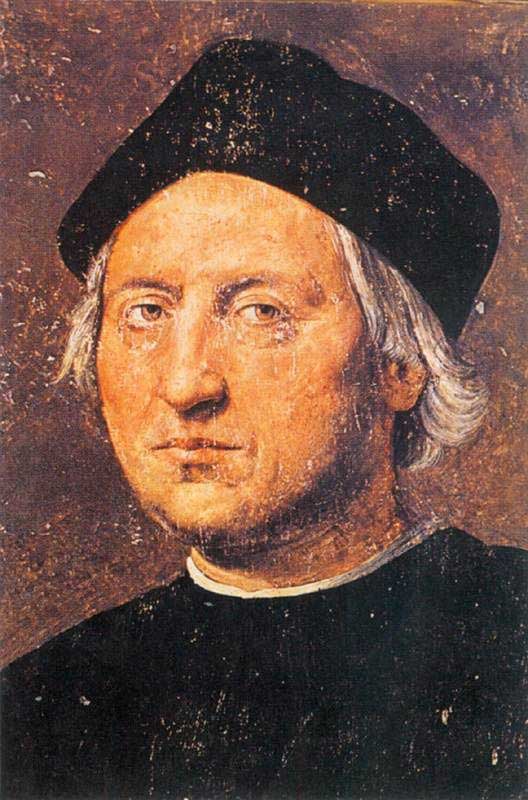
The Arrival of Europeans: A Turning Point
The narrative of Puerto Rico as a distinct entity begins with the arrival of Europeans, fundamentally altering its trajectory and introducing a new chapter in its history. This era is crucial for understanding the island’s early development and the establishment of its initial European-influenced settlements.
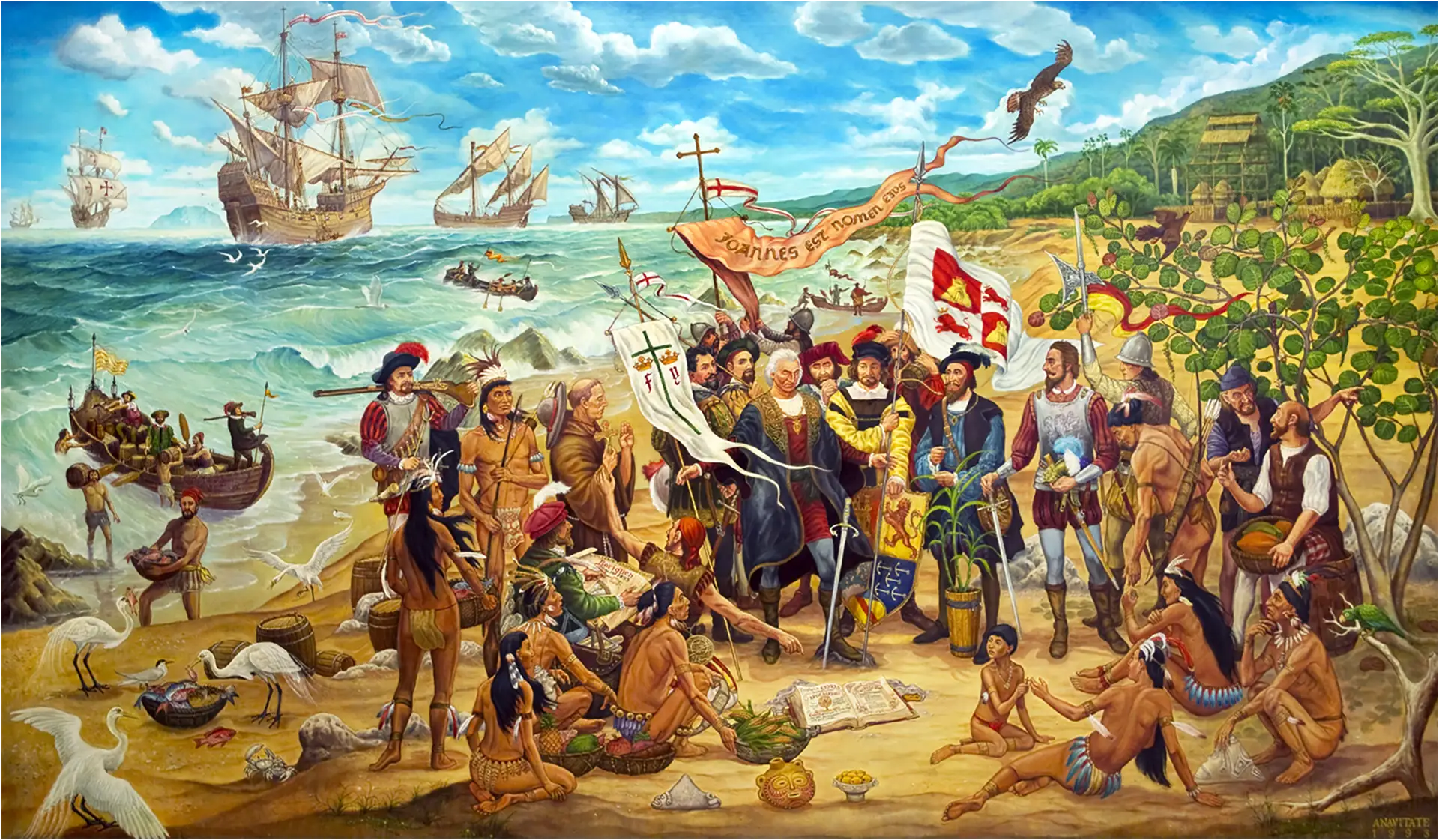
Christopher Columbus and the “Discovery”
While not a “founder” in the sense of establishing a permanent civilization, Christopher Columbus is undeniably the figure associated with the European “discovery” of the island in 1493. On his second voyage, Columbus landed on the island, which he named San Juan Bautista in honor of the Spanish prince. The island’s indigenous inhabitants, the Taíno people, called it Borikén, meaning “Land of the Brave Lord.” This renaming signifies the beginning of European influence and the subsequent transformation of the island’s identity.
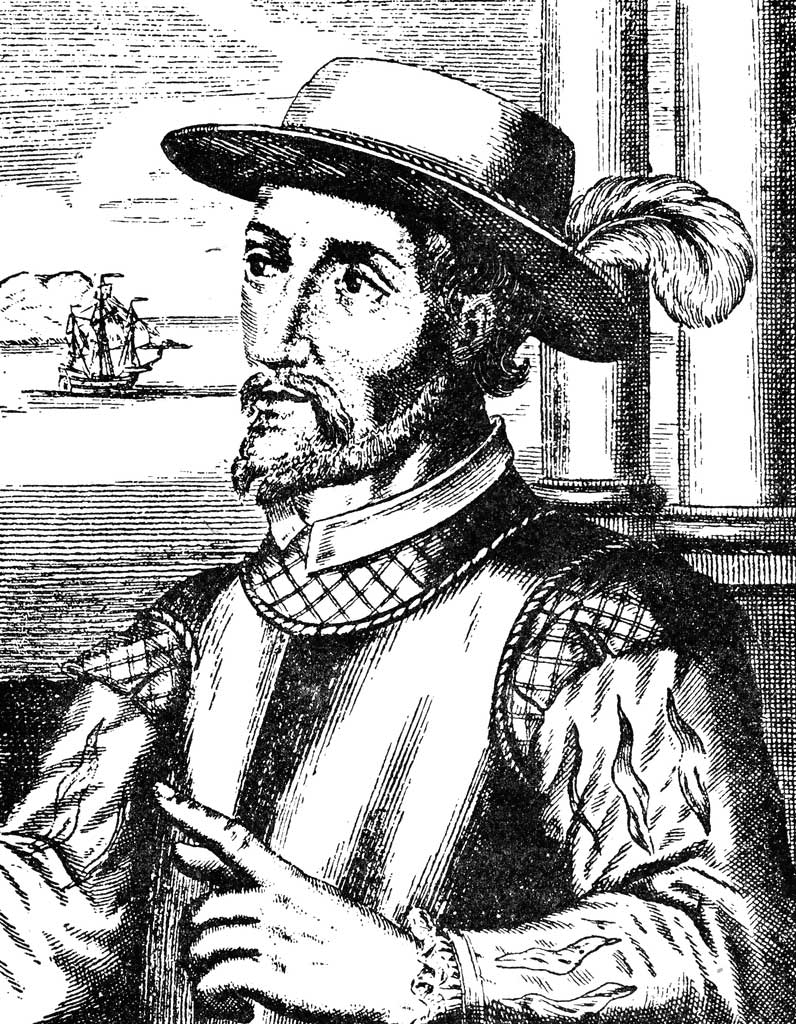
Juan Ponce de León: The First Governor and Colonizer
The individual most directly associated with the establishment of permanent European settlement and governance in Puerto Rico is Juan Ponce de León. In 1508, commissioned by the Spanish crown, Ponce de León led an expedition that established the first Spanish settlement, Caparra, near present-day San Juan. He became the first governor of the island, overseeing the initial stages of colonization, including the construction of fortifications and the organization of labor systems. His efforts laid the groundwork for the island’s Spanish colonial administration and its integration into the burgeoning Spanish Empire.
Caparra: The Genesis of Settlement
The settlement of Caparra, though eventually relocated to the islet of Puerto Rico (meaning “Rich Port,” which later became the name of the entire island), represents a pivotal moment. The ruins of Caparra, though modest today, stand as a tangible reminder of the island’s early colonial beginnings and the strategic importance placed on establishing a foothold in the Caribbean.
The Taíno Legacy: The Island’s First Inhabitants
Before European arrival, Puerto Rico was home to the vibrant Taíno civilization for centuries. Understanding the island’s origins necessitates acknowledging the Taíno people and their profound influence on the island’s cultural and environmental landscape. While they did not “found” the island in a geopolitical sense, they were its original stewards and established its first enduring societies.
Borikén: A Land of Culture and Spirituality
The Taíno people developed a sophisticated society with complex social structures, religious beliefs, and artistic traditions. They cultivated crops, fished, and lived in harmony with the island’s natural resources. Their legacy is preserved in archaeological sites, indigenous artifacts, and the very name “Borikén,” which continues to resonate with a sense of ancestral pride.
Indigenous Sites and Artifacts
Archaeological explorations across Puerto Rico have uncovered numerous Taíno sites, including ceremonial plazas, burial grounds, and remnants of their villages. These discoveries, often found in natural settings that are now considered landmarks, offer invaluable insights into their way of life and their deep connection to the land.
Fortifications and Defenses: Shaping the Island’s Identity
The strategic location of Puerto Rico in the Caribbean made it a coveted territory and a target for various European powers and privateers. The construction of formidable fortifications, aimed at defending the island, has profoundly shaped its physical landscape and its historical narrative, transforming these structures into significant landmarks.
El Morro: A Sentinel of San Juan
The Castillo San Felipe del Morro, commonly known as El Morro, stands as the most iconic defensive structure in Puerto Rico. Construction began in the 16th century and continued for centuries, evolving into a magnificent testament to Spanish military engineering. Its imposing presence overlooking the entrance to the San Juan bay has witnessed countless historical events, from naval battles to pirate raids, solidifying its status as a paramount landmark.
Castillo de San Cristóbal: The Largest Spanish Fortress
Another crucial defensive work is the Castillo de San Cristóbal, the largest Spanish fortress in the New World. Built to protect the city from landward attacks, its vast network of tunnels, ramparts, and plazas further underscores the historical importance of defense in shaping Puerto Rico’s identity as a strategic outpost.
The Evolution of Governance and Nationhood
While the initial European “founding” was spearheaded by figures like Juan Ponce de León, the concept of Puerto Rico’s “founder” becomes more complex when considering its journey through different colonial administrations and its eventual pursuit of self-determination. The island’s governance has evolved significantly, with each era leaving its imprint on the cultural and political landscape.
Spanish Colonial Era and its Enduring Influence
For over four centuries, Puerto Rico remained under Spanish rule. This long period of governance deeply influenced the island’s language, religion, architecture, and legal systems, elements that are still visible in its landmarks and cultural traditions. The legacy of this era is etched in the historic buildings of Old San Juan and the enduring Spanish heritage of its people.
The United States and the Modern Era
Following the Spanish-American War in 1898, Puerto Rico became a territory of the United States. This transition brought about new political, economic, and social changes, further shaping the island’s trajectory. While no single individual “founded” this new era, the decisions and policies enacted by both Spanish and American administrations have had a profound and lasting impact on the island’s development and its present-day status.
In conclusion, the question of “Who Was The Founder Of Puerto Rico?” in the context of Landmarks leads us not to a singular individual, but to a rich historical narrative. It encompasses the indigenous stewardship of the Taíno people, the exploratory and colonizing efforts of figures like Christopher Columbus and Juan Ponce de León, and the monumental architectural achievements that served to defend and define the island. The true “founding” of Puerto Rico is an ongoing story, a continuous layering of history, culture, and human endeavor that has transformed this island into the vibrant and historically significant landmark it is today.
LifeOutOfTheBox is a participant in the Amazon Services LLC Associates Program, an affiliate advertising program designed to provide a means for sites to earn advertising fees by advertising and linking to Amazon.com. Amazon, the Amazon logo, AmazonSupply, and the AmazonSupply logo are trademarks of Amazon.com, Inc. or its affiliates. As an Amazon Associate we earn affiliate commissions from qualifying purchases.