
Oregon, a state celebrated for its dramatic natural beauty and diverse landscapes, offers a weather tapestry as varied as its scenery. From the rugged Pacific Coast to the high desert plains and the lush Cascade Mountains, understanding the climate is key to planning an unforgettable visit. Whether you’re drawn to the vibrant city life of Portland or the serene wilderness of Crater Lake National Park, each region presents a unique meteorological experience throughout the year.
Coastal Climate: The Pacific Influence
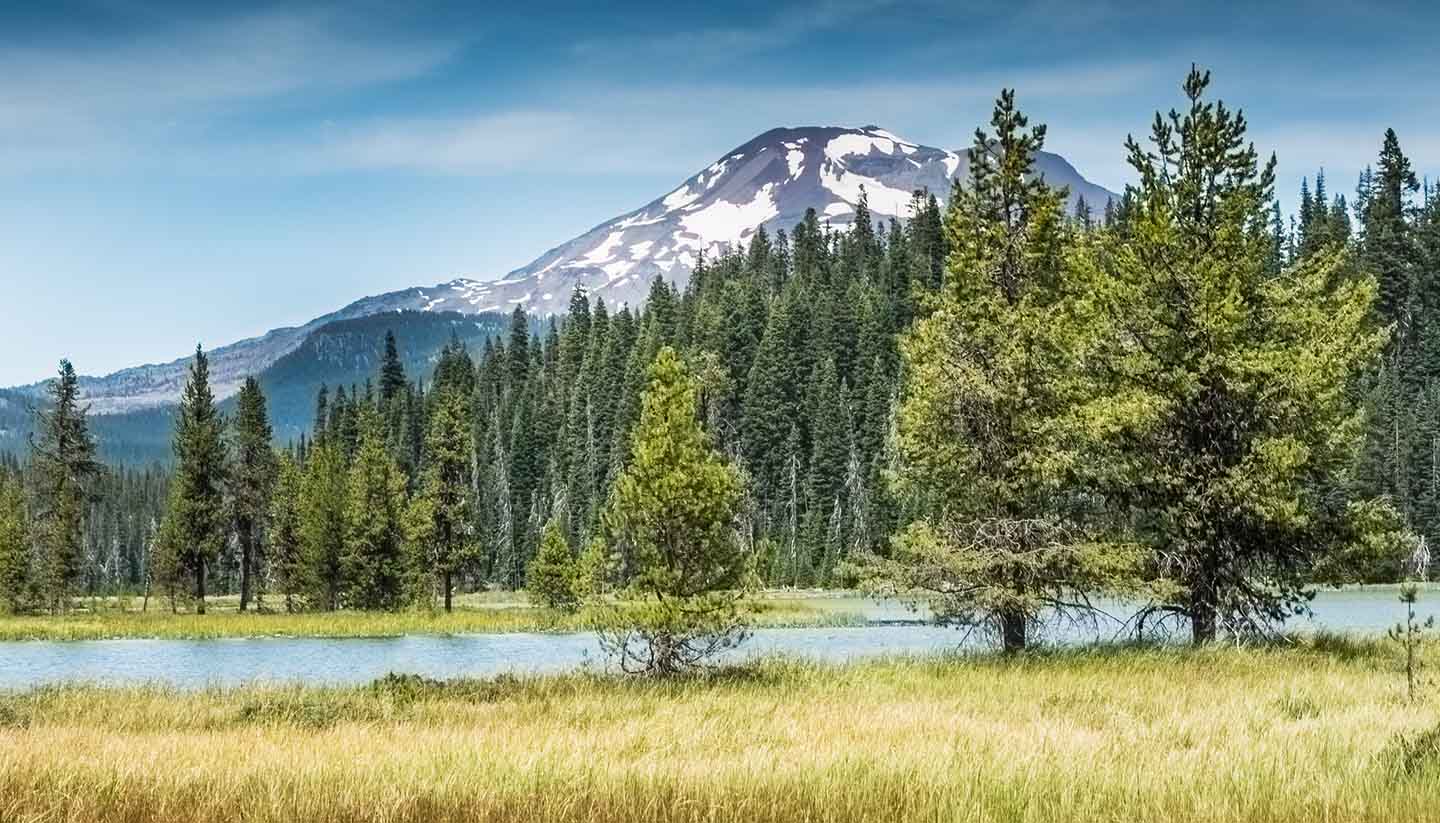
Oregon’s coastline, a strip of dramatic cliffs, sandy beaches, and charming seaside towns, is significantly influenced by the Pacific Ocean. This marine influence moderates temperatures, leading to milder winters and cooler summers compared to inland areas.
Winter (December – February)
Winter along the Oregon Coast is characterized by frequent rain and overcast skies. Temperatures typically hover in the 40s Fahrenheit (4-9°C). While heavy snowfall is rare, strong winds and storms can create dramatic ocean views. This season is ideal for storm watching, cozying up in a beachside cabin, and enjoying the dramatic beauty of the coast without the summer crowds. Popular spots like Cannon Beach and Astoria retain their charm, offering a quieter experience.
Spring (March – May)
Spring brings a gradual shift. While rain is still common, sunny days become more frequent, especially as May approaches. Temperatures begin to climb into the 50s and 60s Fahrenheit (10-15°C). Wildflowers start to bloom, adding splashes of color to the coastal bluffs. This is a wonderful time for hiking along the numerous coastal trails and exploring tide pools.
Summer (June – August)
Summer on the Oregon Coast is generally mild and pleasant. Daytime temperatures usually range from the 60s to low 70s Fahrenheit (15-23°C). While sunshine is more prevalent, fog can still roll in, particularly in the mornings, burning off to reveal clear skies. This is peak tourist season, with visitors enjoying beach activities, whale watching tours, and exploring charming towns like Newport and Florence.
Autumn (September – November)
Autumn offers a beautiful transition with crisp air and fewer crowds. Temperatures are comfortable, often in the 50s and 60s Fahrenheit (10-15°C). The fall foliage along the coast can be stunning, especially in areas with forested bluffs. The ocean remains a significant presence, with occasional storms adding to the dramatic atmosphere.
Valley and Willamette Region: The Heart of Oregon
The Willamette Valley, home to Portland and a significant portion of the state’s population, experiences a more distinct four-season climate. It’s characterized by wet winters and warm, dry summers.
Winter (December – February)
Winters in the Willamette Valley are cool and wet. Average temperatures are in the 40s Fahrenheit (4-9°C). Rainfall is abundant, and occasional freezing temperatures can lead to frost or a light dusting of snow, though significant accumulation is rare in the lower elevations. This is a perfect time to explore the city’s indoor attractions, enjoy cozy cafes, and visit the abundant wineries during their off-season.
Spring (March – May)
Spring is a vibrant season in the valley. The rain tapers off, and temperatures rise into the 50s and 60s Fahrenheit (10-15°C). The landscape bursts into bloom with countless cherry blossoms, rhododendrons, and other flowers. This is an excellent time for exploring the state’s numerous parks and botanical gardens, like the International Rose Test Garden in Portland.
Summer (June – August)
Summers are typically warm and dry, offering pleasant conditions for outdoor activities. Daytime temperatures often reach the 70s and 80s Fahrenheit (21-27°C), with occasional heatwaves pushing temperatures into the 90s or even 100s. The long daylight hours are ideal for exploring the city, hiking in the nearby Columbia River Gorge, and enjoying outdoor concerts and festivals.
Autumn (September – November)
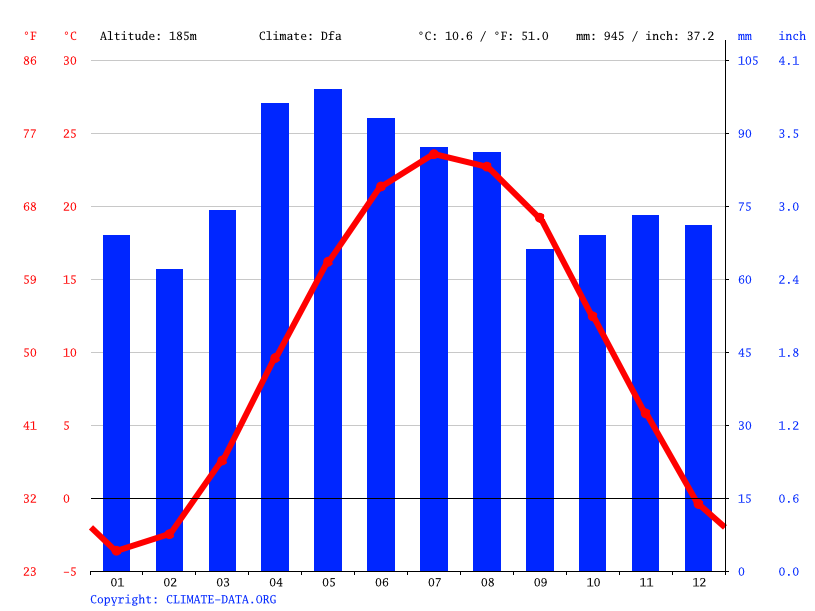
Autumn is a spectacular season in the Willamette Valley. The weather is often crisp and clear, with temperatures ranging from the 50s to 70s Fahrenheit (10-21°C) in September and October, gradually cooling in November. The valley is renowned for its fall foliage, with deciduous trees painting the landscape in brilliant hues of red, orange, and gold. This is the peak harvest season for wine grapes, making it an ideal time to visit the region’s many wineries.
Mountain Regions: The Cascades and Beyond
Oregon’s majestic mountain ranges, particularly the Cascade Mountains, present a dramatically different climate, dominated by significant snowfall in winter and cooler, more moderate summers.
Winter (December – March)
Winter in the mountains is synonymous with snow. Resorts like Mount Bachelor and Timberline Lodge receive abundant snowfall, making them prime destinations for skiing, snowboarding, and other winter sports. Temperatures are cold, often well below freezing, with daytime highs in the 20s and 30s Fahrenheit (-7 to 1°C). Access to some higher elevation roads may be limited or require snow chains.
Spring (April – May)
Spring in the mountains is a transitional period. While lower elevations might see melting snow and the beginnings of green, higher altitudes remain snow-covered well into late spring. Temperatures gradually rise, but it can still be chilly, especially at night. This is a beautiful time for backcountry skiing or snowboarding as the snowpack stabilizes, and for hiking at lower elevations as trails open up.
Summer (June – August)
Summers in the mountains are generally warm and pleasant, offering a respite from the heat of the valleys. Daytime temperatures typically range from the 60s to 70s Fahrenheit (15-23°C). This is the prime season for hiking, camping, backpacking, and exploring alpine lakes and meadows in areas like Mount Hood National Forest and the Three Sisters Wilderness. Wildflowers are in full bloom, creating stunning vistas.
Autumn (September – November)
Autumn in the mountains is breathtaking. The air becomes crisp, and the deciduous trees at lower elevations turn vibrant shades of yellow and red. Daytime temperatures are cool, often in the 50s and 60s Fahrenheit (10-15°C), with nights becoming quite cold. Snow begins to fall at higher elevations by late October or November, marking the return of winter. This is a fantastic time for scenic drives and hiking amidst the fall colors before the heavy snow arrives.
Eastern Oregon: The High Desert and Steppe
Eastern Oregon’s climate is a stark contrast to the coast and the west side of the Cascades. This region experiences a semi-arid to arid climate with hot, dry summers and cold winters, often with less precipitation than western Oregon.
Winter (November – March)
Winters in Eastern Oregon are cold and can bring significant snowfall, especially at higher elevations. Temperatures frequently drop below freezing, with daytime highs often in the 30s Fahrenheit (0-4°C). The landscape can be starkly beautiful under a blanket of snow, with opportunities for cross-country skiing and snowshoeing. Towns like Bend (which straddles the Cascades and high desert) and Baker City experience winter conditions.
Spring (April – May)
Spring is a short but welcome season. As the snow melts, the high desert comes alive with wildflowers. Temperatures begin to warm into the 50s and 60s Fahrenheit (10-15°C), making it a good time for hiking and exploring areas like the John Day Fossil Beds National Monument. However, spring can also bring unpredictable weather, including late snowfalls.
Summer (June – August)
Summers are hot and dry, with temperatures frequently soaring into the 80s and 90s Fahrenheit (27-37°C), sometimes exceeding 100°F (38°C). While intense, the dry heat is often accompanied by clear, blue skies and low humidity, making it ideal for outdoor adventures like exploring the Owyhee Canyonlands or visiting attractions like the Oregon Trail Interpretive Center. Nights can offer a welcome cool-down.
Autumn (September – October)
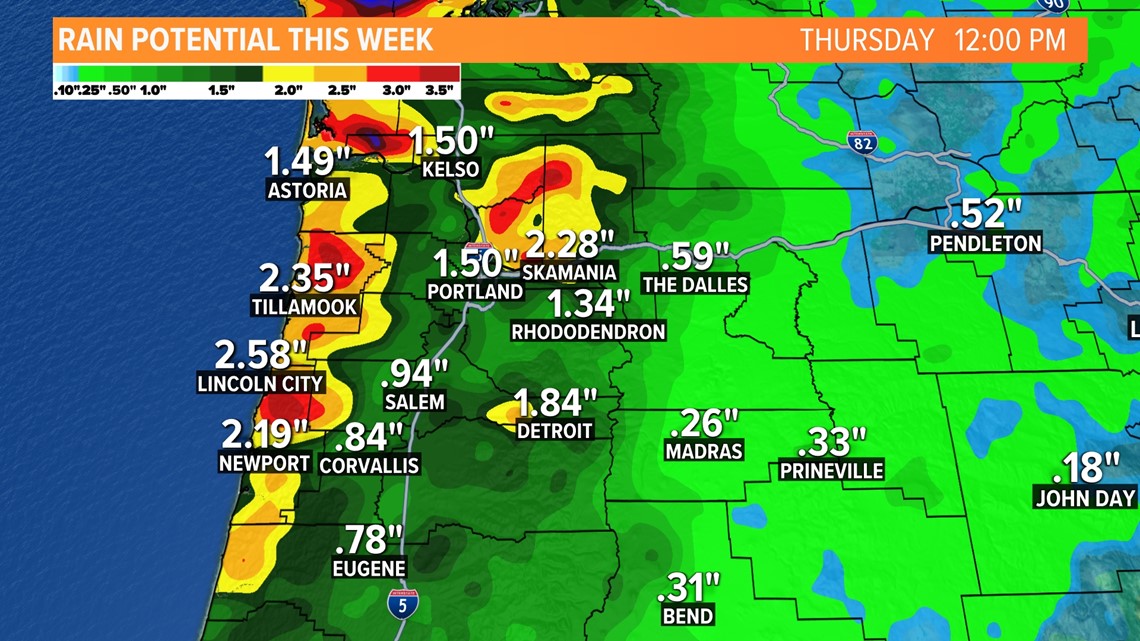
Autumn in Eastern Oregon is characterized by crisp, cool air and beautiful fall colors, particularly in canyons and river valleys. Temperatures are pleasant, generally ranging from the 50s to 70s Fahrenheit (10-21°C). This is an excellent time for hiking and enjoying the dramatic landscapes before winter sets in. The skies are often clear, offering stunning stargazing opportunities in this less light-polluted part of the state.
Understanding Oregon’s diverse climate is crucial for any traveler. Whether you seek the misty allure of the coast, the urban charm of the valley, the snowy peaks of the Cascades, or the vastness of the high desert, knowing what to expect weather-wise will ensure you pack appropriately and make the most of your Oregon adventure.
LifeOutOfTheBox is a participant in the Amazon Services LLC Associates Program, an affiliate advertising program designed to provide a means for sites to earn advertising fees by advertising and linking to Amazon.com. Amazon, the Amazon logo, AmazonSupply, and the AmazonSupply logo are trademarks of Amazon.com, Inc. or its affiliates. As an Amazon Associate we earn affiliate commissions from qualifying purchases.