
Embracing a Secure Lifestyle: The Foundation of Health Coverage
A well-rounded lifestyle isn’t just about travel, leisure, or career ambitions; it’s fundamentally built upon a bedrock of security and well-being. Central to this foundation is reliable health coverage, offering peace of mind and the freedom to pursue your life’s passions without the constant specter of unexpected medical costs. For residents of California, Covered California stands as a vital pathway to securing this essential aspect of a stable lifestyle. Understanding how to qualify isn’t merely about ticking boxes; it’s about unlocking access to a critical resource that empowers you to live more fully, confidently, and without undue financial stress.
Why Health Coverage Matters for Your Lifestyle Choices
Imagine planning a significant trip, starting a new venture, or simply enjoying daily activities with family. These lifestyle choices are often underpinned by good health and the confidence that comes from knowing you’re protected against unforeseen health challenges. Without adequate health insurance, a minor illness or injury can quickly escalate into a major financial burden, derailing travel plans, jeopardizing savings, and forcing difficult compromises in your lifestyle. Covered California provides a structured marketplace where individuals and families can find affordable health plans, shielding them from the brunt of medical expenses and enabling them to maintain their chosen way of life. It allows for proactive health management, regular check-ups, and timely care, all crucial for sustaining an active and engaged lifestyle. Whether it’s the freedom to explore new destinations without health worries or the assurance that your family’s health needs are met, qualifying for a Covered California plan is a proactive step toward a more secure and adaptable lifestyle.
Understanding the Covered California Mandate and Its Lifestyle Impact
Since the implementation of the Affordable Care Act (ACA), most U.S. citizens and legal residents have been required to have qualifying health coverage or potentially face a tax penalty, though the federal penalty was set to $0 starting in 2019. However, California, recognizing the critical role of health coverage in public well-being and individual lifestyle stability, reinstated its own individual mandate effective January 1, 2020. This means that California residents must maintain minimum essential coverage for themselves and their dependents throughout the year or pay a state tax penalty.
This mandate, far from being a burden, reinforces the lifestyle benefits of having insurance. It encourages proactive engagement with health, ensuring that a greater portion of the population has access to preventative care and necessary medical services. For individuals, this translates into fewer surprises, better health outcomes, and a greater capacity to live the life they envision. From a lifestyle perspective, compliance with the mandate means avoiding potential penalties while simultaneously investing in your health and financial security. It’s an incentive to prioritize health coverage, aligning state policy with the personal goal of a stable, worry-free existence.
Navigating Eligibility: Paving the Way for Peace of Mind
Qualifying for Covered California is a straightforward process designed to ensure that as many eligible residents as possible can access affordable health insurance. The eligibility criteria are primarily based on residency, citizenship status, and household income, all of which determine not only your ability to enroll but also the level of financial assistance you may receive. Understanding these requirements is the first critical step toward securing a health plan that fits your lifestyle and budget.
Residency and Citizenship Requirements
To be eligible for health coverage through Covered California, you must meet basic residency and citizenship criteria. Specifically, applicants must:
- Be a resident of California: This is fundamental. You must live in California to qualify for plans offered through its marketplace. This ensures that the state’s resources are directed toward its own population, contributing to the overall health and stability of the community.
- Be a U.S. citizen or national, or lawfully present immigrant: This includes a wide range of statuses, such as green card holders, refugees, asylum seekers, and individuals with specific visas. Covered California aims to be inclusive, recognizing that lawful residents are an integral part of California’s social and economic fabric, and their health is vital to the state’s collective lifestyle. Specific documentation may be required to verify your immigration status.
It’s important to note that individuals who are incarcerated (unless pending disposition of charges) are generally not eligible for Covered California plans. Meeting these foundational requirements sets the stage for evaluating your financial eligibility.
Income Thresholds and Financial Assistance
One of the most significant advantages of Covered California is the availability of financial assistance, making health insurance affordable for a wide range of income levels. This assistance, offered in the form of subsidies, is crucial for maintaining a healthy financial lifestyle, especially for those on a tight budget.
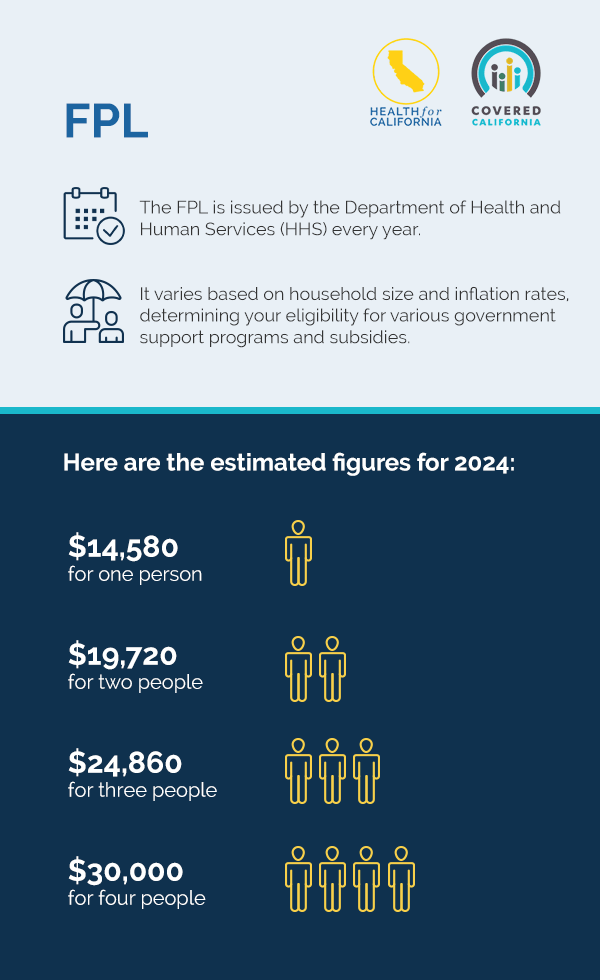
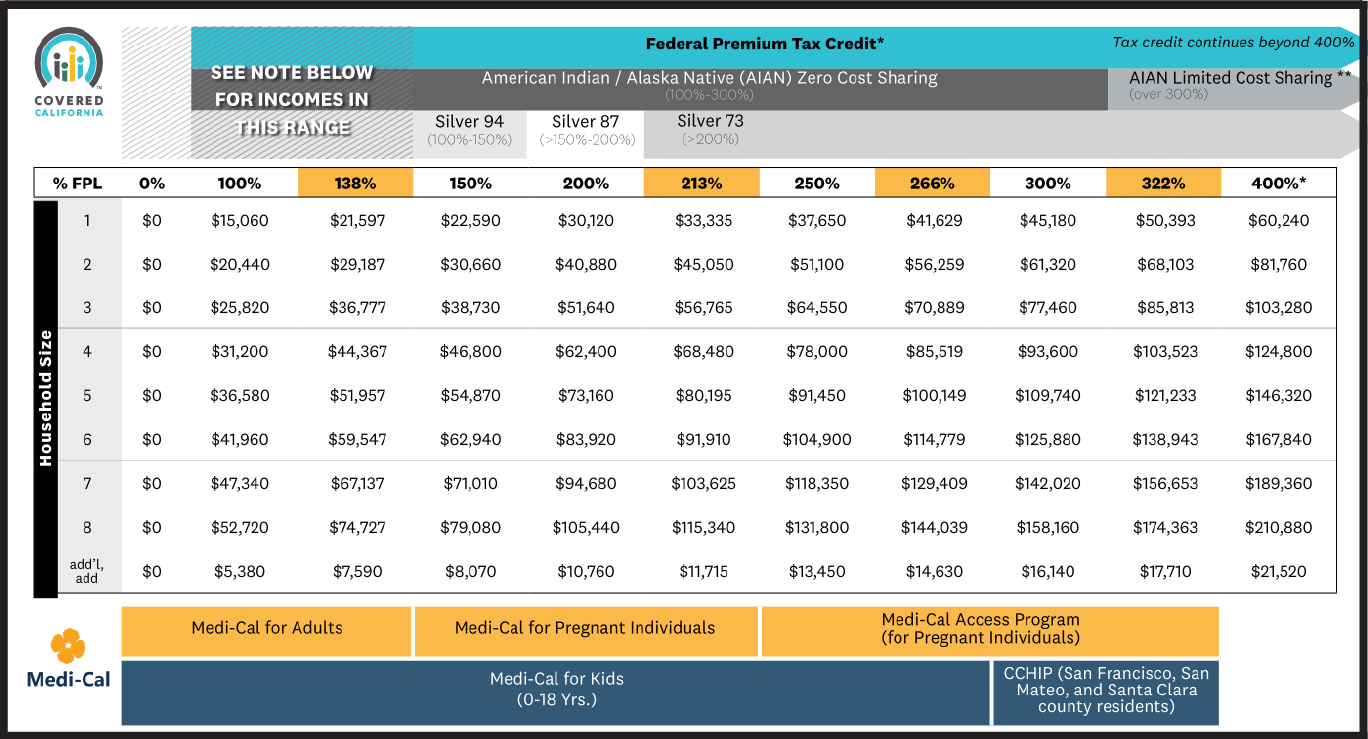
- Premium Tax Credits (APTCs): These credits reduce your monthly insurance premium. Eligibility is based on your household income relative to the federal poverty level (FPL). Generally, individuals and families earning between 138% and 400% of the FPL may qualify for these subsidies. However, recent legislative changes have expanded eligibility, ensuring that most individuals do not pay more than 8.5% of their household income for a benchmark silver plan, even if their income exceeds 400% FPL. This expansion significantly boosts affordability, allowing more people to allocate their resources to other lifestyle priorities without compromising health coverage.
- Cost-Sharing Reductions (CSRs): These subsidies help lower out-of-pocket costs like deductibles, copayments, and coinsurance. CSRs are available to individuals and families with incomes up to 250% of the FPL and can only be used with Silver-tier plans. Opting for a Silver plan with CSRs can drastically reduce your financial exposure during medical events, providing a stronger safety net for your lifestyle budget.
- Medi-Cal Eligibility: If your household income is at or below 138% of the FPL, you will likely qualify for Medi-Cal, California’s Medicaid program. Medi-Cal offers comprehensive health coverage with little to no cost, providing an essential safety net for individuals and families with lower incomes. Covered California will automatically assess your eligibility for Medi-Cal during the application process, ensuring seamless access to coverage.
The system is designed to provide a “no wrong door” approach, meaning you only need to apply once, and Covered California will determine which program you qualify for, simplifying the process of securing essential lifestyle protection.
Special Circumstances and Enrollment Periods
While the annual open enrollment period (typically from November 1st to January 31st each year) is the primary window for obtaining a plan, certain life events can trigger a “Special Enrollment Period” (SEP). These SEPs recognize that lifestyle changes often necessitate immediate adjustments to health coverage. Qualifying life events include:
- Loss of other health coverage: This could be due to job loss, divorce, aging off a parent’s plan, or a COBRA plan ending.
- Changes in household: Marriage, divorce, birth or adoption of a child.
- Changes in residence: Moving to or within California where new plans become available, or relocating from out of state.
- Other events: Becoming a U.S. citizen, leaving incarceration, or experiencing a natural disaster.
Understanding SEPs is crucial for maintaining continuous health coverage, ensuring that your lifestyle remains protected even through significant transitions. It highlights the flexibility built into the system to accommodate the dynamic nature of personal lives.
Crafting Your Lifestyle Health Plan
Once you’ve confirmed your eligibility, the next step involves selecting a health plan that aligns with your specific lifestyle needs and financial capacity. Covered California offers a range of options, categorized by metal tiers, each designed to provide different levels of coverage and cost-sharing. Making an informed choice here is paramount for ensuring your plan truly supports your individual or family lifestyle.
Deciphering Plan Tiers and Benefits
Covered California plans are categorized into four metal tiers: Bronze, Silver, Gold, and Platinum. These tiers indicate the percentage of healthcare costs the plan is expected to cover for a typical population, not the quality of care or providers.
- Bronze Plans: These plans typically cover about 60% of average healthcare costs, with you paying the remaining 40%. They usually have lower monthly premiums but higher deductibles and out-of-pocket maximums. Bronze plans are often suitable for individuals with generally good health who want protection against catastrophic medical events but don’t anticipate frequent medical services. They can be a good choice for a budget-conscious lifestyle that values security against major, unexpected health expenses.
- Silver Plans: Covering approximately 70% of average healthcare costs (you pay 30%), Silver plans offer a balance between monthly premiums and out-of-pocket costs. This tier is particularly significant because it’s the only one where you can receive Cost-Sharing Reductions if you qualify based on income. Many individuals find Silver plans to be a practical choice, offering a good blend of affordability and access to care, suitable for a lifestyle with moderate healthcare needs.
- Gold Plans: These plans cover about 80% of average healthcare costs (you pay 20%), featuring higher monthly premiums but lower deductibles and out-of-pocket maximums than Bronze or Silver. Gold plans are often preferred by individuals or families who anticipate needing more frequent medical care, as they provide more predictable costs throughout the year, allowing for better lifestyle budgeting and planning for ongoing health needs.
- Platinum Plans: Offering the highest level of coverage, Platinum plans cover about 90% of average healthcare costs (you pay 10%). They have the highest monthly premiums but typically the lowest deductibles and out-of-pocket maximums. This tier is ideal for individuals with significant ongoing medical needs or those who prioritize having almost all their medical costs covered, providing maximum financial predictability and peace of mind for a health-focused lifestyle.
All plans, regardless of tier, must cover essential health benefits, including preventative care, prescription drugs, mental health services, and more, ensuring a baseline of comprehensive support for your lifestyle.
Selecting a Plan That Aligns with Your Lifestyle Needs
Choosing the right plan involves more than just looking at the metal tier; it requires a thoughtful assessment of your personal lifestyle, health habits, and financial priorities.
- Consider your expected healthcare utilization: If you rarely visit the doctor and primarily want coverage for emergencies, a Bronze plan might suffice. If you have chronic conditions, require regular specialist visits, or are planning a family, a Gold or Platinum plan might offer better value by reducing your out-of-pocket costs over time.
- Evaluate your budget: Balance monthly premiums with potential out-of-pocket costs. A lower premium might seem attractive, but higher deductibles and copays could lead to significant expenses if you need frequent care. Conversely, a higher premium offers greater peace of mind with more predictable costs.
- Factor in your desired provider network: Check if your preferred doctors, specialists, or hospitals are in the plan’s network. This is crucial for maintaining continuity of care and avoiding disruption to your lifestyle if you have established medical relationships.
- Utilize Covered California’s tools: The marketplace provides comparison tools, calculators, and customer service support to help you weigh your options. Don’t hesitate to leverage these resources to make an informed decision that truly supports your healthy lifestyle.
Beyond Qualification: Maintaining a Healthy Lifestyle with Covered California
Securing health coverage through Covered California is a significant achievement, but it’s just the beginning. To truly integrate this coverage into a healthy and secure lifestyle, it’s essential to understand how to maximize its benefits and navigate future changes.
Maximizing Your Benefits
Once enrolled, proactively engaging with your health plan can enhance your overall lifestyle and well-being.
- Utilize preventative care: All Covered California plans cover a wide range of preventative services, like annual physicals, screenings, and immunizations, at no extra cost. Regular preventative care is key to catching potential health issues early, contributing to long-term health and minimizing disruptions to your lifestyle.
- Understand your plan’s details: Familiarize yourself with your plan’s deductible, copayments, coinsurance, and out-of-pocket maximum. Knowing these details helps you budget for healthcare expenses and make informed decisions about seeking care.
- Access telehealth services: Many plans offer telehealth options, allowing you to consult with doctors remotely. This can save time and travel, offering convenience that fits seamlessly into a busy lifestyle.
- Leverage wellness programs: Some health plans offer wellness programs, discounts on gym memberships, or health coaching. Participating in these can further support a healthy lifestyle.

Preparing for Life Changes and Renewals
Life is dynamic, and your health coverage needs may evolve.
- Annual Renewals: Each year, Covered California will prompt you to renew your plan. This is an opportunity to review your current coverage, check if your income or household size has changed, and reassess if your plan still meets your lifestyle needs. New plans might also be available, or existing plans might have adjusted their benefits or premiums.
- Reporting Life Changes: It’s crucial to report any significant life changes to Covered California promptly. This includes changes in income, household size (marriage, divorce, birth of a child), or moving. These changes can impact your eligibility for financial assistance or trigger a Special Enrollment Period, ensuring your coverage remains appropriate and you continue to receive the correct subsidies.
- Staying Informed: Keep up-to-date with communications from Covered California and your health plan. This ensures you’re aware of any changes to policies, benefits, or available assistance programs.
By actively managing your Covered California plan, you’re not just maintaining health insurance; you’re actively investing in a resilient, financially secure, and healthy lifestyle, ready to adapt to whatever comes next.
LifeOutOfTheBox is a participant in the Amazon Services LLC Associates Program, an affiliate advertising program designed to provide a means for sites to earn advertising fees by advertising and linking to Amazon.com. Amazon, the Amazon logo, AmazonSupply, and the AmazonSupply logo are trademarks of Amazon.com, Inc. or its affiliates. As an Amazon Associate we earn affiliate commissions from qualifying purchases.