
Orlando, Florida, renowned globally as the “Theme Park Capital of the World,” is a magnet for travelers seeking unforgettable experiences. From the enchanting realms of Walt Disney World Resort to the cinematic adventures at Universal Orlando Resort, this vibrant city offers an endless array of attractions, luxurious hotels, and diverse lifestyle options for every type of visitor. However, a successful trip to Orlando often hinges on one crucial factor: the weather. Understanding Florida’s climate is paramount for planning activities, packing appropriately, and ensuring a comfortable and memorable stay. As a subtropical paradise, Orlando boasts a unique weather profile characterized by abundant sunshine, warm temperatures year-round, and distinct wet and dry seasons. This guide delves into the nuances of Orlando’s weather, offering insights into what to expect throughout the year and how to best prepare for your Central Florida adventure, whether you’re planning a family trip, a luxury getaway, or a budget-friendly escape.
Understanding Orlando’s Subtropical Climate: A Year-Round Overview
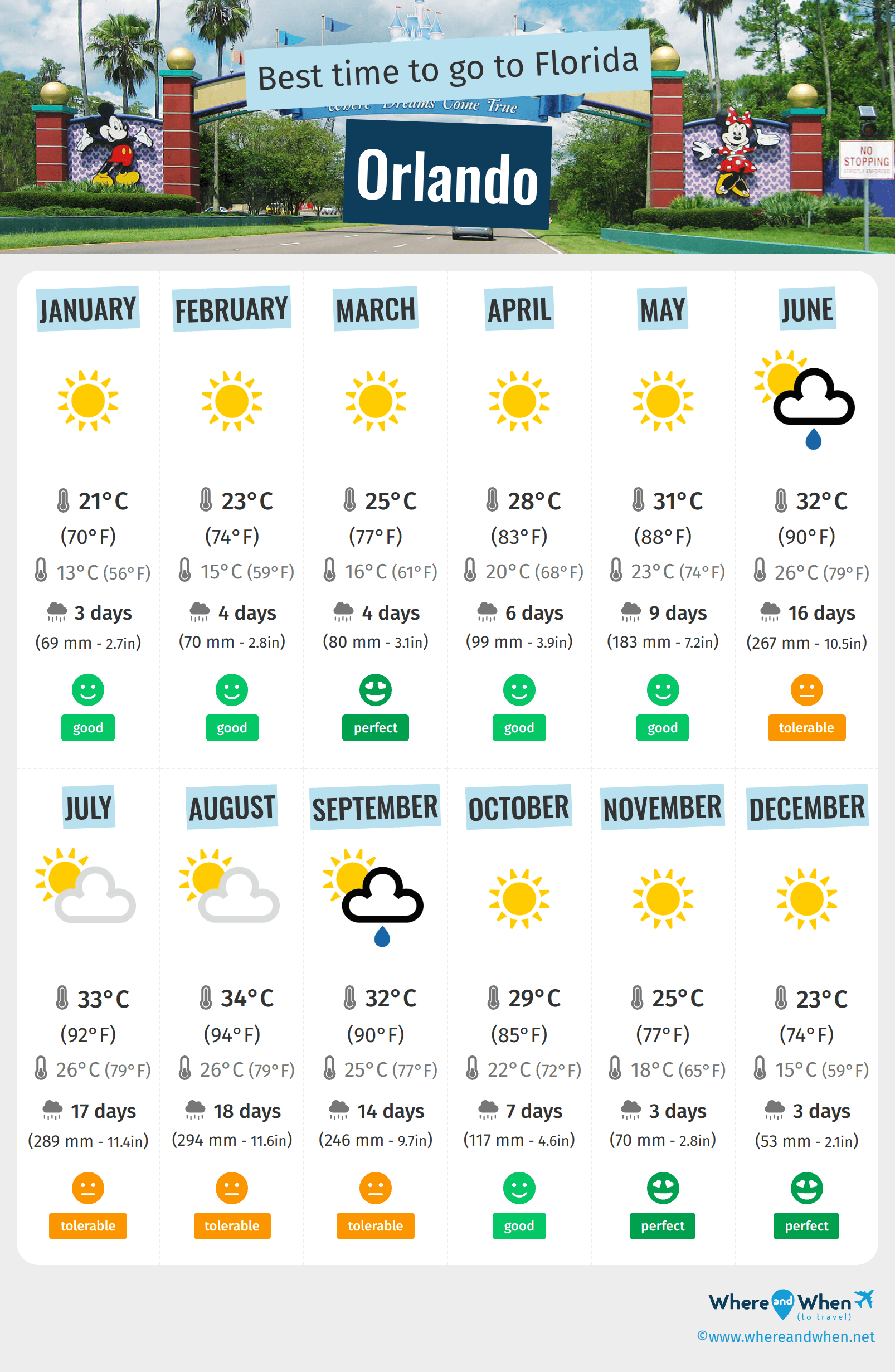
Orlando’s climate is officially classified as humid subtropical, meaning it experiences hot, humid summers and mild, generally dry winters. This classification is heavily influenced by its proximity to both the Atlantic Ocean and the Gulf of Mexico, which contribute significantly to the city’s humidity levels and rainfall patterns. Unlike regions with four distinct seasons, Orlando primarily has two: a hot, wet season from June to September, and a warm, dry season from October to May.
The Sunshine State’s Signature Weather Patterns
Year-round sunshine is a hallmark of Orlando’s climate, with the city averaging over 230 sunny days annually. Temperatures rarely dip below freezing, ensuring that even in the coolest months, outdoor activities remain enjoyable. However, the omnipresent humidity, particularly during the summer, can make the heat feel more intense. Average temperatures hover around 72°F (22°C) annually, but daily highs can fluctuate significantly depending on the season. Rainfall is concentrated in the summer months, often arriving in the form of brief, intense afternoon thunderstorms that provide a welcome respite from the heat. These showers typically pass quickly, leaving clear skies in their wake. Understanding these overarching patterns is the first step to mastering your Orlando itinerary, from selecting the right accommodation to scheduling your theme park visits and exploring local culture.

Seasonal Breakdown: What to Expect When You Visit
Each season in Orlando offers a unique set of weather conditions, influencing everything from the type of clothing you’ll need to the best times for specific activities. From the bustling summer crowds to the pleasant winter escapes, knowing what each season holds will help you tailor your travel plans for maximum enjoyment.
Summer in Orlando (June – September): Heat, Humidity, and Hurricanes
Summer in Orlando is characterized by high temperatures and even higher humidity, creating a truly tropical atmosphere. Daily highs consistently reach into the low 90s°F (32-35°C), with overnight lows rarely dipping below the mid-70s°F (24-26°C). This period also marks the heart of the wet season, with almost daily afternoon thunderstorms that typically last an hour or two. While they can be intense, they often provide a refreshing break from the heat and clear the air.
This is also hurricane season, which officially runs from June 1st to November 30th, with the peak months being August and September. While direct hits in Orlando are rare due to its inland location, the city can experience heavy rains, strong winds, and disruptions to travel plans from storms impacting coastal areas. Visitors planning a trip during these months should consider purchasing travel insurance, staying informed through weather advisories, and choosing accommodations that offer flexible cancellation policies. Despite the weather challenges, summer remains a popular time for families due to school holidays.
Planning for Summer: Focus on early morning theme park visits, utilizing water parks like Volcano Bay or Blizzard Beach to cool off, and enjoying indoor attractions and shows during the hottest parts of the day or during rain showers. Packing lightweight, breathable clothing, swimsuits, hats, sunglasses, high-SPF sunscreen, and rain ponchos is essential. Hotels and resorts like the JW Marriott Orlando Grande Lakes or Hyatt Regency Orlando with excellent air conditioning and expansive pool complexes become highly desirable for combating the heat and humidity.
Autumn in Orlando (October – November): Pleasant Park Weather
Autumn is widely considered one of the best times to visit Orlando. The transition from summer brings a welcome drop in humidity and more comfortable temperatures, typically ranging from the mid-80s°F (27-30°C) during the day to the low 60s°F (16-18°C) at night. Rainfall significantly decreases, and the risk of hurricanes also diminishes, particularly as November approaches. The pleasant weather makes it ideal for spending long days exploring the theme parks and other outdoor attractions without the intense summer heat.
This season is perfect for those looking to maximize their time at places like Magic Kingdom or Universal Studios Florida, enjoying outdoor festivals such as the Epcot International Food & Wine Festival, and indulging in al fresco dining. The cooler evenings also make for delightful strolls around Lake Eola Park or along International Drive.
Planning for Autumn: While layers might be useful for cooler evenings, light clothing suitable for warm days is still the norm. Sunscreen remains important. This period sees a surge in popularity, especially around school breaks and holiday events, so booking accommodations and attractions well in advance is highly recommended. Hotels with comfortable outdoor spaces and dining options are particularly appealing during these months.

Winter in Orlando (December – February): Mild, Dry, and Delightful
Winter in Orlando offers a refreshing escape for many, especially those coming from colder climates. This is the city’s driest and coolest season, with average daytime temperatures in the low to mid-70s°F (21-24°C) and nighttime lows often dipping into the 50s°F (10-15°C). Occasional cold fronts can bring temperatures down further, sometimes into the 40s°F (4-9°C), though these typically last only a few days. Humidity is at its lowest, making for crisp, clear skies.
This weather is perfect for exploring all that Orlando and Central Florida have to offer, including non-theme park attractions like the Kennedy Space Center Visitor Complex (a short drive away), golfing at world-class courses, or simply enjoying the outdoor amenities of luxury resorts. Holiday decorations and events across the city’s landmarks and attractions create a festive atmosphere.
Planning for Winter: Packing layers is crucial during winter. While days can be pleasantly warm, evenings can be cool or even chilly, necessitating jackets, sweaters, or light coats. Scarves and hats might also be welcome on colder nights. Sun protection is still important due to the strong Florida sun. Accommodations with heated pools are a significant advantage, ensuring swimming remains an option even on cooler days. This is also a peak season for “snowbirds” and holiday travelers, so securing bookings early is advisable, especially around Christmas and New Year’s.
Spring in Orlando (March – May): Warm Blooms and Bright Skies
Spring in Orlando is a beautiful time, characterized by warm temperatures, low humidity, and abundant sunshine before the summer heat and rains set in. Daytime highs typically range from the high 70s°F to low 80s°F (25-29°C), with comfortable evening lows in the 60s°F (16-20°C). Rainfall is minimal, and the landscape is often vibrant with blooming flowers and lush greenery.
This season is ideal for all outdoor activities, from exploring the botanical wonders of Harry P. Leu Gardens to experiencing wildlife encounters at Gatorland or embarking on airboat tours. It’s a popular time for spring breakers and families during school holidays, making the theme parks lively. The comfortable weather allows for extended periods outdoors, whether enjoying a leisurely brunch, exploring diverse neighborhoods, or simply relaxing by the pool.
Planning for Spring: Light clothing, swimwear, and comfortable walking shoes are essential. While the humidity is low, sunscreen, hats, and sunglasses are still a must. As with autumn and winter, spring sees high visitor numbers, particularly in March and April, leading to increased demand for hotels and attractions. Booking well in advance will help secure your preferred choices and often better rates, aligning with various lifestyle choices from budget-conscious to luxury travel.
Planning Your Orlando Getaway: Weather-Proofing Your Experience
Beyond understanding the seasonal variations, proactive planning can significantly enhance your Orlando experience, ensuring you’re prepared for any weather scenario the Sunshine State might throw your way.
Essential Packing and Preparation Tips
Regardless of the season, certain items are non-negotiable for an Orlando trip. Sun protection is paramount: pack broad-spectrum sunscreen with a high SPF, wide-brimmed hats, and UV-protective sunglasses. The Florida sun is intense year-round. Hydration is equally critical; carry a reusable water bottle and drink plenty of fluids, especially on hot days. Comfortable footwear is a must, as you’ll likely be doing a lot of walking in theme parks and across various landmarks. For summer and spring visits, include swimwear and consider waterproof sandals. Rain gear, such as compact umbrellas or lightweight ponchos, is advisable for any season but becomes essential during the summer’s afternoon showers. Finally, if traveling during hurricane season (June-November), strongly consider travel insurance that covers weather-related disruptions and opt for flexible booking policies for flights and accommodation.
Maximizing Your Stay: Activities for Every Forecast
Orlando’s tourism infrastructure is designed to offer enjoyment regardless of the weather. For hot weather strategies, schedule outdoor activities, rides, and parades for early mornings or late evenings. Utilize the hottest parts of the day for indoor shows, air-conditioned museums like the Orlando Science Center, character meet-and-greets, or refreshing visits to water parks. On cooler days, explore outdoor attractions without the concern of heat, enjoy outdoor dining on International Drive, or take scenic walks through local parks. If a rainy day occurs, Orlando has numerous indoor alternatives: explore ICON Park with its many indoor attractions, indulge in retail therapy at the Mall at Millenia or Orlando International Premium Outlets, or catch a movie at one of the city’s state-of-the-art cinemas.
Accommodation Choices Based on Weather
Your choice of accommodation can significantly impact your comfort and enjoyment, especially in varying weather conditions. During the hot and humid summer, resorts with extensive indoor facilities, such as large lobbies, diverse dining options, and indoor entertainment, can provide a cool sanctuary. Properties featuring lazy rivers, multiple pools, and water slides are highly sought after for beating the heat. Many hotels offer excellent air conditioning, which is a non-negotiable amenity.
For those planning a longer stay or seeking more privacy, villas or apartments with private pools can offer a relaxing oasis, particularly appealing in spring and autumn. During cooler winter months, opting for resorts that boast heated pools or hot tubs ensures that swimming and relaxation remain viable options. Additionally, consider the proximity of your accommodation to theme parks or other major attractions; staying close can minimize travel time and exposure to the elements, making transitions easier if unexpected weather changes occur. Reviews and comparisons on booking sites can provide invaluable insights into a hotel’s amenities and how they cater to different weather conditions.
Conclusion
Orlando’s weather is undeniably a defining characteristic of this world-class destination. From the warm, humid summers punctuated by refreshing afternoon showers to the mild, dry winters perfect for outdoor exploration, each season presents its unique charm and considerations. While the “Theme Park Capital” certainly lives up to its name with its consistent sunshine, being prepared for the distinct subtropical climate ensures a comfortable and memorable journey. By understanding the seasonal variations, packing smartly, and strategically planning your activities and accommodation choices, you can effectively “weather-proof” your Orlando adventure. Whether you’re seeking the thrill of roller coasters under a summer sun or the festive ambiance of a crisp winter evening, Orlando, Florida, promises an unforgettable experience, rain or shine.
LifeOutOfTheBox is a participant in the Amazon Services LLC Associates Program, an affiliate advertising program designed to provide a means for sites to earn advertising fees by advertising and linking to Amazon.com. Amazon, the Amazon logo, AmazonSupply, and the AmazonSupply logo are trademarks of Amazon.com, Inc. or its affiliates. As an Amazon Associate we earn affiliate commissions from qualifying purchases.