
When planning a trip to the spectacular landscapes of Alaska, one might naturally wonder, “What time is it in Anchorage?” While the immediate answer involves a specific time zone, the true essence of this question for travelers delves much deeper. It touches upon the profound impact of Alaska’s unique position on the globe, influencing everything from daily itineraries and outdoor adventures to the very rhythm of life, local culture, and even the type of accommodation one might choose. Understanding the temporal nuances of Anchorage, the largest city in Alaska, is key to unlocking an unforgettable travel experience.
Understanding Anchorage’s Time Zone: Alaska Standard Time (AKST)
At its most basic, Anchorage observes Alaska Standard Time (AKST), which is Coordinated Universal Time minus nine hours (UTC-9). Like most of the United States, Alaska also participates in Daylight Saving Time.
The Basics of AKST and Daylight Saving Time
From the second Sunday in March to the first Sunday in November, Anchorage switches to Alaska Daylight Time (AKDT), which is UTC-8. This shift means that for a significant portion of the year, the clocks are moved forward by one hour, maximizing the already abundant summer daylight. For context, Alaska Standard Time is one hour behind Pacific Time, two hours behind Mountain Time, three hours behind Central Time, and four hours behind Eastern Time. This substantial time difference can be a significant factor for visitors arriving from the Lower 48 states or international destinations. While most of Alaska adheres to this time zone, a small exception is the Aleutian Islands west of 169°30′W longitude, which observe Hawaii Standard Time (HST), or UTC-10. However, for anyone traveling to Anchorage, AKST/AKDT is the standard.
Implications for Travelers and Business
The considerable time difference can pose a challenge for travelers, primarily in the form of jet lag. Arriving from the East Coast of the United States, for example, means adjusting to a four-hour time shift. This can impact your initial days in Anchorage, affecting sleep patterns, appetite, and overall energy levels. It’s crucial for visitors to factor this into their travel plans, allowing for a day or two of gentle acclimatization before embarking on strenuous activities.
For those conducting business or needing to maintain contact with people in different time zones, knowing the exact time in Anchorage is paramount. Conference calls with partners in New York or family check-ins with relatives in California require careful scheduling. Businesses in Anchorage operate on local time, and their hours of operation for retail, services, and attractions will naturally follow the AKST/AKDT clock. Many local businesses, especially in the tourism sector, are well-versed in accommodating visitors from various time zones, but personal planning remains essential.
The Phenomenon of Alaskan Daylight: Seasonal Variations and Their Impact
Beyond the static time zone, what truly defines the temporal experience in Anchorage is the dramatic swing in daylight hours between seasons. Alaska’s high latitude means that it experiences some of the most extreme variations in daylight on the planet, profoundly shaping travel, tourism, and daily life.
Summer Solstice: The Land of the Midnight Sun
During the summer months, particularly around the Summer Solstice in late June, Anchorage basks in an incredible abundance of daylight. While not quite the “land of the midnight sun” like areas further north (e.g., Fairbanks), Anchorage still enjoys up to 19.5 hours of direct sunlight, with twilight extending for several more hours. This means that even at midnight, there’s often enough ambient light to read outdoors or enjoy a round of golf. The sky might shift from a deep twilight blue to a pastel glow, but true darkness is a fleeting concept.
This extended daylight profoundly impacts tourism and lifestyle. Travelers can pack more activities into a single day, from early morning hikes in Chugach State Park or cycling along the Tony Knowles Coastal Trail to late-night fishing excursions in Cook Inlet. Landmarks like Flattop Mountain offer stunning views under an eternally bright sky. The energy of the city shifts; people are more active outdoors, businesses often extend their hours, and the vibrant atmosphere is palpable. However, adapting to this continuous daylight can be challenging for sleep patterns. Many hotels and accommodations in Anchorage are equipped with blackout curtains to help guests simulate nighttime for restful sleep.

Winter Solstice: Long Nights and Northern Lights
In stark contrast, the winter months, especially around the Winter Solstice in late December, bring dramatically shorter days. Anchorage experiences as little as 5.5 hours of direct sunlight, with extended periods of twilight before sunrise and after sunset. The sun, when it appears, stays low on the horizon, casting long, dramatic shadows and painting the snow-covered landscape in hues of pink, orange, and purple.
While the lack of daylight might seem daunting, it opens the door to unique and enchanting experiences. The long nights provide an ideal canvas for viewing the ethereal Aurora Borealis, or Northern Lights, especially on clear, cold nights outside the city center. Winter sports flourish, from skiing and snowboarding at Alyeska Resort in nearby Girdwood to ice skating at local parks or participating in dog mushing tours. Cultural events and indoor attractions like the Anchorage Museum and the Alaska Native Heritage Center become central to the travel experience. The lifestyle shifts indoors, with cozy restaurants and cafes becoming popular gathering spots. Hotels often feature warm amenities like fireplaces and offer special winter packages.
Planning Your Anchorage Adventure Around the Clock
The extreme seasonal variations in daylight mean that planning your visit to Anchorage requires careful consideration of the time of year and the activities you wish to pursue. Each season offers a distinct charm and a unique set of opportunities.
Maximizing Summer Days: Outdoor Activities and Sightseeing
For outdoor enthusiasts, summer (June to August) is the peak season, precisely because of the extended daylight. With nearly 20 hours of functional light, you can embark on multi-day adventures or simply extend your day’s explorations far into what would typically be evening hours.
- Hiking and Biking: Trails in Chugach State Park, such as the popular Flattop Mountain hike, can be enjoyed at 9 PM with ample light. The Tony Knowles Coastal Trail offers unparalleled views of Cook Inlet and the Alaska Range throughout the day and late evening.
- Wildlife Viewing: Visit the Alaska Wildlife Conservation Center on the scenic Seward Highway for guaranteed sightings of Alaska’s iconic animals. The long daylight means animals are active for longer, offering more opportunities for encounters.
- Cruises and Fishing: Take a glacier cruise from Whittier or Seward to see Portage Glacier or the abundant marine life in Prince William Sound or Resurrection Bay. Fishing charters for salmon and halibut in Cook Inlet or off the Kenai Peninsula can operate into the late evening, maximizing your chances of a prize catch.
- Day Trips: The extended daylight allows for ambitious day trips to places like Seward or Talkeetna via the scenic Alaska Railroad, returning to Anchorage late at night while still experiencing twilight.
Summer also sees a surge in events like the Anchorage Market and Festival, which runs throughout the day, and various music festivals and cultural gatherings that take advantage of the endless light. Accommodations, tours, and flights tend to be more expensive and require advance booking during this peak season.

Embracing Winter’s Charm: Unique Experiences and Cozy Retreats
Winter (November to March) in Anchorage offers a quieter, more introspective, but equally magical experience. The short daylight hours compel a different pace, focusing on indoor comforts and activities that shine in the dark.
- Northern Lights Hunting: The primary draw for many winter visitors. Tours specifically designed for aurora viewing often depart Anchorage in the late evening, taking guests away from city lights to maximize visibility.
- Winter Sports: Downhill skiing and snowboarding at Alyeska Resort in Girdwood, cross-country skiing on meticulously groomed trails, snowshoeing, and fat-tire biking are popular pastimes. Many trails are lit for evening use, extending the fun despite the early sunset.
- Cultural Immersion: Dedicate more time to exploring the Anchorage Museum, which tells Alaska’s story through art, history, and science, or the Alaska Native Heritage Center, which offers insights into the state’s indigenous cultures.
- Winter Festivals: Anchorage hosts iconic events like the Iditarod Trail Sled Dog Race start (early March) and the Fur Rendezvous festival (late February/early March), which bring the city alive with festivities, even under short daylight.
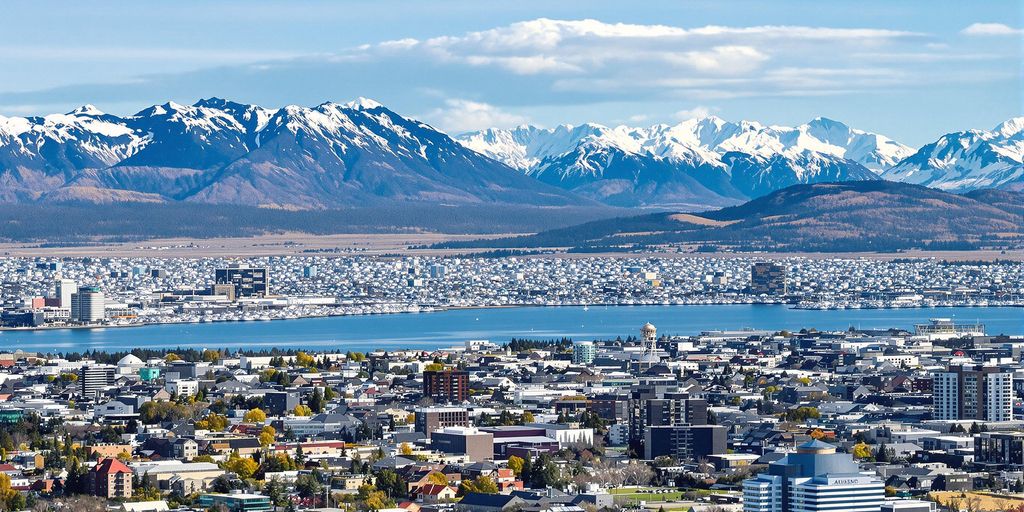
Traveling in winter can often be more budget-friendly, with lower prices for flights and accommodations. The serene beauty of snow-covered landscapes and the chance to witness the aurora make it a truly unique experience.
Accommodation and Lifestyle: Adapting to Anchorage’s Rhythms
The distinct seasonal light patterns in Anchorage directly influence both the choices for accommodation and the local lifestyle, making them integral parts of the travel experience.
Choosing the Right Stay: From Blackout Curtains to Aurora Views
When selecting accommodation in Anchorage, the time of year and associated daylight become key considerations.
- Summer Accommodation: During the “Land of the Midnight Sun,” travelers often prioritize hotels, resorts, or apartment rentals that offer effective blackout curtains or shades. Even an hour or two of extra “night” can make a significant difference in sleep quality. Properties like the historic Hotel Captain Cook or The Lakefront Anchorage typically understand this need and cater to it. Budget-conscious travelers staying in cabins or simpler accommodations might consider bringing an eye mask.
- Winter Accommodation: In winter, the focus shifts. While blackout curtains are still appreciated for personal comfort, the opportunity to view the Aurora Borealis from your accommodation can be a luxurious bonus. Some resorts or cabins slightly outside the city lights might offer better chances, though dedicated aurora tours are usually the most reliable option. Cozy amenities like fireplaces, hot tubs, and comfortable common areas become more appealing during the long, dark evenings. Many hotels also offer shuttle services to winter activity hubs like Alyeska Resort. Whether you opt for a luxury suite or a charming bed & breakfast, understanding the light conditions will enhance your stay.
Culinary Delights and Local Culture: Dining with the Sun or Stars
The local lifestyle and culinary scene in Anchorage also adapt to the temporal shifts.
- Summer Dining and Socializing: With endless daylight, dining hours can extend, and outdoor patios are bustling late into the evening. Restaurants specializing in fresh Alaskan seafood (salmon, halibut, crab) and wild game are popular. The energy encourages long, leisurely meals, followed by strolls or further exploration. Local breweries and distilleries thrive as social hubs. The sense of community gatherings, often held outdoors, takes full advantage of the extended light.
- Winter Dining and Socializing: In winter, dining often becomes a cozier, more intimate affair. Restaurants provide warm, inviting atmospheres. While the sun sets early, the city’s culinary scene remains vibrant, with an emphasis on hearty, comforting dishes that reflect the season. Local cafes become havens for coffee and conversation. Cultural events, concerts, and theater performances often fill the evening hours, creating a rich indoor social life that contrasts with the chilly, dark outdoors. This is a time when locals and visitors alike embrace the warmth of hospitality and the joy of shared experiences.
Essential Tips for Time-Zone Adjustment and Enjoying Your Stay
To truly enjoy your Anchorage adventure, a few practical tips regarding time and light can make all the difference:
- Adjust Gradually: If coming from a significantly different time zone, try to shift your sleep schedule by an hour or two each day in the days leading up to your trip. Upon arrival, expose yourself to natural light during the day, even if it feels like evening, and avoid heavy meals close to your new bedtime.
- Embrace Blackout Curtains/Eye Masks in Summer: This is non-negotiable for quality sleep during the summer months. Most hotels will have them, but confirm or bring your own eye mask.
- Plan Around Daylight in Winter: For outdoor activities in winter, schedule them for the limited daylight hours. Use the long evenings for indoor attractions, culinary exploration, or aurora hunting.
- Stay Hydrated and Manage Caffeine: These general travel tips are especially important when adjusting to new time zones and light conditions.
- Be Flexible: Alaska’s weather can be unpredictable, and daylight variations can feel unusual. Embrace the unique rhythms, and be prepared to adjust your plans if needed.
- Understand Flight Schedules: When booking flights, especially connections, be mindful of the time differences. A flight arriving late at night in Anchorage during summer will still feel like daytime to your body, potentially making it harder to settle in.
In conclusion, while the simple answer to “What time is in Anchorage?” is Alaska Standard Time (AKST), the deeper truth reveals a dynamic temporal landscape shaped by extreme seasonal daylight variations. This unique characteristic is not merely a curiosity but a fundamental aspect of travel, tourism, and lifestyle in Southcentral Alaska. By understanding and embracing these rhythms, travelers can unlock the full magic of Anchorage, whether basking in the endless glow of summer or reveling in the aurora-lit nights of winter.
LifeOutOfTheBox is a participant in the Amazon Services LLC Associates Program, an affiliate advertising program designed to provide a means for sites to earn advertising fees by advertising and linking to Amazon.com. Amazon, the Amazon logo, AmazonSupply, and the AmazonSupply logo are trademarks of Amazon.com, Inc. or its affiliates. As an Amazon Associate we earn affiliate commissions from qualifying purchases.