
When travelers ask, “What is the weather today in Hawaii?” the answer is rarely a single temperature or a simple icon of a sun or a cloud. Because the archipelago is situated in the heart of the Pacific Ocean, the weather is a dynamic tapestry woven from trade winds, volcanic topography, and tropical currents. For anyone planning a journey to the United States’ island paradise, understanding the nuances of the local climate is the first step in crafting an unforgettable itinerary.
Decoding the Microclimates of the Hawaiian Islands
One of the most fascinating aspects of Hawaii is that it contains a staggering variety of climate zones. According to the Köppen climate classification system, the Big Island alone possesses nearly every climate zone found on Earth, from tropical monsoon environments to polar tundras atop its highest peaks. This diversity means that “today’s weather” depends entirely on which side of a mountain you are standing on.

The Impact of Trade Winds
The defining feature of Hawaiian weather is the “northeast trade winds.” These reliable breezes blow from the northeast toward the islands for about 70% to 80% of the year. They serve as nature’s air conditioner, keeping the tropical humidity at bay and maintaining a comfortable temperature that usually hovers between 75°F and 85°F. When the trade winds die down, the islands can experience “Kona weather,” characterized by still, humid air and occasionally heavy rain coming from the south or west.
Windward vs. Leeward: The Rain Shadow Effect
If you are looking for sunshine today, your best bet is usually the “leeward” side of any island. Each island has a windward side (north and east) and a leeward side (south and west). The trade winds hit the windward mountains, rise, cool, and drop their moisture as rain. This creates lush, green landscapes in places like Hilo and the Hanalei Bay. Conversely, the leeward sides remain dry and sunny, which is why most major resorts are located in areas like Waikiki Beach or Kailua-Kona.
Regional Highlights: Weather Patterns Across the Archipelago
While the general rules of trade winds apply to all islands, each destination within Hawaii has its own unique atmospheric personality. Whether you are exploring the bustling streets of a city or the remote trails of a canyon, the weather will dictate your daily adventure.
Oahu and the Pulse of Honolulu
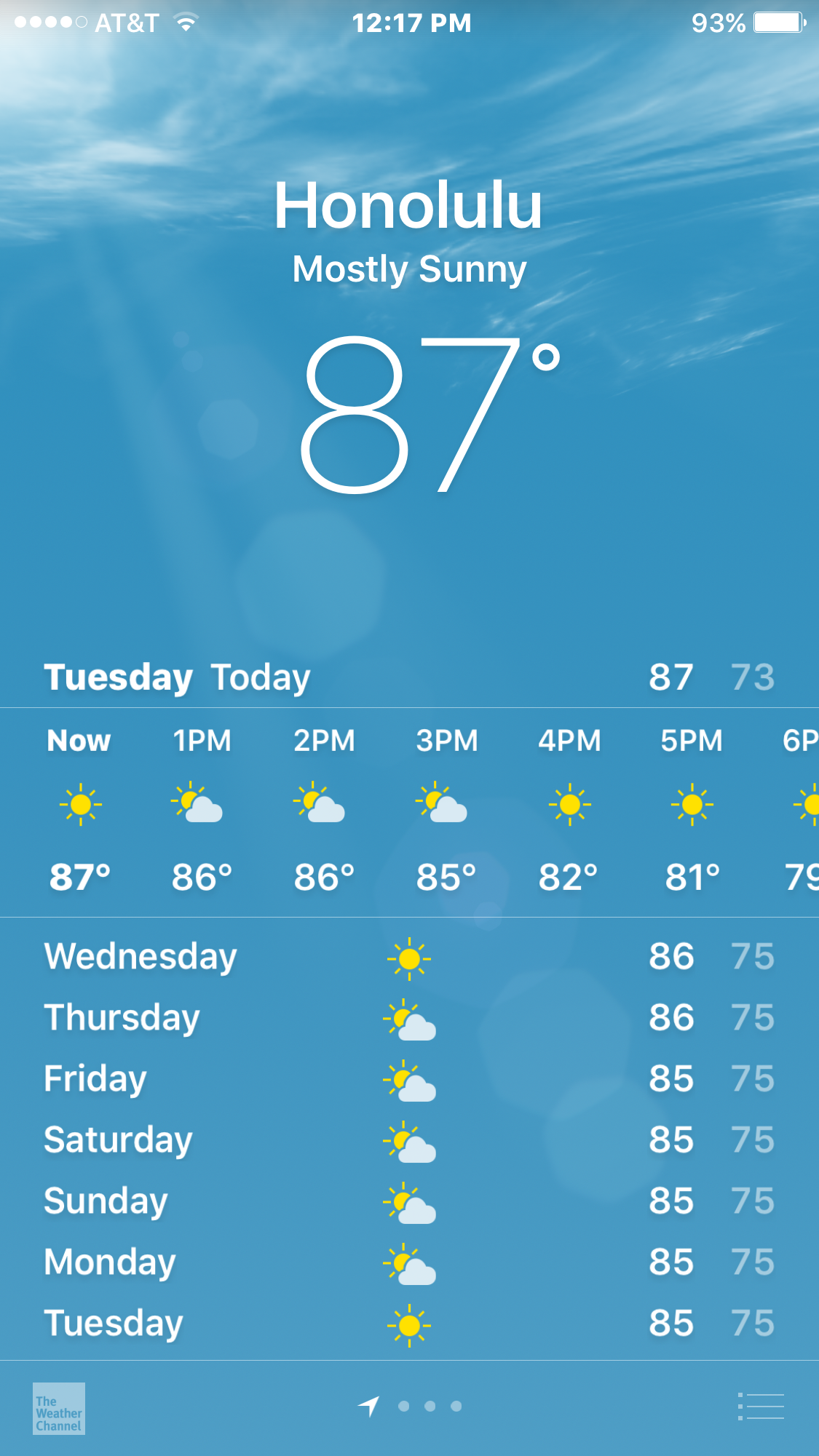
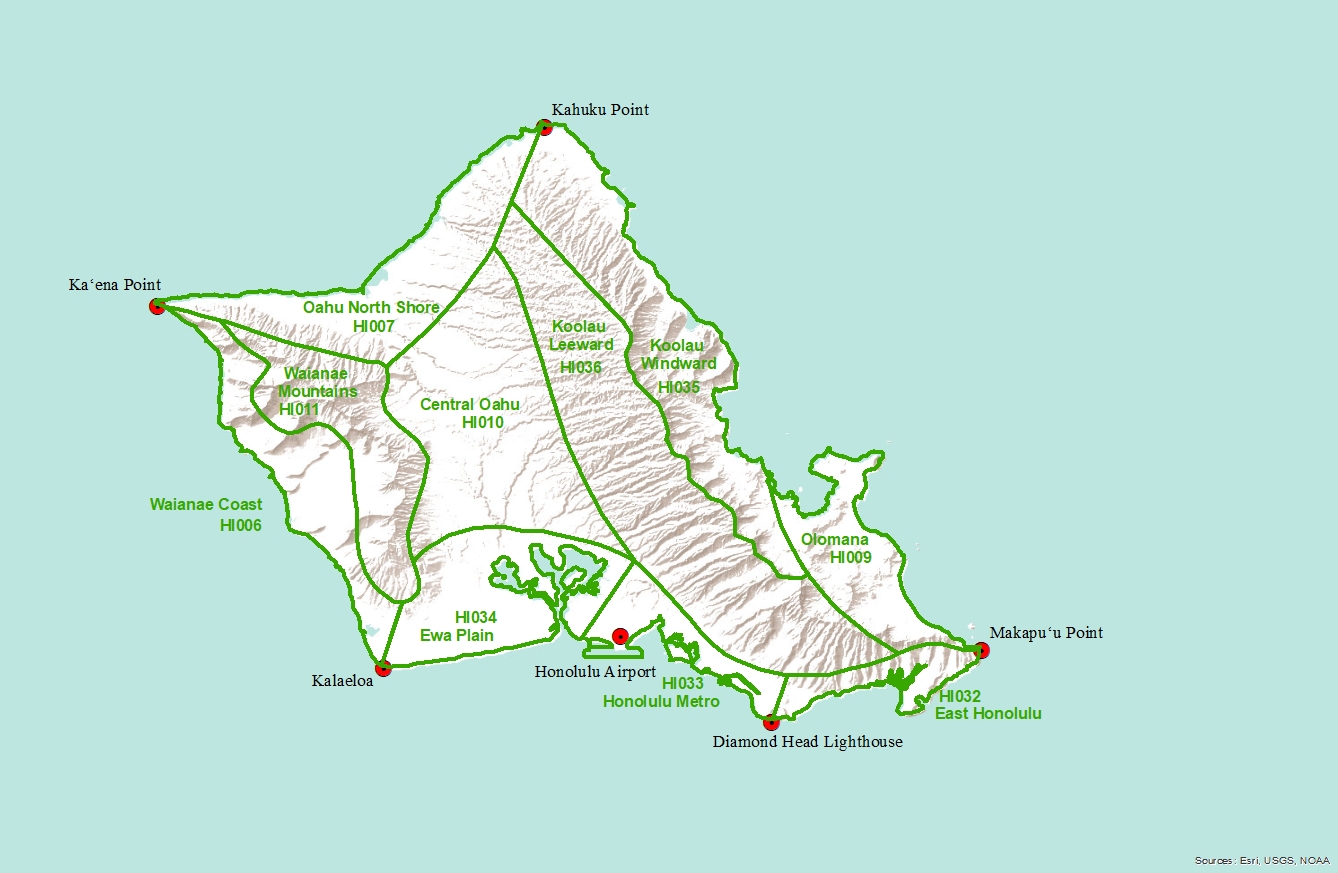
Oahu, known as “The Gathering Place,” offers some of the most consistent weather in the world. In Honolulu, the capital city, the weather today is likely to be a pleasant 80°F with a light breeze. If you are visiting Pearl Harbor, expect open skies, but be prepared for a quick passing shower if you head toward the Nuuanu Pali Lookout. The North Shore of Oahu experiences significantly different conditions depending on the season, with massive swells and cooler winds during the winter months.
Maui’s Volcanic Peaks and Coastal Breezes
Maui offers a dramatic range of weather experiences. In the historic town of Lahaina, the heat can be intense, as it is shielded from the winds. However, if you drive to the summit of Haleakala National Park, the temperature can drop by 30 degrees or more. It is not uncommon to see frost at the summit of Haleakala while tourists are sunbathing on Wailea Beach just a few miles away. The Road to Hana is another example of weather variability, where rainforest conditions mean you should expect rain at almost any time of day.
Kauai’s Lush Rainforests and Dramatic Cliffs
Kauai is the oldest and northernmost island, and it is famously the wettest. Mount Waialeale is often cited as one of the rainiest spots on the planet. This abundant rainfall is what feeds the spectacular waterfalls of the Na Pali Coast and the deep red hues of Waimea Canyon. For travelers visiting Poipu Beach on the south shore, the weather is typically dry and sunny, providing a perfect contrast to the mist-covered mountains of the interior.
The Big Island’s Ten Climate Zones
Hawaii Island, or the Big Island, is a land of extremes. You can experience a tropical downpour in Hilo, a dry desert heat in the Kohala Coast, and freezing temperatures at the observatory on Mauna Kea. At Volcanoes National Park, the weather can be unpredictable, with volcanic steam and mist creating an ethereal atmosphere. Because of the island’s size, checking the weather “today” requires looking at specific town-level forecasts.
Planning Your Trip: Weather Considerations by Season
While Hawaii is a year-round destination, the “best” time to visit depends heavily on what you intend to do. The islands essentially have two seasons: Summer (Kau) from May to October, and Winter (Hooilo) from November to April.
The Golden Summer Months
Summer in Hawaii is characterized by the warmest temperatures and the most consistent trade winds. This is the peak season for snorkeling and swimming, as the ocean remains calm on almost all shores. If your goal is to hike Diamond Head or relax on Lanikai Beach, the summer months offer the most reliable “sun-all-day” conditions. Humidity can peak in August and September, making the shade of a palm tree very appealing.
The Refreshing Winter Season
Winter brings slightly cooler temperatures (mid-70s) and a higher frequency of rain. However, rain in Hawaii is often localized; if it is raining where you are, a ten-minute drive will usually bring you back into the sun. Winter is also the season of the giants. The massive swells hitting the North Shore of Oahu attract the world’s best surfers, while the warmer waters become a playground for migrating humpback whales. Watching whales from the shores of Maui or Molokai is a quintessentially winter activity.
Practical Strategies for the Hawaii Traveler
To make the most of the weather in Hawaii, you must be prepared for transition. The locals often say, “If you don’t like the weather, wait five minutes.” This philosophy is key to enjoying your vacation without being deterred by a passing storm.
Dealing with VOG and Tropical Humidity
One unique weather phenomenon in Hawaii is “VOG,” or volcanic smog. This occurs when sulfur dioxide from active volcanic vents reacts with oxygen and moisture. Depending on the wind direction, VOG can drift from the Big Island to other islands like Lanai or Maui. It usually creates a hazy look in the sky, similar to a light fog. While it rarely affects travel plans, those with respiratory sensitivities should monitor VOG levels if there is significant volcanic activity.
Packing Smart for Diverse Elevations
When packing for your trip, think in layers. While a swimsuit and shorts are standard for Waikiki, you will need a light jacket for the evening trade winds or a heavier fleece if you plan to visit the higher elevations of Haleakala or Mauna Loa. A waterproof rain shell is also essential for anyone planning to explore the rainforests of Kauai or the East Maui region. Additionally, reef-safe sunscreen is a must, as the tropical sun is much stronger than in many parts of the mainland United States.
Ocean Safety and Weather Awareness
The weather “today” in Hawaii also dictates ocean safety. High winds can create dangerous rip currents, and winter swells can make certain beaches inaccessible for swimming. Always check the local surf report and pay attention to the flags at guarded beaches like Zuma Beach (though that is in California, the principle remains for Hanauma Bay). In Hawaii, the ocean is as much a part of the weather system as the sky, and respecting its power is vital for a safe trip.
Final Thoughts on Hawaii’s Climate
Whether you are looking for the arid heat of a volcanic desert or the cool mist of a high-altitude rainforest, Hawaii delivers an unparalleled geographical experience. The weather today is likely to be a beautiful blend of sunshine and brief, refreshing showers, punctuated by the scent of plumeria carried on the trade winds. By understanding the island microclimates and planning for the seasons, you can ensure that your visit to the Aloha State is perfectly timed for the activities you love most. From the sun-drenched shores of Kona to the emerald peaks of the Garden Isle, the weather is simply another part of the islands’ incredible charm.
LifeOutOfTheBox is a participant in the Amazon Services LLC Associates Program, an affiliate advertising program designed to provide a means for sites to earn advertising fees by advertising and linking to Amazon.com. Amazon, the Amazon logo, AmazonSupply, and the AmazonSupply logo are trademarks of Amazon.com, Inc. or its affiliates. As an Amazon Associate we earn affiliate commissions from qualifying purchases.