
California, a land of unparalleled natural beauty, is home to some of the world’s most magnificent trees: the redwoods. These towering titans, some reaching heights comparable to skyscrapers and boasting lifespans spanning millennia, offer visitors an awe-inspiring connection to nature’s grandeur. Exploring these ancient forests is more than just a hike; it’s an immersive journey into a living cathedral, a serene sanctuary that captivates the soul. For anyone planning a trip to the Golden State, discovering where to witness these natural wonders firsthand is an essential part of crafting an unforgettable itinerary.
The Majestic Giants: Understanding California’s Redwoods
Before embarking on your redwood adventure, it’s insightful to understand the distinctions between the two primary species that grace California‘s landscapes: the coastal redwood and the giant sequoia. While both are part of the cypress family and evoke a sense of ancient majesty, they possess unique characteristics and thrive in different environments.
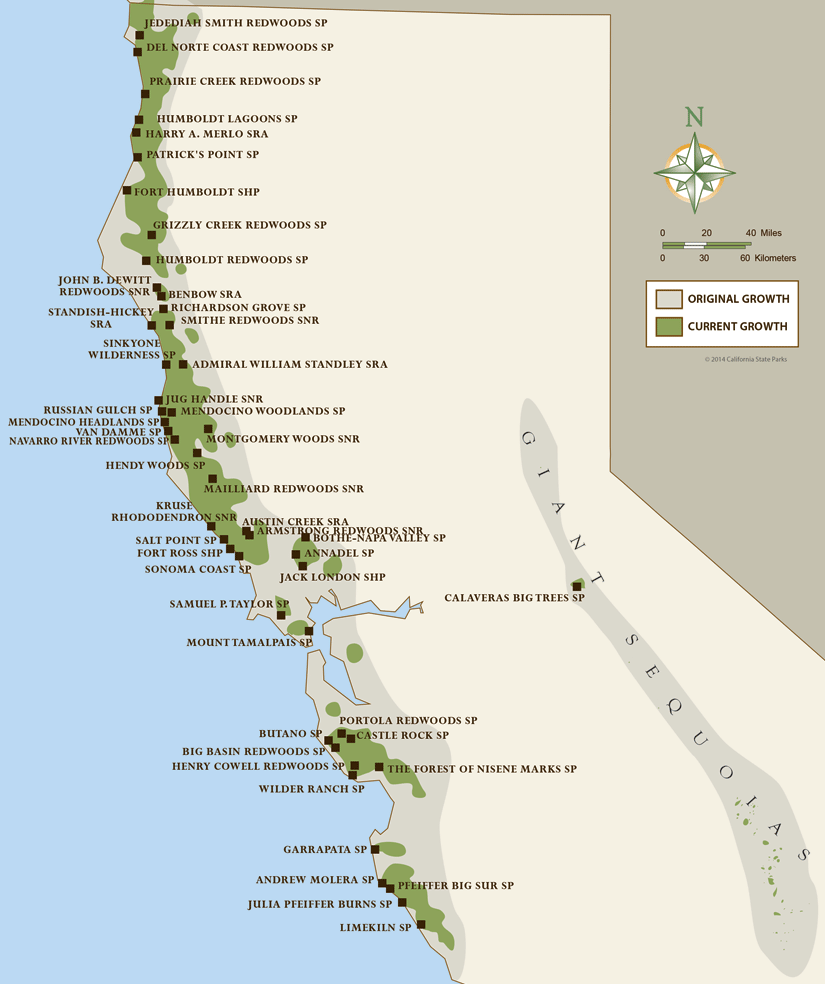
Coastal Redwoods (Sequoia sempervirens) vs. Giant Sequoias (Sequoiadendron giganteum)
The coastal redwoods (Sequoia sempervirens) are the world’s tallest living trees. They flourish in a narrow band along the Pacific Ocean coast, thriving on the consistent fog and moderate temperatures from central California up to southern Oregon. These trees are renowned for their incredible height, often exceeding 300 feet, with some pushing past 380 feet. Their bark is reddish-brown, thick, and fibrous, offering natural protection against fire and insects. Walking among them feels like stepping into a primeval forest, where light filters softly through the immense canopy, creating a truly ethereal atmosphere.
In contrast, giant sequoias (Sequoiadendron giganteum) are the world’s most massive trees by volume, though not as tall as their coastal cousins. They grow naturally only on the western slopes of the Sierra Nevada mountain range, at elevations between 4,000 and 8,000 feet. These colossal trees are famous for their immense girth, with some individual specimens having trunks over 30 feet in diameter. While their average height is around 250-275 feet, their sheer bulk is what truly impresses. The giant sequoia’s reddish-orange bark is also incredibly thick and spongy, providing exceptional resilience against wildfires.
Why Visit These Ancient Forests?
Beyond their impressive statistics, redwood forests offer a profound experience. They are ecosystems rich in biodiversity, supporting a myriad of plant and animal life. For visitors, the benefits extend to mental and physical well-being. The serene environment, crisp air, and natural beauty provide a perfect antidote to modern life, fostering a sense of peace and wonder. These forests also hold significant historical and ecological importance, serving as living relics of a bygone era and vital carbon sinks in an age of climate change. A visit is not just about seeing big trees; it’s about connecting with an ancient, powerful force of nature.
Iconic Coastal Redwood Destinations
For those seeking the tallest trees on Earth, the coastal redwood belt offers several unparalleled destinations, each with its unique charm and accessibility.
Redwood National and State Parks: The Ultimate Experience
Nestled in Northern California, the collective Redwood National and State Parks represent the pinnacle of coastal redwood preservation. This UNESCO World Heritage site is actually a mosaic of federal and state parks, including Redwood National Park, Jedediah Smith Redwoods State Park, Del Norte Coast Redwoods State Park, and Prairie Creek Redwoods State Park. Together, they protect nearly half of all remaining old-growth coastal redwoods.
- Jedediah Smith Redwoods State Park: Located near Crescent City, this park is home to Stout Grove, often considered one of the most picturesque redwood groves, with a carpet of ferns and a pristine river. The scenic Howland Hill Road offers an intimate driving experience through massive trees.
- Prairie Creek Redwoods State Park: Further south, near Orick, Prairie Creek is famed for its elk herds, which can often be seen grazing in open meadows surrounded by towering trees. Gold Bluffs Beach and the Fern Canyon trail, a lush gorge lined with ferns, are highlights.
- Newton B. Drury Parkway: A beautiful scenic drive running through Prairie Creek Redwoods State Park, offering numerous pullouts and trailheads into the old-growth forest.
These parks offer extensive hiking trails, scenic drives, and camping opportunities, allowing for multi-day exploration of the world’s tallest trees.
Humboldt Redwoods State Park and Avenue of the Giants
South of the national and state parks complex, Humboldt Redwoods State Park protects some of the most impressive old-growth redwood stands in the world. The park’s main artery is the iconic Avenue of the Giants, a 31-mile scenic bypass of US 101 that winds through ancient groves.
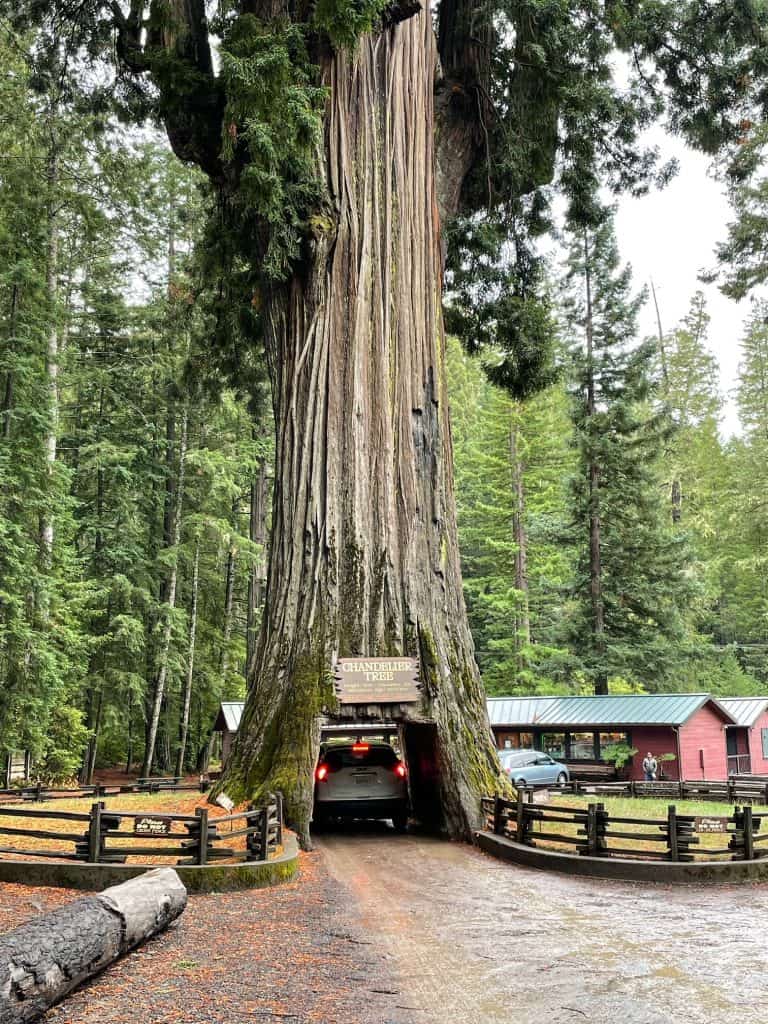
- Avenue of the Giants: This historic drive takes visitors past numerous trailheads, picnic areas, and quirky roadside attractions like the Chandelier Drive-Thru Tree. It’s an ideal route for those who prefer to experience the redwoods from their vehicle, with frequent opportunities to stop and walk among them.
- Founder’s Grove: A must-see within Humboldt Redwoods State Park, featuring the Founder’s Tree and the fallen Dyerville Giant, which was once the tallest tree known to exist.
- Tall Trees Grove: Requires a permit and a significant hike, offering a more secluded experience for those seeking deep immersion. (Note: This is distinct from the Tall Trees Grove in Redwood National Park, which holds the current record holder for the world’s tallest tree.)
Towns like Miranda, Weott, and Garberville along the Avenue of the Giants offer local amenities and a taste of rural Northern California.
Muir Woods National Monument: A Bay Area Gem
For visitors primarily staying in the San Francisco Bay Area, Muir Woods National Monument offers a convenient and breathtaking opportunity to experience coastal redwoods. Located just a short drive north of San Francisco, this monument protects a virgin forest of old-growth coastal redwoods.
- Accessibility: Due to its proximity to a major metropolitan area, Muir Woods can get very crowded. A reservation system for parking and shuttle service is in place and highly recommended, especially during peak season.
- Trails: Well-maintained boardwalks and paved trails make it accessible for all ages and abilities, offering loops of varying lengths through the majestic groves.
- Visitor Experience: While smaller and more manicured than the northern parks, Muir Woods still delivers a powerful impression of the redwoods’ grandeur, making it an ideal choice for a half-day trip.
Other Notable Coastal Redwood Parks
- Henry Cowell Redwoods State Park: Near Santa Cruz, this park offers an accessible loop trail through a majestic old-growth redwood grove, including a famous “fremont tree” where you can walk inside the hollow base of a living redwood.
- Armstrong Redwoods State Natural Reserve: Tucked away near Guerneville in Sonoma County wine country, this reserve boasts impressive groves, including the Colonel Armstrong Tree and the Icicle Tree, both massive specimens. It’s a peaceful alternative to the busier Muir Woods.
Discovering the Giant Sequoias
To truly appreciate the sheer volume and ancient history of the giant sequoias, a journey into the Sierra Nevada mountains is necessary.
Sequoia and Kings Canyon National Parks: Home of the World’s Largest Trees
These two national parks are contiguous and often visited together, forming a vast wilderness area in the southern Sierra Nevada. They are the primary sanctuaries for giant sequoias.
- Sequoia National Park: Home to the world-renowned Giant Forest, which contains five of the ten most massive trees on Earth.
- General Sherman Tree: The undisputed king, standing as the largest tree by volume in the world. A relatively short, paved trail leads to its base.
- Congress Trail: A longer loop through the Giant Forest that allows visitors to wander among numerous named groves and impressive specimens like the President Tree.
- Moro Rock and Tunnel Log: Iconic features offering panoramic views and a unique photo opportunity.
- Kings Canyon National Park: Known for its deep glacial canyon, but also protects significant sequoia groves.
- General Grant Grove: Accessible from the park’s entrance, this grove is home to the General Grant Tree, the second-largest tree in the world, often called “the Nation’s Christmas Tree.”
- Redwood Mountain Grove: The largest remaining grove of giant sequoias in the world, accessible via a strenuous hike.
The gateway towns of Three Rivers (for Sequoia) and Grant Grove Village (for Kings Canyon) offer lodging and services.
Yosemite National Park’s Sequoia Groves
While famous for its granite cliffs and waterfalls, Yosemite National Park also harbors three magnificent giant sequoia groves, offering a chance to see these giants within one of California’s most celebrated parks.
- Mariposa Grove of Giant Sequoias: The largest and most famous grove in Yosemite, located near the park’s south entrance. It features over 500 mature giant sequoias, including the notable Grizzly Giant and California Tunnel Tree. A free shuttle operates within the grove, with various loop trails.
- Tuolumne Grove: Located near Tioga Pass Road, this smaller grove requires a downhill hike to access, but rewards visitors with a quieter experience and the famous “Dead Giant” tunnel tree.
- Merced Grove: The smallest and most secluded of Yosemite’s groves, offering a serene and less crowded encounter with giant sequoias, also accessed via a downhill hike.
These groves provide excellent opportunities to combine a visit to the redwoods with the iconic landscapes of Yosemite Valley.
Planning Your Redwood Adventure
A trip to see California’s redwoods requires some thoughtful planning to maximize enjoyment and ensure a responsible visit.
Best Time to Visit
The best time to visit coastal redwoods is generally during the spring or fall, when temperatures are mild, and crowds are thinner. Summer can be busy, but the coastal fog often keeps temperatures comfortable. Winter brings rain, which can enhance the lushness of the forest but also lead to trail closures. For giant sequoias in the Sierra Nevada, late spring through early fall is ideal. Higher elevations may have snow well into June, impacting accessibility to certain areas and roads. Always check park websites for current conditions, road closures, and operating hours.
Essential Tips for a Respectful Visit
- Stay on Trails: To protect the delicate root systems of these ancient trees and the surrounding ecosystem, always stay on marked trails.
- Leave No Trace: Pack out everything you pack in. Do not disturb wildlife or natural features.
- Respect Silence: Redwood forests are places of profound peace. Be mindful of noise levels to preserve the tranquility for others and for the wildlife.
- Plan Ahead: Cell service can be spotty or nonexistent in many redwood areas. Download maps, trail information, and reservations beforehand.
- Dress in Layers: Weather can change rapidly, especially on the coast and in the mountains.
- Bear Safety: In Sequoia, Kings Canyon, and Yosemite, be bear aware. Store food properly and never approach wildlife.
Accommodation and Accessibility Considerations
Options range from primitive backcountry camping to comfortable lodges and hotels in nearby towns. Reservations for both camping and lodging, especially during peak season, are highly recommended. Many redwood parks offer accessible trails, but specific information should be checked for individual groves or trails if accessibility is a concern. Consider the driving distances between parks; coastal redwoods are a significant drive from the giant sequoias. For example, the drive from the Redwood National and State Parks in the north to Sequoia National Park in the south is approximately 10-12 hours.
Beyond the Trees: Experiences Near the Redwoods
A redwood adventure often naturally integrates with other captivating experiences California has to offer.
Coastal Drives and Charming Towns
If exploring the coastal redwoods, consider extending your journey along scenic routes like Highway 101 or even portions of Highway 1. Charming towns like Arcata and Eureka near the northern redwood parks offer unique local culture, craft breweries, and delicious food. Further south, the wine regions of Sonoma and Napa Valley are accessible from Armstrong Redwoods.
Hiking and Outdoor Activities
Beyond walking among the giants, the redwood regions provide endless opportunities for outdoor enthusiasts.
- Hiking: From leisurely strolls to strenuous backcountry treks, trails abound for all fitness levels.
- Kayaking/Canoeing: On rivers like the Smith River in Jedediah Smith Redwoods State Park, offering unique perspectives of the forest from the water.
- Photography: The filtered light, misty conditions, and immense scale of the trees create stunning photographic opportunities.
- Wildlife Viewing: Keep an eye out for Roosevelt elk, black bears, various bird species, and diverse flora.
No matter which redwood sanctuary you choose to visit, the experience promises to be a deeply moving encounter with nature’s enduring power and majesty. California’s redwoods are not merely trees; they are monuments to time, resilience, and the profound beauty of the natural world, waiting to be explored.
LifeOutOfTheBox is a participant in the Amazon Services LLC Associates Program, an affiliate advertising program designed to provide a means for sites to earn advertising fees by advertising and linking to Amazon.com. Amazon, the Amazon logo, AmazonSupply, and the AmazonSupply logo are trademarks of Amazon.com, Inc. or its affiliates. As an Amazon Associate we earn affiliate commissions from qualifying purchases.