
Navigating the vibrant landscape of Miami, a city synonymous with sun-drenched beaches, pulsating nightlife, and a rich cultural tapestry, often begins with practical questions. Among these, a fundamental one for travelers, residents, and businesses alike is: “What is the zip code for Miami?” While the question seems straightforward, the reality of Miami‘s expansive and diverse metropolitan area means there isn’t a single, monolithic zip code. Instead, the city and its surrounding areas are served by a multitude of zip codes, each representing a distinct neighborhood, district, or community.
Understanding these zip codes is more than just a logistical necessity; it’s a gateway to exploring the multifaceted personality of Miami. Whether you’re planning a luxury getaway to South Beach, seeking a quiet family retreat in a more suburban enclave, or looking for the best local eateries in Little Havana, knowing the relevant zip code can help refine your search for accommodation, attractions, and experiences. This article will delve into the fascinating world of Miami zip codes, offering insights that go beyond mere numerical designations, touching upon the travel, tourism, accommodation, and lifestyle aspects that make this Florida metropolis so alluring.
Unpacking the Layers: Miami’s Diverse Zip Code Landscape
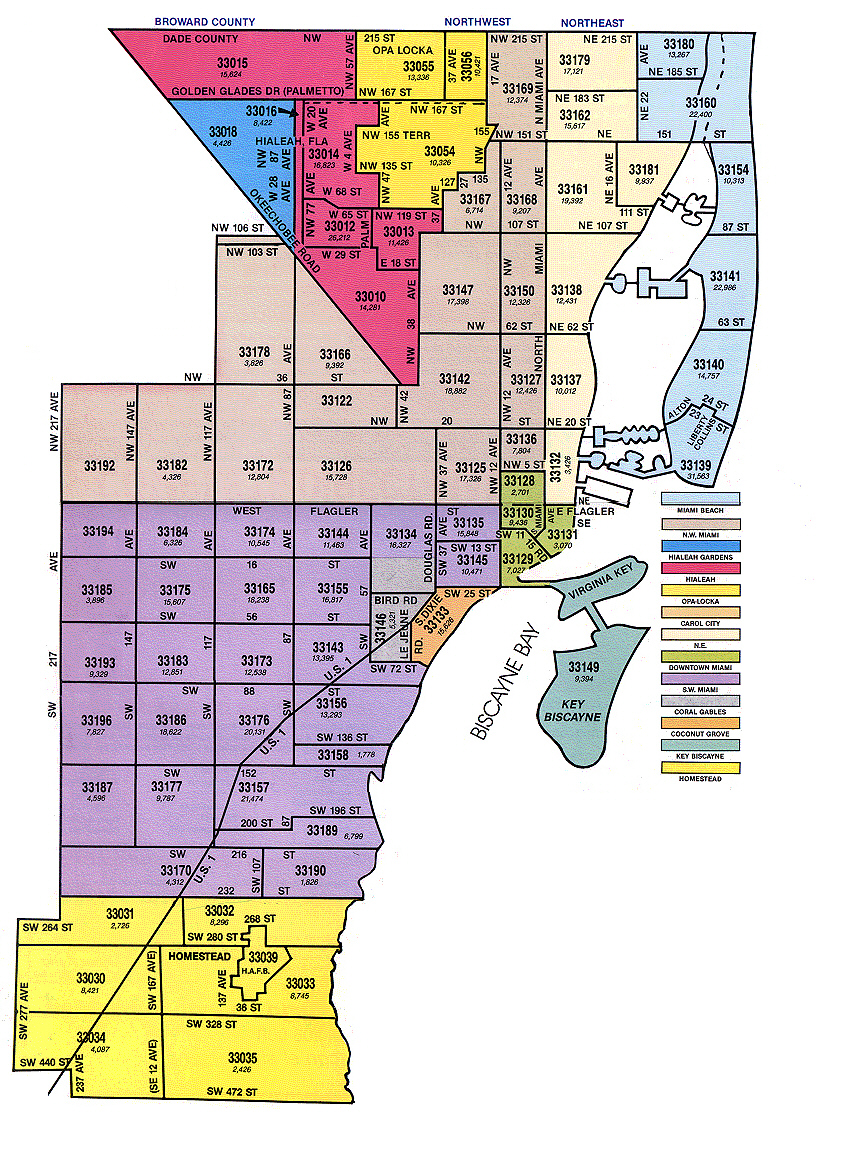
Miami is not just a single entity; it’s a sprawling urban center comprised of numerous distinct neighborhoods, each with its own character, charm, and, crucially, its own set of zip codes. From the iconic shores of Miami Beach to the bustling business districts and the culturally rich enclaves, the geographical spread necessitates a varied zip code system. This complexity, while initially seeming daunting, actually enhances the experience of exploring Miami, allowing for a more nuanced understanding of its different facets.
Understanding the Core Areas and Their Zip Codes
The most commonly associated zip codes for Miami often fall within the central business district and the most popular tourist areas. For instance, many visitors flock to Miami‘s downtown core, a hub of commercial activity and a starting point for exploring the wider metropolitan area. This area is characterized by soaring skyscrapers, upscale hotels, and a vibrant arts scene.
-
33130: This zip code is a significant one, encompassing much of the Downtown Miami area. It’s a prime location for business travelers and those looking to be at the heart of the city’s financial and cultural activities. Here, you’ll find a concentration of corporate offices, luxury apartments, and easy access to public transportation, including the Metromover, which connects various points of interest within Downtown and Brickell. This area is also home to prominent landmarks like the Adrienne Arsht Center for the Performing Arts. For those interested in a city-centric Miami experience, staying within or near the 33130 zip code offers unparalleled convenience.
-
33139: This is arguably one of the most famous zip codes in Miami, representing the northern portion of Miami Beach, including the vibrant South Beach district. This is where the iconic Art Deco architecture, world-renowned beaches, and legendary nightlife converge. Travelers seeking the quintessential Miami experience of sun, sand, and a lively atmosphere will find themselves drawn to hotels, restaurants, and entertainment venues within this 33139 area. From browsing designer boutiques on Ocean Drive to enjoying the culinary delights of Lincoln Road Mall, this zip code is the epicenter of Miami‘s glamorous image.
Beyond these well-known zip codes, the Miami metropolitan area extends far and wide, each area offering a different flavor of life in this dynamic city.
Exploring Beyond the Tourist Hotspots: Other Key Zip Codes
The true essence of Miami is often found by venturing beyond the most heavily touristed zones. The city’s diverse neighborhoods offer unique cultural experiences, culinary adventures, and a glimpse into local life. Understanding the zip codes associated with these areas can open up a world of possibilities for travelers seeking more authentic and varied experiences.
-
33131: This zip code covers a significant part of Brickell, Downtown Miami, and the Brickell Key island. Brickell is known as Miami‘s financial district, boasting impressive skyscrapers, high-end residential buildings, and a sophisticated dining and shopping scene. Brickell Key offers a more serene, resort-like atmosphere within the city’s core, a stark contrast to the bustling mainland. This area is perfect for those who appreciate urban luxury and want to experience Miami‘s modern and sophisticated side. It’s also a great base for exploring the many waterfront dining options and luxury hotels.
-
33137: This zip code encompasses areas like Edgewater and parts of Wynwood. Edgewater is a rapidly developing waterfront neighborhood offering stunning bay views and a growing number of trendy restaurants and bars. Just north of Downtown, it provides a slightly quieter alternative while remaining close to the city’s action. Wynwood, on the other hand, is internationally acclaimed for its vibrant street art, galleries, and innovative culinary scene. A visit to the Wynwood Walls is a must-do for art lovers, and the area is buzzing with creative energy. This zip code is ideal for travelers interested in contemporary art, unique dining, and a more bohemian lifestyle.
-
33140: This zip code represents another section of Miami Beach, including areas like Mid-Beach and parts of North Beach. These areas offer a slightly more relaxed pace than South Beach while still providing access to beautiful beaches and a good selection of hotels and restaurants. Mid-Beach is known for its luxurious resorts and the iconic Fontainebleau Miami Beach and Eden Roc Miami Beach hotels, offering a more classic elegance. North Beach is developing into a more laid-back and family-friendly destination, preserving a bit more of Miami Beach‘s original charm.
-
33132: This zip code covers a large portion of Downtown Miami, including Bayside Marketplace, a popular waterfront shopping and entertainment complex, and the Port of Miami. It’s a busy area with a mix of commercial buildings, residential towers, and tourist attractions, offering a lively urban experience.
-
33135: This zip code is central to Little Havana, the heart of Miami‘s Cuban community. Walking down Calle Ocho (8th Street) here is an immersion into Cuban culture, filled with the sounds of salsa music, the aroma of Cuban coffee, and vibrant domino games. It’s a must-visit for anyone wanting to experience the authentic flavors and traditions of Miami‘s rich Latin American heritage. Local eateries serving delicious Cuban sandwiches and pastries, cigar shops, and art galleries all contribute to the area’s unique character.
-
33149: This zip code encompasses Key Biscayne, an island paradise offering breathtaking views of the Miami skyline and the Atlantic Ocean. It’s known for its pristine beaches, lush parks like Bill Baggs Cape Florida State Park with its historic lighthouse, and a more tranquil, upscale atmosphere. It’s an ideal location for those seeking a more relaxed, nature-oriented escape while remaining close to the city’s amenities.
These are just a few examples, and the Miami zip code map extends to many other areas, including Coral Gables (often within 33133, 33134), Coconut Grove (typically 33133), Doral (e.g., 33166, 33178), and even further out to suburbs like Kendall and Homestead. Each of these areas has its own distinct appeal, catering to different interests and travel styles.
Navigating Miami: Zip Codes for Accommodation and Experiences
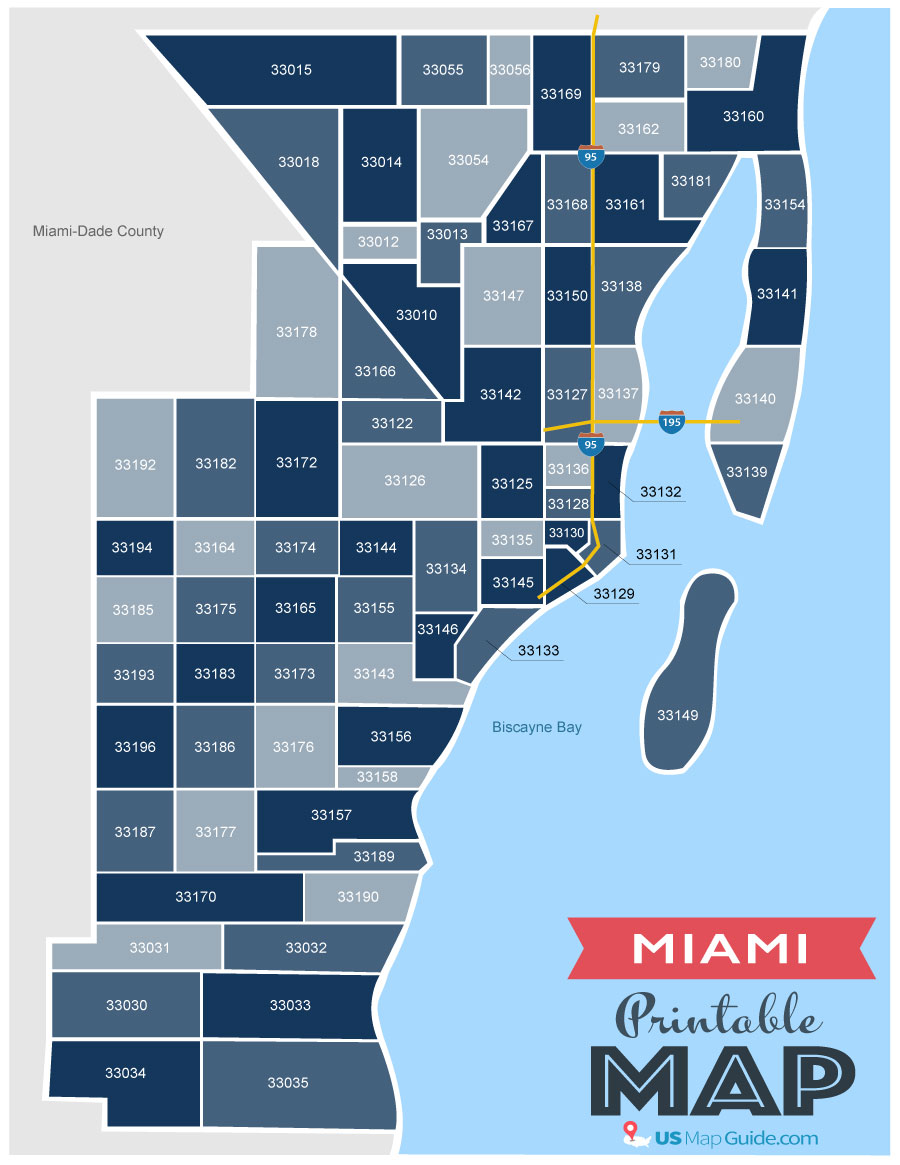
When planning a trip to Miami, understanding the zip code of your desired accommodation or activity can significantly enhance your travel experience. It helps you pinpoint the best areas for the type of stay you’re looking for, whether it’s a beachfront resort, a chic city apartment, or a budget-friendly hotel.
Choosing Your Base: Accommodation and Zip Codes
The choice of accommodation in Miami is as diverse as the city itself. From lavish resorts lining the coast to stylish boutique hotels in burgeoning neighborhoods, the zip code plays a crucial role in defining your stay.
-
Luxury Resorts and Beachfront Stays: For those seeking the ultimate in Miami luxury, with direct access to sandy shores and impeccable service, the zip codes of Miami Beach are paramount. South Beach (primarily 33139) is home to iconic hotels like The Setai Miami Beach and Faena Hotel Miami Beach, offering unparalleled beachfront access and world-class amenities. Further north, Mid-Beach (33140) features grand establishments such as the Fontainebleau Miami Beach, known for its sprawling pools and vibrant nightlife. For a more secluded luxury experience, Key Biscayne (33149) offers serene resorts with stunning ocean views.
-
Urban Chic and City Living: If your preference leans towards a sophisticated urban experience, with easy access to dining, shopping, and business centers, Downtown Miami and Brickell are your go-to areas. Zip code 33130 and 33131 are central to this bustling district. Here, you’ll find modern hotels and serviced apartments that cater to both business and leisure travelers, offering stunning cityscapes and convenient access to cultural attractions like the Perez Art Museum Miami.
-
Boutique and Artsy Stays: For travelers who appreciate a more unique and immersive experience, neighborhoods like Wynwood and Edgewater offer a growing selection of boutique hotels and stylish vacation rentals. While Wynwood is still developing its traditional hotel infrastructure, its art-focused vibe is accessible from nearby zip codes like 33137. These areas are perfect for those looking to explore Miami‘s contemporary art scene, independent galleries, and trendy eateries.
-
Cultural Immersion: For a truly authentic cultural experience, consider accommodation near Little Havana. While this area might have fewer large hotels, charming guesthouses and vacation rentals in zip code 33135 offer a chance to live amongst the vibrant Cuban community, savoring traditional food and soaking in the local atmosphere.
Experiencing Miami: Activities by Zip Code
Beyond accommodation, the zip code can also guide your exploration of Miami‘s diverse attractions and activities.
-
Beaches and Nightlife: The primary zip codes for beach lovers and those seeking vibrant nightlife are undoubtedly in Miami Beach. 33139 is the heart of South Beach‘s energy, while 33140 offers a slightly more refined beach experience.
-
Arts and Culture: For art enthusiasts, exploring the murals of Wynwood (within 33137) is essential. The Adrienne Arsht Center for the Performing Arts in Downtown Miami (near 33130) is a hub for theater, music, and dance. Museums like the Perez Art Museum Miami and the Frost Science Museum, both located in Downtown (33130), offer enriching cultural experiences.
-
Culinary Adventures: Miami is a food lover’s paradise. From the authentic Cuban cuisine in Little Havana (33135) to the upscale dining in Brickell (33131) and the trendy new restaurants popping up in Wynwood (33137), your culinary journey will be dictated by the neighborhoods you choose to explore.
-
Nature and Relaxation: For a dose of nature, Key Biscayne (33149) offers beautiful parks and serene beaches, while Bill Baggs Cape Florida State Park provides historical charm with its lighthouse. Further afield, areas like Everglades National Park offer a different kind of natural spectacle, though not directly within Miami‘s core zip codes, they are accessible day trips.
Beyond the Numbers: Lifestyle and Living in Miami
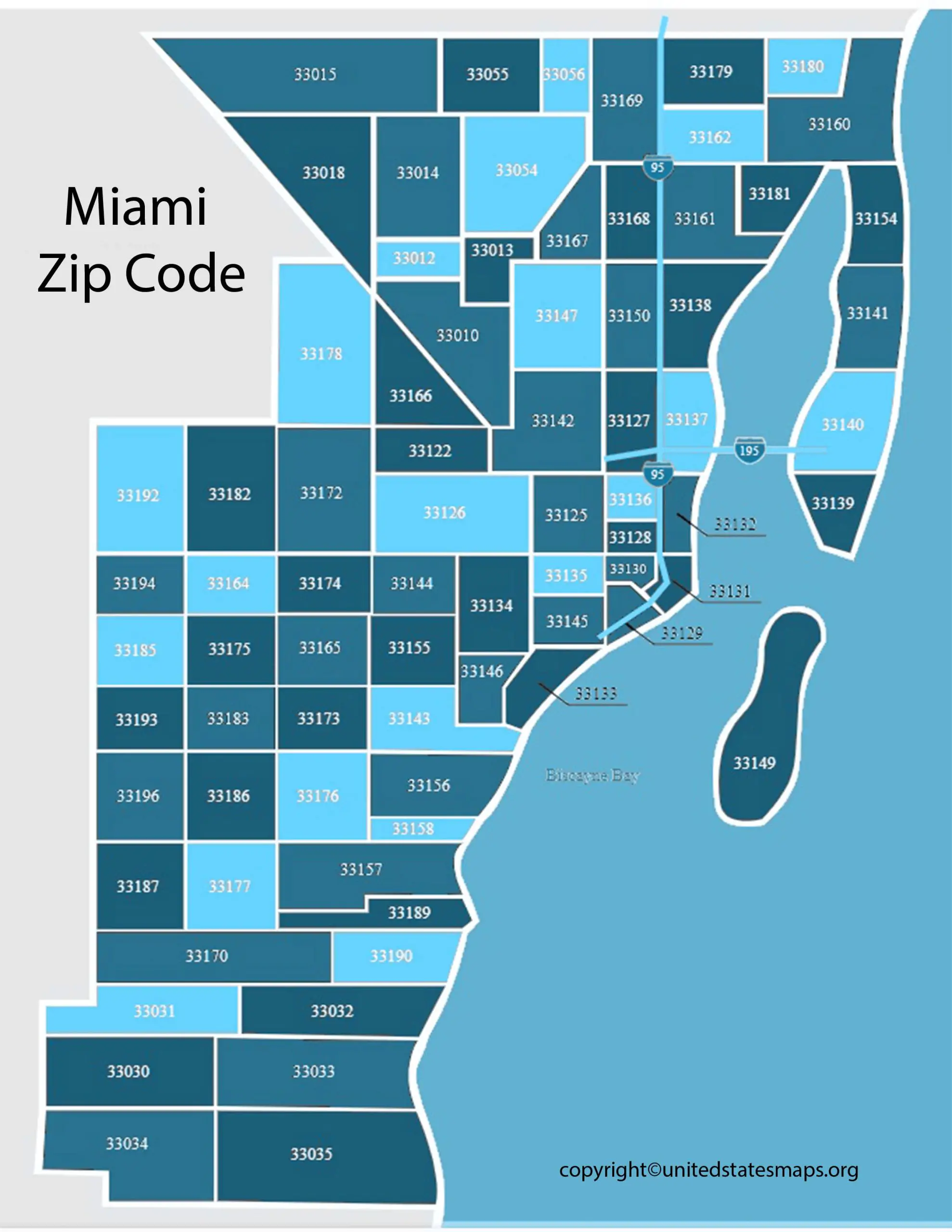
The zip codes of Miami are not merely administrative divisions; they represent distinct lifestyles and living experiences within this dynamic metropolis. From the ultra-luxury of its most affluent enclaves to the vibrant, community-focused neighborhoods, each zip code contributes to the rich mosaic of life in Miami.
Diverse Lifestyles Encapsulated by Zip Codes
Miami caters to a wide spectrum of lifestyles, each finding its niche within its varied zip codes.
-
Luxury Living: The pursuit of luxury is evident across many Miami zip codes. In South Beach (33139), it’s about designer boutiques, celebrity-spotting, and exclusive beach clubs. Brickell (33131) offers urban sophistication with penthouses overlooking the bay and fine dining establishments. Even in areas like Coral Gables (parts of 33133 and 33134), known for its Mediterranean Revival architecture and tree-lined streets, a sense of refined living prevails. For those seeking ultimate exclusivity, Fisher Island (with its own unique zip code, 33109), accessible only by ferry or private boat, represents one of the wealthiest zip codes in the United States.
-
Family-Friendly Zones: While Miami is often perceived as a party destination, it also offers numerous family-friendly environments. Many suburban areas, often found with zip codes further from the immediate coast like parts of Kendall (e.g., 33173, 33176) or Doral (33178), provide excellent schools, spacious homes, and community parks, making them attractive for families looking for a more settled lifestyle. Even within closer proximity to the city, neighborhoods in Coconut Grove (33133) offer a charming, village-like atmosphere with good schools and recreational activities.
-
Budget-Conscious Exploration: While Miami can be an expensive city, it’s still possible to experience its magic on a budget. Exploring neighborhoods that are slightly off the main tourist drag, or looking for accommodation and dining options in areas with more diverse economic profiles, can offer significant savings. Zip codes that might offer more budget-friendly options often lie further from the prime coastal areas, or in neighborhoods undergoing revitalization. Even within popular areas, seeking out guesthouses, hostels, or apartments slightly removed from the most coveted blocks can make a difference.
-
Cultural Hubs: The cultural diversity of Miami is a defining characteristic, and certain zip codes serve as epicenters for specific communities. Little Havana (33135) is the undeniable heart of Cuban culture, while areas like Little Haiti (parts of 33137, 33142) offer vibrant Haitian culture, music, and cuisine. The ongoing influx of residents from across Latin America and the Caribbean means that cultural influences are woven throughout Miami, creating a rich tapestry of traditions, languages, and flavors that can be discovered by exploring different zip codes.
In essence, the question “What is the zip code for Miami?” opens the door to understanding the city’s intricate geography, its diverse offerings, and the varied lifestyles it supports. Whether you’re booking a stay at the Grand Hyatt Hotel, planning a visit to the Vizcaya Museum & Gardens, or simply trying to find the best Cuban coffee, knowing the relevant zip code is an essential tool for unlocking the full Miami experience. It’s a key that helps unlock the city’s many doors, revealing the treasures hidden within each neighborhood and allowing for a more personalized and enriching exploration of this captivating Florida gem.
LifeOutOfTheBox is a participant in the Amazon Services LLC Associates Program, an affiliate advertising program designed to provide a means for sites to earn advertising fees by advertising and linking to Amazon.com. Amazon, the Amazon logo, AmazonSupply, and the AmazonSupply logo are trademarks of Amazon.com, Inc. or its affiliates. As an Amazon Associate we earn affiliate commissions from qualifying purchases.