
Nevada, a state renowned for its shimmering lights, vast deserts, and iconic entertainment hubs, holds a unique and often debated position in American politics: it is consistently a swing state. This designation means that Nevada does not reliably vote for either the Democratic or Republican party, making its electoral votes highly coveted and its political landscape a subject of intense scrutiny during election cycles. But what factors contribute to this political volatility? Is it the transient nature of its population, the unique economic drivers of the state, or a complex interplay of demographics and lifestyle choices?
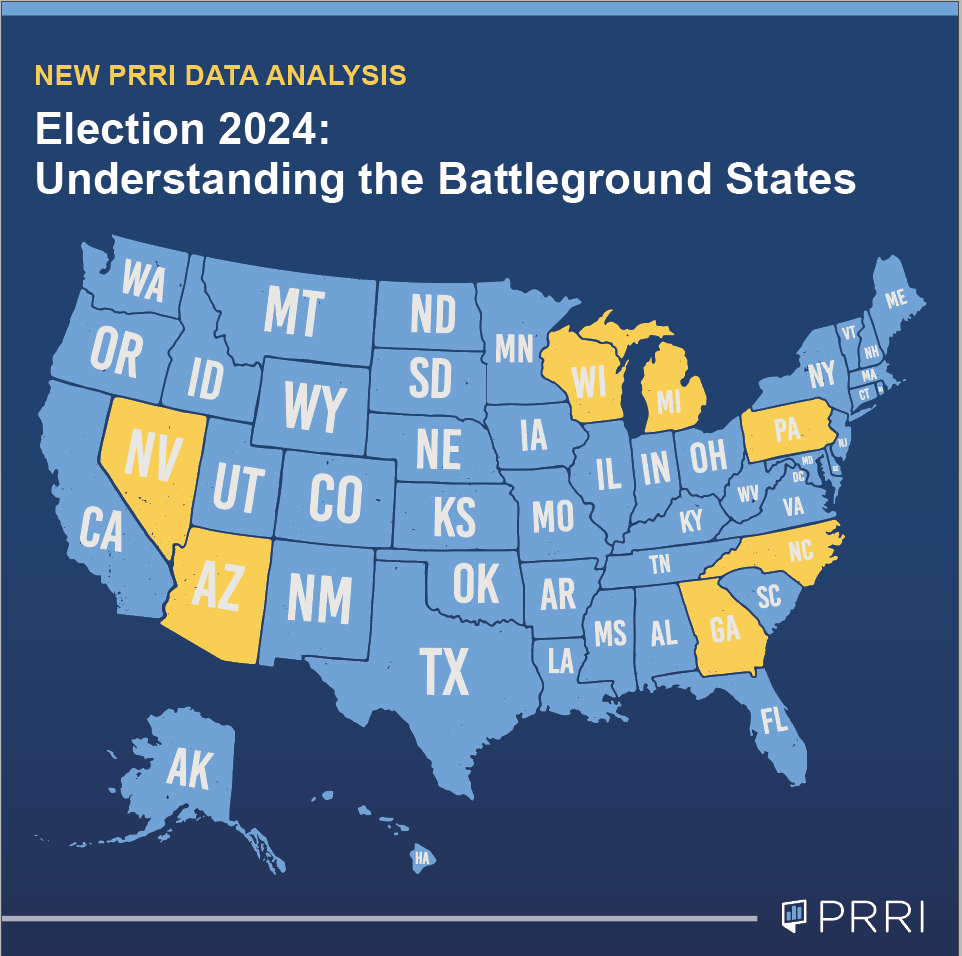
Exploring Nevada through the lens of travel, tourism, accommodation, landmarks, and lifestyle reveals a fascinating tapestry that directly influences its political leanings. The very essence of what draws millions to Nevada, from the dazzling Strip of Las Vegas to the historic mining towns, shapes the perspectives and priorities of its residents. Understanding Nevada as a swing state requires a deep dive into its multifaceted identity, moving beyond the stereotypes to appreciate the diverse communities and the economic forces that bind and sometimes divide them.
The Shifting Sands of Demographics and Destination Appeal
Nevada’s status as a swing state is intrinsically linked to its dynamic demographic profile, a characteristic heavily influenced by its appeal as a top tourist and lifestyle destination. The state’s economy, while bolstered by industries like mining and technology, is profoundly shaped by the constant influx and ebb of people drawn to its entertainment, hospitality, and business opportunities. This makes understanding the demographic shifts as crucial as charting a course through its renowned national parks.
A Magnet for Migrants and Mobile Populations
One of the primary drivers of Nevada’s swing state status is its persistent role as a destination for migration. People from all corners of the United States and beyond are drawn to Nevada for a variety of reasons, often seeking new economic prospects or a different lifestyle. This constant migration means that the state’s electorate is perpetually in flux. Unlike states with more established, long-term resident populations whose political leanings are more deeply entrenched, Nevada’s voter base is continually being reshaped.
Many who arrive in Nevada are seeking employment in the burgeoning hospitality and service industries, which are inextricably tied to the state’s tourism sector. Cities like Las Vegas and Reno are magnets for individuals looking for opportunities in hotels, casinos, restaurants, and entertainment venues. These jobs, while providing a livelihood, often come with varying levels of economic security and a unique set of concerns that can influence voting patterns. The transient nature of some of these populations, who may move to Nevada for a specific job or period, also contributes to a less predictable voting bloc.
Furthermore, Nevada is a popular retirement destination, attracting seniors who may bring their established political views with them. However, these retirees often find themselves integrated into communities that also include younger families, working professionals, and individuals in the gig economy, creating a rich, albeit sometimes conflicting, blend of perspectives. This constant renewal of the electorate prevents the solidification of any single political ideology, keeping the state within the swing state category. The diversity of backgrounds and motivations for choosing Nevada as a home means that no single issue or party platform can universally appeal to its entire population.
The Economic Engine: Tourism, Entertainment, and Beyond
The economic bedrock of Nevada is undeniably its robust tourism and entertainment industry. From the world-famous casinos of Las Vegas to the burgeoning tech scene in Reno, the state’s economic health is deeply intertwined with the fortunes of these sectors. This economic model has a profound impact on the political landscape, as residents and policymakers are acutely aware of how economic policies affect jobs, businesses, and the overall prosperity of the state.
The hospitality sector, a major employer, is sensitive to fluctuations in consumer spending, economic downturns, and even global events. Employees in this industry, ranging from hotel staff and casino dealers to performers and restaurant workers, often have concerns that differ from those in more traditional manufacturing or agricultural economies. Issues like minimum wage, workers’ rights, and the impact of economic policies on tourism can be particularly potent in shaping their political engagement.
Beyond the glitz of Las Vegas, Nevada’s economy is also diversifying. The growth of sectors like renewable energy, logistics, and technology, particularly in areas like Reno with its proximity to California, brings new demographics and different economic priorities into the mix. These newer industries may attract a different type of workforce with distinct concerns regarding innovation, regulation, and workforce development.
The significant presence of large resorts and entertainment complexes, such as the Bellagio or the Caesars Palace, not only defines the tourist experience but also influences local economies and employment. The policies that govern these massive enterprises – from taxation and regulation to labor practices – are of direct concern to a significant portion of the Nevada population. This economic reliance on sectors that are inherently outward-looking and susceptible to national and global trends ensures that Nevada remains a receptive audience for a wide range of political ideologies, rather than being locked into one.
Diverse Lifestyles and Geographic Influences
Nevada’s identity as a swing state is also shaped by the diverse lifestyles embraced by its residents and the distinct geographical characteristics that define its various regions. From the bustling urban centers to the vast, open landscapes, the state presents a mosaic of living experiences that translate into varied political priorities.
Urban Hubs vs. Rural Realities
Nevada is often broadly characterized by its two major metropolitan areas: Las Vegas and Reno. These urban centers are the engines of economic growth and cultural diversity, attracting a significant portion of the state’s population. In Las Vegas, the concentration of jobs in hospitality, entertainment, and related services creates a workforce with specific needs and concerns. The focus here often gravitates towards issues of economic opportunity, social services, and the regulation of the powerful gaming and tourism industries. The density of population and the diversity of its inhabitants contribute to a more complex political calculus, where progressive and conservative viewpoints often find significant traction.
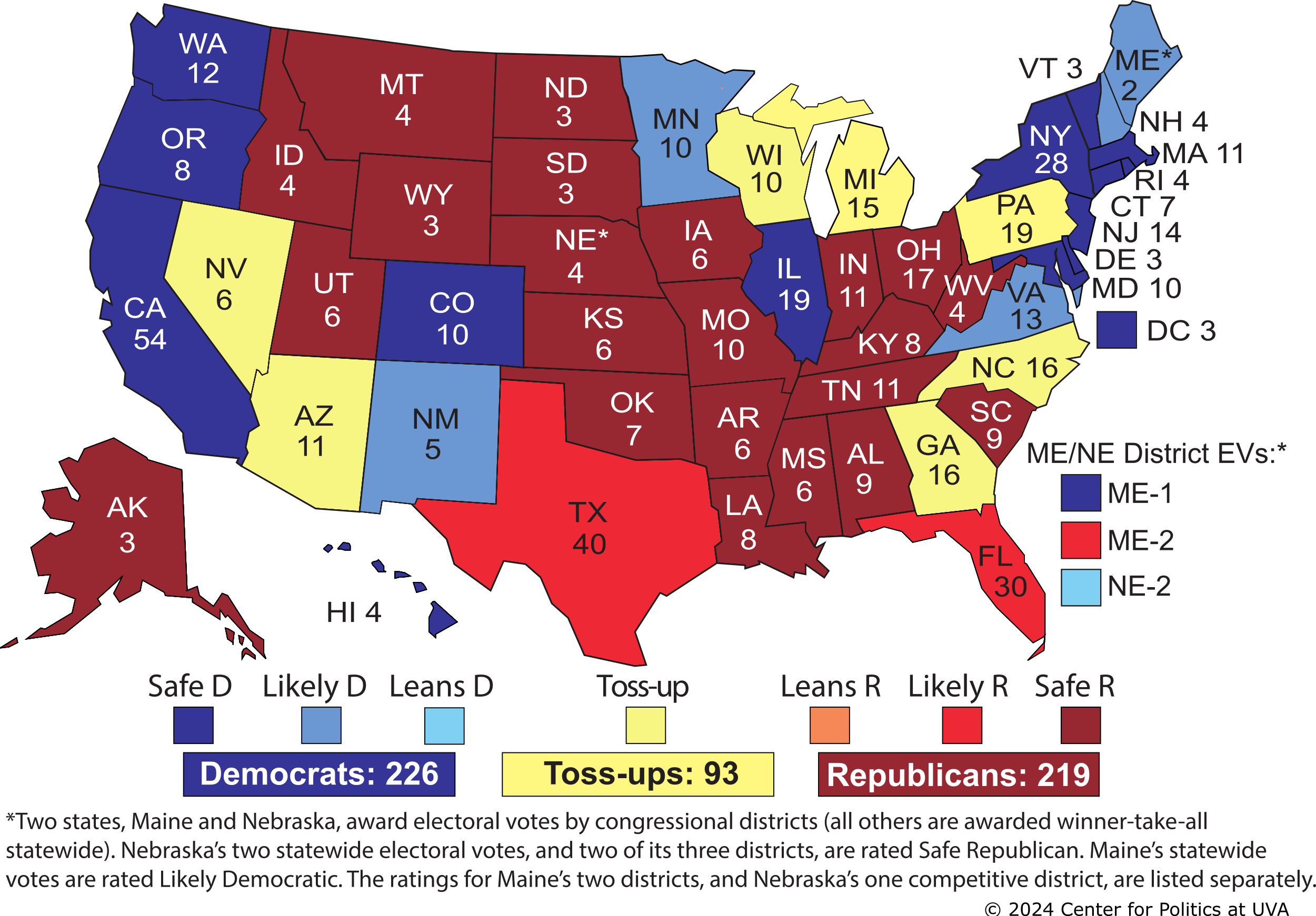
Reno, while smaller than Las Vegas, is experiencing its own boom, particularly in the tech sector. This has attracted a different demographic, often younger and more educated, with priorities that may align with issues of innovation, environmental sustainability, and urban development. The proximity to California also influences its cultural and political leanings, making it a distinct political entity within the state.
Contrast this with the vast rural areas of Nevada, which constitute a significant portion of its geographical expanse. These regions are often characterized by their reliance on traditional industries like mining, agriculture, and ranching, as well as a strong sense of independence and self-reliance. Residents in these areas may prioritize issues such as land use, water rights, federal land management policies, and the economic vitality of small towns. The political perspectives here can be more conservative, deeply rooted in traditional values and a distrust of centralized government intervention.
The stark contrast between these urban and rural realities means that no single political message can resonate universally across the state. Campaigns must carefully craft their strategies to appeal to the distinct concerns and values of each region, highlighting the need for a nuanced approach that acknowledges the diverse fabric of Nevada. The existence of these distinct political subcultures within the same state is a fundamental reason for its swing state status.
The Influence of Lifestyle Choices and Leisure Activities
Nevada’s identity is inextricably linked to leisure and lifestyle, from the adrenaline-fueled experiences of its entertainment capitals to the serene natural beauty of its landscapes. These lifestyle choices significantly influence the political outlook of its residents. The state offers a wide spectrum of experiences, catering to those who seek luxury resorts, adventurous outdoor activities, or family-friendly attractions.
For many, Nevada represents a destination for escape and indulgence. The allure of world-class hotels like the Wynn Las Vegas or the Aria Resort & Casino, renowned restaurants, and vibrant nightlife creates a culture that is often more focused on personal freedom and economic opportunity. Those who work in or benefit from this industry may favor policies that support its continued growth and accessibility.
However, Nevada is also a state of immense natural beauty and outdoor adventure. Destinations like Lake Tahoe, Valley of Fire State Park, and the Great Basin National Park attract hikers, skiers, campers, and nature enthusiasts. These individuals often have a strong interest in environmental conservation, land management, and the preservation of natural resources. Their concerns might lean towards policies that protect these pristine areas from development or exploitation, sometimes creating a tension with economic development interests.
The rise of budget travel and the search for unique, authentic experiences also plays a role. Tourists and residents alike seek value and authenticity, whether in a luxurious suite or a charming local eatery. This desire for a balanced lifestyle, where economic realities meet personal preferences, means that political platforms that address issues of affordability, access to services, and quality of life are likely to resonate broadly. The ability of candidates to connect with these varied lifestyle aspirations, whether through promoting economic growth that funds these pursuits or advocating for the preservation of the natural spaces that enable them, is critical in a swing state. The very freedoms that many associate with living in or visiting Nevada – the freedom to enjoy its vibrant nightlife, its vast wilderness, or simply its unique way of life – are often reflected in their voting preferences.
The Political Landscape: A Balancing Act
Nevada’s position as a swing state is not a static phenomenon but a dynamic reflection of its evolving population, diverse economy, and varied lifestyle appeals. The political parties and candidates who vie for its electoral votes understand that success hinges on their ability to navigate this complexity, appealing to a broad spectrum of voters without alienating key constituencies.
A Battleground for Centrist Appeal
The defining characteristic of a swing state is its susceptibility to persuasion by candidates from both major parties. In Nevada, this often translates into a need for candidates to adopt more centrist positions. Extreme ideologies, while they may excite a passionate base, often struggle to win over the undecided voters who are crucial in a state like this. Political campaigns in Nevada are therefore often characterized by a careful balancing act, emphasizing themes that can unite rather than divide.
Candidates must demonstrate an understanding of the economic anxieties of service industry workers, the entrepreneurial spirit of new business owners, and the environmental concerns of outdoor enthusiasts. They must also acknowledge the diverse cultural backgrounds of Nevada’s residents, many of whom have migrated from different states and bring with them varying political traditions. This requires a nuanced messaging strategy that can adapt to different audiences and regions within the state. For instance, a message that resonates with voters in the more traditional communities of northern Nevada might need to be rephrased or supplemented with different points to connect with the more cosmopolitan and rapidly changing electorate of southern Nevada.
The relatively young age of the electorate in some key demographic groups, influenced by the transient nature of the population and the draw for younger workers, also plays a role. These voters may be less tied to traditional party allegiances and more open to new ideas and candidates who can articulate a vision for the future that addresses their concerns about education, job opportunities, and social progress.
The Role of Key Issues and Voter Priorities
Understanding what issues motivate Nevada voters is paramount for any political aspirant. While broad national issues like the economy, healthcare, and immigration are always present, their salience can shift based on the specific circumstances facing the state. For example, the economic health of the tourism industry is a perennial concern, as is the impact of any federal or state policies on job creation and consumer spending.
Environmental issues, particularly those related to water rights and land use in a state that is largely arid, can also be significant. The future of public lands, the development of renewable energy sources, and the responsible management of natural resources are topics that can stir strong opinions among diverse groups of voters.
Furthermore, the unique character of Nevada as a hub for entertainment and a destination for leisure means that issues related to the regulatory environment for businesses, labor laws, and the impact of tourism on local communities are always on the table. Candidates who can offer practical solutions and demonstrate a genuine understanding of these sector-specific challenges are likely to gain an advantage.
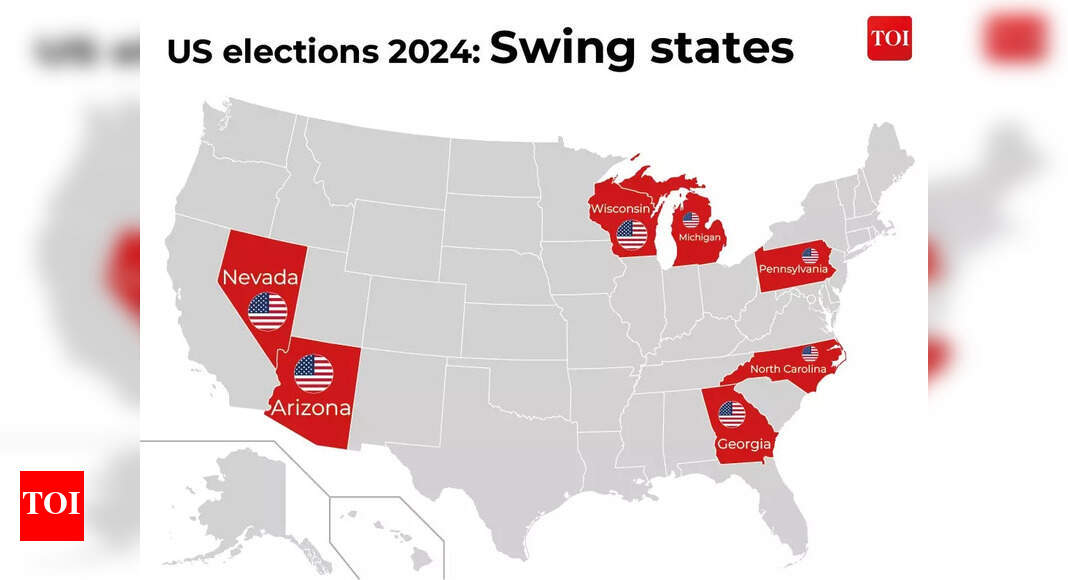
The constant need to appeal to a broad coalition of voters, rather than relying on a predetermined party stronghold, makes Nevada a perennial battleground. Its swing state status is a testament to its diverse population, its dynamic economy, and the ability of its residents to consider a wide range of perspectives when casting their ballots. This makes Nevada not just a political puzzle but a vibrant example of how varied interests and lifestyles can shape a state’s political destiny.
LifeOutOfTheBox is a participant in the Amazon Services LLC Associates Program, an affiliate advertising program designed to provide a means for sites to earn advertising fees by advertising and linking to Amazon.com. Amazon, the Amazon logo, AmazonSupply, and the AmazonSupply logo are trademarks of Amazon.com, Inc. or its affiliates. As an Amazon Associate we earn affiliate commissions from qualifying purchases.