
California, a state synonymous with innovation, glamour, and breathtaking natural beauty, operates under a single time zone, but one that experiences a significant annual shift. For travelers, business professionals, and residents alike, understanding the nuances of California’s time difference is crucial for seamless planning, communication, and enjoyment. From coordinating travel itineraries and hotel bookings to managing jet lag and maximizing sightseeing adventures, knowing how Pacific Standard Time (PST) and Pacific Daylight Time (PDT) impact your experience is paramount. This guide delves into the specifics of California’s time zone, its implications for various aspects of travel and lifestyle, and provides practical tips for navigating these differences effectively.
Understanding California’s Time Zone: PST and PDT
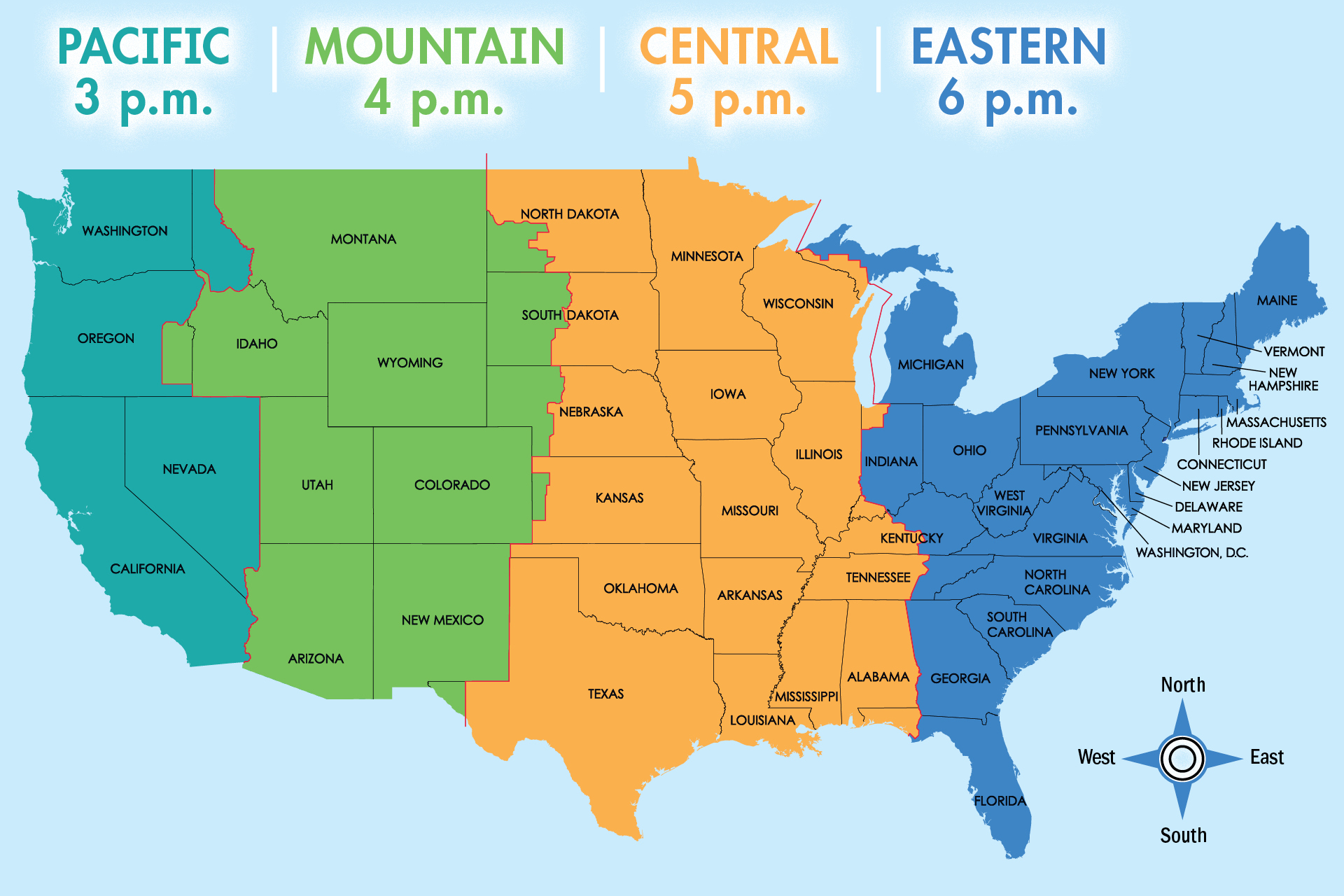
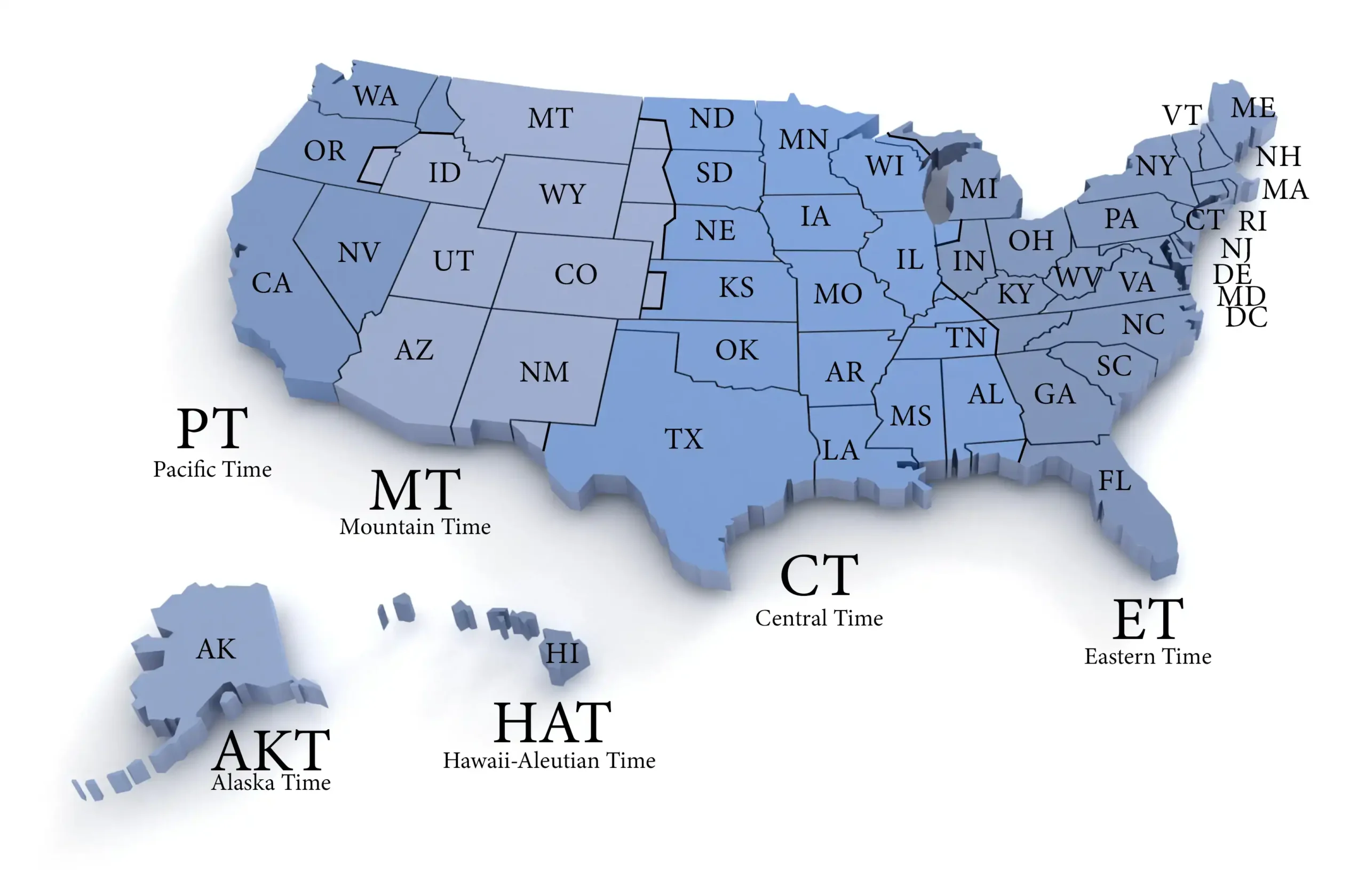
At its core, California adheres to the Pacific Time Zone, which is observed across the westernmost United States, parts of Canada, and Mexico. However, the critical distinction lies in the annual transition between Pacific Standard Time (PST) and Pacific Daylight Time (PDT), a practice commonly known as Daylight Saving Time. This shift means that the local time in California is not constant throughout the year, but rather adjusts to make better use of natural daylight.
The Basics of Pacific Standard Time (PST)
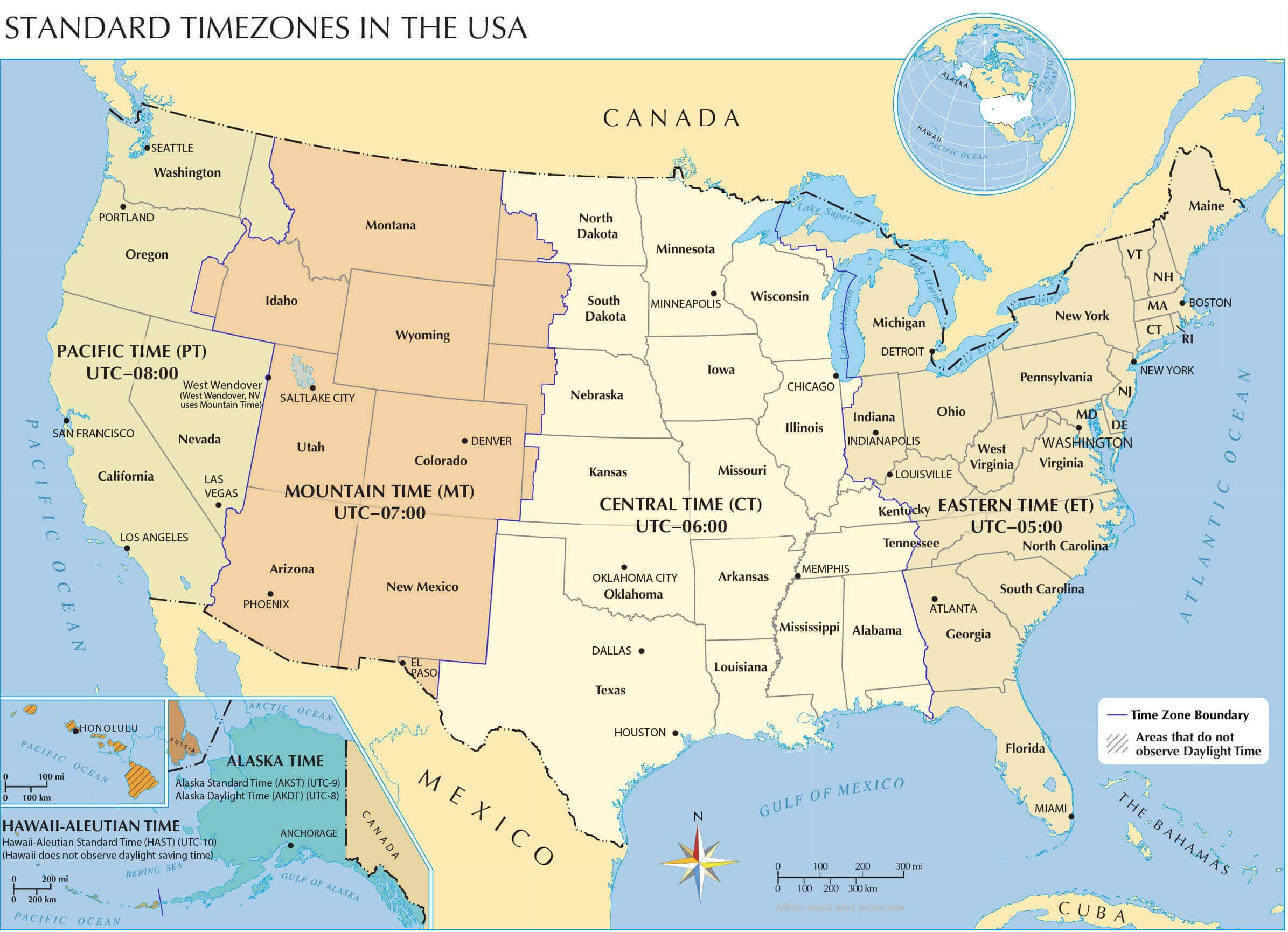
Pacific Standard Time (PST) is the standard offset from Coordinated Universal Time (UTC) for the Pacific Time Zone. Specifically, PST is UTC-8. This means that when it is noon UTC, it is 4 AM in California during the PST period. This phase typically lasts through the fall and winter months, commencing on the first Sunday of November and concluding on the second Sunday of March. During these months, the sun sets earlier, and the mornings are brighter, which aligns with traditional work and school schedules. Major cities like Los Angeles, San Francisco, San Diego, and Sacramento all operate under PST during this period, affecting everything from flight schedules to prime time television viewing for residents. Travelers planning to visit Yosemite National Park or explore the vineyards of Napa Valley during these months will experience the shorter daylight hours characteristic of PST.
Embracing Pacific Daylight Time (PDT)
As spring approaches, California, along with much of the United States, transitions to Pacific Daylight Time (PDT). This change involves advancing clocks by one hour, effectively moving the time offset to UTC-7. This shift “springs forward” on the second Sunday in March and “falls back” to PST on the first Sunday in November. The primary purpose of Daylight Saving Time is to make better use of daylight, providing an extra hour of daylight in the evening during warmer months. For tourists, this means more time to enjoy outdoor attractions like the Golden Gate Bridge at sunset, extended hours at Disneyland Resort, or leisurely strolls along the Santa Monica Pier. For residents, it means longer evenings for recreation, outdoor dining, and leisure activities. The period of PDT perfectly complements California’s vibrant summer tourism season, allowing for extended enjoyment of its beaches, parks, and urban attractions.
Geographic Extent within California
One of the less complicated aspects of California’s time zone is its uniformity across the state. Unlike some other large states in the United States that span multiple time zones, the entirety of California observes the Pacific Time Zone. This means whether you’re in northern California exploring Redwood National Park, working in Silicon Valley, enjoying the desert landscapes of Palm Springs, or vacationing in San Diego, your clock will always show the same local time. This simplifies logistics considerably for travel within the state, eliminating the need to adjust watches or consider internal time changes when moving between Los Angeles and San Francisco, or even from the coast to the San Joaquin Valley or Death Valley National Park. The consistent time zone across such a vast and diverse geographical area is a convenient feature for both residents and visitors.
Navigating Time Differences for Travel and Tourism
For anyone traveling to or from California, understanding the time difference from their point of origin or destination is fundamental. This applies whether you’re coming from another state in the United States or from an international location across the Pacific Ocean. The impact extends beyond simply knowing what time it is; it influences everything from booking flights and coordinating meetings to combating jet lag and maximizing your vacation time.
Planning Your California Itinerary from Afar
When planning a trip to California, particularly from regions outside the Pacific Time Zone, the time difference becomes a crucial factor. For instance, travelers from the East Coast (Eastern Time Zone) will experience a three-hour difference (e.g., 10 AM in New York City is 7 AM in Los Angeles). From the Central Time Zone (e.g., Chicago), it’s a two-hour difference, and from the Mountain Time Zone (e.g., Denver), it’s a one-hour difference. International travelers, especially from Europe or Asia, face even more substantial time changes, potentially a 9-12 hour difference or more. This necessitates careful planning for arrival times, connecting flights, and initial activities upon landing. Booking tours, restaurant reservations, or tickets for attractions like Universal Studios Hollywood or Alcatraz Island should always be done with the local California time in mind, considering the season (PST or PDT) of your visit. Double-checking event start times and attraction operating hours against your home time zone can prevent missed opportunities and wasted efforts.
Mitigating Jet Lag for a Smoother Experience
One of the most immediate and challenging effects of a significant time difference is jet lag. Traveling across multiple time zones disrupts your body’s natural circadian rhythm, leading to fatigue, disorientation, and difficulty sleeping. When flying west to California, your body’s clock will be ahead of the local time, often making you feel awake when you should be sleeping and sleepy during the day. Conversely, flying east from California can make you feel sleepy earlier than desired. To mitigate jet lag, gradual adjustment prior to travel can be helpful, slowly shifting your sleep schedule. Once in California, exposing yourself to natural light during the day, staying hydrated, avoiding excessive caffeine and alcohol, and trying to adapt to the local sleep schedule as quickly as possible are effective strategies. For example, if you land in Los Angeles in the morning after an overnight flight from the East Coast, resist the urge to nap immediately; instead, explore the city and go to bed at a reasonable local hour. This approach will allow you to quickly adapt and fully enjoy your visit to iconic places like the Hollywood Walk of Fame or the serene beauty of Big Sur.
Coordinating with Local Attractions and Services
The time difference also plays a vital role in day-to-day coordination once you’re in California. Many tourist attractions, especially popular ones such as Knott’s Berry Farm in Anaheim or the Aquarium of the Pacific in Long Beach, have specific operating hours that change seasonally and are strictly enforced. Knowing whether it’s PST or PDT will dictate the true opening and closing times. Furthermore, if you need to contact family, friends, or business associates in different time zones, you’ll constantly be calculating the time difference. This is particularly relevant for those on working vacations or combining leisure with remote work. For example, a business call scheduled for 9 AM Eastern Time Zone would be at 6 AM Pacific Time Zone, requiring an early start. Conversely, a 5 PM meeting in California would already be past working hours for someone on the East Coast. These considerations are essential for managing your itinerary, avoiding miscommunications, and ensuring your California experience is as smooth and stress-free as possible.
The Impact of Time Zones on Accommodation and Lifestyle
Beyond immediate travel planning, California’s time zone influences broader aspects of accommodation and the local lifestyle. From the practicalities of booking hotels and managing check-in/check-out times to the larger implications for daily routines, business operations, and even social interactions, the rhythm of PST and PDT shapes the California experience in profound ways.
Booking Hotels and Managing Check-ins
Accommodation planning is inherently tied to time zones. When booking a hotel, resort, apartment, or villa in California, all listed check-in and check-out times will be in local California time. This might seem obvious, but it’s a common point of confusion for travelers arriving from distant time zones, especially after long flights. For instance, if your flight lands in San Francisco early in the morning, but your hotel’s check-in isn’t until 3 PM local time, you’ll need to factor in several hours of waiting or arrange for early check-in, if available. Conversely, a late check-out might allow you more time if your departing flight is scheduled for the evening in California but is considered an early morning departure from your perspective. Websites and booking platforms generally display times in the local time of the property, but a quick mental calculation, especially during the Daylight Saving Time transition periods, can prevent misunderstandings. Properties near major attractions like the Hollywood Regency Resort or The Pacific Coast Hotel in Santa Monica are well-versed in assisting guests with time-related queries, but proactive planning on your part will make your stay smoother.
Work, Life, and Communication Across Time Zones
For California residents, particularly those engaged in business or with family across the United States or internationally, managing time differences is a daily reality. Remote work has amplified this, with many California-based professionals collaborating with teams in the Eastern Time Zone or even across the Pacific Rim. This often means early morning calls for those on the west coast and late evening meetings for those interacting with Europe or Asia. Socially, coordinating family video calls or catching live sporting events can also require mental gymnastics. The impact on lifestyle is significant, influencing when people schedule their workouts, commute, or leisure activities to accommodate these external time commitments. For travelers mixing business with pleasure, understanding these dynamics ensures they can stay connected without sacrificing their vacation experience. Cities like San Jose and Oakland, at the heart of the tech industry, are particularly adept at navigating these global time differences.
Enjoying California’s Landmarks and Activities Timed Perfectly
The time of day in California dictates the best time to experience its myriad landmarks and activities. For instance, visiting the Golden Gate Bridge or Fisherman’s Wharf in San Francisco in the morning can often mean fewer crowds. Sunrise hikes in Griffith Observatory offer spectacular views of the Hollywood Sign and the Los Angeles basin, while evening visits to places like Universal City or downtown San Diego come alive with entertainment and dining options. Understanding the seasonal shift between PST and PDT is key to maximizing daylight for outdoor activities, whether it’s surfing in Malibu, wine tasting in Napa Valley, or exploring the historic sites of Monterey and Carmel-by-the-Sea. During PDT, the longer evenings are perfect for extended beach days or enjoying theme parks like Six Flags Magic Mountain. When planning visits to natural wonders like Sequoia National Park, Kings Canyon National Park, or Joshua Tree National Park, aligning your schedule with sunrise and sunset times (which vary with PST/PDT) will enhance the experience. Even simply enjoying the vibrant nightlife in Hollywood, Beverly Hills, or West Hollywood means understanding that local “late night” might feel different depending on your internal clock.
Practical Tips for Managing Time Differences in California
Successfully navigating the time difference in California requires a blend of preparation and flexibility. By implementing a few key strategies, you can minimize potential disruptions and fully immerse yourself in all that the Golden State has to offer, from its bustling cities to its tranquil natural landscapes.
Before You Go: Preparation is Key
Prior to your arrival in California, especially if you are traveling a significant distance, proactive planning can make a world of difference.
- Check the Current Time Zone: Always confirm whether California is observing Pacific Standard Time (PST) or Pacific Daylight Time (PDT) for your travel dates. The shift occurs on the second Sunday in March and the first Sunday in November. A quick online search for “current time in California” will provide this information.
- Adjust Your Schedule Gradually: If possible, begin shifting your sleep schedule by 15-30 minutes each day a few days before your trip. Moving your bedtime and wake-up time closer to California’s local time can ease the transition.
- Plan Your Arrival Wisely: If you can choose your flight times, consider arriving in California in the late afternoon or early evening. This allows you to head straight to your accommodation, have dinner, and then go to sleep at a reasonable local hour, helping to reset your body clock more quickly.
- Communicate with Contacts: Inform anyone you plan to meet or communicate with (family, friends, business associates) about your travel plans and the time difference. Use tools like world clock apps to easily keep track of multiple time zones.
- Pre-book Key Activities: For popular attractions like Disneyland Resort, Universal Studios Hollywood, or tours of Alcatraz Island, pre-book your tickets and confirm start times in California local time. This prevents confusion upon arrival.
During Your Stay: Maximizing Your California Experience
Once you’ve arrived, focus on adapting to the local rhythm as quickly as possible to make the most of your trip.
- Set Your Clock Immediately: Upon arrival, adjust all your devices (phone, watch) to California’s local time. Mentally commit to operating on this new schedule.
- Embrace Natural Light: Seek out sunlight, especially in the mornings. This helps regulate your circadian rhythm. Go for a walk along the Santa Monica Pier, visit Balboa Park in San Diego, or simply enjoy breakfast outdoors in Palm Springs.
- Stay Hydrated and Eat Well: Dehydration can exacerbate jet lag symptoms. Drink plenty of water and try to eat balanced meals at local meal times. Avoid heavy meals close to bedtime.
- Limit Caffeine and Alcohol: While tempting for a quick boost or relaxation, excessive caffeine or alcohol can disrupt sleep patterns and worsen jet lag.
- Plan Active Days: Engage in activities during the day to stay awake and energized. Explore La Jolla’s beaches, hike in Yosemite National Park, or wander through Pier 39 and Lombard Street in San Francisco.
- Listen to Your Body, But Gently Push: While it’s important to be kind to yourself, try to stick to local bedtimes and wake-up times. If you need a nap, keep it short (20-30 minutes) and early in the afternoon.
- Leverage Extended Daylight (PDT): If visiting during Pacific Daylight Time, take advantage of the longer evenings. This is perfect for enjoying sunsets over the Pacific Ocean from Santa Barbara, visiting Hearst Castle for late tours, or experiencing the vibrant dining scenes in Los Angeles and San Francisco.
- Consider Special Events: If you’re attending a specific event like New Year’s Eve celebrations, be aware of how the time change might affect coordinating with others in different time zones. Celebrating at midnight in California will be significantly later for friends and family back home.
By keeping these points in mind, your visit to California will be much more enjoyable, allowing you to fully appreciate its diverse attractions and experiences without the added stress of time zone confusion. The Golden State awaits, perfectly timed for your adventure.
LifeOutOfTheBox is a participant in the Amazon Services LLC Associates Program, an affiliate advertising program designed to provide a means for sites to earn advertising fees by advertising and linking to Amazon.com. Amazon, the Amazon logo, AmazonSupply, and the AmazonSupply logo are trademarks of Amazon.com, Inc. or its affiliates. As an Amazon Associate we earn affiliate commissions from qualifying purchases.