
The Temporal Pulse of the Windy City
The question “What is time in Chicago, Illinois?” transcends the mere identification of a specific hour. In the context of Chicago, it encompasses a dynamic interplay of historical rhythms, architectural grandeur, cultural vibrancy, and the ever-present hum of a major metropolitan center. Understanding time in Chicago means appreciating the temporal layers that have shaped its identity, from its indigenous roots to its modern-day status as a global hub. This exploration delves into the unique temporal characteristics that define Chicago, considering its official time zone, its historical development, and the sensory experiences that punctuate the daily and yearly cycles of life in the Windy City.

Central Time: The Official Ticking Clock
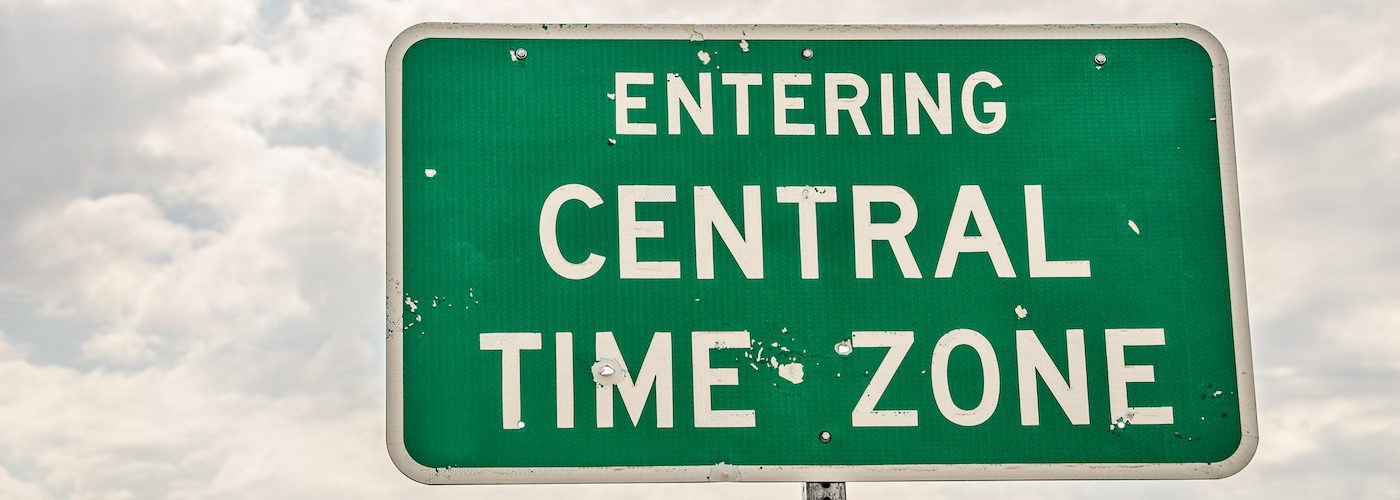
At its most fundamental level, time in Chicago is dictated by its geographical location within the Central Time Zone. This officially places the city in Central Standard Time (CST), which is UTC-6, and Central Daylight Time (CDT) during warmer months, which is UTC-5. This adherence to a standardized temporal framework is crucial for coordinating activities, from business operations and transportation schedules to broadcasting and international communication. The transition between standard and daylight saving time, a practice observed across much of North America, marks a subtle yet significant shift in the rhythm of daily life. The extra hour of daylight in the evenings during CDT can influence outdoor activities, dining habits, and the general pace of the city. For visitors and residents alike, understanding this temporal framework is the first step in navigating Chicago’s daily operations.
The Rationale Behind Central Time
The establishment of the Central Time Zone, and by extension, its adoption by Chicago, was a product of the late 19th century’s need for standardized timekeeping. Before the advent of standardized time zones, each town and city kept its own local mean solar time, leading to considerable confusion for railways and long-distance communication. The implementation of standardized time zones, championed by figures like William Frederick Allen, brought order to this temporal chaos. Chicago, as a burgeoning railway hub, was an early adopter and proponent of this new system, recognizing its importance for efficient commerce and travel.
Historical Echoes: Time as a Narrative
Beyond the clock’s relentless march, time in Chicago is imbued with historical significance. The city’s trajectory from a small settlement on the shores of Lake Michigan to a global metropolis is a narrative shaped by pivotal moments and the passage of eras.
The Great Chicago Fire and Rebirth
Perhaps no single event has so profoundly marked the temporal landscape of Chicago as the Great Chicago Fire of 1871. This catastrophic event, which raged for three days, destroyed vast swathes of the city, including its commercial center and a significant portion of its housing. However, the fire also served as a catalyst for an unprecedented period of rebuilding and innovation. The time immediately following the fire, and the decades that ensued, became a testament to the city’s resilience and forward-thinking spirit. This era witnessed the rise of pioneering architectural styles, the development of the modern skyscraper, and the establishment of Chicago as a leader in industry and culture. The memory of the fire, and the subsequent era of reconstruction, remains a significant temporal marker, reminding observers of the city’s ability to overcome adversity and reinvent itself.
The Gilded Age and Progressive Era
The late 19th and early 20th centuries represent a golden period in Chicago’s history, often referred to as the Gilded Age and the Progressive Era. This was a time of immense economic growth, rapid industrialization, and significant social change. It was also a period that saw the construction of many of Chicago’s iconic landmarks, including the Art Institute of Chicago and the Field Museum. The architectural marvels and cultural institutions born during this era continue to define the city’s temporal character, offering glimpses into the ambitions and aspirations of a bygone age. The legacy of these times is palpable in the city’s streetscapes and cultural offerings, inviting exploration and reflection on the historical forces that shaped Chicago.
The Mid-20th Century Transformation
The mid-20th century brought further transformations to Chicago. Post-World War II, the city experienced a period of significant urban development and modernization. This era saw the construction of the Cobb-designed Main Branch of the Chicago Public Library and the emergence of new architectural styles that characterized the modern urban landscape. The city’s identity as a center of jazz and blues music also flourished during this period, contributing to its rich cultural tapestry. These decades are etched into the city’s physical and cultural memory, influencing its contemporary identity.
Experiencing Time: Rhythms of the City
The way time is experienced in Chicago is also dictated by its unique cultural and environmental rhythms. The city’s seasons, its vibrant event calendar, and the daily ebb and flow of its inhabitants all contribute to a distinct temporal sensation.
Seasonal Cycles and Their Impact
Chicago’s four distinct seasons profoundly influence how time is perceived and lived.
- Spring: The arrival of spring is met with palpable relief and renewed energy. As the ice melts on Lake Michigan and temperatures rise, residents emerge from their winter hibernation. Parks come alive, outdoor cafes begin to bustle, and the city embraces its newfound warmth. This period is marked by a sense of awakening and anticipation.
- Summer: Summer in Chicago is often described as a peak temporal experience. The city is vibrant, with a packed schedule of festivals, concerts, and outdoor activities. From Lollapalooza and the Taste of Chicago to countless neighborhood block parties, the summer months are a whirlwind of communal celebration. Long daylight hours encourage late-night strolls along the lakefront and al fresco dining, making time feel both expansive and fleeting.
- Autumn: As summer fades, autumn descends with a crisp beauty. The leaves in Lincoln Park and Grant Park turn to brilliant hues of red and gold, creating a picturesque backdrop for the city’s cultural attractions. This season often feels like a time for reflection and a return to more indoor pursuits, with the opening of new theater productions and the start of the Chicago Bears football season.
- Winter: Winter in Chicago is characterized by its stark beauty and the embrace of cozy indoor activities. While the cold and snow can slow the pace of outdoor life, the city remains animated with holiday markets, ice skating rinks, and a thriving culinary scene. Time during winter can feel more introspective, with a greater emphasis on warmth, community, and the anticipation of spring’s return.
The Daily Tempo of Urban Life
The daily tempo of Chicago is a testament to its status as a major urban center. The morning commute, a synchronized surge of people heading to work, is a powerful temporal marker. The midday lull, followed by the afternoon rush, creates a predictable rhythm. As the sun sets, the city transforms, with the glow of lights signaling the start of evening activities, from world-class dining in neighborhoods like West Loop to performances at the Broadway in Chicago theaters.
Cultural Calendars and Special Occasions
Beyond the daily and seasonal cycles, Chicago is defined by its rich cultural calendar. Events such as the annual Chicago Marathon, the Magnificent Mile Lights Festival, and various art fairs punctuate the year, drawing both locals and visitors. These recurring celebrations create temporal anchors, marking the passage of time and providing opportunities for shared experiences. The city’s diverse ethnic communities also contribute to a vibrant tapestry of festivals and observances throughout the year, each with its own unique temporal cadence.
Navigating Chicago Time: A Visitor’s Perspective
For visitors, understanding “time in Chicago” involves more than just checking a watch. It’s about immersing oneself in the city’s unique temporal character, appreciating its historical depth, and embracing its dynamic rhythms. Whether attending a baseball game at Wrigley Field, marveling at the architecture on a Chicago Architecture Foundation boat tour, or savoring a deep-dish pizza, each experience contributes to a personal temporal narrative within the grander story of Chicago. The city invites you to slow down and absorb its moments, to understand that time here is not just a measurement, but a living, breathing entity shaped by history, culture, and the enduring spirit of its people.
LifeOutOfTheBox is a participant in the Amazon Services LLC Associates Program, an affiliate advertising program designed to provide a means for sites to earn advertising fees by advertising and linking to Amazon.com. Amazon, the Amazon logo, AmazonSupply, and the AmazonSupply logo are trademarks of Amazon.com, Inc. or its affiliates. As an Amazon Associate we earn affiliate commissions from qualifying purchases.