
Understanding financial assistance programs is crucial for many residents of California, particularly those navigating the complexities of meeting basic needs. Among the most significant forms of support available is cash aid, often referred to as Temporary Assistance for Needy Families (TANF) at the federal level, but administered and sometimes expanded upon by individual states. In California, this assistance plays a vital role in bridging income gaps for low-income families. A primary determinant of eligibility for such programs is the income limit. This article delves into the specifics of the income limitations for cash aid in California, exploring how they are calculated, who they affect, and the broader context of these essential public services.
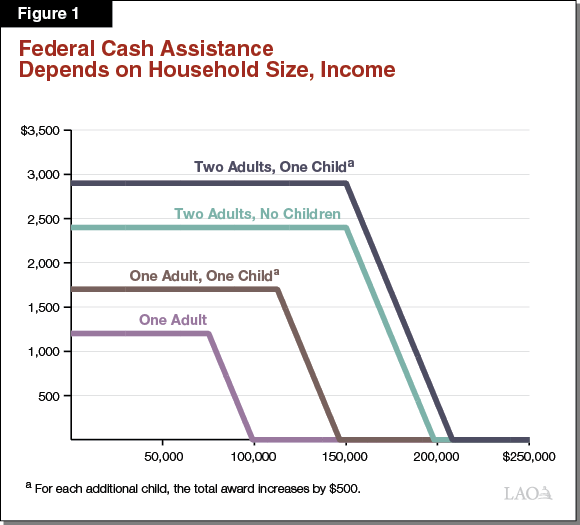
Understanding California’s Cash Aid Program: CalWORKs
The primary cash assistance program in California for families with children is known as the California Work Opportunity and Responsibility to Kids (CalWORKs) program. This program is designed to provide temporary financial assistance and support services to eligible families while encouraging employment and self-sufficiency. It’s a cornerstone of the state’s social safety net, aiming to prevent deep poverty and foster a stable environment for children.
Eligibility Criteria Beyond Income
While income is a critical factor, it’s important to note that CalWORKs eligibility is multifaceted. Several other criteria must be met for a family to qualify for benefits:
- Family Composition: The program is primarily for families with at least one dependent child under the age of 18 (or a full-time student under 19). Single parents, two-parent families, and even families with an unemployed parent may be eligible.
- Residency: Applicants must be residents of California.
- Citizenship/Immigration Status: Applicants must be U.S. citizens, legal permanent residents, or have another eligible immigration status.
- Work Requirements: CalWORKs recipients are generally required to participate in work activities, unless exempted due to specific circumstances like caring for a very young child or having a disability. This is a key component of the program’s “responsibility” aspect.
The Crucial Role of the Income Limit
The income limit serves as a gatekeeper for access to CalWORKs. It ensures that the limited public funds are directed towards those who genuinely need them most. The calculation of this limit is not a simple fixed number; it’s a dynamic figure that considers several components, primarily focusing on the family’s gross and net income, as well as the size of the household.
Gross Income vs. Net Income
California, like many states, uses a two-tiered income calculation for CalWORKs:
-
Gross Income Test: This is the initial hurdle. A family’s total income before any deductions is compared against a percentage of the federal poverty level. If the gross income exceeds this threshold, the family is generally ineligible, regardless of their expenses. This test is designed to ensure that families with higher earning potential do not qualify for the program.
-
Net Income Test: If a family passes the gross income test, their net income is then calculated. Net income is determined by subtracting certain allowable deductions from the gross income. These deductions can include:
- Earned Income Disregards: A portion of earned income is not counted to provide an incentive for recipients to work without immediately losing all their benefits.
- Standard Work-Related Expenses: Costs associated with employment, such as transportation and childcare, can be deducted.
- Child Care Costs: Actual, necessary expenses for child care while the parent is working or participating in approved training or education can be deducted.
- Dependent Care Expenses: Similar to childcare, other necessary expenses for caring for a dependent may be allowed.
- Alimony and Child Support Payments: Payments made to non-household members for child support or alimony can be deducted.
After these deductions, the resulting net income is compared against a different, usually lower, income threshold. This net income limit is what ultimately determines eligibility after factoring in essential work-related expenses and other financial obligations.
Calculating the Income Limit: Key Factors
The specific income limit for cash aid in California is not static and is influenced by several variables. Understanding these factors is key to assessing individual eligibility.
Household Size
One of the most significant factors influencing the income limit is the number of people in the household. Larger families generally have higher income limits because their essential living expenses are typically greater. The state establishes standardized income thresholds that increase with each additional family member. For instance, the income limit for a single-parent household with one child will be considerably lower than for a two-parent household with three children, assuming all other income factors are equal.
The Role of the Federal Poverty Level (FPL)
The federal poverty level (FPL) is a set of income figures used to determine eligibility for various federal and state assistance programs. The FPL varies annually based on inflation and is adjusted for family size. In California, the gross and net income limits for CalWORKs are often expressed as a percentage of the FPL. This means that as the FPL increases, the income limits for CalWORKs also tend to rise, helping to account for changes in the cost of living.
Current Income Limits (General Guidelines)

It is important to note that specific income limits are subject to change and are updated regularly by the California Department of Social Services (CDSS). However, as a general guideline, families applying for CalWORKs typically need to have a gross monthly income that is below a certain percentage of the FPL, and their net monthly income after allowable deductions must also fall below a specified threshold. For example, a common benchmark for the gross income test might be around 100% of the FPL, while the net income test might be closer to 60-70% of the FPL.
Example Scenario (Illustrative):
Imagine a single mother with two young children applying for CalWORKs in California. Her gross monthly income from part-time employment is $2,000.
- Gross Income Test: Let’s assume for a family of three, the gross income limit is $2,200 per month (this is a hypothetical figure for illustration). Her $2,000 gross income is below this limit, so she passes the first test.
- Net Income Calculation: She has work-related expenses, including transportation ($150) and child care ($400). She also receives an earned income disregard. After all allowable deductions, her net monthly income might be calculated as $1,500.
- Net Income Test: If the net income limit for a family of three is $1,600 per month, she would likely be eligible for CalWORKs benefits. However, if her net income was $1,700, she would be ineligible even though she passed the gross income test.
This example highlights the importance of the net income calculation and the impact of deductions.
The Broader Impact of Income Limits on Families
The income limits for cash aid programs like CalWORKs have a profound and far-reaching impact on the lives of California residents. They define who can access a crucial safety net during times of financial hardship, such as job loss, illness, or family emergencies.
The “Welfare Cliff” Phenomenon
One of the persistent challenges associated with income-tested programs is the “welfare cliff.” This refers to a situation where a small increase in earned income can lead to a disproportionately large loss of benefits, effectively creating a disincentive to earn more. While California has implemented earned income disregards and other mechanisms to mitigate this effect, the sharp cliffs can still discourage individuals from pursuing higher-paying jobs or increasing their work hours if the reduction in aid outweighs the gain in income.
Access to Essential Services and Support
For families living near or below the poverty line, cash aid provides the means to cover essential needs like housing, food, utilities, and clothing. Beyond the direct financial assistance, CalWORKs also often includes access to supportive services, such as:
- Child Care Subsidies: Making it feasible for parents to work or attend training.
- Job Training and Placement Services: Helping recipients develop skills and find employment.
- Transportation Assistance: Enabling access to jobs and essential appointments.
- Health Care (Medi-Cal): Many CalWORKs recipients are also eligible for Medi-Cal, California’s low-cost health insurance program, which is vital for family well-being.
The income limits directly influence who can access these critical supports. A family just above the income threshold may find themselves struggling to afford basic necessities or childcare, despite having a limited income.
Policy Implications and Program Design
The establishment and adjustment of income limits are subject to ongoing policy debates. Advocates often push for higher limits to expand access to aid and ensure a more robust safety net. Conversely, policymakers concerned with budget constraints may advocate for stricter limits. The design of these limits reflects societal values regarding poverty, work, and the role of government in providing assistance.
Navigating the Application Process
For individuals and families seeking cash aid in California, understanding the income limits is the first step. The application process is managed by county social services agencies.
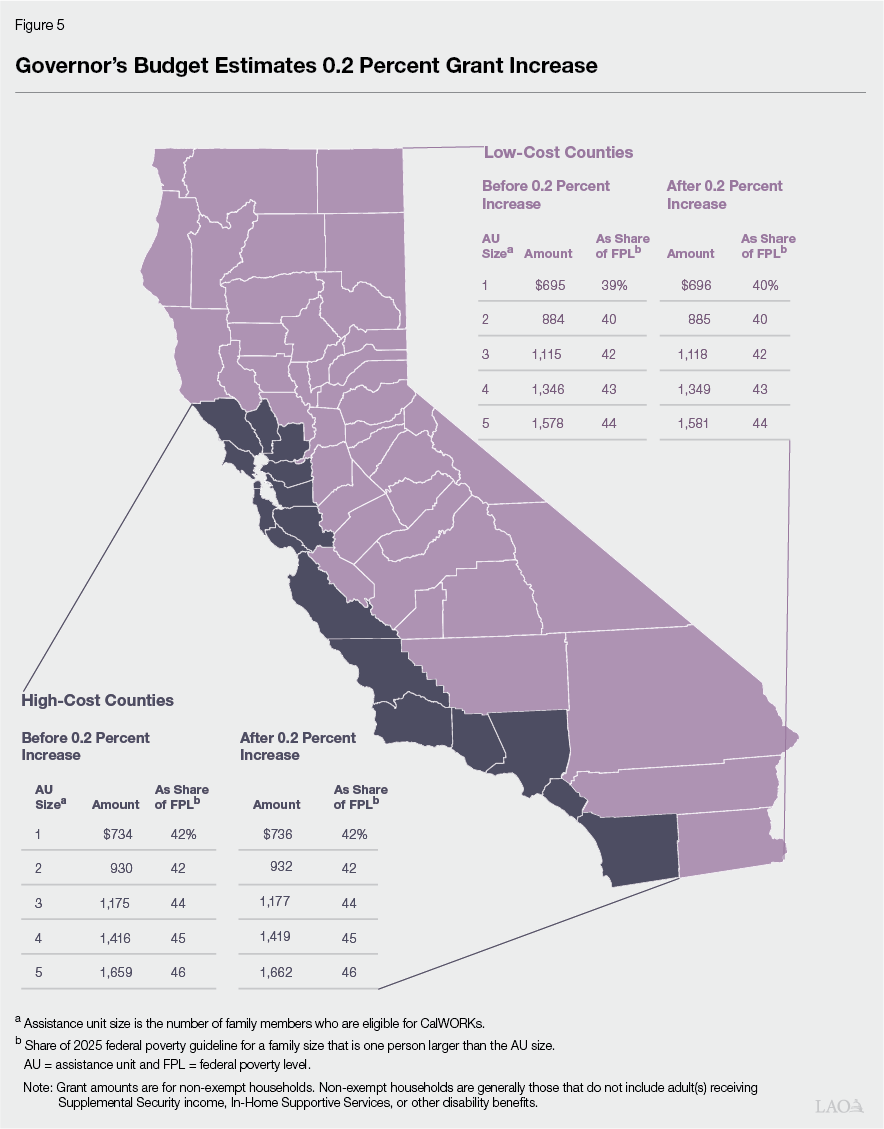
Where to Find Accurate Information
The most reliable and up-to-date information on income limits and eligibility criteria for CalWORKs can be found through:
- Local County Social Services Offices: These offices are the primary point of contact for applications and provide personalized guidance.
- The California Department of Social Services (CDSS) Website: The official CDSS website offers extensive information on all state-administered programs, including CalWORKs.
- Public Assistance Advocates and Non-Profit Organizations: Many organizations in California provide free assistance and advocacy for individuals seeking public benefits.
It is crucial to consult official sources, as income limits and program rules can change. Providing accurate information about income, household size, and work-related expenses is essential for a successful application. The complexity of the calculations underscores the importance of seeking assistance from knowledgeable caseworkers or advocates to ensure all eligible deductions and credits are considered. Ultimately, the income limit for cash aid in California is a carefully calibrated figure designed to balance the need for assistance with the responsible allocation of public resources, playing a pivotal role in the economic stability of countless families across the state.
LifeOutOfTheBox is a participant in the Amazon Services LLC Associates Program, an affiliate advertising program designed to provide a means for sites to earn advertising fees by advertising and linking to Amazon.com. Amazon, the Amazon logo, AmazonSupply, and the AmazonSupply logo are trademarks of Amazon.com, Inc. or its affiliates. As an Amazon Associate we earn affiliate commissions from qualifying purchases.