
When planning a trip to the bustling metropolis that never sleeps, one of the most fundamental pieces of information a traveler needs is understanding the local time. For New York, this means navigating the nuances of the Eastern Time Zone. Located on the eastern seaboard of the United States, New York observes Eastern Time (ET), which switches between Eastern Standard Time (EST) and Eastern Daylight Time (EDT) throughout the year. This distinction is crucial, not just for knowing what time it is, but for everything from booking flights and accommodation to planning your daily itinerary and making international calls.
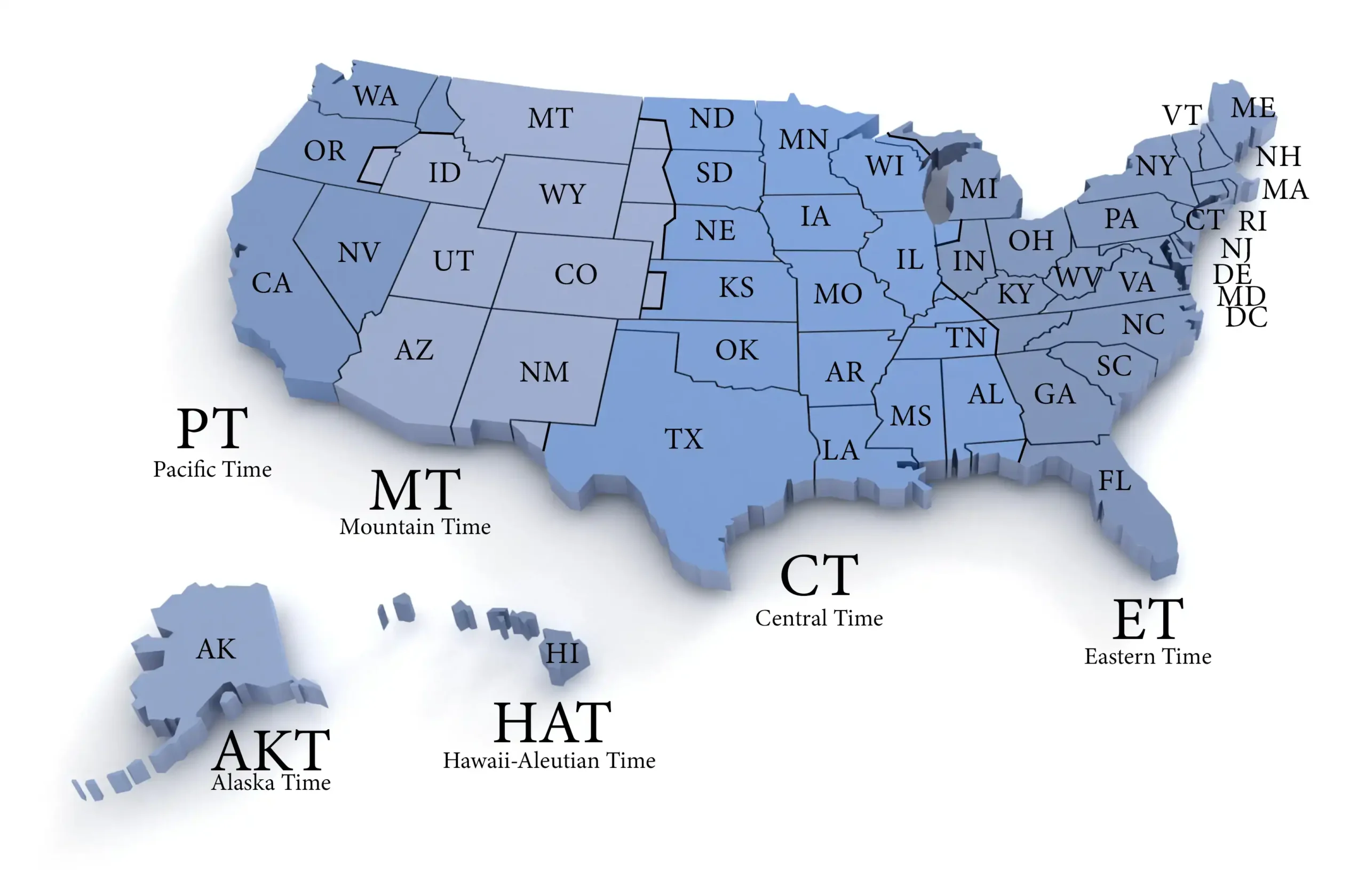
The Eastern Time Zone encompasses much of the eastern third of the United States and Canada, extending down to parts of Mexico, and even into some Caribbean and South American nations. Its strategic position on the globe, aligned closely with the rising sun over the Atlantic Ocean, has made it a pivotal zone for global commerce, particularly within the financial markets of New York City. Understanding the rhythm of this time zone is the first step to unlocking a truly seamless and enjoyable experience in one of the world’s most dynamic destinations.
Understanding New York’s Time Zone: EST and EDT
To fully appreciate how time works in New York, it’s essential to distinguish between Eastern Standard Time (EST) and Eastern Daylight Time (EDT). These two phases define the annual cycle of timekeeping in the region, each with its own offset from Coordinated Universal Time (UTC).
Eastern Standard Time (EST): The Winter Watch
Eastern Standard Time (EST) is the default time observed during the colder months, roughly from early November to mid-March. During this period, New York operates on a UTC-5 offset. This means that New York time is five hours behind Coordinated Universal Time. For instance, when it’s 12:00 PM (noon) UTC, it’s 7:00 AM EST in New York.
This “standard” time offers a consistent benchmark and is particularly relevant for travelers arriving from locations that do not observe daylight saving. It dictates the operating hours for most businesses, attractions, and public services during the winter, when days are shorter and evenings draw in earlier. If you’re planning a holiday season visit to experience the magic of Rockefeller Center‘s Christmas tree or the festive window displays, you’ll be on EST.
Eastern Daylight Time (EDT): Embracing the Longer Days
As spring approaches, New York, like most of the United States, switches to Eastern Daylight Time (EDT). This change typically occurs on the second Sunday in March, when clocks “spring forward” by one hour. For example, if it’s 2:00 AM EST, it immediately becomes 3:00 AM EDT. This shift means that New York now operates on a UTC-4 offset, placing it four hours behind Coordinated Universal Time.
The primary purpose of daylight saving time is to make better use of natural daylight. By shifting an hour of daylight from the morning to the evening, it allows for longer daylight hours for outdoor activities, tourism, and leisure pursuits during the warmer months. This is particularly beneficial in a vibrant city like New York, where attractions like Central Park, outdoor dining, and evening strolls across the Brooklyn Bridge become more enjoyable with extended daylight. EDT remains in effect until the first Sunday in November, when clocks “fall back” one hour, returning to EST. This transition is important to remember for travelers, especially those planning trips around these specific dates.
The Global Perspective: UTC Offset
Understanding the UTC offset is crucial for international travelers and those engaged in global communication. UTC (Coordinated Universal Time) is the primary time standard by which the world regulates clocks and time. It is not a time zone itself, but rather the basis from which all time zones are derived. For example, when New York is on EST (UTC-5), it means it’s five hours behind UTC. During EDT (UTC-4), it’s four hours behind UTC.
This global reference allows travelers to easily calculate the time difference between their home country and New York. For instance, if you’re traveling from London, which observes GMT/BST (UTC+0/UTC+1), the time difference will be 5 hours (during EST) or 6 hours (during EDT). From Tokyo, which is UTC+9, the difference would be 14 hours (EST) or 13 hours (EDT). Being aware of these offsets is key to managing jet lag, scheduling international calls, and ensuring smooth transitions during your travels.
Navigating Travel and Tourism in the Eastern Time Zone
The time zone in New York plays a significant role in every aspect of a traveler’s journey, from the moment they book their flight to their daily exploration of the city. Being prepared for the time difference can make or break the comfort and efficiency of your trip.
Conquering Jet Lag for a Seamless New York Experience
For travelers arriving from distant time zones, particularly from Europe, Asia, or the West Coast US, jet lag is an almost inevitable companion. Its symptoms – fatigue, insomnia, headaches, and digestive issues – can significantly impact your initial days in New York. However, with some strategic planning, you can minimize its effects.
- Pre-adjust: A few days before your trip, try to shift your sleep schedule closer to New York time. If traveling east to west, go to bed a little later each night. If west to east, try to sleep earlier.
- Hydrate and avoid caffeine/alcohol: During your flight and upon arrival, drink plenty of water. Alcohol and excessive caffeine can exacerbate jet lag symptoms.
- Embrace the local time: As soon as you land at JFK, LaGuardia, or Newark Liberty International Airport, try to adjust to local time. If it’s daytime, resist the urge to nap. Get outside to expose yourself to natural light, which helps reset your circadian rhythm.
- Plan light activities initially: Don’t schedule strenuous activities or critical appointments for your first day. Take it easy, explore your immediate neighborhood, and allow your body to adapt.
- Strategic sleep: If you must sleep during the day, keep it to a short power nap (20-30 minutes). At night, aim for a full 7-9 hours of sleep.
By proactively addressing jet lag, you’ll be able to hit the ground running and fully immerse yourself in the vibrant energy of New York without feeling constantly drained.
Planning Your Itinerary: Aligning with NYC’s Rhythm
When crafting your New York itinerary, always remember to account for the local time. Attractions, restaurants, shows, and transportation operate strictly on EST or EDT.
- Attraction Hours: Famous landmarks like the Empire State Building, Statue of Liberty, The Metropolitan Museum of Art, and MoMA have specific opening and closing times. These can sometimes vary seasonally, with longer hours during EDT to accommodate increased tourism and daylight. Always check the official websites for the most up-to-date information for your travel dates.
- Showtimes and Reservations: If you plan to catch a Broadway show or dine at a popular restaurant, ensure your reservations are confirmed for local New York time. A 7:00 PM reservation means 7:00 PM ET, regardless of what time it might be in your home country.
- Public Transport: While New York City’s subway operates 24/7, service frequency changes drastically between peak hours, off-peak hours, and weekends. These schedules are all based on local time and can impact your travel efficiency.
Effective itinerary planning, with a keen eye on the time zone, ensures you maximize your sightseeing and minimize wasted moments.
Booking Accommodation and Activities
The time zone also heavily influences the process of booking your stay and experiences. Whether you’re reserving a luxurious suite in a Manhattan hotel or a budget-friendly apartment in Brooklyn, adherence to local time is paramount.
- Check-in/Check-out Times: Most hotels have standard check-in times (e.g., 3:00 PM EST/EDT) and check-out times (e.g., 11:00 AM EST/EDT). If your flight arrives early, clarify with your accommodation whether early check-in is possible or if they offer luggage storage. Likewise, for late departures, inquire about late check-out options or luggage storage services.
- Tour and Experience Start Times: From walking tours of Greenwich Village to ferry rides to Ellis Island, all guided tours and pre-booked experiences will have a precise local start time. Arriving late due to a time zone misunderstanding can result in missing out entirely.
- Customer Service: When contacting hotels or tour operators from a different time zone, be mindful of their operating hours. A call made at 9:00 AM your time might be 2:00 AM in New York, leading to frustration or unanswered queries. Utilize online booking platforms and email for convenience, but always double-check time zones for direct calls.
The Impact on New York City Lifestyle and Business
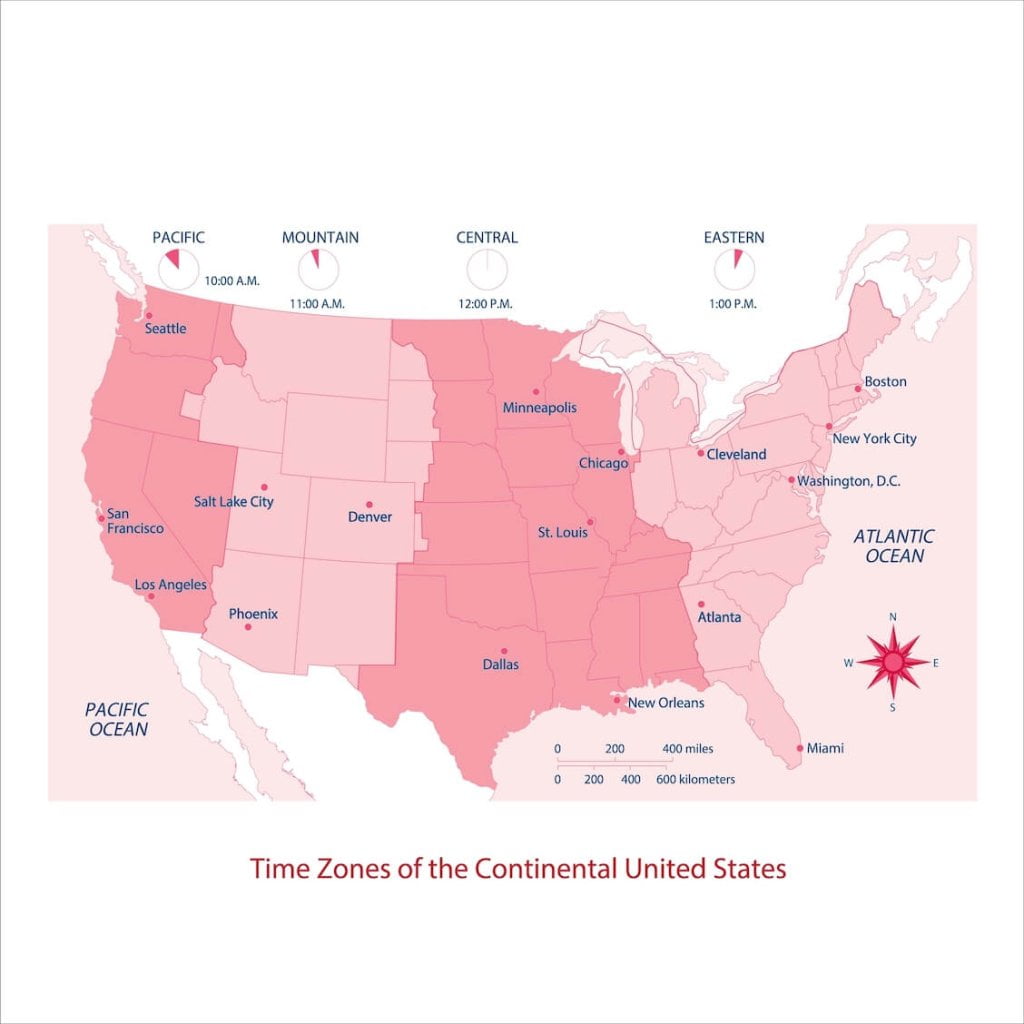
Beyond tourism, the Eastern Time Zone profoundly shapes the daily life and economic heartbeat of New York City. From the rhythm of its world-famous financial markets to the late-night buzz of its entertainment scene, everything moves according to ET.
Dining, Entertainment, and Shopping Hours
New York City’s lifestyle is distinctly tied to its time zone. Dinner reservations, theater curtain times, and store opening hours are all governed by EST/EDT.
- Dining: Restaurants typically open for lunch around 11:30 AM or 12:00 PM and serve dinner from about 5:00 PM until late evening, with some establishments in vibrant neighborhoods like the East Village or Hell’s Kitchen staying open past midnight. Brunch, a popular weekend ritual, usually runs from 10:00 AM to 3:00 PM.
- Entertainment: Broadway shows often have 7:00 PM or 8:00 PM evening performances, with matinees on Wednesdays, Saturdays, and Sundays around 2:00 PM. Live music venues and bars typically start their main acts later in the evening, often around 9:00 PM or 10:00 PM, and remain open well into the early morning hours, reflecting New York’s reputation as “the city that never sleeps.”
- Shopping: Most retail stores, especially those in popular areas like Fifth Avenue or SoHo, operate from approximately 10:00 AM to 8:00 PM on weekdays, with slightly different hours on weekends. Knowing these general timings ensures you don’t arrive too early or too late for your shopping excursions.
Business and Finance: The Wall Street Clock
The Eastern Time Zone is arguably most significant for its role in global finance. Wall Street, the heart of the United States’ financial industry, operates on EST/EDT. This impacts market opening and closing times, creating a synchronized rhythm for traders and investors worldwide. The New York Stock Exchange and NASDAQ typically open at 9:30 AM EST/EDT and close at 4:00 PM EST/EDT. This short, intense window of trading activity dictates the pace of the entire Financial District and has ripple effects across international markets. For business travelers, understanding this schedule is paramount for planning meetings, conferences, and engaging with local financial institutions.
Public Transportation and Local Events
The sprawling public transportation network of New York City, including the subway and bus systems, adheres strictly to the Eastern Time Zone. While the subway runs 24/7, service frequency and routes can change during late-night hours or on weekends, all according to the local clock. Likewise, major public events, parades like the Macy’s Thanksgiving Day Parade, concerts in Central Park, or festivals across the five boroughs (Manhattan, Brooklyn, Queens, The Bronx, and Staten Island) will always announce their start times in local New York time. For tourists, this means always converting these times to their home zone if communicating with friends or family, and always planning to arrive at least 15-30 minutes early for events to secure a good spot.
Time Zone Considerations for Iconic New York Landmarks and Attractions
New York’s world-renowned landmarks and attractions each have their own operating schedules, and these are, of course, entirely governed by the Eastern Time Zone. For travelers, optimizing your visit means understanding these timings and how they might fluctuate.
Maximizing Visits to Museums and Galleries
New York City boasts an unparalleled array of museums and galleries, from the classical grandeur of The Metropolitan Museum of Art to the contemporary masterpieces at MoMA and the cutting-edge exhibitions at the Whitney Museum of American Art. Most museums typically open their doors around 10:00 AM or 11:00 AM and close between 5:00 PM and 7:00 PM. Many offer extended evening hours one day a week (e.g., The Met until 9:00 PM on Fridays and Saturdays), which can be an excellent opportunity to experience them with fewer crowds.
During EDT, the longer daylight hours might influence your preference for indoor vs. outdoor activities. Consider visiting indoor attractions during the brighter parts of the day and saving outdoor activities like exploring Central Park or walking the High Line for the late afternoon and early evening when the light is particularly beautiful. Always check the official website of each museum for their specific operating hours, as these can change for holidays, special events, or seasonal adjustments.
Experiencing Broadway and Nightlife
The magic of Broadway is an quintessential New York experience, and showtimes are strictly set according to the Eastern Time Zone. Evening performances typically begin at 7:00 PM or 8:00 PM, making it essential to factor in travel time to the Theater District and allow for pre-show dining. Arriving late means you might miss the beginning of the performance or not be seated until an intermission.
After a show, or simply for those seeking evening entertainment, New York’s nightlife scene truly comes alive in the Eastern Time Zone. Bars and lounges throughout Manhattan and Brooklyn generally stay open until 2:00 AM, 3:00 AM, or even 4:00 AM, depending on their liquor license. Clubs often continue until sunrise. Remember that “last call” for drinks will be announced in local time, typically an hour before closing. Embracing New York’s late-night culture means allowing your internal clock to adjust to these later hours.
Seasonal Changes and Optimal Visiting Times
The shift between EST and EDT, corresponding with winter and summer, brings distinct advantages for visiting different types of attractions.
- Winter (EST): The shorter daylight hours of EST mean that outdoor attractions like the Statue of Liberty ferry or viewpoints like the Top of the Rock will offer earlier sunset views. This can be fantastic for capturing iconic cityscapes bathed in golden hour light without waiting too late into the evening. However, indoor attractions become more prominent.
- Summer (EDT): With the clocks sprung forward, EDT provides extended daylight, perfect for maximizing time at outdoor sites. You can enjoy long strolls through Central Park or explore the various neighborhoods well into the evening, with natural light illuminating your path. Attractions like the Empire State Building and One World Observatory often extend their evening hours, allowing for spectacular sunset and night views over the city that blend seamlessly into each other thanks to the extra hour of daylight. This also means you can pack more activities into a single day, or simply relax and enjoy the lingering brightness.
Practical Tips for Managing Time in New York
Navigating a new time zone doesn’t have to be daunting. With a few practical tips, you can ensure your New York adventure runs smoothly and on schedule.
Essential Apps and Tools
Modern technology is your best friend when traveling across time zones.
- World Clock Apps: Before you even leave home, download a reliable world clock app on your smartphone. Set it to display your home time, New York time, and UTC. This will be invaluable for quick conversions and avoiding confusion.
- Smartphone Settings: Ensure your phone’s date and time settings are set to automatically update based on network time. As soon as you land and connect to a local network (or Wi-Fi), your phone will adjust to EST/EDT, eliminating manual calculations.
- Online Itinerary Planners: Utilize online tools or travel apps that allow you to build itineraries and integrate them with your device’s calendar. Many will automatically adjust event times to your current location’s time zone, providing peace of mind.
Communication Across Time Zones
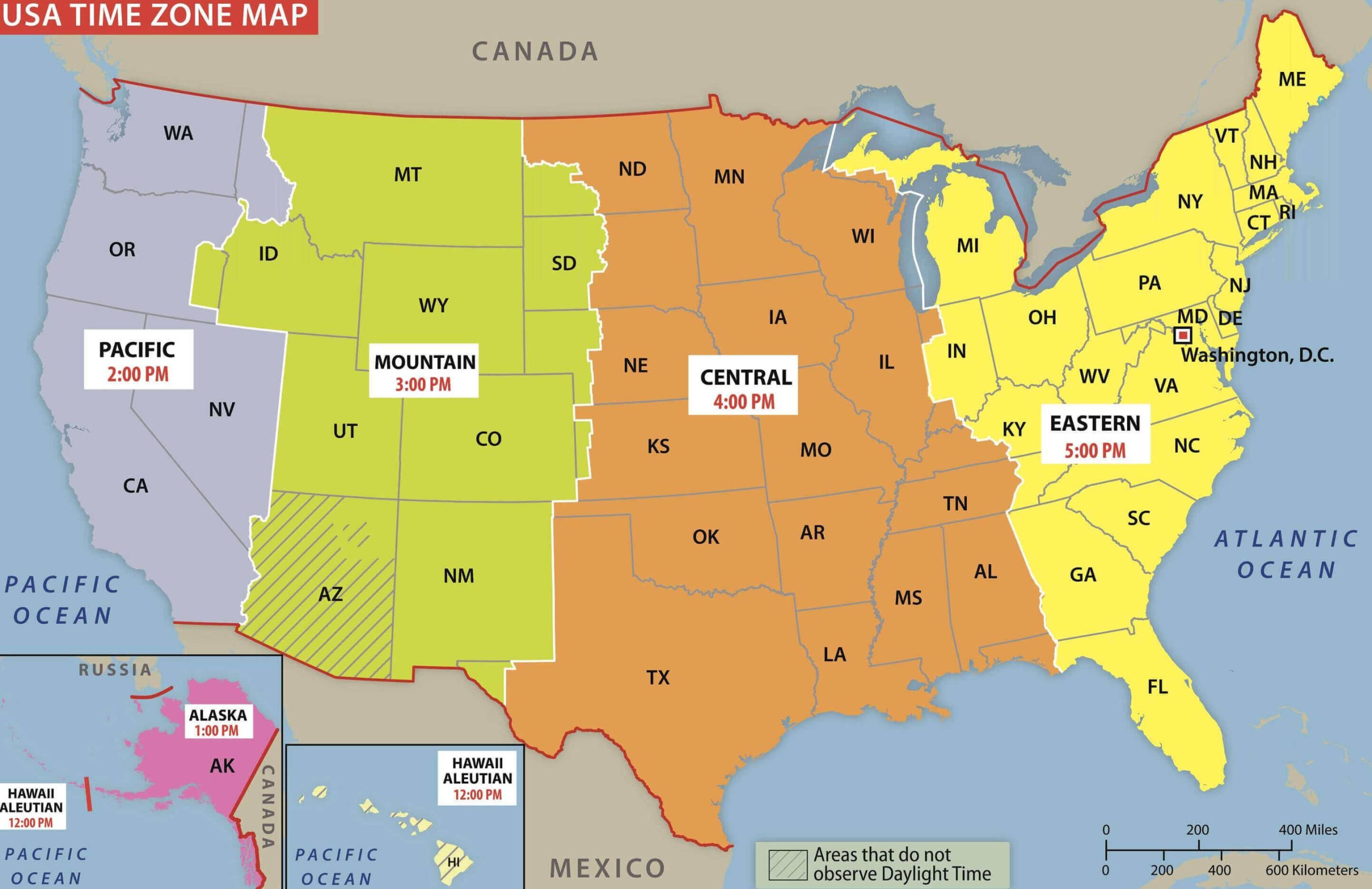
Whether you’re calling home, conducting business, or just letting friends know you’ve arrived, communicating across time zones requires a bit of foresight.
- Be Mindful of Others’ Time: Before making a call or sending an important message, quickly check the time in the recipient’s location using your world clock app. A quick calculation can prevent waking someone up in the middle of the night or calling during peak work hours.
- Schedule Calls: If regular communication is necessary, especially for business, establish a mutually convenient time that works for both New York’s ET and the other party’s local time.
- Utilize Asynchronous Communication: For non-urgent messages, email or messaging apps allow for asynchronous communication, meaning the recipient can respond at their convenience, without immediate time pressure.
In conclusion, the Eastern Time Zone is more than just a chronological marker for New York; it is an integral part of its identity, influencing every aspect of life and travel within the city. By understanding the distinction between EST and EDT, preparing for jet lag, and meticulously planning your itinerary with local times in mind, you are well on your way to experiencing the wonder of New York City to its fullest. Enjoy every moment, from the dawn breaking over the Manhattan skyline to the late-night buzz of Times Square, all perfectly synchronized to the rhythm of Eastern Time.
LifeOutOfTheBox is a participant in the Amazon Services LLC Associates Program, an affiliate advertising program designed to provide a means for sites to earn advertising fees by advertising and linking to Amazon.com. Amazon, the Amazon logo, AmazonSupply, and the AmazonSupply logo are trademarks of Amazon.com, Inc. or its affiliates. As an Amazon Associate we earn affiliate commissions from qualifying purchases.