
Embarking on a journey across the vast and varied landscapes of Texas promises an unforgettable experience, but understanding the state’s diverse climate is paramount to planning the perfect trip. From the scorching desert heat of its western reaches to the humid Gulf Coast breezes, temperatures in Texas can swing dramatically, not just between seasons but also across its distinct geographical regions. For travelers, hotels, and tourism professionals, knowing what to expect from the weather can make all the difference in crafting ideal itineraries, ensuring comfortable accommodations, and recommending suitable activities. This comprehensive guide delves into the Lone Star State’s temperature patterns, offering insights to help you make the most of your Texas adventure.

Understanding Texas’s Diverse Climates: A Regional Breakdown
Texas is often described as a state with its own weather system, and for good reason. Its immense size means that calling the temperature in Texas “hot” or “mild” doesn’t do justice to the nuances experienced from one corner to another. A regional breakdown provides a clearer picture, highlighting the distinct climates that influence everything from local culture to recommended travel gear.
North Texas & The Panhandle: Four Seasons in Full Swing
The northern part of Texas, encompassing major metropolitan areas like Dallas and Fort Worth, along with the expansive plains of the Panhandle reaching cities like Amarillo, experiences a more pronounced four-season climate.
- Summer (June-August): Expect intense heat. Daytime temperatures frequently soar into the upper 80s to 100s°F (29-38°C), often accompanied by considerable humidity, especially further south around Dallas. The Panhandle can experience slightly drier heat but is equally sweltering.
- Fall (September-November): This is often considered one of the best times to visit. Temperatures are pleasantly mild, ranging from the 60s to 80s°F (15-27°C). The humidity drops, and crisp air makes for ideal outdoor exploration and festival attendance.
- Winter (December-February): Winters can be surprisingly cold, particularly in the Panhandle. Temperatures typically hover between the 30s and 50s°F (-1-10°C), with occasional freezes and the possibility of snow, though heavy snowfall is rare. North Texas cities see chilly days but generally milder conditions than their northern counterparts.
- Spring (March-May): Characterized by mild to warm temperatures, often in the 60s to 80s°F (15-27°C). This season is beautiful with blooming wildflowers, but it also marks the beginning of severe weather season, with thunderstorms and occasional tornadoes possible.
Central & South Central Texas: A Blend of Heat and Hill Country Charm
This region, home to vibrant cities like Austin, San Antonio, and Waco, offers a climate that is generally hot and humid in summer, with mild, pleasant winters. The Texas Hill Country within this area offers slight variations due to elevation.
- Summer: Extremely hot and humid, with daily highs consistently in the 85-100°F (29-38°C) range. The heat index can make it feel even hotter, making water activities and indoor attractions popular.
- Fall: A lovely season with warm, comfortable days in the 70s to 90s°F (21-32°C). Humidity starts to decrease, making it ideal for exploring historic sites and enjoying outdoor dining.
- Winter: Generally mild, with temperatures typically ranging from the 40s to 60s°F (4-15°C). Freezing temperatures are infrequent but can occur, usually for short durations.
- Spring: Warm and beautiful, with temperatures between 70-85°F (21-29°C). This is prime time for wildflower viewing, but like North Texas, there’s a risk of severe thunderstorms.
Gulf Coast & East Texas: Humid Tropics Meet Southern Hospitality
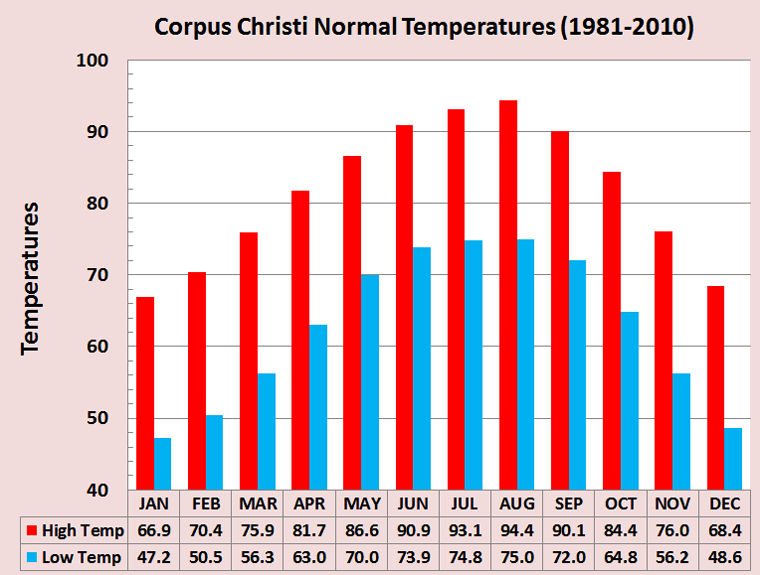
The coastal plains, including bustling Houston, historic Galveston, and the vibrant Corpus Christi, are defined by high humidity and the influence of the Gulf of Mexico. East Texas shares similar humid characteristics, especially during summer.
- Summer: Sweltering. Temperatures often reach 90-100°F (32-38°C), but the extreme humidity makes the “feels like” temperature significantly higher. This season also brings a risk of tropical storms and hurricanes, particularly from August to October.
- Fall: Remains warm and humid, with temperatures in the 75-90°F (24-32°C) range. The threat of tropical weather gradually diminishes towards the end of the season.
- Winter: Typically mild and wet, with temperatures ranging from 50-70°F (10-21°C). Freezes are rare and usually short-lived.
- Spring: Warm and humid, generally in the 70-85°F (21-29°C) range, with occasional heavy rainfall.
West Texas & The Big Bend Region: Arid Beauty and Desert Extremes
The vast and rugged landscapes of West Texas, stretching from El Paso to Big Bend National Park, present an arid desert climate. This means hot, dry days and significantly cooler nights.
- Summer: Extremely hot during the day, often exceeding 90-105°F (32-41°C). However, due to the dry heat, it can feel less oppressive than the humid conditions further east. Nights cool down considerably, providing relief.
- Fall: Exquisitely pleasant. Daytime temperatures range from 65-85°F (18-29°C), with clear skies and comfortable evenings, making it an ideal time for hiking and outdoor exploration.
- Winter: Mild days (30-60°F / -1-15°C) are common, but nights can be quite cold, dropping below freezing. Snow is possible, especially at higher elevations.
- Spring: Warm and often windy, with temperatures in the 70-90°F (21-32°C) range. Desert wildflowers can bloom after winter rains, creating a striking contrast against the rugged terrain.
Planning Your Texas Adventure: When to Visit Based on Weather
With such diverse climates, choosing the right time to visit Texas is crucial for a fulfilling travel experience. Each season offers unique opportunities and challenges that can greatly influence your itinerary, from booking accommodations to selecting activities.
Peak Season Considerations for Texas Travel
- Summer (June-August): While undeniably hot, summer remains a popular time for family travel, especially for those seeking water-based activities. The Gulf Coast, with its beaches in Galveston and South Padre Island, or the myriad lakes and rivers across the state (like the Guadalupe River and Comal River for tubing), become havens. Major cities offer abundant indoor attractions like museums (The Sixth Floor Museum at Dealey Plaza in Dallas, Space Center Houston) and shopping malls (Galleria Dallas). Be prepared for higher crowds and potentially elevated prices for accommodations.
- Travel Tips: Prioritize hydration and wear light, breathable clothing. Schedule outdoor activities for early mornings or evenings. Look for hotels with exceptional pool areas or resort-style amenities, such as the Hyatt Regency Dallas or the Omni Austin Hotel Downtown, which offer refreshing escapes.
- Spring (March-May) & Fall (September-November): These shoulder seasons are widely considered the absolute best times to visit Texas for a general tourist experience. The milder temperatures and lower humidity create perfect conditions for almost any outdoor activity.
- Spring: Witness the spectacular display of wildflowers, especially bluebonnets, carpeting the Texas Hill Country. It’s ideal for hiking at Texas State Parks like Enchanted Rock State Natural Area, exploring city centers, and enjoying cultural events like South by Southwest in Austin.
- Fall: Offers comfortable weather for exploring historical landmarks like The Alamo in San Antonio, strolling the San Antonio River Walk, or wandering through the Dallas Arts District. Major music festivals such as Austin City Limits also draw crowds.
- Travel Tips: Layered clothing is a must. Book accommodations well in advance if your trip coincides with a major festival or event, as boutique hotels like Hotel Emma in San Antonio or a cozy Airbnb in the Texas Hill Country can fill up quickly.
- Winter (December-February): This season provides a peaceful escape, particularly to the southern parts of the state where temperatures remain mild. It’s an excellent time for cultural tourism, enjoying holiday lights, and exploring indoor attractions without the summer crowds.
- Travel Tips: Pack layers, including a warm coat for northern Texas or cooler evenings in central regions. Resorts such as The Houstonian Hotel, Club & Spa offer superb indoor amenities to enjoy regardless of the weather.
Accommodations & Activities: Tailoring Your Stay to Texas Weather
The ideal Texas experience is often defined by how well your accommodation and planned activities align with the prevailing weather conditions. Thoughtful planning can transform a good trip into an exceptional one.
Hotels & Resorts for Every Season
- Summer: When the temperatures soar, the choice of accommodation becomes critical. Look for hotels and resorts that boast expansive pool areas, lazy rivers, or direct beachfront access if you’re on the coast. Air conditioning is a non-negotiable amenity. Many luxury resorts, such as the JW Marriott San Antonio Hill Country Resort & Spa, offer excellent indoor activities, shaded outdoor lounges, and world-class spas that provide a welcome respite from the heat.
- Winter: For cooler months, consider hotels with heated pools, inviting spas, cozy lounges with fireplaces, or those known for their exceptional indoor dining experiences. A stay at a historic hotel like The Driskill Hotel in Austin can offer a warm and luxurious retreat after a day of exploring city landmarks or cultural events.
- Spring/Fall: During these temperate seasons, almost any comfortable hotel will suffice. However, establishments with appealing outdoor patios, balconies, or those located in close proximity to parks and walkable areas will allow you to fully enjoy the pleasant weather.
Activities Tailored to the Texas Climate
- Extreme Heat (Summer): When the mercury climbs, seek out air-conditioned havens. Options abound: delve into history at The Sixth Floor Museum at Dealey Plaza in Dallas, explore the cosmos at Space Center Houston, indulge in retail therapy at Galleria Dallas, or embark on an underground adventure at Natural Bridge Caverns. Of course, water parks and tubing on refreshing rivers like the Guadalupe River or Comal River are quintessential summer activities.
- Mild Weather (Spring/Fall): These seasons are made for outdoor pursuits. Hike the scenic trails of Texas State Parks, including the iconic Enchanted Rock State Natural Area. Explore cities on foot, bike along urban trails, or simply enjoy picnics in public parks. Fall also offers fantastic opportunities for vineyard tours and wine tasting in the Texas Hill Country.
- Cooler Weather (Winter): The cooler temperatures are perfect for focusing on cultural events, visiting historical sites like The Alamo, enjoying culinary tours, or immersing yourself in Texas’s renowned live music scene. It’s also a wonderful time to explore the charm of quaint small towns across the state without the bustling crowds.

Packing Smart: Your Texas Weather Wardrobe
Effective packing is key to a comfortable and enjoyable trip to Texas, given its wide range of temperatures and climates.
- For Summer Travel: Prioritize lightweight, breathable fabrics such as cotton, linen, or moisture-wicking synthetics. Essential items include a wide-brimmed hat, high SPF sunscreen, sunglasses, and swimwear. Comfortable sandals or open-toed shoes are a must. Consider carrying a reusable water bottle or hydration pack to stay cool and hydrated.
- For Spring and Fall Travel: Layers are your best friend. Pack a mix of short-sleeved shirts, long-sleeved shirts, and a light jacket or sweater that can be easily added or removed as temperatures fluctuate throughout the day. Comfortable walking shoes are essential for exploring. Given the potential for pop-up showers, a compact umbrella or a light, waterproof jacket is also advisable.
- For Winter Travel: While southern Texas might only require a light to medium jacket, visitors to northern regions should pack warmer layers, including a heavy coat, sweaters, scarves, and gloves, especially for early mornings and evenings. Closed-toe, comfortable shoes are recommended.
In conclusion, the question “What temperature in Texas?” is not a simple one, but rather an invitation to explore a fascinating array of climates that shape the state’s geography, culture, and travel experiences. By understanding the regional and seasonal variations, travelers can meticulously plan their visits, choose ideal accommodations, and curate activities that promise comfort and enjoyment. Whether you seek the refreshing splash of a summer river, the vibrant bloom of spring wildflowers, the crisp air of an autumn hike, or the cozy warmth of a winter escape, Texas offers a fulfilling adventure for every season, provided you come prepared.
LifeOutOfTheBox is a participant in the Amazon Services LLC Associates Program, an affiliate advertising program designed to provide a means for sites to earn advertising fees by advertising and linking to Amazon.com. Amazon, the Amazon logo, AmazonSupply, and the AmazonSupply logo are trademarks of Amazon.com, Inc. or its affiliates. As an Amazon Associate we earn affiliate commissions from qualifying purchases.