
Anchorage, Alaska, a city nestled between the majestic Chugach Mountains and the tranquil waters of Cook Inlet, is a destination that captivates travelers with its rugged beauty, vibrant culture, and unparalleled access to the Alaskan wilderness. For anyone planning a visit to this unique corner of the world, one of the most pressing questions often revolves around the weather, specifically, “What’s the temperature in Anchorage?” Understanding Anchorage’s climate is key to a successful and enjoyable trip, as the city experiences dramatic seasonal shifts that dictate everything from outdoor activities to essential packing choices. Far from being a mere number on a thermometer, the temperature in Anchorage tells a story of adventure, transformation, and a deep connection to nature.
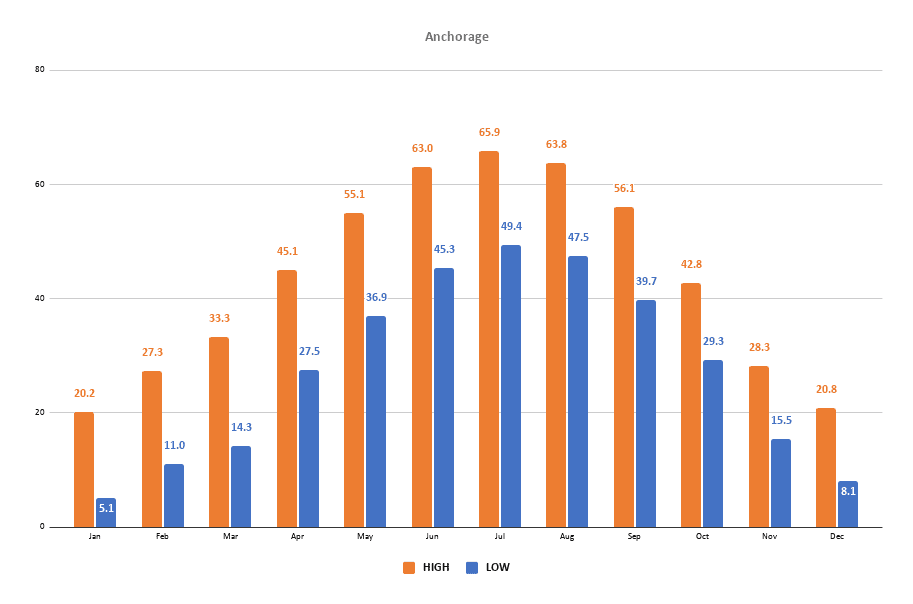
This comprehensive guide will delve into the typical temperatures visitors can expect throughout the year, explore how these temperatures influence travel experiences, and offer invaluable insights into making the most of your Alaskan journey. Whether you dream of experiencing the endless daylight of summer, the serene beauty of a snowy winter, or the vibrant transitions of spring and fall, knowing what the thermometer might read will help you prepare for an unforgettable Anchorage adventure. From luxury resorts to cozy apartments, and from adrenaline-pumping excursions to tranquil cultural experiences, Anchorage offers a diverse range of options, all influenced by its remarkable climate.
Understanding Anchorage’s Climate: A Seasonal Breakdown
Anchorage’s weather is characterized by distinct seasons, each offering a different facet of its natural beauty and a unique set of activities. While many perceive Alaska as perpetually cold, Anchorage actually enjoys a relatively mild climate compared to interior Alaska, thanks to its coastal proximity.
Summer in Anchorage: The Land of the Midnight Sun (June – August)
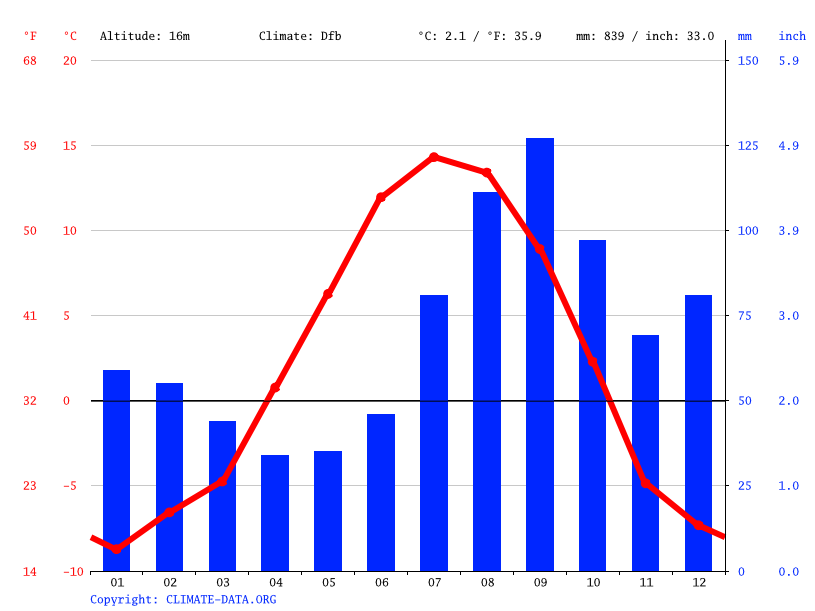
Summers in Anchorage are surprisingly pleasant, often described as mild and comfortable. This is undoubtedly the peak tourism season, and for good reason. Temperatures typically range from 55°F to 78°F (13°C to 26°C), with occasional warmer days pushing into the low 80s°F (27-28°C). What truly sets Alaskan summers apart is the incredible daylight. From late May to early August, Anchorage experiences nearly 19-20 hours of daylight, with the sun barely dipping below the horizon around the summer solstice. This “land of the midnight sun” phenomenon allows for extended hours of exploration, hiking, fishing, wildlife viewing, and sightseeing.
The long days and comfortable temperatures make summer ideal for exploring attractions like Chugach State Park, where trails beckon hikers to discover alpine meadows and breathtaking vistas. Boat tours exploring Prince William Sound or Kenai Fjords National Park are popular for glacier viewing and marine wildlife encounters. Evenings are cool and crisp, perfect for enjoying dinner on an outdoor patio or simply reveling in the extended twilight. Travelers during this season can expect vibrant street markets, outdoor concerts, and a bustling atmosphere as locals and visitors alike soak up every moment of the precious daylight. Many hotels, such as the historic Hotel Captain Cook or the modern Anchorage Marriott Downtown, see peak occupancy.
Winter Wonderland: Embracing the Cold (November – March)
Winter in Anchorage transforms the city into a magical, snow-covered landscape, offering a completely different set of experiences. While cold, it’s a dry cold that often feels less biting than humid cold at similar temperatures. Average temperatures hover around 10°F to 30°F (-12°C to -1°C). However, temperatures can dip significantly lower, especially in January and February, sometimes reaching well below 0°F (-18°C). Snowfall is abundant, turning the surroundings into a pristine white canvas perfect for winter sports.
Despite the cold and shorter daylight hours (only about 5-6 hours around the winter solstice), winter is a fantastic time to visit for those seeking specific Alaskan adventures. Dog sledding, cross-country skiing, downhill skiing at places like Alyeska Resort in nearby Girdwood, and ice skating are hugely popular. The reduced light pollution and long nights also significantly increase your chances of witnessing the spectacular Aurora Borealis, or Northern Lights, a truly bucket-list experience. Cultural events, such as the Fur Rondy Festival and the start of the Iditarod Trail Sled Dog Race in early March, bring warmth and excitement to the chilly days. Booking accommodations at a lodge with excellent aurora viewing potential, like the Alaska Aurora Lodge, can enhance the winter experience.
Spring and Fall: Transition and Tranquility (April – May & September – October)
The shoulder seasons of spring and fall in Anchorage offer a quieter, often more budget-friendly, yet equally rewarding travel experience. These periods are characterized by fluctuating temperatures and dramatic changes in the landscape.
Spring (April – May): As the snow begins to melt, temperatures gradually rise from the low 30s°F (0-4°C) in April to the 40s°F and 50s°F (4-15°C) by May. This is a time of awakening, with wildlife becoming more active and the landscape slowly turning green. While some higher elevation trails may still be snowy, many lower trails become accessible. This period is excellent for birdwatching as migratory birds return.
Fall (September – October): Fall is arguably one of the most beautiful times to visit, as the tundra and deciduous trees burst into vibrant hues of red, orange, and gold. Temperatures range from the 30s°F to 50s°F (0-15°C) in September, gradually cooling down to the 20s°F and 30s°F (-7-4°C) by late October, with the first significant snowfalls often arriving. Wildlife viewing is excellent during the fall as animals prepare for winter. Salmon runs provide opportunities for fishing enthusiasts and incredible bear viewing experiences in areas accessible from Anchorage. The crisp air and stunning scenery make for unforgettable drives, such as along the Seward Highway. Boutique hotels like The Lakefront Anchorage offer comfortable stays with views, and often at reduced rates during these quieter periods.
Planning Your Trip: What to Pack and When to Go
Knowing the typical temperatures is just the first step; understanding how to prepare for them is crucial for a comfortable and enjoyable Anchorage adventure.
Essential Packing for Every Season
Regardless of the season, layering is always the golden rule for packing for Anchorage. Alaskan weather can be unpredictable, with sunny skies quickly giving way to rain or a sudden drop in temperature.

- Summer: Even in summer, pack layers. Include short-sleeved shirts, long-sleeved shirts, a fleece or sweater, a waterproof and windproof jacket, and sturdy hiking shoes. A hat, sunglasses, and insect repellent are also essential. Given the long daylight, an eye mask for sleeping is highly recommended.
- Winter: This requires serious cold-weather gear. Think thermal base layers, a warm mid-layer (fleece or down), a heavy-duty waterproof and windproof winter coat, insulated waterproof pants, warm waterproof boots, wool socks, a warm hat, gloves or mittens, and a scarf or neck gaiter. Hand warmers can also be a lifesaver.
- Spring/Fall: A versatile wardrobe is key. Pack long-sleeved shirts, sweaters, a good waterproof and windproof jacket, sturdy waterproof boots (especially for spring’s muddy trails), and warm pants. Layers that can be easily added or removed will adapt to the varying temperatures throughout the day.
Tailoring Your Visit to the Thermometer
Your ideal time to visit Anchorage largely depends on what kind of experience you’re seeking and how comfortable you are with certain temperatures.
- For Outdoor Adventures & Wildlife (Hiking, Fishing, Sightseeing): Summer (June-August) is unparalleled. The mild temperatures and extensive daylight hours maximize opportunities for exploration and wildlife viewing.
- For Winter Sports & Northern Lights: Winter (November-March) is your season. Embrace the cold for world-class skiing, dog sledding, snowshoeing, and the chance to witness the ethereal Aurora Borealis.
- For Budget Travel, Fewer Crowds, & Fall Foliage: The shoulder seasons (April-May, September-October) offer a more tranquil experience. You can enjoy the beauty of changing seasons, often at lower accommodation and activity costs. Many guided tours, like those offered by Alaska Wild Guides, still operate but with smaller groups.
Exploring Anchorage: Beyond the Thermometer
While temperature influences much of your travel planning, Anchorage offers a wealth of attractions and experiences that transcend the mercury’s reading, deeply embedding visitors in Alaskan culture and natural wonders.
Top Attractions and Experiences
Anchorage serves as an excellent base for exploring some of Alaska’s most famous sites. Within the city itself, the Alaska Native Heritage Center offers a profound immersion into the rich cultures of Alaska’s eleven major Native culture groups through traditional dwellings, dance, and storytelling. For art and history enthusiasts, the Anchorage Museum provides extensive exhibits on Alaskan art, history, and science, including a planetarium. The Alaska Zoo is another popular spot, home to indigenous Alaskan species and other cold-climate animals.
Outdoor enthusiasts will find their paradise on the Tony Knowles Coastal Trail, a paved path offering stunning views of Cook Inlet, the Chugach Mountains, and often wildlife like moose and various bird species. Day trips from Anchorage can take you to Seward for Kenai Fjords National Park cruises, or to Talkeetna for flightseeing tours around Denali (formerly Mount McKinley), North America’s highest peak. These experiences are largely available in summer, but specific winter tours offer unique perspectives on the snow-covered landscapes.
Culinary Delights and Local Culture
Anchorage’s culinary scene is surprisingly diverse and vibrant, heavily influenced by the bounty of Alaskan waters and wilderness. Seafood, particularly wild Alaskan salmon, halibut, and crab, is a must-try. Restaurants like Simon & Seafort’s Saloon & Grill offer fantastic views alongside their menus. Beyond seafood, you can find everything from sophisticated fine dining to casual breweries and food trucks. Don’t miss out on local specialties like reindeer sausage or birch syrup-infused dishes.
The city’s lifestyle also embraces its rugged surroundings. Local markets, art galleries featuring Alaskan artists, and craft breweries like Anchorage Brewing Company offer a taste of local culture. Engaging with local tour operators, such as Great Alaska Adventures, can provide deeper insights into the region’s ecology and history.
Accommodation Options for Every Traveler
Anchorage boasts a wide array of accommodation options to suit every budget and travel style. From luxurious resorts to quaint boutique hotels and practical apartments for longer stays, finding the perfect place to rest after a day of adventure is easy.
- Luxury & Resorts: For those seeking premium amenities and services, options like the Alyeska Resort in Girdwood, a short drive south, offer ski-in/ski-out access in winter and extensive hiking in summer, alongside spa facilities and fine dining. Within Anchorage, the Hotel Captain Cook provides a blend of historic charm and modern luxury in the heart of downtown.
- Mid-Range Hotels: Chains like the Anchorage Marriott Downtown, Hilton Anchorage, and Sheraton Anchorage Hotel & Spa offer reliable comfort and amenities, often with good access to attractions.
- Boutique & Local Stays: For a more unique experience, consider charming bed & breakfasts or independently owned hotels such as The Lakefront Anchorage, which offers scenic views of Lake Hood, the world’s busiest floatplane base.
- Apartments & Extended Stays: Websites like Airbnb or VRBO offer numerous apartment rentals, ideal for families or those planning an extended stay, providing kitchen facilities and more space. Many visitors also consider the Homewood Suites by Hilton Anchorage for longer trips.
- Budget-Friendly Options: Hostels and more basic motels provide economical choices for travelers on a tighter budget, ensuring that the magic of Alaska is accessible to all.
Booking in advance is highly recommended, especially during the peak summer season, to ensure the best rates and availability. Comparison websites can help in finding deals, and checking reviews is always a smart move to ensure your accommodation meets your expectations.
Practical Tips for a Memorable Alaskan Adventure
Beyond understanding the temperature and choosing your activities, a few practical tips can greatly enhance your visit to Anchorage and the surrounding region.
- Rent a Car: While downtown Anchorage is walkable, having a rental car offers the freedom to explore beyond the city limits, driving scenic routes like the Seward Highway or venturing to Girdwood. Reputable companies like Alaska Car Rental are readily available.
- Stay Hydrated: The dry Alaskan air, especially in winter, can be dehydrating. Drink plenty of water.
- Protect Against Sunburn: Even on cloudy days and especially with snow reflection, the UV index can be high. Sunscreen and sunglasses are vital year-round.
- Bear Safety: When hiking, be “bear aware.” Make noise on trails, carry bear spray, and know how to use it. Store food properly.
- Flexibility is Key: Weather in Alaska can change rapidly, potentially impacting flight schedules or outdoor plans. Be prepared to adjust your itinerary if necessary.
- Embrace the Dark (in Winter): The short daylight hours of winter are part of the Alaskan experience. Plan indoor activities or night-time adventures like aurora hunting to make the most of it.
- Local Knowledge: Engage with locals! Whether it’s the barista at Kaladi Brothers Coffee or your hotel concierge, they can offer invaluable tips on hidden gems, current conditions, and local events.
In conclusion, the temperature in Anchorage, Alaska, is far more than just a number; it’s a guide to a city and a state that promises adventure in every season. By understanding its distinct climate and preparing accordingly, travelers can unlock a world of experiences, from the vibrant energy of summer to the serene beauty of winter, ensuring a trip that is not only comfortable but truly unforgettable. So, pack your bags, prepare for the thermometer’s whims, and get ready to discover the magic of Anchorage.
LifeOutOfTheBox is a participant in the Amazon Services LLC Associates Program, an affiliate advertising program designed to provide a means for sites to earn advertising fees by advertising and linking to Amazon.com. Amazon, the Amazon logo, AmazonSupply, and the AmazonSupply logo are trademarks of Amazon.com, Inc. or its affiliates. As an Amazon Associate we earn affiliate commissions from qualifying purchases.