
Navigating the complexities of time zones can be a crucial part of planning any trip, and for those heading to the vibrant city of Seattle, understanding its temporal positioning is no different. Whether you’re coordinating with friends back home, booking flights, or simply trying to adjust to local rhythms, knowing the time zone is fundamental. This guide delves into Seattle’s time zone, its implications for travelers, and how it fits into the broader context of Washington State and the United States.
Understanding Pacific Standard Time (PST) and Pacific Daylight Time (PDT)
Seattle, nestled on the picturesque Puget Sound, observes Pacific Standard Time (PST) during the colder months and transitions to Pacific Daylight Time (PDT) for a significant portion of the year. This shift is part of the broader daylight saving time practices observed across much of North America.
The Basics of PST and PDT
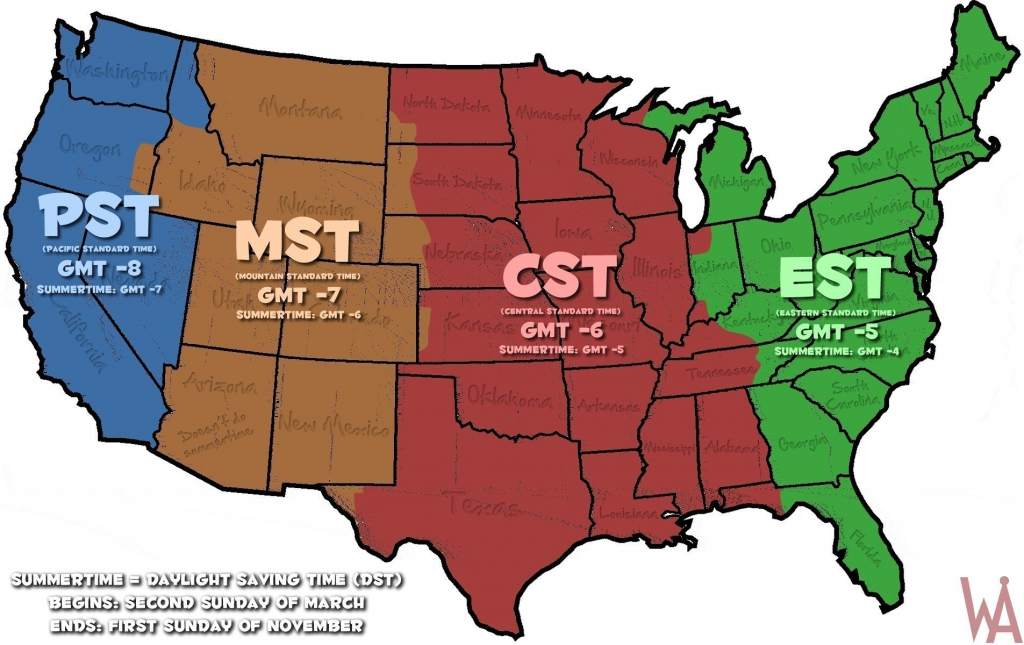
Pacific Standard Time (PST) is UTC-8, meaning it is eight hours behind Coordinated Universal Time. This is the standard time observed in Seattle and other parts of the Pacific coast during the fall and winter. When PST is in effect, the sun rises and sets earlier in the day, a characteristic of the Northern Hemisphere’s winter months.
Conversely, Pacific Daylight Time (PDT) is UTC-7. This means PDT is seven hours behind Coordinated Universal Time. The switch to PDT occurs in the spring, and it remains in effect throughout the summer and early fall. The purpose of daylight saving time is to make better use of natural daylight, extending daylight hours into the evening. This can have a noticeable impact on daily activities, from outdoor exploration to evening dining.
When Do the Clocks Change?
The transition between PST and PDT is standardized. In the United States, daylight saving time begins on the second Sunday in March and ends on the first Sunday in November. On these dates, clocks are typically moved forward by one hour (in spring) or backward by one hour (in fall) at 2:00 AM local time. This means that for a brief period in early March and early November, the time difference between Seattle and other time zones will shift.
For example, when Seattle switches to PDT, the time difference with Eastern Standard Time (EST), observed in cities like New York City, changes from a four-hour difference to a three-hour difference. Similarly, the difference with Central Standard Time (CST), used in places like Chicago, goes from a three-hour difference to a two-hour difference. Understanding these shifts is vital for travelers, especially when booking flights, as miscalculations can lead to missed connections or early arrivals.
Navigating Time Zone Differences for Travelers
The time zone in Seattle has practical implications for a wide range of travel-related activities. From coordinating with loved ones to managing business meetings and planning excursions, awareness of PST and PDT is key to a smooth experience.
Impact on Flights and Travel Itineraries
When booking flights to Seattle, the time zone is automatically factored into arrival and departure times, typically displayed in local time. However, when communicating with people in different time zones, it’s crucial to be mindful of the difference. A 9:00 AM departure from New York City will mean a 6:00 AM arrival in Seattle, assuming PDT is in effect. Conversely, a 5:00 PM departure from Seattle would correspond to an 8:00 PM departure from New York City.
For business travelers, scheduling meetings across different time zones requires careful attention. A quick meeting at 10:00 AM Seattle time might be 1:00 PM in Chicago or 7:00 PM in London. Utilizing online time zone converters or scheduling tools can prevent confusion and ensure all parties are on the same page.
Adjusting to Jet Lag and Local Rhythms
The time difference can also contribute to jet lag, particularly for travelers coming from further east. When arriving in Seattle, your internal body clock may still be synchronized with your departure time zone, leading to feelings of fatigue during the day and wakefulness at night.
To mitigate jet lag:
- Adjust your sleep schedule gradually in the days leading up to your trip.
- Upon arrival, try to immediately adopt the local time, exposing yourself to daylight during the day and avoiding screens before bed.
- Stay hydrated and avoid excessive caffeine and alcohol.
Embracing the local rhythm is part of the travel experience. Whether it’s enjoying an early morning coffee and watching the sunrise over the Olympic Mountains or participating in evening activities like a concert at the Paramount Theatre, understanding the local time will help you make the most of your stay.
Seattle’s Place in the Pacific Time Zone
Seattle’s location firmly places it within the Pacific Time Zone, a significant geographical and economic region in the United States. This time zone stretches across several states, influencing the daily lives and business operations of millions.
The Geographical Reach of Pacific Time
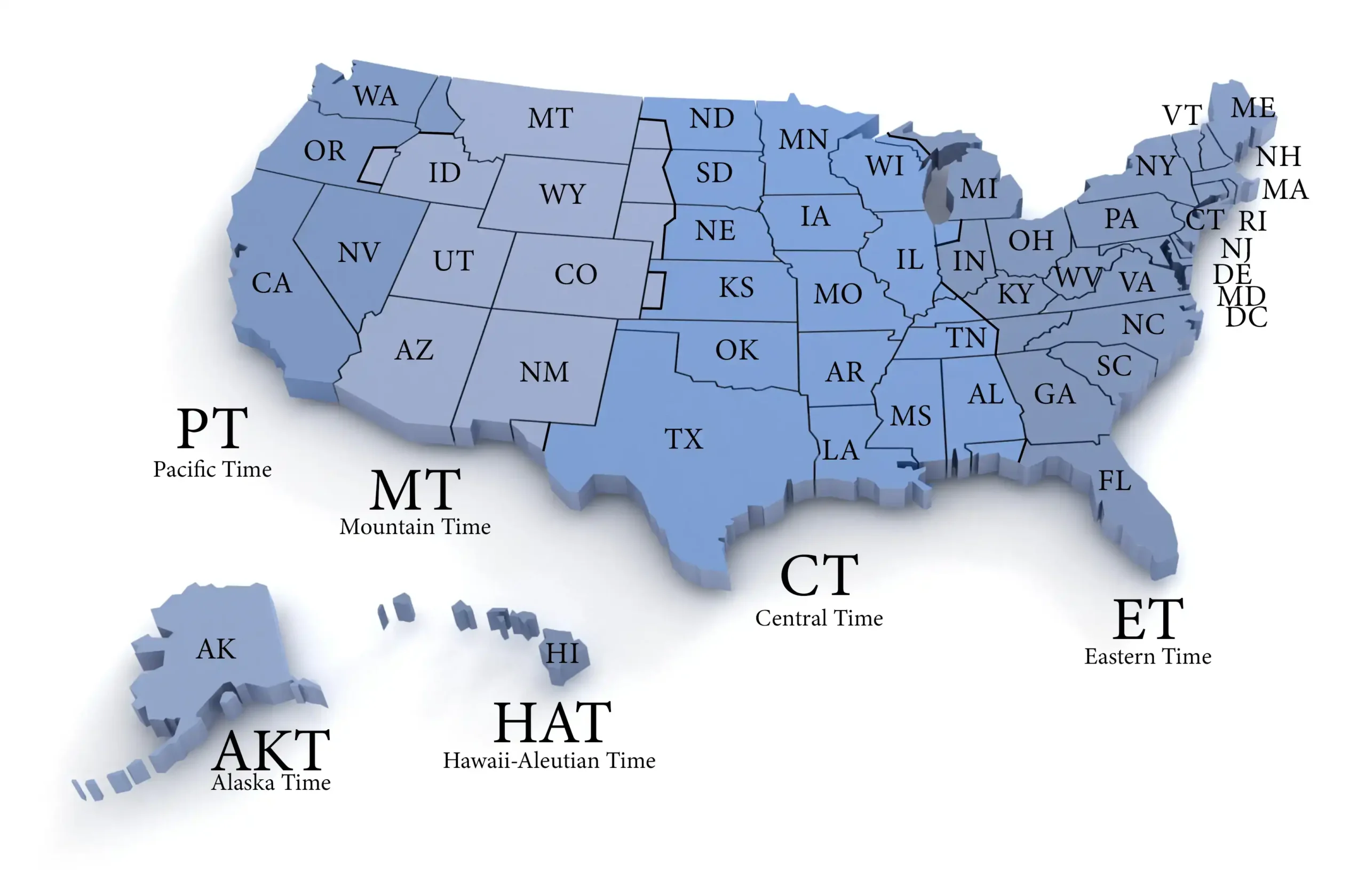
The Pacific Time Zone encompasses Washington, Oregon, California, Nevada, and parts of Idaho and Arizona. While most of Arizona observes Mountain Standard Time (MST) year-round and does not participate in daylight saving, the majority of the Pacific Time Zone adheres to the PST/PDT cycle.
This vast geographical spread means that many major cities and economic hubs operate on the same time. From the tech giants in Silicon Valley to the entertainment industry in Los Angeles and the aerospace and technology sectors in Seattle, a unified time zone facilitates communication and collaboration across these dynamic regions.
Why Does Time Zone Matter for Tourism and Lifestyle?
For tourists visiting Seattle, understanding the time zone is integral to planning their itinerary. Imagine wanting to visit the Space Needle for sunset photographs. Knowing that sunset will occur earlier in winter (during PST) and later in summer (during PDT) allows for better planning. Similarly, booking tours or making restaurant reservations becomes more straightforward when you are clear about the local time.
The lifestyle in Seattle is heavily influenced by its connection to the outdoors and its vibrant urban culture, both of which are impacted by daylight hours. During PDT, longer evenings encourage activities like hiking in nearby Discovery Park, exploring the waterfront, or enjoying outdoor dining at restaurants in neighborhoods like Capitol Hill.
When considering accommodation, whether it’s a luxury suite at the Four Seasons Hotel Seattle, a cozy apartment for a long-term stay, or a family-friendly resort, booking platforms and hotel websites will display prices and availability in local Seattle time. This ensures that your booking aligns with your planned arrival and departure dates and times.

Seattle and its Relation to Global Time
When considering international travel or communication, the Pacific Time Zone has a specific relationship with UTC. As mentioned, PST is UTC-8 and PDT is UTC-7. This means that to convert Seattle time to UTC, you subtract 8 or 7 hours, respectively.
For example, if it is 12:00 PM (noon) in Seattle during PST, it is 8:00 PM UTC. If it is 12:00 PM in Seattle during PDT, it is 7:00 PM UTC. This conversion is crucial for international flight bookings, global business communications, and even for staying connected with friends and family abroad.
Understanding Seattle’s time zone, the nuances of PST and PDT, and their impact on travel and daily life is an essential part of preparing for your visit. By staying informed, you can ensure a seamless and enjoyable experience in this dynamic Pacific Northwest gem. Whether you’re exploring iconic landmarks like the Pike Place Market, indulging in the local culinary scene, or simply soaking in the city’s unique atmosphere, a grasp of temporal mechanics will serve you well.
LifeOutOfTheBox is a participant in the Amazon Services LLC Associates Program, an affiliate advertising program designed to provide a means for sites to earn advertising fees by advertising and linking to Amazon.com. Amazon, the Amazon logo, AmazonSupply, and the AmazonSupply logo are trademarks of Amazon.com, Inc. or its affiliates. As an Amazon Associate we earn affiliate commissions from qualifying purchases.