
Florida, a state synonymous with sunshine, sandy beaches, and vibrant tourism, also plays host to a peculiar, albeit often annoying, annual phenomenon: love bug season. These tiny, harmless insects, officially known as Plecia nearctica, have a curious life cycle that dictates their presence across the Sunshine State. For travelers planning a trip to destinations like Orlando, the Florida Keys, or the Gulf Coast, understanding when love bug season occurs is crucial for a smooth and enjoyable experience. From navigating sticky windshields to potential impacts on outdoor activities, being prepared can transform a potentially frustrating encounter into a minor footnote of your Florida adventure.
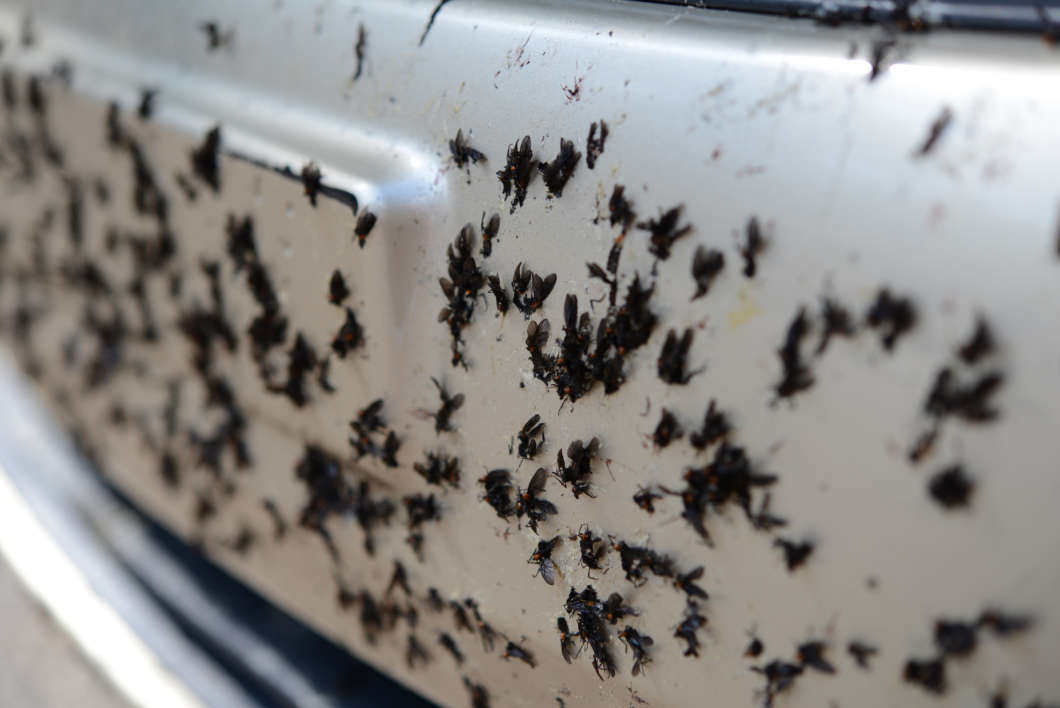
While love bugs are a part of the natural ecosystem in Florida, their peak seasons can catch many visitors by surprise. These periods are not just about the insects themselves but also about the practical implications for your travel plans. Whether you’re driving your rental car from Miami International Airport to your resort in Naples, or exploring the historic streets of St. Augustine, encountering love bugs is a distinct possibility during certain times of the year. This guide aims to demystify love bug season, providing you with the insights needed to make the most of your Florida getaway, from booking the perfect accommodation to enjoying local attractions and embracing the unique Florida lifestyle.
The presence of love bugs, or lovebugs as they are commonly called, is intrinsically linked to their reproductive cycle. These insects are not aggressive; they don’t bite or sting, and they pose no threat to human health. Their notoriety stems primarily from their tendency to gather in large swarms, often congregating over roadways. When vehicles travel through these swarms, the unfortunate reality is that the bugs become splattered on car exteriors, particularly windshields and front grilles. This can create a sticky, tar-like mess that, if left unaddressed, can damage paintwork. Understanding the timing of these swarms is therefore paramount for anyone intending to drive extensively throughout the state.
Understanding the Love Bug Lifecycle and Its Impact
The life cycle of the love bug is the key to understanding their seasonal appearances. These insects spend most of their lives in the larval stage, living in soil and feeding on decaying organic matter. It’s during their adult, flying stage that they become visible to us and cause the most concern for travelers. The adult stage is relatively short, focused primarily on mating and reproduction. This is where the “season” aspect comes into play, as specific environmental conditions trigger their emergence and mating flights.
Peak Seasons: When to Expect the Swarms
There are typically two main love bug seasons in Florida, each lasting for a couple of months. The first and usually more intense season occurs in late spring and early summer, generally from May through July. The second, often less concentrated, season takes place in late summer and early fall, usually from August through October. While these are the general periods, the exact timing can fluctuate slightly year by year due to variations in weather patterns. A particularly warm spring might lead to an earlier emergence, while a drier spell could potentially influence swarm density.
For travelers planning a vacation to Florida during these months, especially if they intend to embark on a road trip exploring different regions like the Panhandle or the Everglades, it’s wise to be prepared. The peak of the swarms often occurs during the warmer parts of the day, typically from mid-morning to late afternoon. Driving during these times, especially on highways and open roads, increases the likelihood of encountering large numbers of love bugs.
The impact on travel is most noticeable for those driving. The accumulation of love bugs on a car’s exterior can obscure vision and create a significant cleaning challenge. Many Florida residents and frequent visitors have learned to proactively clean their vehicles or use protective measures. For tourists, this might mean allowing extra time for car washes or understanding that their rental car may require more frequent attention. This consideration is part of the unique Florida experience, and while it might seem inconvenient, it’s a small price to pay for the myriad attractions and experiences the state offers, from the theme parks of Orlando to the natural beauty of Biscayne National Park.
Navigating the Roads: Tips for Love Bug Season Travelers
Driving through Florida during love bug season requires a bit of foresight. The splattered remains of these insects are not just unsightly; they can be acidic and, if left on hot paintwork for extended periods, can etch into the finish. This is particularly true if the bugs are allowed to bake in the Florida sun. Therefore, adopting a few simple strategies can go a long way in protecting your vehicle and ensuring your journeys are as pleasant as possible.
1. Clean Your Car Promptly: The most effective defense is a good offense. If you encounter love bugs, the best course of action is to wash your car as soon as possible. Many gas stations and rest stops along major highways in Florida have car wash facilities. If you are staying at a hotel or resort with car washing services, take advantage of them. Hotels in areas like Clearwater Beach or Sarasota often cater to tourists who may encounter these seasonal challenges.
2. Use Protective Measures: Before your trip, consider applying a protective coating to your car’s paintwork. A good quality car wax or a ceramic coating can create a barrier that makes it easier to remove the bug residue. Some travelers even use temporary solutions like car covers or specific bug screens for their grilles, especially if they are undertaking long road trips across Florida’s diverse landscapes.
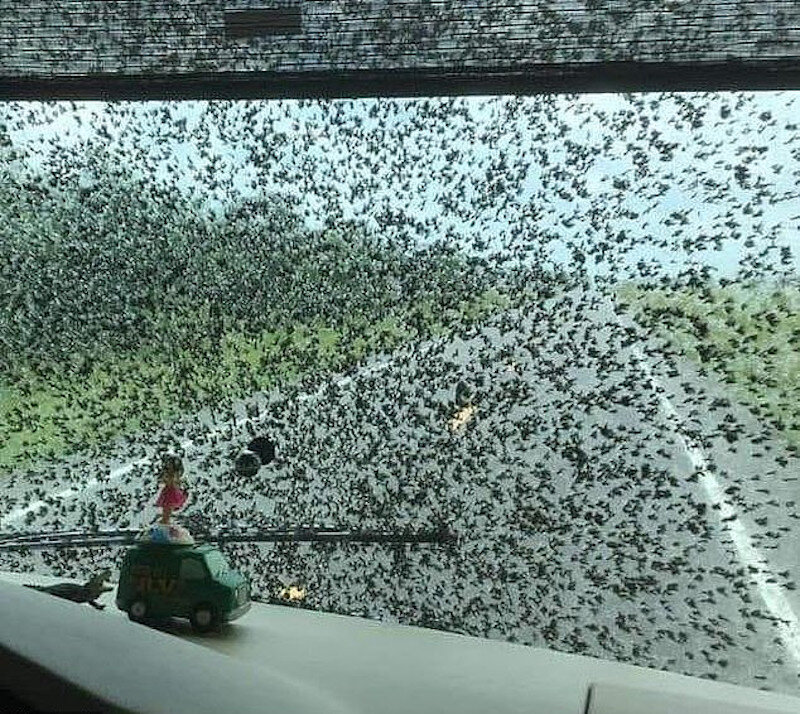
3. Driving Strategies: While it’s impossible to avoid love bugs entirely during peak season, you can minimize your exposure. Try to avoid driving during the peak hours of swarm activity if possible. If you are traveling during the day, be extra vigilant. Some drivers suggest driving at dawn or dusk, when love bug activity tends to be lower. However, this may not always align with your travel plans to popular destinations like Key West or Sanibel Island.
4. Be Prepared for Cleaning: Keep a spray bottle of water and a soft cloth in your car. This allows for quick spot cleaning of windshields and headlights if you notice a buildup. Many car wash facilities in Florida are well-equipped to handle love bug residue, so don’t hesitate to use them. Understanding that this is a common occurrence can help reduce any stress associated with it.
5. Consider Alternative Transportation: If you are particularly concerned about your vehicle, and your itinerary allows, consider relying on ride-sharing services, taxis, or public transportation for shorter distances within cities like Tampa or Fort Lauderdale. For longer journeys between cities, however, a rental car is often the most practical option in Florida.
The presence of love bugs is a natural aspect of Florida’s environment, and while it can be a minor nuisance, it shouldn’t deter you from exploring this magnificent state. By understanding when love bug season occurs and implementing these practical tips, you can ensure that your travel experience remains focused on the sun-drenched beaches, the world-class attractions, and the unique Florida culture that draws millions of visitors each year.
Beyond the Bugs: Embracing Florida’s Natural and Cultural Attractions
While the concern about love bugs is understandable, it’s important to remember that Florida offers an unparalleled array of experiences that far outweigh this temporary inconvenience. The state’s diverse landscapes, from the subtropical wilderness of the Everglades National Park to the pristine beaches along the Atlantic Coast and the Gulf of Mexico, provide endless opportunities for exploration and adventure.
Exploring Florida’s Natural Wonders
Florida is a nature lover’s paradise. Beyond the well-known theme parks, the state boasts numerous natural landmarks and ecosystems that are a joy to discover. The Everglades, often referred to as the “River of Grass,” is a unique wetland ecosystem teeming with wildlife, including alligators, wading birds, and manatees. Airboat tours are a popular way to experience this vast wilderness, offering a thrilling perspective on the environment.
For those who prefer coastal beauty, the Florida Keys offer a string of tropical islands connected by the scenic Overseas Highway. Key Largo is famous for its coral reefs, making it a prime destination for snorkeling and diving. Further south, Key West enchants visitors with its historic architecture, vibrant nightlife, and stunning sunsets.
The Gulf Coast of Florida is renowned for its soft, powdery white sand beaches, consistently ranked among the best in the United States. Destinations like Clearwater Beach, Siesta Key, and Sanibel Island offer relaxing beach experiences, opportunities for shelling, and calm waters perfect for swimming and water sports. Inland, Florida also features beautiful springs, such as Weeki Wachee Springs and Silver Springs State Park, where you can swim in crystal-clear waters or take a glass-bottom boat tour.

Immersing in Florida’s Rich Culture and Cuisine
Florida‘s cultural tapestry is as diverse as its natural landscapes. Influenced by Native American, Spanish, African, and Caribbean heritage, the state offers a rich blend of traditions, music, and art. St. Augustine, the oldest continuously inhabited European-established settlement in the United States, is a living museum, with historic forts like Castillo de San Marcos National Monument, cobblestone streets, and centuries-old architecture. Miami, on the other hand, is a cosmopolitan hub known for its vibrant Art Deco district in South Beach, its pulsating Latin music scene, and its world-class culinary offerings, from authentic Cuban sandwiches to innovative fusion cuisine.
The culinary scene across Florida is a significant draw for many travelers. Seafood is, of course, a staple, with fresh catches from both the Atlantic and the Gulf. From casual seafood shacks to upscale dining establishments, there’s something to satisfy every palate. Don’t miss trying the iconic Key Lime Pie, a tangy and sweet dessert that is a quintessential Florida treat. Each region offers its own culinary specialties, reflecting the local influences and available ingredients, making food exploration a vital part of the Florida tourism experience.
When planning your visit, consider how these natural and cultural attractions align with your interests. Whether you’re seeking adventure in the Everglades, relaxation on the Gulf Coast, historical immersion in St. Augustine, or vibrant city life in Miami, Florida has a destination and an experience to match. By being mindful of love bug season, you can ensure that these fascinating aspects of Florida remain the highlight of your trip, not the minor challenges of insect encounters.
LifeOutOfTheBox is a participant in the Amazon Services LLC Associates Program, an affiliate advertising program designed to provide a means for sites to earn advertising fees by advertising and linking to Amazon.com. Amazon, the Amazon logo, AmazonSupply, and the AmazonSupply logo are trademarks of Amazon.com, Inc. or its affiliates. As an Amazon Associate we earn affiliate commissions from qualifying purchases.